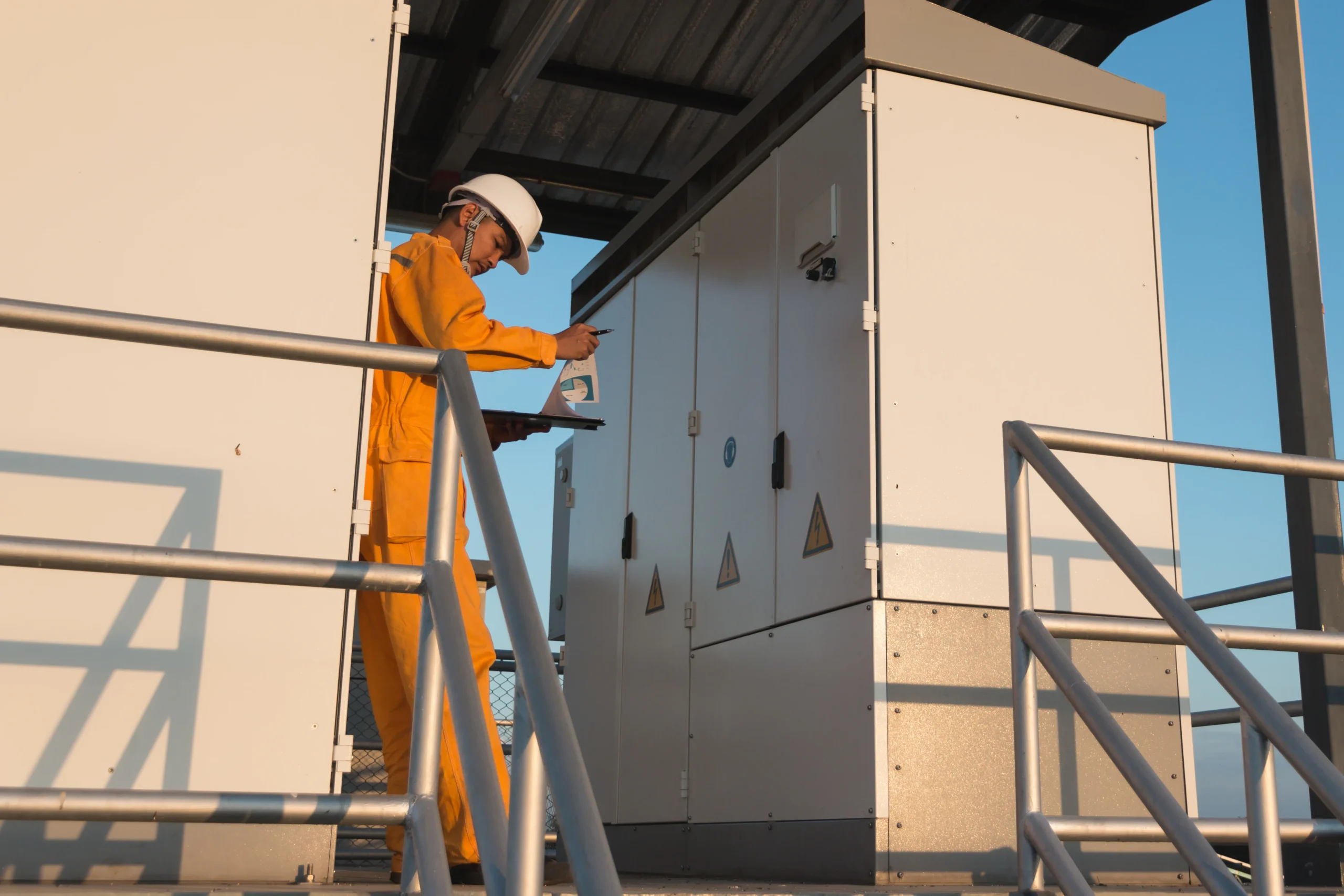
A commercial electrician Suffolk County, NY, in a yellow uniform and white hard hat inspects outdoor electrical cabinets, holding a clipboard and pen while standing on a metal platform with railings.
Commercial Generator Installation Suffolk County, NY

Keep Your Business Running When the Grid Goes Down

Power outages don't wait for convenient timing. We install commercial standby generators in Suffolk County that automatically protect your operations, your revenue, and your reputation when the power fails.

Why Choose Us

What Sets Us Apart

Fully Licensed and Insured

Every commercial generator installation we complete meets Suffolk County, NY electrical codes and NFPA 110 standards. You get peace of mind knowing the work is done right.

Over 20 Years Experience

Since 2004, we've been installing backup power systems for Suffolk County, NY businesses. We understand local requirements and what actually works.

Upfront Pricing Always

You'll know exactly what your commercial generator installation costs before we start. No surprise bills, no hidden fees, no games with your budget.

Seven-Year Award Winner

Angie's List Super Service Award seven years running. That's not luck—it's what happens when you show up, do the work, and stand behind it.

Industrial Backup Power System Suffolk County, NY

Automatic Power When Your Business Can't Afford Downtime

A commercial standby generator isn't just equipment—it's insurance against the cost of being dark. When grid power fails, your automatic transfer switch detects it instantly and brings your generator online. Your lights stay on, your equipment keeps running, and your customers never know there was a problem. We size the system based on your actual load requirements, not guesswork. That means you're not paying for capacity you don't need, and you're not discovering you're undersized when it's too late. From load calculations through final testing, we handle the complete installation process for businesses across Suffolk County.
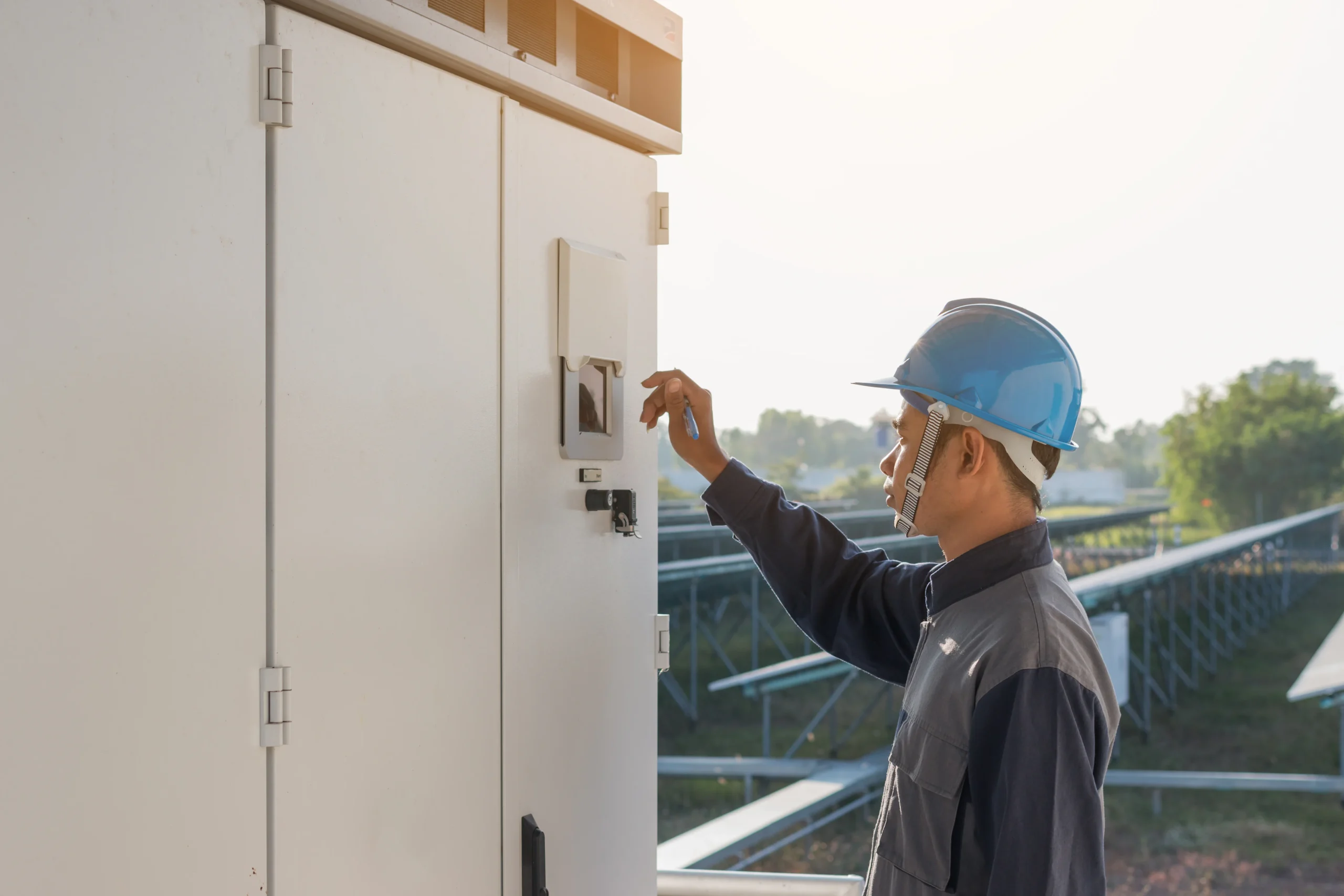
A worker wearing a blue hard hat and safety uniform operates an electrical control panel outdoors, with sunlight in the background and industrial structures behind him—skilled like a commercial electrician Suffolk County trusts.
Emergency Power System Commercial Suffolk County, NY

What Reliable Backup Power Actually Does for Your Business

The right commercial generator installation protects more than just your lights—it protects everything you've built.

20+ Years Serving Suffolk County
350+ Five-Star Google Reviews
#35607 NY Licensed & Insured
Know Your Costs
Your operations continue running during outages while competitors lose revenue and scramble to explain delays to customers.
Safety First
Data stays protected and equipment shuts down properly instead of crashing when power fluctuates or fails unexpectedly.
Equipment Protection
You stay compliant with emergency power requirements instead of facing violations during inspections or emergencies.
Root Cause Fixed
Perishable inventory remains protected when refrigeration and climate control systems need uninterrupted power to function.
Plain English
Employees and customers stay safe with emergency lighting, security systems, and communication equipment that never go dark.
Code Compliant
You avoid the reputation damage that comes from being unable to serve customers or fulfill commitments during power failures.

Every benefit above is delivered on every job we take.

Get a Free Estimate

Ready to get started?

Our licensed crew is standing by for free estimates and 24/7 emergency service across Suffolk County.

No Obligation Same-Day Available Free Estimates
Business Generator Installation Suffolk County, NY

Why Downtime Costs More Than You Think

Most business owners underestimate what power outages actually cost. It's not just lost sales during the outage—it's the restart time, the spoiled inventory, the missed deadlines, and the customers who don't come back. Research shows businesses lose an average of nine thousand dollars per minute during unplanned downtime. A four-hour outage can cost twenty thousand dollars or more. For manufacturers, those numbers climb into the hundreds of thousands. Power outages cost the U.S. economy over one hundred fifty billion dollars annually, and Suffolk County, NY sees its share of weather-related grid failures.

A commercial standby generator eliminates that exposure. Your system automatically takes over within seconds, keeping critical operations online while the grid is down. You're not scrambling to save data, calling customers with bad news, or watching inventory spoil. You're running your business like nothing happened.
Learn More
Data Center Backup Power Suffolk County, NY

What's Actually Included in a Professional Installation

A complete commercial generator installation isn't just dropping equipment on a pad. We start with load calculations to determine exactly what capacity you need. That includes peak demand, startup surge requirements, and which systems need to stay online during an outage. Then we handle the automatic transfer switch installation, which detects power loss and switches to generator power without you touching anything.

The generator itself connects to your fuel source—natural gas line or diesel tank depending on your facility and runtime requirements. We run all electrical connections to code, install the concrete pad or mounting system, and complete the permitting process with Suffolk County, NY. Before we're done, we test the complete system under load to confirm everything activates correctly and handles your actual power requirements. You get a system that works when you need it, not just equipment that looks good sitting there.
Learn More

Get a Free Estimate Today

Our licensed crew serves all of Suffolk County with transparent pricing and guaranteed work.

Why Marra Electric

NY Licensed & Fully Insured — #35607
Upfront written estimates — no hidden fees
No subcontractors — our crew does your job start to finish
100% satisfaction guaranteed on every job
24/7 emergency service across Suffolk County
NY Electrical License #35607 Fully insured on every job
Critical Power Backup Electrician Suffolk County

The Installation Process From Start to Finish

Step 01 of 03

Site Assessment and Load Analysis

We evaluate your facility, calculate your power requirements, and determine the right generator size and fuel type for your specific needs.

Step 02 of 03

System Design and Permitting

Complete electrical design including transfer switch placement, fuel connections, and all Suffolk County permits required for commercial generator installation.

Step 03 of 03

Installation and Testing

Professional installation of generator, transfer switch, and all electrical connections, followed by full load testing to confirm reliable operation.

FAQ

Common Questions About This Service

Commercial generator installation costs vary significantly based on your power requirements and facility specifics. A small office might need a system in the twenty to thirty thousand dollar range, while larger facilities with heavy equipment can run into six figures. The generator itself is only part of the cost—you're also paying for the automatic transfer switch, electrical work, concrete pad, fuel connections, and permitting. Installation typically adds twenty-five to fifty percent to the equipment cost. The better question is what downtime costs your business. Most commercial operations lose thousands of dollars per hour during outages, which means a properly sized backup power system pays for itself quickly. We provide upfront pricing after evaluating your specific requirements, so you know exactly what you're investing before we start work.

Generator sizing depends on your total electrical load and which systems need to stay online during an outage. We calculate this by evaluating your peak demand, accounting for motor startup surges, and identifying critical versus non-essential loads. A small office might run fine on a twenty-kilowatt unit, while a manufacturing facility could need two hundred kilowatts or more. The key is proper load analysis—if you undersize the system, it won't handle your actual demand when you need it. Oversize it, and you're wasting money on capacity you'll never use. We perform detailed load calculations as part of every commercial generator installation. We measure your existing electrical service, review your equipment specifications, and factor in any planned expansion. You get a system that's sized correctly for your business, not a guess based on building square footage.

Most commercial generator installations in Suffolk County take one to three weeks from start to finish, depending on system complexity and permitting timelines. Simple installations with straightforward electrical access and nearby fuel connections move faster. Larger systems requiring extensive electrical work, custom concrete pads, or fuel tank installation take longer. The permitting process with Suffolk County adds time—typically one to two weeks for plan review and approval. Once permits are issued, the physical installation usually takes two to five days depending on system size. We coordinate the work to minimize disruption to your operations, and we can often schedule installation during off-hours or weekends if that works better for your business. Emergency installations move faster when circumstances require it. The timeline also depends on equipment availability—popular generator sizes sometimes have lead times during peak storm seasons.

Natural gas generators connect directly to your gas line, which means unlimited runtime as long as the gas supply is available. There's no fuel storage to manage, no tank to refill, and no concerns about fuel degradation. They're cleaner burning and generally quieter than diesel units. The downside is you're dependent on the natural gas infrastructure staying operational during the outage. Diesel generators store fuel on-site in tanks, which means they'll run regardless of utility status. Diesel fuel is energy-dense, so you get more power from a smaller engine. The fuel is stable for extended periods with proper treatment. The tradeoff is you need space for fuel storage, regular tank maintenance, and periodic fuel testing to ensure reliability. For most Suffolk County commercial installations, natural gas makes sense if you have gas service and your facility isn't in a flood zone. Diesel works better for locations without gas access, facilities requiring extended runtime capability, or critical operations where you can't risk any utility dependency.

Yes, commercial generator installation in Suffolk County requires electrical permits and often building permits depending on the scope of work. The electrical permit covers the generator, transfer switch, and all power connections. If you're installing a concrete pad, fuel tank, or making structural modifications, you'll need building permits as well. Some municipalities within Suffolk County have additional requirements for noise levels, setback distances, and environmental compliance. The good news is this is standard process, and experienced electrical contractors handle it routinely. We manage the entire permitting process as part of our commercial generator installation service. We prepare the required documentation, submit plans to Suffolk County, coordinate inspections, and ensure everything meets code. You don't need to navigate the permitting system yourself or worry about whether the installation meets requirements. The permits protect you by ensuring the work is done correctly and documented properly.

Commercial generators need maintenance twice a year at minimum—more frequently for units that run regularly or operate in demanding conditions. Maintenance includes oil and filter changes, coolant system inspection, battery testing, fuel system checks, and load bank testing to confirm the unit performs under actual demand. Most manufacturers require documented maintenance to keep warranties valid. Beyond scheduled maintenance, your generator should exercise automatically every week—a brief run cycle that keeps internal components lubricated and confirms the system is ready. This weekly exercise also charges the battery and prevents fuel system issues. If your generator sits unused for months without exercising, you're likely to have problems when you actually need it. Many businesses opt for maintenance contracts with their electrical contractor to ensure the work happens on schedule and is documented properly. Regular maintenance costs far less than emergency repairs or discovering your backup power system doesn't work during an actual outage.