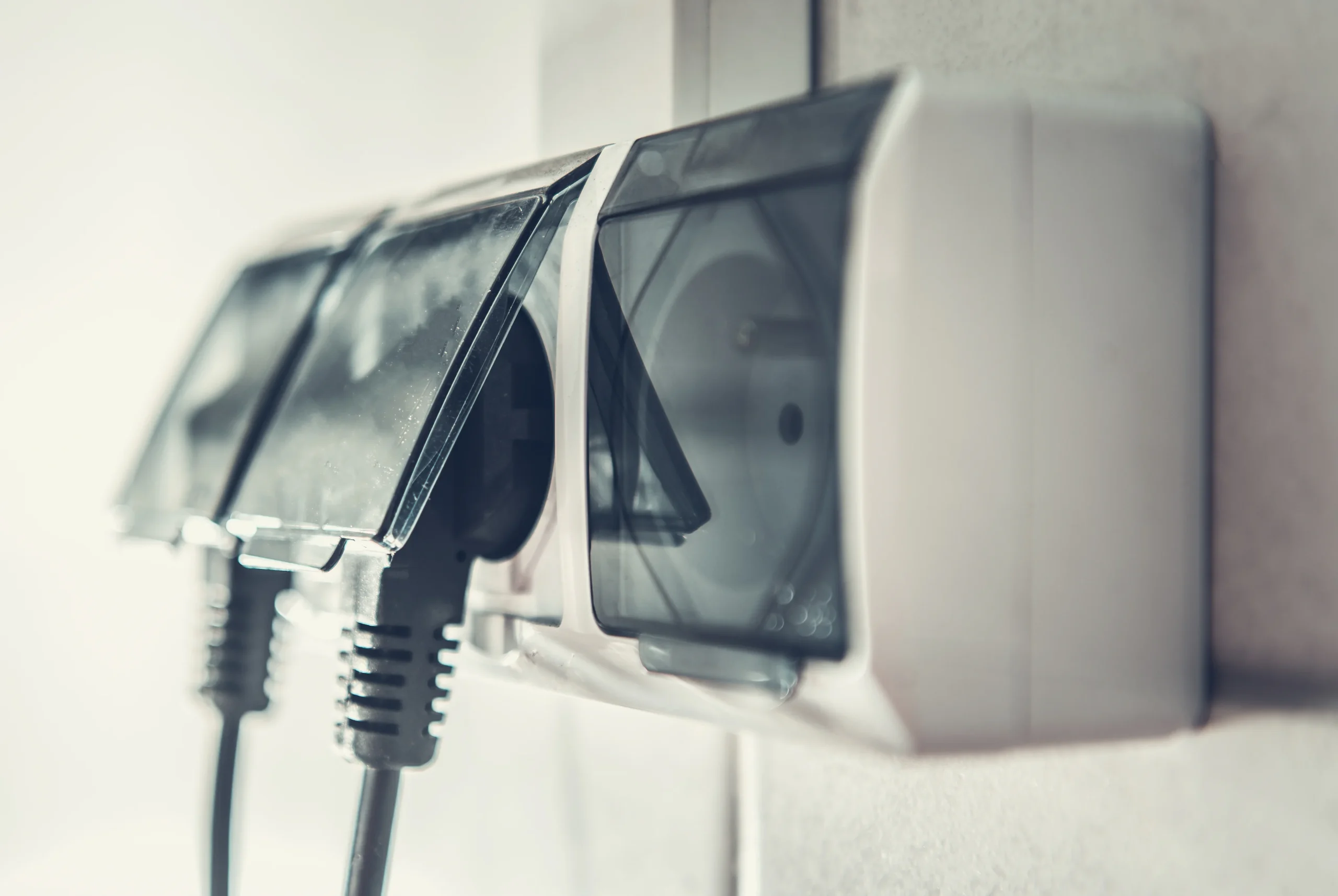
Every day, your home experiences dozens of small power surges that slowly damage your expensive appliances and electronics. One nearby lightning strike or major surge can destroy everything in seconds. Whole home surge protection in Suffolk County stops voltage spikes before they reach your panel—protecting what matters most.
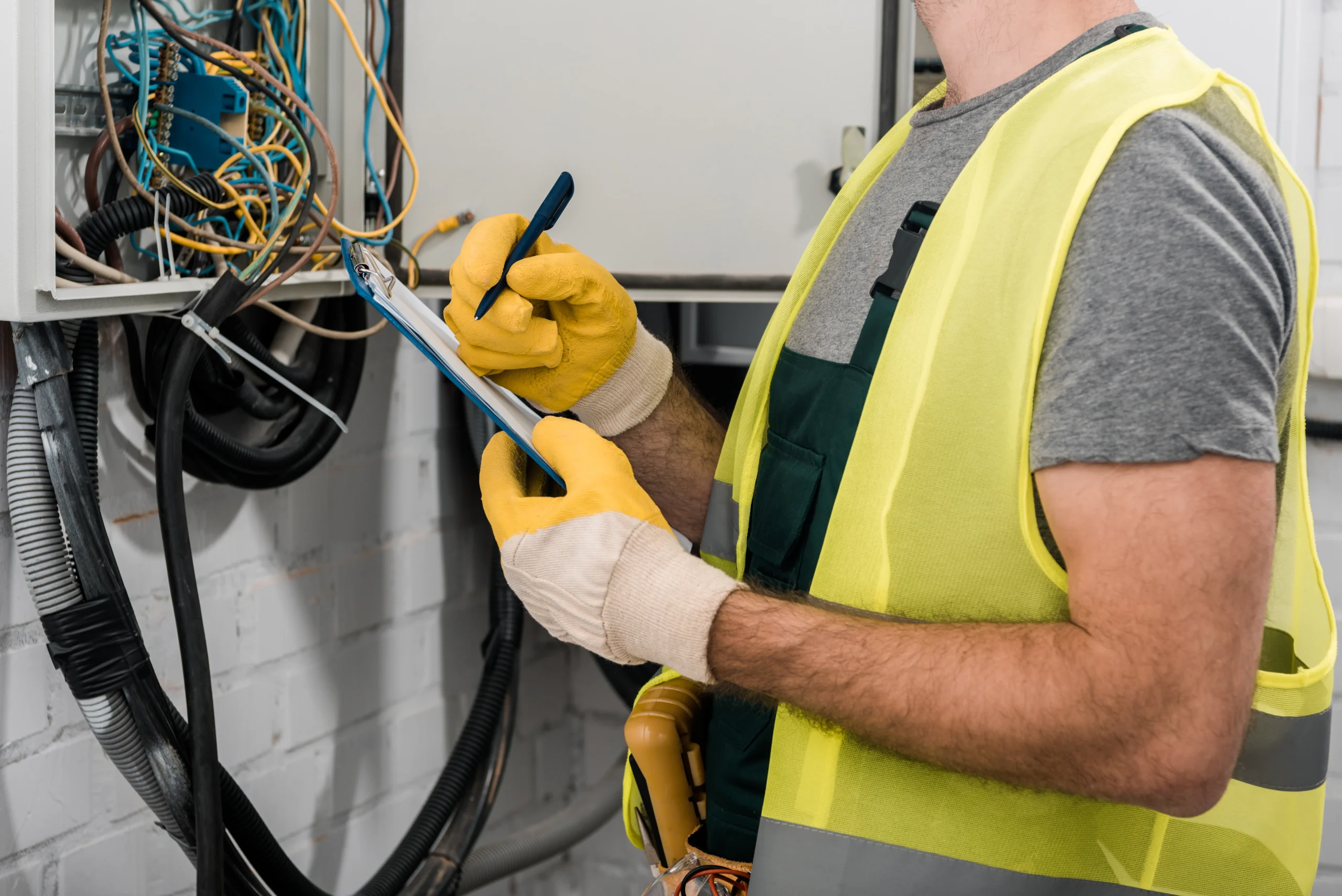
Every technician is fully licensed and insured, ensuring your surge protector installation meets all electrical codes and manufacturer warranty requirements.
Since 2004, we've been protecting homes across Suffolk County with electrical expertise you can count on when it matters most.
You'll know exactly what you're paying before we start. No hidden fees, no surprise charges, just honest pricing on every job.
Angie's List Super Service Award recipient for seven consecutive years, reflecting consistent excellence in electrical service and customer satisfaction.
This isn't just about avoiding one bad storm. It's about protecting your home from the constant, invisible wear that most people never see until something stops working.
Every benefit above is delivered on every job we take.
Get a Free EstimateOur licensed crew is standing by for free estimates and 24/7 emergency service across Suffolk County.
Our licensed crew serves all of Suffolk County with transparent pricing and guaranteed work.
We inspect your electrical panel, confirm proper grounding, and determine the best surge protective device for your home's specific needs.
We install the surge protector directly at your main panel, ensuring correct wiring, secure connections, and full integration with your electrical system.
We test the installation, verify indicator lights are functioning, and confirm your whole home surge protection is active and ready to defend your property.
Most whole home surge protection installations in Suffolk County range from $200 to $800, depending on the type of surge protector and your electrical panel setup. That includes both the device and professional installation by a licensed electrician. When you consider the average home has $5,000 to $10,000 worth of vulnerable electronics and appliances, the cost is minimal compared to what you're protecting. We provide free estimates so you know exactly what to expect before we start any work. The investment typically pays for itself the first time it stops a major surge from destroying your HVAC system, refrigerator, or home electronics.
No. Power strips only protect devices plugged directly into them, and many cheap power strips aren't even real surge protectors—they're just extension cords with multiple outlets. Even quality surge protector strips can't protect your hardwired appliances like your HVAC system, water heater, dishwasher, or refrigerator. Those are some of the most expensive items in your home, and they're completely exposed without whole house surge protection. A panel-mounted surge protector covers everything in your home, including all the equipment that can't be plugged into a strip. For the best protection, we recommend whole house surge protection at your panel plus point-of-use surge protectors for your most sensitive electronics.
Most whole house surge protectors last between five and ten years, depending on how many surges they absorb over time. Every surge wears down the metal oxide varistors inside the device. Small surges cause gradual degradation, while a major lightning-related surge can use up a significant portion of the unit's capacity in one event. That's why quality surge protectors include indicator lights—they let you know when the protection is still active. If the light goes out or changes color, it's time for a replacement. We can inspect your surge protector during routine electrical service to make sure it's still functioning properly and protecting your home the way it should.
Whole house surge protectors are designed to handle surges from nearby lightning strikes and voltage spikes traveling through power lines, but they're not built to withstand a direct lightning strike to your home. No surge protector can absorb that level of energy. However, direct strikes to homes are extremely rare. What's far more common—and what causes most lightning-related damage—is a strike to a nearby power line or transformer that sends a surge through the electrical grid and into your home. That's exactly what whole home surge protection is designed to stop. The device detects the voltage spike and diverts it safely to ground before it reaches your appliances and electronics.
We don't recommend it. Whole house surge protector installation requires working inside your main electrical panel, which is dangerous if you're not trained and licensed. One wrong move can result in serious injury, fire, or damage to your electrical system. Beyond the safety risk, most surge protector manufacturers only honor their warranties if the device is installed by a licensed electrician. DIY installation can void that coverage, leaving you unprotected if something goes wrong. Professional installation also ensures the surge protector is properly grounded and integrated with your panel—two things that are critical for the device to actually work when a surge hits.
For most devices, whole house surge protection is enough. But if you have particularly sensitive or expensive equipment—like a high-end computer, home theater system, or medical devices—adding a point-of-use surge protector creates a layered defense. The whole house unit stops the big surges at the panel, and the plug-in protector catches any smaller fluctuations that make it through. This two-layer approach gives you the best possible protection. It's not required, but it's smart if you have equipment you really can't afford to lose. We can walk you through what makes sense for your specific setup during your free estimate.