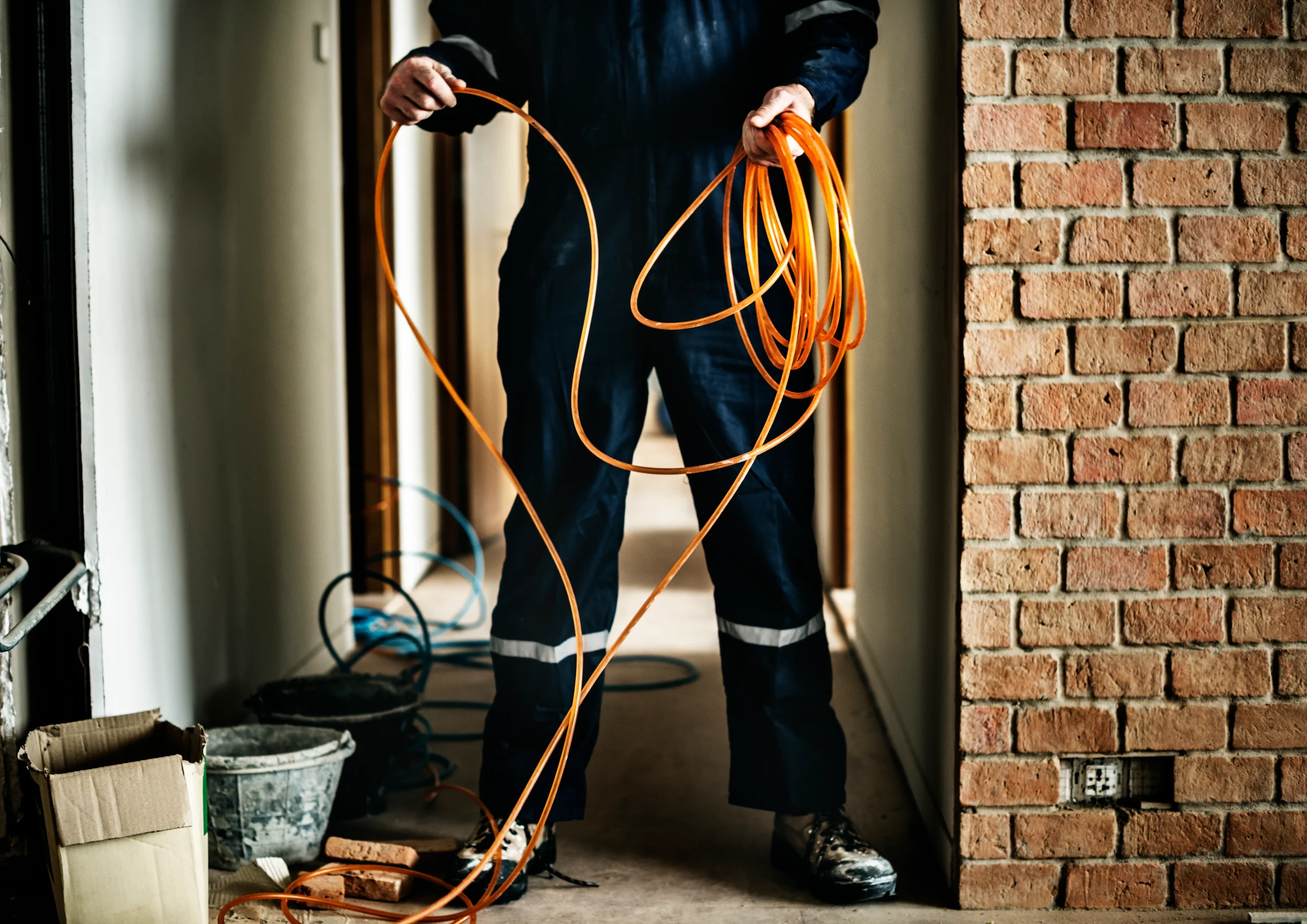
If your Suffolk County home was built before 1980, there's a good chance the wiring can't safely handle what you're asking it to do. Modern life demands more power, and old systems weren't designed for it.
Every electrician on our team is fully licensed and insured, so you can trust the work is done right and your property is protected.
You'll know exactly what the job costs before we start. No surprise charges, no hidden fees, no games with your budget.
Since 2004, we've been rewiring homes across Suffolk County. We know older homes, and we know how to work efficiently without cutting corners.
We stand behind every job we complete. If something's not right, we make it right. That's not marketing talk, it's how we operate.
This isn't about convenience. It's about ending the problems that make you second-guess turning on another appliance or worry every time the lights flicker.
Every benefit above is delivered on every job we take.
Get a Free EstimateOur licensed crew is standing by for free estimates and 24/7 emergency service across Suffolk County.
Our licensed crew serves all of Suffolk County with transparent pricing and guaranteed work.
We inspect your current wiring, identify hazards, and create a detailed plan for the new system that meets your needs and current code.
We pull the necessary permits, shut off power to work safely, and carefully remove the old wiring from walls, ceilings, and floors.
We install new copper wiring, upgrade your panel if needed, test every circuit for safety, and pass the final inspection before we're done.
The cost to rewire a house in Suffolk County typically ranges from $6,000 to $20,000 depending on the size of your home, the complexity of the job, and whether you need a panel upgrade. Smaller homes with accessible wiring cost less. Larger homes with plaster walls or hard-to-reach areas cost more. We provide free estimates so you know exactly what your project will cost before we start any work. The price includes materials, labor, permits, and inspections. There are no hidden fees or surprise charges. If your home has knob and tube or aluminum wiring, the cost reflects the additional time required to safely remove those systems and replace them with modern copper wiring that meets current electrical code.
Most whole house rewiring projects in Suffolk County take between three and ten days, depending on the size of your home and how accessible the wiring is. Smaller homes with open basements and attics go faster. Larger homes with finished ceilings or plaster walls take longer. During the rewire, power will be shut off to the areas we're working on, which means you may not have full electrical service in those rooms until the work is complete. We work efficiently to minimize disruption, and we'll give you a clear timeline before we start so you can plan accordingly. Some homeowners choose to stay elsewhere during the project, especially if we're working throughout the entire house. Others stay and work around the schedule. We'll help you figure out what makes the most sense for your situation.
Yes, rewiring requires cutting into walls, ceilings, and sometimes floors to access the old wiring and run the new cables. We make strategic cuts to minimize damage, and we work carefully to preserve your home's structure. After the wiring is installed and inspected, you'll need to repair and repaint or replaster the affected areas. Some homeowners coordinate the rewire with other renovation work to handle everything at once. Others hire a contractor to patch and finish the walls after we're done. We can recommend local contractors we've worked with if you need help with that part. The disruption is real, but it's temporary. The safety and functionality you gain from a modern electrical system is permanent.
It depends on the scope of the project and your tolerance for disruption. During a whole house rewire in Suffolk County, power will be shut off to the areas where we're working, which limits your access to lights, outlets, and appliances in those rooms. There will also be dust, noise, and workers moving through your home. Some homeowners stay and adjust their routines around the work schedule. Others prefer to stay with family or rent temporary housing until the project is complete. If you have young children, pets, or work from home, temporary housing might be the more practical option. We'll walk you through what to expect during the initial consultation so you can make an informed decision about what works best for your household.
Yes, whole house rewiring in Suffolk County requires electrical permits and inspections to ensure the work meets current code and safety standards. We handle the permit process for you, including submitting the applications and coordinating with local inspectors. After the rewiring is complete, a building inspector will review the work to verify that everything is installed correctly and safely. This inspection is required before the project is officially complete. Permits aren't just bureaucracy. They protect you by ensuring the work is done right and documented properly. If you ever sell your home, buyers and their inspectors will want to see that any major electrical work was permitted and inspected. We make sure everything is handled correctly from start to finish.
Common signs include flickering or dimming lights, frequent breaker trips, outlets that feel warm to the touch, a burning smell near outlets or switches, discolored or scorched outlet covers, or relying heavily on extension cords and power strips because you don't have enough outlets. If your home is more than 40 years old and still has its original wiring, that's another strong indicator. Homes built before 1950 often have knob and tube wiring, and homes built between 1965 and 1973 may have aluminum wiring, both of which are known fire hazards. If you're experiencing any of these issues in your Suffolk County home, schedule an inspection. We'll assess your wiring, explain what we find, and let you know whether a full rewire is necessary or if targeted repairs will address the problem.