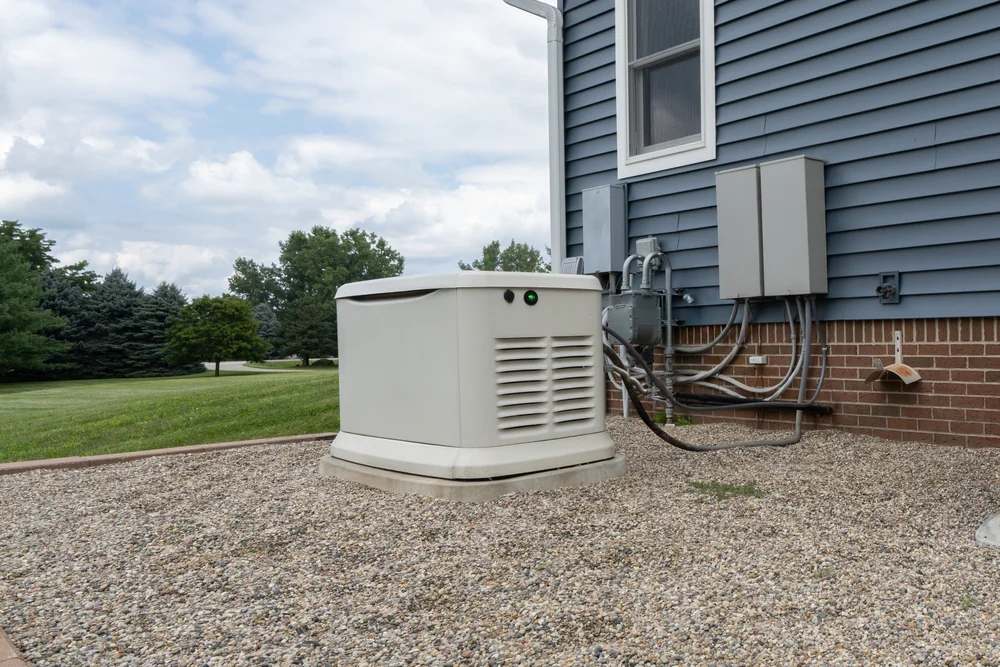
When storms knock out power across Suffolk County, NY your home stays running. Automatic standby generators from Marra Electric protect your family, your food, and your peace of mind without you lifting a finger.
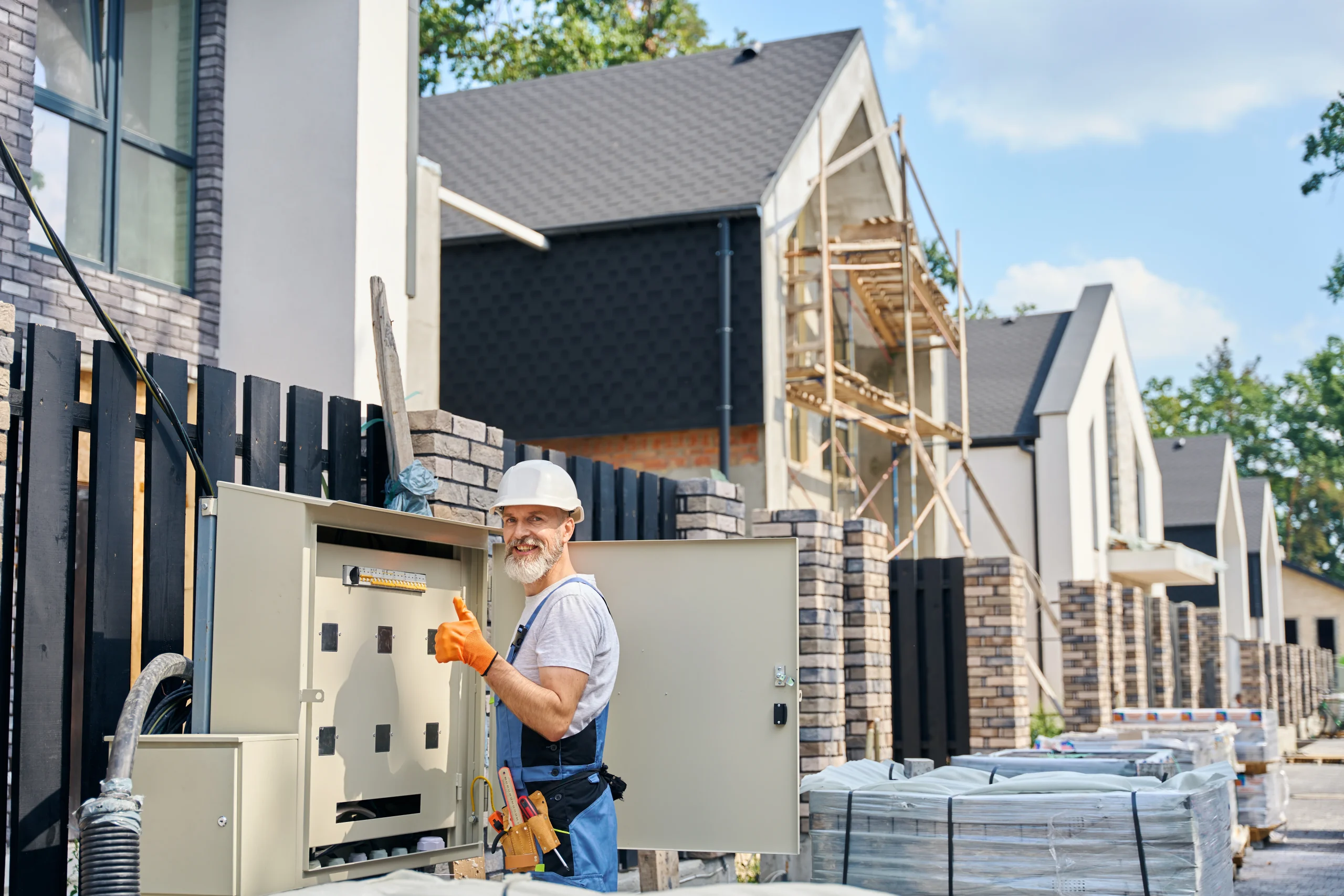
Fully licensed and insured electrical contractors with over 20 years serving Suffolk County, NY homes. No subcontractors, just experienced professionals.
You'll know exactly what your generator installation costs before we start. No surprise charges, no hidden fees, no games.
Angie's List Super Service Award recipient for seven consecutive years. Our track record speaks to consistent quality and customer satisfaction.
We'll assess your home's power needs and provide a detailed estimate at no cost. You make informed decisions without pressure.
Beyond just keeping the lights on, a professionally installed standby generator changes how you experience power outages in Suffolk County.
Every benefit above is delivered on every job we take.
Get a Free EstimateOur licensed crew is standing by for free estimates and 24/7 emergency service across Suffolk County.
Our licensed crew serves all of Suffolk County with transparent pricing and guaranteed work.
We visit your home to evaluate your power needs, check your electrical panel, assess fuel options, and determine the best generator location.
We calculate your home's power requirements and recommend the right size generator with automatic transfer switch to match your needs and budget.
Our licensed electricians handle permits, concrete pad, electrical connections, fuel lines, transfer switch installation, testing, and final inspection.
Whole house generator installations in Suffolk County typically range from $8,000 to $18,000 depending on the generator size and installation complexity. A 14-16 kW system that covers essential circuits usually falls in the $8,000-$12,000 range. A 20-22 kW generator that powers your entire home including central air runs $12,000-$18,000. The final cost depends on several factors: how far the generator sits from your electrical panel, whether you're using natural gas or propane, if your electrical panel needs upgrades, and what fuel line work is required. We provide upfront pricing with your free estimate so you know exactly what to expect before any work begins.
Most residential standby generator installations take one to three days from start to finish. Day one typically involves preparing the installation site, pouring the concrete pad if needed, and beginning electrical work. Day two covers installing the generator, connecting fuel lines, wiring the automatic transfer switch, and making all electrical connections. Day three, if needed, handles final testing and inspection. The timeline can extend if we need to upgrade your electrical panel, run long fuel lines, or wait for permits and inspections. Weather can also impact installation schedules, especially concrete work. During your free estimate, we'll give you a realistic timeline based on your specific installation requirements so you can plan accordingly.
It depends on the generator size you choose and your home's power requirements. A properly sized whole house generator can power everything in your home including HVAC, all appliances, lights, outlets, and well pumps. Most Suffolk County homes need a 16-22 kW generator for complete whole-house coverage. If you want to power just essential circuits like your refrigerator, heating system, some lights, and critical outlets, a smaller 10-14 kW generator works fine and costs less. The key is matching the generator to what you actually want to run during an outage. We perform a detailed load calculation during your estimate to determine exactly what size generator your home needs based on your priorities and budget.
Yes, standby generator installations in Suffolk County require permits for the electrical work, and potentially for plumbing or gas work depending on your fuel source. The electrical connection to your main panel must be installed by a licensed electrician who files the proper electrical permits. If you're connecting to natural gas, a licensed plumber handles that work and pulls plumbing permits. For propane installations, your propane supplier typically handles the tank permit. We coordinate all permit applications and inspections as part of your installation. This ensures your generator installation meets all local codes and manufacturer requirements, which protects both your safety and your generator's warranty coverage.
Natural gas generators connect directly to your home's gas line and provide unlimited runtime during outages since they tap into the utility supply. There's no fuel to store or monitor. The downside is that if a major storm damages gas lines, you could lose both electricity and gas simultaneously, though this is rare. Propane generators run on liquid propane stored in a tank on your property. You control your fuel supply independent of utility infrastructure, which some homeowners prefer. Propane typically costs more to operate than natural gas, and you need to monitor tank levels and schedule refills. If your home already has natural gas service, that's usually the most convenient and economical option. If you're not on the gas grid, propane is your best choice for standby generator fuel.
Standby generators need annual maintenance to stay reliable, similar to your car. This includes changing the oil and filters, checking the battery, inspecting belts and hoses, testing the automatic transfer switch, and running the generator under load. Most generators also run a brief self-test weekly to ensure they're ready when needed. These automatic tests typically last 10-15 minutes and keep the engine components lubricated. Annual professional maintenance usually costs $200-$300 and is worth every penny to ensure your generator starts when a storm knocks out power. We offer maintenance service for all generators we install, and we can service generators installed by other companies. Regular maintenance extends your generator's lifespan and prevents failures during the outages when you need backup power most.