The next time a storm rolls through Suffolk County and knocks out power to your neighborhood, your lights stay on. Your heat keeps running. Your refrigerator doesn’t turn into a science experiment. Your sump pump keeps your basement dry.
You’re not dragging a portable generator out of the garage in the rain. You’re not running extension cords through windows or refueling in the dark. The system kicks on automatically within seconds of losing grid power, and it shuts off just as smoothly when service returns.
Your family stays comfortable. Your home stays protected. And you’re not one of the hundreds of Babylon residents sitting in the dark waiting for utility crews to work their way down the list. That’s what a properly installed home standby generator does—it removes the stress and the scramble from power outages that happen multiple times a year around here.
We’ve been handling electrical work across Suffolk County for over 20 years. We’re fully licensed and insured, and we’ve installed enough backup generator systems in Babylon to know exactly what works in this area and what doesn’t.
We don’t subcontract the work. Our electricians show up in company vehicles, wearing company uniforms, and they handle everything from permit applications to final inspections. You get upfront pricing before we start, and you’re never surprised by the bill at the end.
Babylon homeowners deal with the same weather patterns and the same aging grid infrastructure as the rest of Long Island. We’ve seen what happens when storms come through—trees down on lines, extended outages, and restoration times that stretch into days. That’s why whole house generator installation in Babylon isn’t a luxury anymore. It’s become standard preparation for homeowners who don’t want to deal with the fallout every time the power drops.
We start with a free in-home consultation. One of our electricians comes out to look at your electrical panel, your gas line, and the best location for the generator unit. We talk through what you want to keep running during an outage—whole home or just essentials—and we give you a clear price estimate that includes equipment, labor, permits, and everything else.
Once you approve the estimate, we handle the permit paperwork with the Town of Babylon. Then we schedule the installation. Our crew sets the concrete pad, runs the gas line connection, installs the automatic transfer switch inside your electrical panel, and mounts the generator unit outside. We test the system to make sure it fires up correctly when power cuts, and we walk you through how it operates.
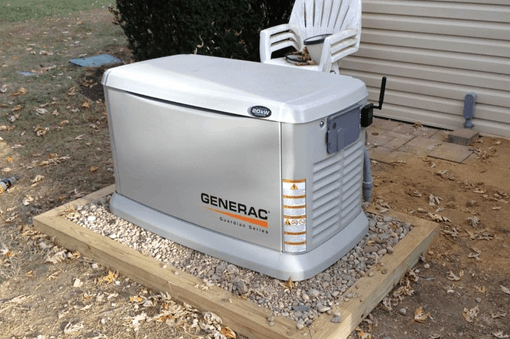
The whole process typically takes one to two days depending on your home’s setup. After installation, we coordinate the final inspection so everything’s code-compliant and fully approved. You’re left with a Generac or Kohler home standby generator that’s ready to run the next time PSEG’s grid goes down in Babylon, NY.
Ready to get started?
A complete home generator installation in Babylon includes the generator unit itself—we typically install Generac or Kohler systems sized between 14 kW and 22 kW depending on your home’s square footage and power needs. For most 2,000-square-foot homes, a 14-16 kW unit covers essentials like heat, refrigeration, and lights. A 20-22 kW system powers your whole home including AC, appliances, and outlets.
You also get the automatic transfer switch, which is the brain of the system. It detects when grid power drops, signals the generator to start, and switches your home over to backup power in under 10 seconds. When utility power returns, it switches you back and shuts the generator down.
We handle the natural gas line connection to your existing service, the concrete pad installation, all electrical wiring and panel work, and the permit applications with Babylon’s building department. The system runs on your home’s natural gas supply, so there’s no refueling and no stored gasoline. Suffolk County sees frequent outages from storms, high winds, and aging infrastructure—Babylon had nearly 600 customers without power during a recent weather event. A whole house generator installation removes that vulnerability and keeps your home running no matter what’s happening with the grid outside.
A complete whole house generator installation in Babylon typically runs between $8,000 and $11,000 depending on the size of the system and your home’s specific requirements. That price includes the generator unit, the automatic transfer switch, installation labor, gas line connection, concrete pad, permits, and final inspection.
A 14-16 kW Generac system that covers your essential circuits—heat, refrigerator, lights, sump pump—usually falls on the lower end of that range. A 20-22 kW system that powers your entire home including central air and all outlets lands on the higher end. The equipment itself accounts for about half the total cost, and professional installation makes up the other half.
We give you an exact price during the free in-home estimate so you know what you’re paying before any work starts. There are no surprise charges, and financing options are available if you’d rather spread the payments out. For context, a properly installed backup generator adds about 2-3% to your home’s value, and Remodeling Magazine shows a 60% return on investment when you sell.
Most home standby generator installations in Babylon take one to two days from start to finish. Day one typically involves setting the concrete pad, running the gas line, installing the transfer switch in your electrical panel, and mounting the generator unit. Day two covers final connections, system testing, and startup.
The timeline can stretch a bit if we’re waiting on permit approvals from the Town of Babylon or if your home needs additional electrical work before the generator goes in. We handle all the permit paperwork, but municipal processing times vary depending on their current workload.
Once the installation is complete, we schedule the final inspection with the town to make sure everything meets code. After that, your system is live and ready to kick on automatically the next time you lose power. We test it thoroughly before we leave so you can see exactly how it operates when the grid drops.
For most homes in Babylon, a 14-22 kW generator covers what you need. The right size depends on your home’s square footage and what you want to keep running during an outage. A 14-16 kW system handles essential circuits—furnace or boiler, refrigerator, freezer, some lights, sump pump, and a few outlets. That’s enough to keep your family comfortable and your home protected without powering every single appliance.
If you want to run your whole home including central air conditioning, electric dryer, oven, and all outlets, you’re looking at a 20-22 kW unit. For a typical 2,000-square-foot home, that size gives you full coverage so life continues pretty much as normal during an outage.
During the free estimate, we calculate your home’s actual power requirements by looking at your electrical panel and asking which systems and appliances matter most to you. That way you’re not overpaying for capacity you don’t need, and you’re not undersized when the power goes out. Suffolk County gets hit with enough storms that sizing it right the first time matters.
Yes, you need a permit from the Town of Babylon for a home generator installation. The permit process covers both the electrical work and the gas line connection to make sure everything meets local building codes and safety standards. This isn’t optional—unpermitted generator installations can create problems when you try to sell your home or file an insurance claim after a storm.
We handle the entire permit application process for you. That includes submitting the paperwork to Babylon’s building department, coordinating the inspection schedule, and making sure the installation passes final review. You don’t have to deal with the town directly or figure out what forms they need.
The permit process typically adds a few days to the overall timeline while we wait for approval, but it’s a necessary step that protects you legally and ensures the system is installed correctly. Once the final inspection is complete and signed off, your generator installation is fully code-compliant and documented with the town.
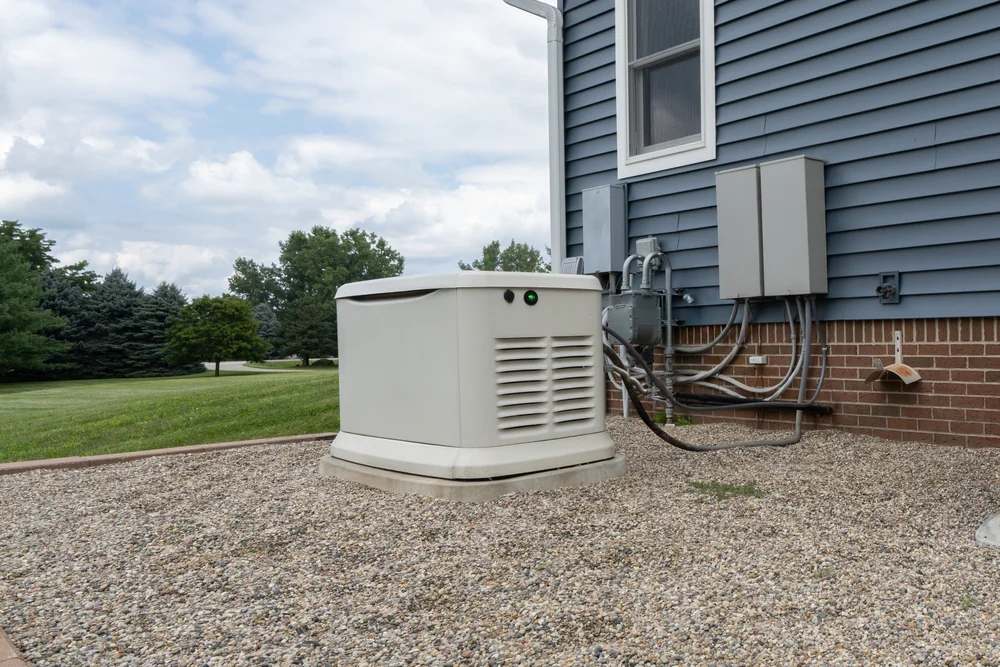
A whole home generator works by detecting when your utility power drops and automatically switching your home over to backup power within 10 seconds. The system includes two main components: the generator unit outside your home and the automatic transfer switch installed next to your electrical panel inside.
When the transfer switch senses that grid power is gone, it signals the generator to start. The generator fires up, reaches operating speed, and the transfer switch disconnects your home from the utility lines and connects it to the generator instead. Your home is now running on backup power from the generator, which pulls fuel from your natural gas line. There’s no manual startup, no extension cords, and no refueling.
When PSEG restores utility power to your neighborhood, the transfer switch detects that the grid is back and stable. It switches your home back over to utility power and signals the generator to shut down. The whole process is automatic. You might notice a brief flicker when the power first drops, but within seconds your lights are back on and everything’s running normally. That’s the difference between a permanent home standby generator installation and dragging a portable unit out every time the power goes out in Babylon.
A portable generator requires you to drag it out of storage, set it up outside, fill it with gasoline, start it manually, and run extension cords into your house to power individual appliances. You’re limited to whatever circuits you can reach with cords, and you have to refuel it every few hours depending on the tank size. When the power comes back, you reverse the whole process.
A whole house generator is permanently installed outside your home, connected directly to your electrical panel and your natural gas line. It starts automatically within seconds of losing power, runs your entire home or selected circuits without any extension cords, and shuts itself off when utility power returns. There’s no refueling because it runs on natural gas, and there’s no manual operation required.
Portable generators cost less upfront—usually $500 to $1,500—but they’re a hassle every time you need them, and they pose safety risks if not set up correctly. Whole house generator installation in Babylon costs more initially, but you get automatic operation, permanent power coverage, and no scrambling around in bad weather. For Suffolk County homeowners who deal with multiple outages a year, the permanent installation makes more sense than dealing with a portable unit every time a storm rolls through.
Other Services we provide in Babylon