Home Generator Installation in Copiague, NY

Automatic Backup Power When the Grid Goes Down

Your lights stay on, your food stays cold, and your family stays comfortable—even when everyone else on your block is sitting in the dark.
[Add Trustindex Button Here]
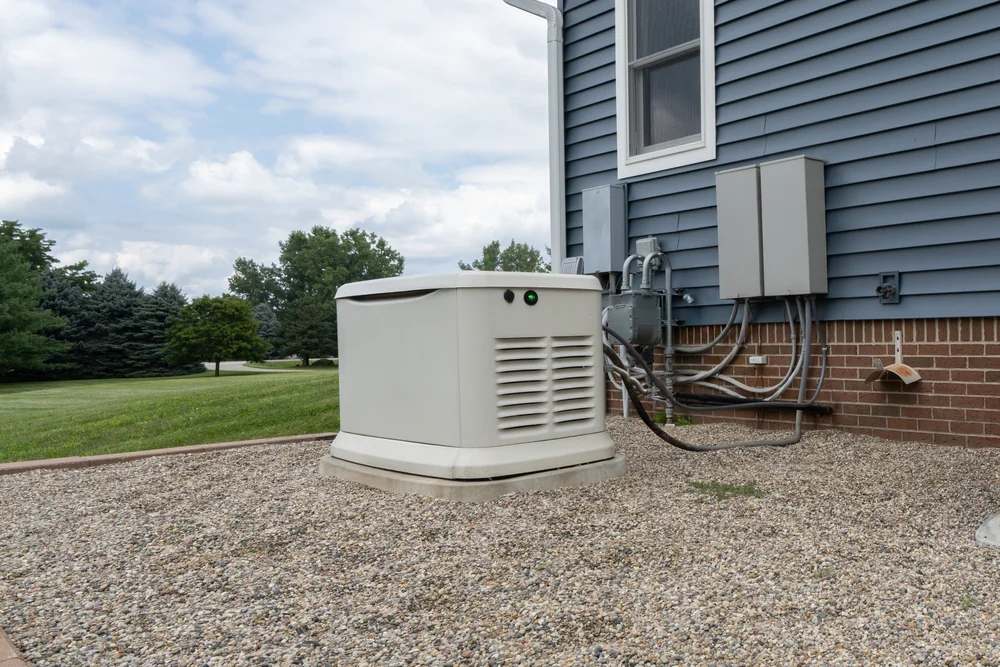
A standby generator sits on a gravel bed beside a blue house with siding in NY. Nearby, a residential electrician Suffolk County has mounted electrical boxes and conduit. Trees and lawn appear in the background under a cloudy sky.
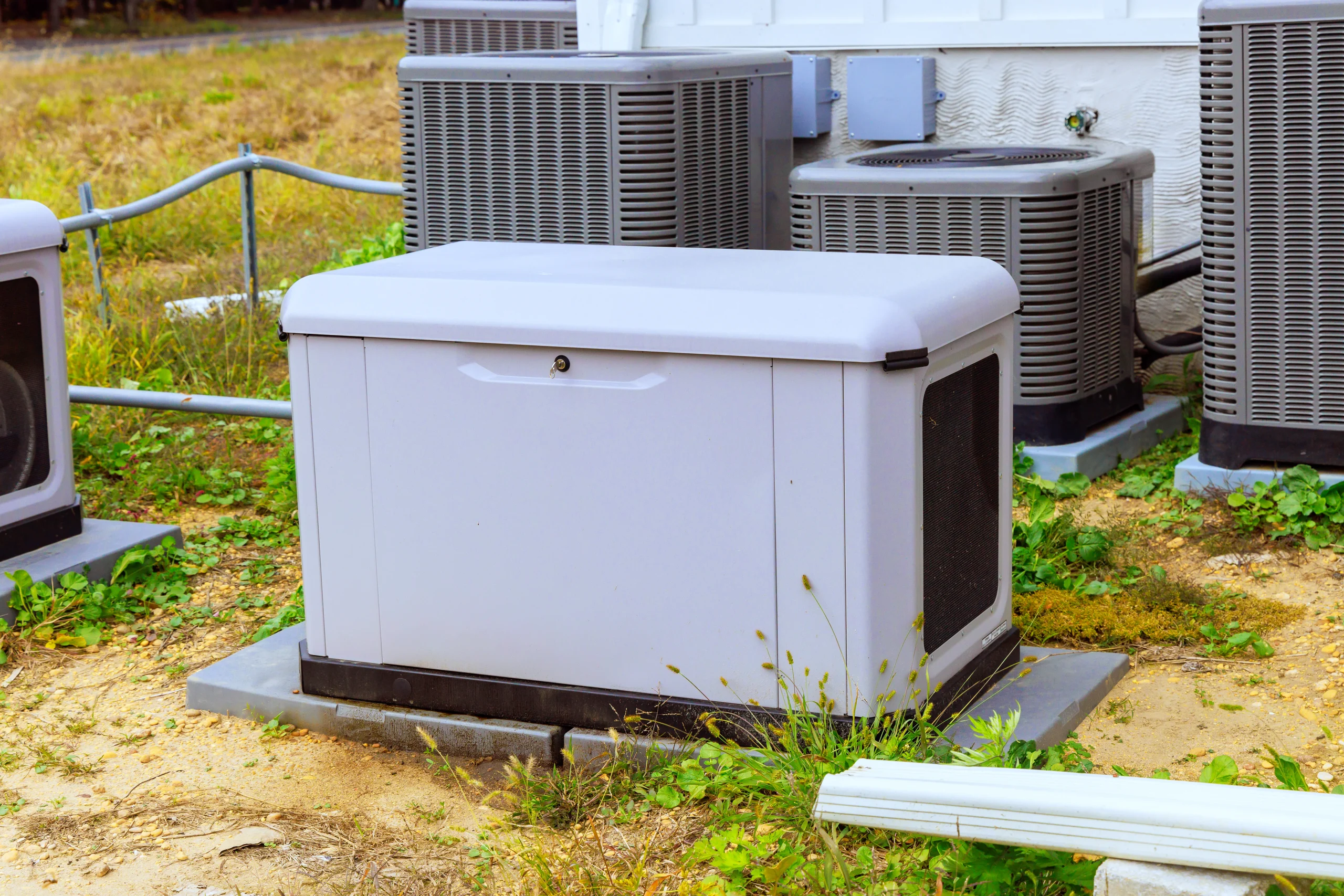
A standby generator sits on a concrete pad near several outdoor air conditioning units, with grass and weeds growing around the area. For installation or service, contact a residential electrician Suffolk County, NY, near this white building.

Whole House Generator Installation Copiague, NY

What Changes After Your Generator Goes In

You stop worrying about the next storm. That’s the short version.

The longer version: your home becomes the one place on the street where life doesn’t stop when PSEG’s grid does. Your heating system keeps running in January. Your refrigerator doesn’t turn into a $2,000 science experiment. Your sump pump doesn’t quit during the exact moment you need it most.

If you work from home, you’re not scrambling to find a coffee shop with WiFi during a Tuesday afternoon outage. If someone in your house uses medical equipment, you’re not making contingency plans every time the forecast looks bad. You’re just home. Protected. Running.

A whole house generator installation in Copiague, NY isn’t about luxury. It’s about not losing a week’s worth of groceries, not dealing with frozen pipes, and not sitting in the dark wondering when the power company will get to your neighborhood. After Hurricane Sandy left over 632,000 Long Islanders without power for two weeks, a lot of people decided they were done waiting on the grid.

Licensed Generator Installers Copiague, NY

We've Been Doing This Since 2004

We’ve been handling electrical work across Suffolk County for over 20 years. We’re based in Bohemia, fully licensed and insured, and we’ve installed backup generators in Copiague homes through summer storms and winter blizzards.

You’re not getting a national franchise or a crew that’s never seen a Long Island electrical panel. You’re getting local electricians who know how PSEG’s infrastructure works, what Copiague’s permit process looks like, and how to size a home standby generator installation for a 1960s-era home without overcomplicating it.

We don’t do surprise bills or vague estimates. You get upfront pricing, a clear timeline, and a 100% satisfaction guarantee on the work. If something goes wrong at 2 a.m., we’re available 24/7 for emergency service—because generators don’t wait for business hours to need attention.

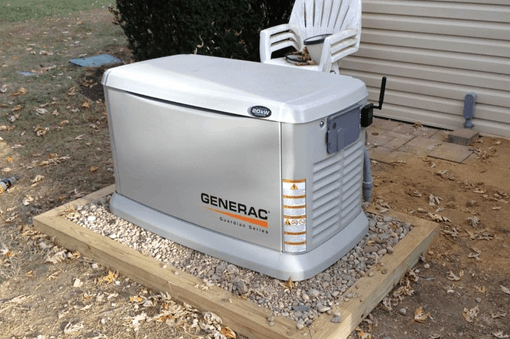
A Generac Guardian Series standby generator, expertly installed by a residential electrician Suffolk County, sits on a gravel platform beside a beige building, with a white plastic chair and scattered leaves nearby.

How Home Standby Generator Installation Works

Here's What Happens From Start to Finish

First, we come out and look at your home. We’re checking your electrical panel, your gas line or propane setup, and where the generator will actually sit. Most Copiague homes can handle a 10-16 kW unit for essential circuits or a 20-22 kW system if you want the whole house covered. We’ll tell you what makes sense based on your square footage and what you actually need to keep running.

Once you approve the estimate, we handle the permits. Then we schedule the install—most jobs take one to three days depending on complexity. We’re connecting the generator to your natural gas line or propane tank, wiring it into your electrical system, and setting up the automatic transfer switch so everything kicks on within seconds of an outage.

After it’s in, we test it. You’ll see it fire up, run through its cycle, and shut down when utility power comes back. We walk you through the basics—what the lights mean, how often it self-tests, and who to call if you ever need service.

That’s it. The next time your power goes out, your generator handles it. You don’t flip a switch or drag anything out of the garage. It just works.

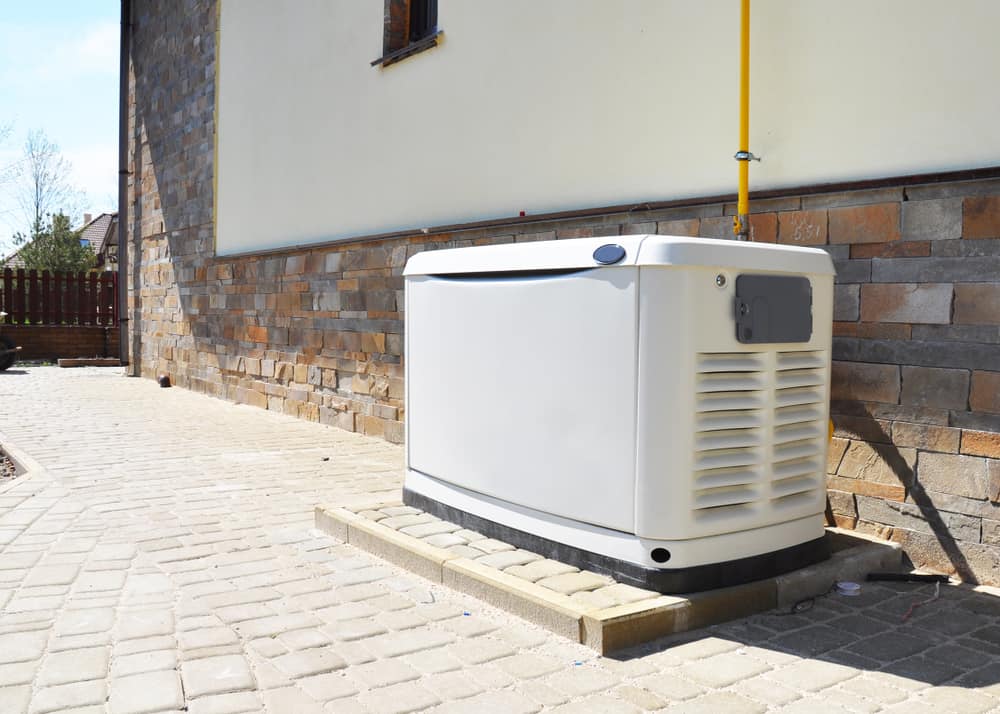
A standby generator is installed on a paved area next to a house with a brick and stone exterior wall; a yellow gas line connects to the unit, professionally set up by a residential electrician Suffolk County, NY.

Explore More Services

About Marra Electric

Backup Generator Installation Copiague, NY

What You're Actually Getting With This Install

We install Generac and Kohler generators—the two brands that dominate the residential standby market for good reason. Generac has the larger service network and costs less upfront, which matters if you want solid protection without overspending. Kohler runs quieter and holds up better in coastal areas, which matters in Copiague where salt air can be tough on equipment.

Your whole house generator installation in Copiague, NY includes the unit itself, the automatic transfer switch, all wiring and connections, gas line or propane hookup, and the concrete pad or mounting platform. We pull the permits, coordinate inspections, and make sure everything is code-compliant before we leave.

Most installed systems run between $7,000 and $20,000 depending on size and complexity. A smaller unit covering your essentials—heat, fridge, a few outlets—starts around $7,000 to $12,000. A larger system that keeps your whole home running typically lands in the $12,000 to $20,000 range. We give you an exact number before any work starts, so you’re never guessing what this will cost.

You’re also getting a system that runs on your existing natural gas line, which means you never run out of fuel. No refilling, no trips to the gas station with jerry cans, no rationing power to make it through the weekend.

A standby generator sits on a concrete pad next to the exterior wall of a white NY house, near some shrubs and a grassy, partly bare yard with trees in the background.

What size generator do I need for my Copiague home?

It depends on what you want to keep running and how big your house is. Most homes in Copiague fall into two categories.

If you just want the essentials—furnace, refrigerator, some lights, a few outlets—a 10-16 kW generator handles that without issue. These units cost less to install and run, and they’re enough to keep your family safe and comfortable during an outage.

If you want everything running like normal—central air, all appliances, every room in the house—you’re looking at a 20-22 kW system. That’s what most people with 2,000+ square foot homes choose when they don’t want to think about what’s on or off during a blackout. We size it based on your actual electrical load, not guesswork.

Most installations take one to three days once permits are approved. The timeline depends on your home’s setup and whether we need to run new gas lines or upgrade your electrical panel.

If your home already has natural gas service and your panel can handle the load, we’re usually done in a day or two. If we’re adding a propane tank, trenching new lines, or dealing with an older electrical system, it might stretch to three days.

Permit approval adds time on the front end—that’s not something we control, but we handle all the paperwork and coordination with the town. Once we’re cleared to start, the actual work moves quickly. You’ll have a working generator before the next storm season hits.

We install both, and we’ll tell you which one makes more sense for your situation. Generac is the more common choice because it costs less upfront and has a huge service network—if something breaks, parts and technicians are easy to find. It also includes free remote monitoring so you can check your generator from your phone.

Kohler costs more but runs quieter and tends to last longer, especially in coastal areas like Copiague where salt air can wear down equipment faster. If you’re in a noise-sensitive neighborhood or you want a generator that’s built to handle Long Island’s weather for 20+ years, Kohler is worth the extra investment.

Both brands are reliable. Both will keep your power on during an outage. We help you pick based on your budget, your property, and how long you plan to stay in the home.

Installed costs typically range from $7,000 to $20,000 depending on the size of the generator and the complexity of your home’s setup. Smaller systems that cover essential circuits—heat, fridge, lights—start around $7,000 to $12,000. Larger units that power your entire home usually run $12,000 to $20,000 or more.

That price includes the generator, the automatic transfer switch, all electrical and gas connections, the concrete pad, permits, and labor. If your electrical panel needs an upgrade or we’re installing a propane tank, that adds to the total.

We give you an upfront estimate before any work starts, so you know exactly what you’re paying. No surprise charges, no hidden fees. Just a clear number based on what your home actually needs.

Most Copiague homes have natural gas service, which is the easiest and most cost-effective fuel source for a standby generator. We connect directly to your existing gas line, and you never have to worry about refueling. The gas company keeps it flowing even during extended outages.

If your home doesn’t have natural gas, we’ll set you up with a propane tank. You’ll need to monitor propane levels and schedule refills, but it’s still a reliable option. Propane tanks are common in areas where natural gas lines don’t reach, and they work just as well for backup power.

Either way, your generator runs automatically when the power goes out. You’re not hauling gas cans or rationing fuel to make it last. It just works.

Your generator detects the outage within seconds and starts automatically. You’ll hear it kick on, and within about 10 to 20 seconds, your home’s power is restored. Lights come back on, your heating or cooling system starts running, and your appliances keep working like nothing happened.

When utility power comes back, the generator senses that too. It switches your home back to the grid and shuts itself down. You don’t touch anything. The whole process is automatic.

The generator also runs a self-test every week or two—usually for about 10 minutes—to make sure it’s ready when you need it. You’ll hear it fire up, run through its cycle, and shut off. That’s normal. It’s just checking itself so it’s ready for the next outage.

Other Services we provide in Copiague