Home Generator Installation in East Quogue, NY

Power On When the Grid Goes Down

Your home stays lit, warm, and protected during outages—automatically, without you lifting a finger or scrambling for a portable generator in the dark.
[Add Trustindex Button Here]
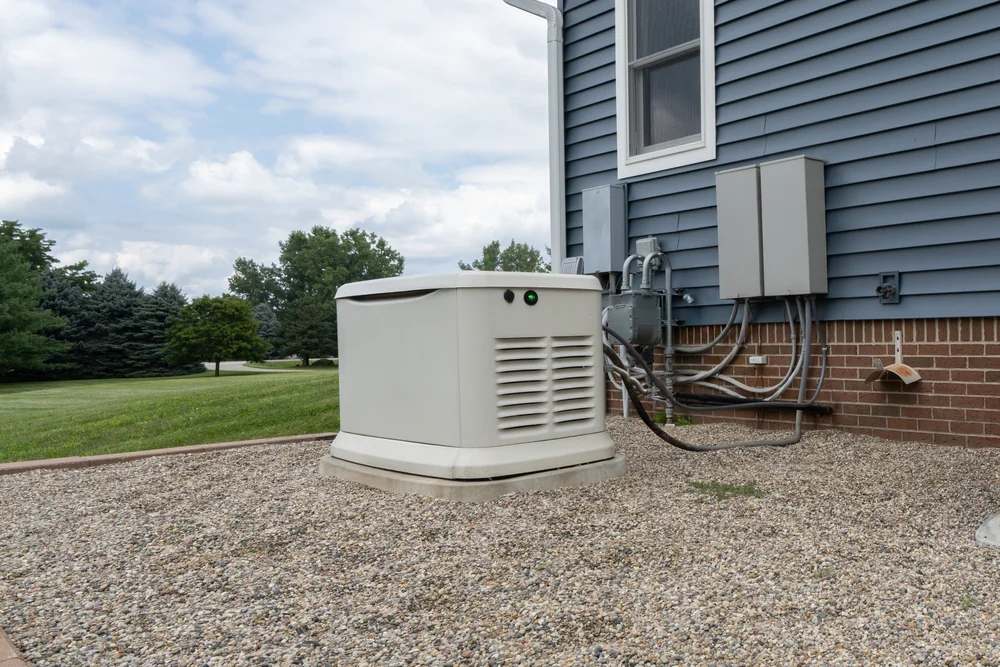
A standby generator sits on a gravel bed beside a blue house with siding in NY. Nearby, a residential electrician Suffolk County has mounted electrical boxes and conduit. Trees and lawn appear in the background under a cloudy sky.
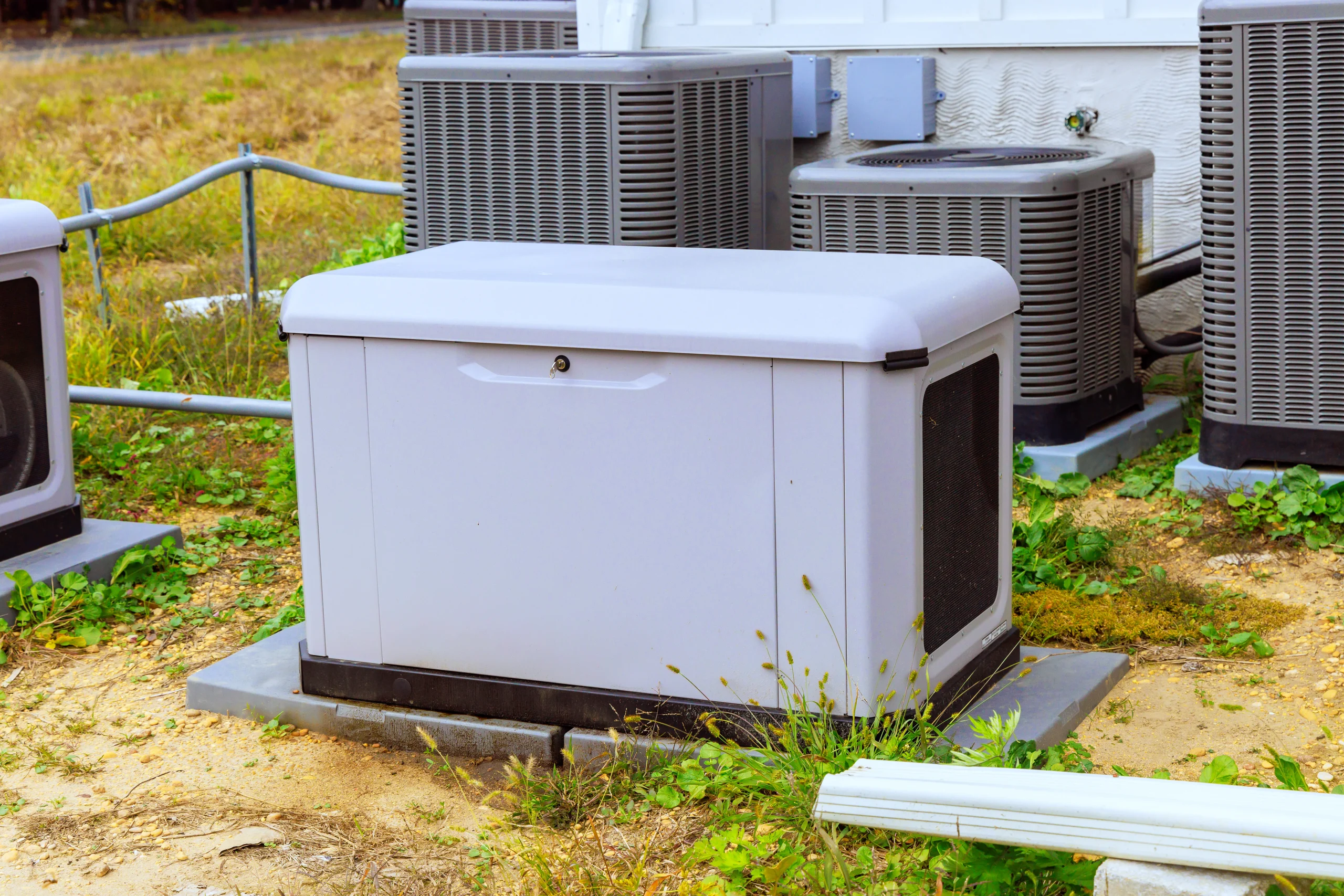
A standby generator sits on a concrete pad near several outdoor air conditioning units, with grass and weeds growing around the area. For installation or service, contact a residential electrician Suffolk County, NY, near this white building.

Whole House Generator Installation East Quogue

What You Get When the Power Cuts Out

Your lights stay on. Your fridge keeps running. Your sump pump doesn’t quit when you need it most.

A whole house generator installation in East Quogue means you’re not throwing out hundreds of dollars in spoiled food after a storm. You’re not dealing with a flooded basement because your sump pump lost power. You’re not packing up your family for an expensive hotel stay or worrying about elderly parents sitting in the dark.

When Hurricane Sandy left over 600,000 Long Island residents without power for weeks, homes with standby generators didn’t just survive—they stayed comfortable. The system kicks on within seconds of an outage, powers your AC or heat, runs major appliances, and keeps your home protected until the grid comes back online.

You don’t flip a switch or drag a generator out of the garage. The automatic transfer switch handles everything while you go about your day.

Licensed Electricians Serving East Quogue, NY

We've Been Doing This Since 2004

We’ve been installing home standby generators across Suffolk County for over 20 years. We’re fully licensed, insured, and we’ve earned the Angie’s List Super Service Award seven years running.

East Quogue sits right in the path of nor’easters and hurricanes that regularly knock out power across the South Fork. We know what homes here face during storm season. We know the local codes, the permit requirements, and how to size a system that actually handles your home’s electrical load.

You get upfront pricing before we start, no surprise bills when we’re done, and a 100% satisfaction guarantee on the work. Our trucks are branded, our electricians show up in uniform, and we’re available 24/7 if something goes wrong.

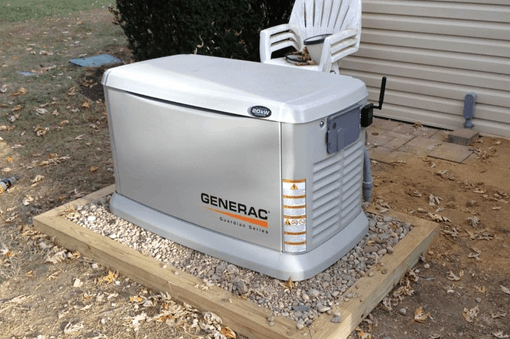
A Generac Guardian Series standby generator, expertly installed by a residential electrician Suffolk County, sits on a gravel platform beside a beige building, with a white plastic chair and scattered leaves nearby.

Home Standby Generator Installation Process

Here's How a Generator Install Actually Works

First, we come out for a free estimate. We’ll look at your electrical panel, figure out what you want to keep running during an outage, and recommend the right size generator—usually somewhere between 7 and 24 kW for most homes in East Quogue.

Once you approve the estimate, we handle the permits and schedule the install. We’ll set the generator on a concrete pad outside your home, run the gas line (natural gas or propane, depending on what you’ve got), and connect it to your electrical panel through an automatic transfer switch. That switch is what makes the whole system work without you doing anything.

We test everything to make sure it kicks on properly, walk you through basic maintenance, and register your equipment. The whole install usually takes one to two days depending on your setup.

After that, the generator runs a self-test every week to make sure it’s ready. When the power goes out, it starts automatically within seconds and keeps running until utility power comes back.

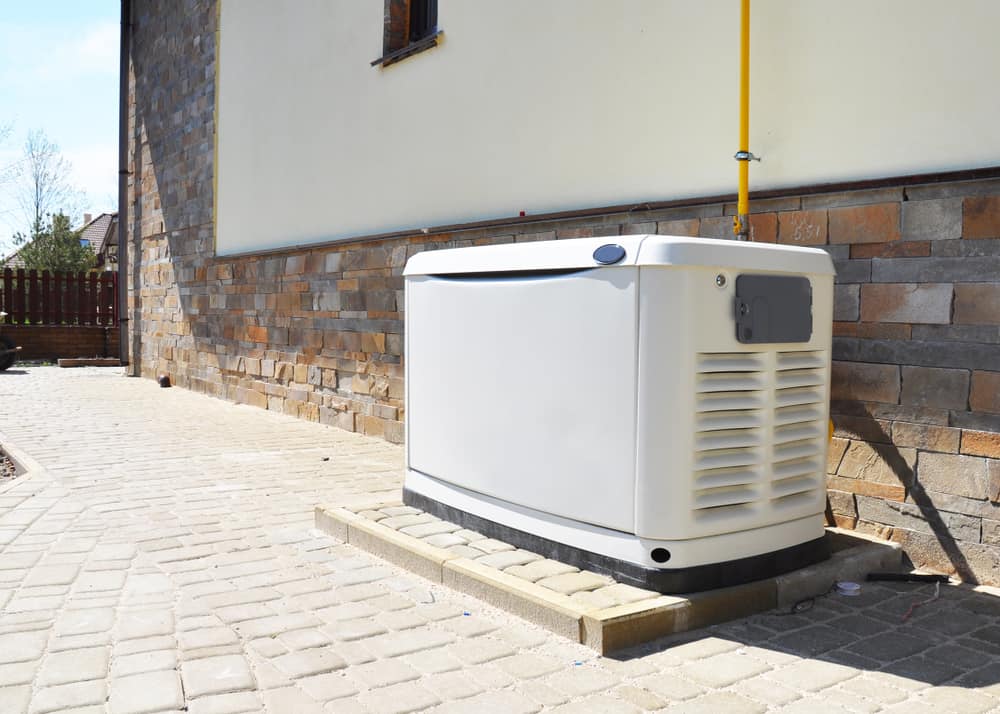
A standby generator is installed on a paved area next to a house with a brick and stone exterior wall; a yellow gas line connects to the unit, professionally set up by a residential electrician Suffolk County, NY.

Explore More Services

About Marra Electric

Backup Generator Installation East Quogue, NY

What's Included in Your Generator Installation

You’re getting a complete system—not just a generator dropped in your yard. That means the generator itself, an automatic transfer switch, a concrete pad for the unit to sit on, all the electrical and gas line work, and the permits required by Suffolk County.

We size the system based on what you actually need. If you want your whole house covered—heat, AC, appliances, outlets—we’ll spec a larger unit. If you just want the essentials like your fridge, sump pump, and a few lights, we can go smaller and save you money.

Most whole house generator installations in East Quogue run between $6,000 and $11,000 depending on the size and complexity. That’s less than what many families spent on hotels, spoiled food, and emergency repairs during a single extended outage. And when you sell, you’re looking at a 3-5% increase in home value—sometimes up to 150% ROI.

Generac is the brand we install most often because they’re reliable, parts are easy to get, and they’re built to handle the kind of weather Suffolk County throws at us. We also service and repair existing systems if yours isn’t running right.

A standby generator sits on a concrete pad next to the exterior wall of a white NY house, near some shrubs and a grassy, partly bare yard with trees in the background.

How long does a home generator installation take in East Quogue?

Most installs take one to two days once permits are in hand. Day one, we set the concrete pad, position the generator, and start the electrical and gas line work. Day two, we finish connections, install the automatic transfer switch, test the system, and make sure everything’s running correctly.

Permitting adds time on the front end—usually a week or two depending on how busy the town is. We handle all of that for you so you’re not dealing with Suffolk County’s building department.

If your electrical panel needs an upgrade to handle the generator load, that adds another day or so to the timeline. We’ll tell you upfront during the estimate if that’s necessary.

It depends on what you want to run during an outage. A 7-10 kW generator handles the essentials—fridge, sump pump, some lights, a few outlets. If you want central air, heat, and all your major appliances running at the same time, you’re looking at 16-24 kW.

We calculate your home’s electrical load during the estimate. We’ll ask what appliances matter most to you, look at your panel, and recommend a size that keeps you comfortable without overpaying for capacity you don’t need.

Most homes in East Quogue end up in the 12-20 kW range. That covers heating and cooling, kitchen appliances, basement pumps, and enough outlets to keep your family comfortable during a multi-day outage.

You’re typically looking at $6,000 to $11,000 for a complete installation. That includes the generator, transfer switch, concrete pad, electrical work, gas line connection, permits, and labor.

Smaller systems on the lower end of that range cover essentials. Larger systems that power your entire home fall on the higher end. If your panel needs upgrading or you’ve got a complicated gas line run, that can add to the cost.

We give you an upfront price during the free estimate—no surprises, no hidden fees. And compared to what you’d spend on one bad outage (hotel rooms, spoiled food, potential water damage), the investment pays for itself faster than you’d think. Plus, it adds real value when you sell.

Yes. Suffolk County requires permits for generator installations because you’re doing electrical work, gas line work, and adding a permanent fixture to your property. The town wants to make sure everything meets code and is installed safely.

We handle the permit process for you. We pull the permits, schedule the inspections, and make sure everything passes. You don’t have to deal with the building department or worry about whether the install is up to code.

Skipping permits is a bad idea. If something goes wrong and your insurance finds out the work wasn’t permitted, they can deny your claim. And if you sell your house, an unpermitted generator can kill the deal or force you to rip it out.

It can, if you size it correctly. A properly sized whole house generator can run your heat or AC, major appliances like your fridge and oven, your sump pump, and your lights all at the same time.

The key is matching the generator’s capacity to your home’s electrical load. If you try to run a 3,000-square-foot home with central air on a 10 kW generator, it’s not going to cut it. But a 20 kW system? No problem.

During the estimate, we calculate what your home actually pulls during peak usage and recommend a generator that handles it. Most families don’t need to power every single outlet and appliance—just the stuff that keeps you safe and comfortable. We’ll help you figure out what that looks like for your home.

You should have your generator serviced once a year, usually in the fall before storm season hits. That service includes changing the oil and air filter, checking the battery, inspecting the fuel lines, and running the system to make sure everything works.

The generator runs a self-test every week on its own—usually for about 10-15 minutes. That keeps the engine in good shape and makes sure it’s ready when you need it. You don’t have to do anything for those tests.

If you skip maintenance, you risk the generator failing during an outage. Batteries die, oil breaks down, and small issues turn into expensive repairs. An annual service visit costs a few hundred bucks and keeps your system reliable for 20+ years.

Other Services we provide in East Quogue