You’re not sitting in the dark wondering when PSEG will restore service. Your heating system keeps running, your sump pump stays active, and your refrigerator doesn’t turn into a $400 loss every time a Nor’easter rolls through.
When storms knock out power across Suffolk County, your home operates like nothing happened. The generator kicks on within seconds. You might not even notice the switch.
That means no frozen pipes in winter. No flooded basement during spring storms. No spoiled food, no cold showers, no packing up the family for an expensive hotel stay. Your security system stays armed, your medical equipment keeps working, and you can actually sleep knowing your home is protected.
Fort Salonga sees its share of severe weather. Wind gusts over 70 mph aren’t rare here. Trees come down, power lines fail, and outages stretch from hours into days. A whole house generator installation in Fort Salonga isn’t about convenience anymore—it’s about protecting your property and your family when the grid can’t keep up.
We’ve been handling electrical work in Fort Salonga since 2004. We’re not a national franchise that showed up last year. We’re the local contractor who knows Suffolk County’s weather patterns, building codes, and what actually holds up during a major storm.
Our electricians are fully licensed and insured. Every home standby generator installation in Fort Salonga gets permitted, inspected, and done right the first time. You get upfront pricing before we start, no surprise bills when we finish.
We’ve earned the Angie’s List Super Service Award seven years running because we show up on time, communicate clearly, and stand behind our work with a 100% satisfaction guarantee. When you need a backup generator installation in Fort Salonga, you’re hiring people who’ve done this hundreds of times and know exactly what your home needs.
First, we come to your Fort Salonga property for a free estimate. We’ll look at your electrical panel, check your available fuel source—natural gas or propane—and figure out the right size generator for your home. Not every house needs the same system, and oversizing costs you money you don’t need to spend.
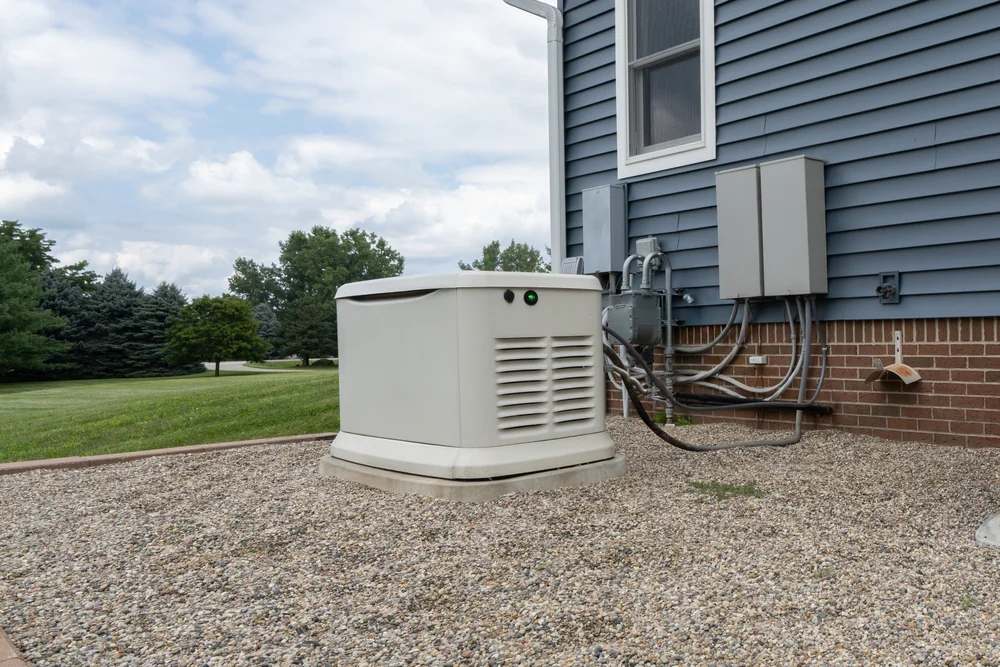
Once you approve the estimate, we handle the permits and schedule the installation. Our team shows up in company vehicles, sets the generator on a concrete pad near your home, and connects it to your electrical panel through an automatic transfer switch. That switch is what makes the whole system work—it detects when grid power fails and switches your home to generator power in under 10 seconds.
We also run the fuel line, whether that’s tapping into your existing natural gas service or connecting to your propane tank. Everything gets tested before we leave. You’ll see the generator start up, take over your electrical load, and switch back when we simulate normal power returning.
The whole house generator installation in Fort Salonga typically takes one to two days depending on your setup. After final inspection and approval, you’ve got a system that’ll run for days or even weeks during extended outages. We’ll walk you through basic operation and maintenance before we’re done.
Ready to get started?
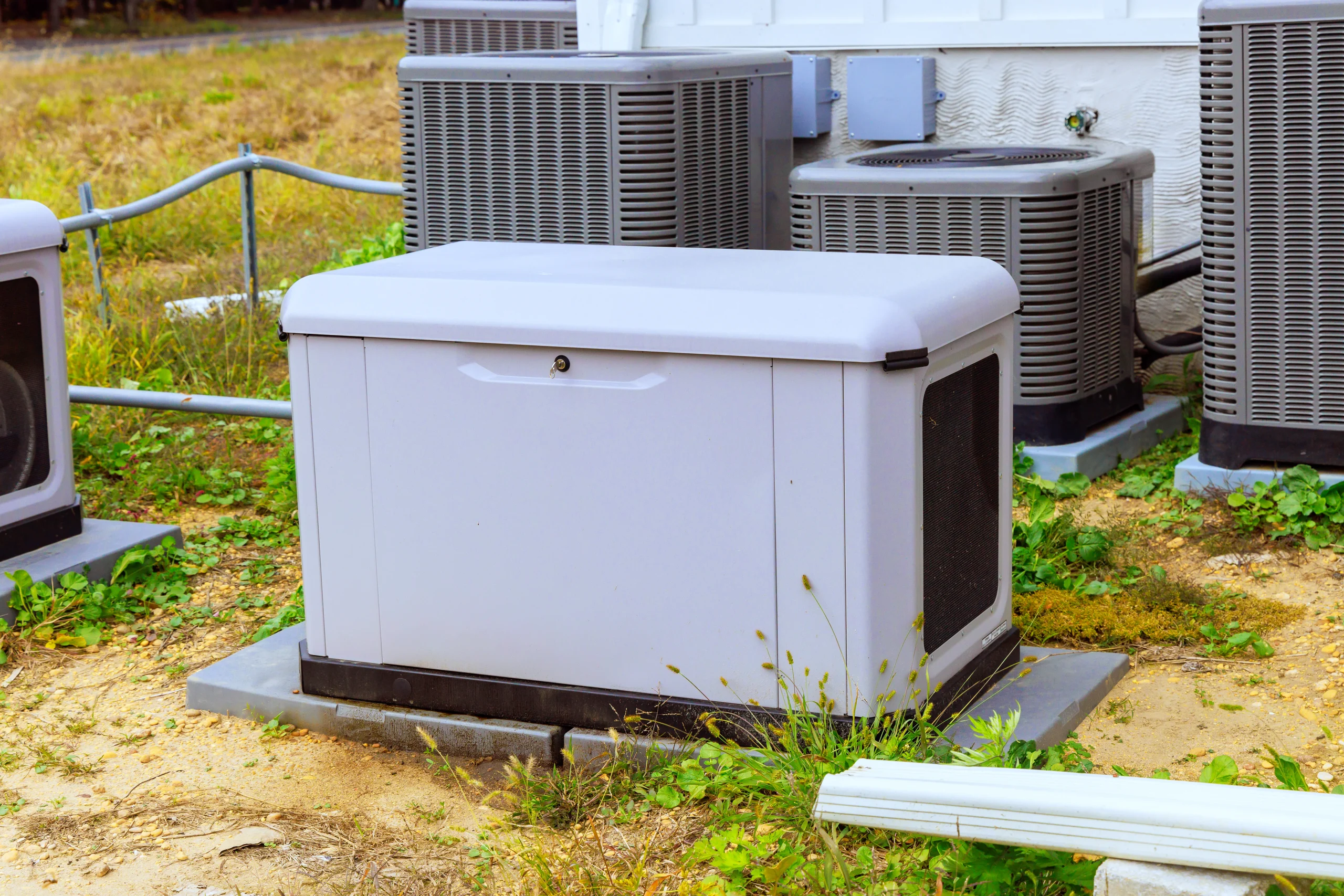
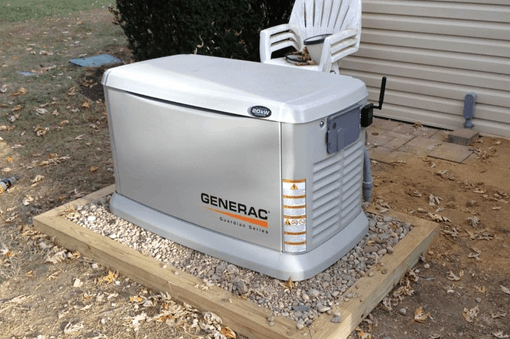
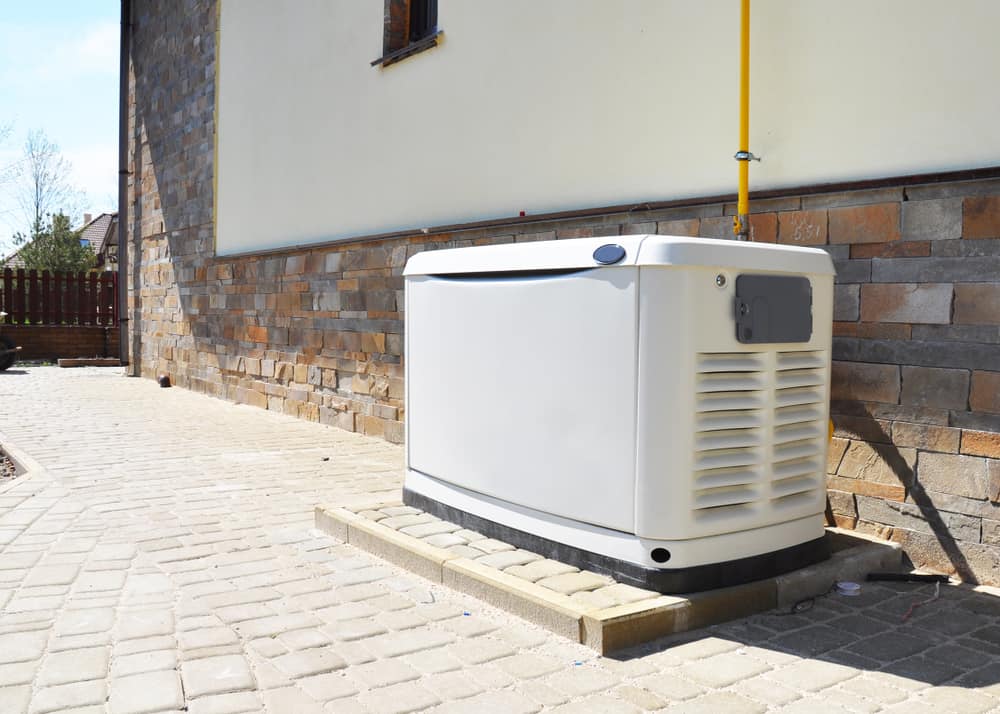
Your home standby generator installation in Fort Salonga includes the generator unit itself—usually a Generac system sized to your home’s electrical load. These aren’t portable units you wheel out of the garage. They’re permanent installations that sit outside your home on a concrete pad and connect directly to your electrical system.
You get the automatic transfer switch that makes everything work without you lifting a finger. When power fails, the switch detects it and signals the generator to start. When grid power returns, it switches back and shuts the generator down. You don’t flip breakers or run extension cords.
The installation covers all electrical connections, fuel line hookup to natural gas or propane, proper permitting through local authorities, and final inspection. In Fort Salonga, where median home values hit $843,000, you’re protecting serious assets. A properly installed backup generator system adds 3-5% to your property value while eliminating the risk of damage from extended outages.
Suffolk County’s coastal location means you face hurricane risk, Nor’easters, and severe thunderstorms that regularly knock out power. PSEG is working on grid improvements, but even their “Power On” storm hardening program can’t prevent every outage. Your Generac whole house generator in Fort Salonga gives you independence from utility timelines and weather forecasts.
Most whole house generator installations in Fort Salonga run between $6,000 and $11,000 total. That includes the generator unit, automatic transfer switch, installation labor, concrete pad, fuel line connection, permits, and inspection.
The generator itself typically costs $2,000 to $5,000 depending on size. A 7-10 kW unit handles essential circuits. A 20-24 kW system can run your entire home including central air. Installation labor adds another $3,000 to $5,000 depending on how far the generator sits from your electrical panel and fuel source.
Natural gas hookups are usually simpler than propane since most Fort Salonga homes already have gas service. If you’re on propane, you might need a larger tank to support the generator during extended outages. We give you an exact price during the free estimate—no guessing, no ranges, just a real number based on your specific property.
A Generac whole house generator connected to natural gas can run indefinitely as long as gas service continues. Natural gas lines typically stay active even when electrical lines fail, so your generator keeps running until grid power returns—whether that’s hours, days, or weeks.
Propane systems depend on tank size. A 500-gallon propane tank running a 20 kW generator at half load will give you roughly 6-7 days of continuous operation. Most outages in Suffolk County don’t last that long, but if you’re concerned about extended events, a larger propane tank solves it.
The generator itself is designed for long-duration operation. Generac builds these systems to handle the load. They’re not like portable generators that overheat after a few hours. Your whole house generator in Fort Salonga will keep running as long as it has fuel, and it shuts down automatically when utility power comes back.
Yes, you need permits for generator installation in Fort Salonga. This isn’t optional. Any permanent electrical work and fuel line connection requires proper permitting through local authorities, and the work has to pass inspection.
We handle all of that. When you hire us for your home standby generator installation in Fort Salonga, we pull the permits, schedule inspections, and make sure everything meets New York State electrical code and local requirements. You don’t deal with the town building department—we do.
Skipping permits creates problems when you sell your home or file an insurance claim. Unpermitted electrical work can void your homeowner’s insurance if something goes wrong. It’s not worth the risk. Licensed contractors permit the work because that’s how you protect yourself legally and ensure the installation is actually safe.
Real estate data shows that home standby generators increase property values by 3-5% on average. In Fort Salonga, where the median home value is $843,000, that’s a potential increase of $25,000 to $42,000. Some installations return up to 150% of the initial investment when you sell.
Buyers in areas with frequent power outages specifically look for homes with backup power. It’s a selling point that separates your property from others on the market. When a buyer sees a whole house generator already installed, they know they won’t face that $6,000-$11,000 expense themselves.
Beyond resale value, you’re protecting the home you already own. One major outage without a generator can cost you thousands in spoiled food, hotel stays, and potential damage from failed sump pumps or frozen pipes. The generator pays for itself by preventing losses you’d otherwise eat during the next big storm.
Most Fort Salonga homes need between 15 kW and 24 kW to run the whole house comfortably during an outage. That covers your heating or cooling system, refrigerator, lights, outlets, and essential appliances without overloading the generator.
The exact size depends on your electrical panel’s total load and what you want running during an outage. If you only need essentials—heat, refrigerator, some lights, and outlets—a 10-12 kW unit might work. If you want central air conditioning, electric range, and everything else operating normally, you’re looking at 20 kW or higher.
We calculate the right size during your free estimate by looking at your panel and asking what matters most to you. Undersizing means you can’t run everything. Oversizing wastes money on capacity you’ll never use. The goal is matching the generator to your actual needs so you get reliable backup power without overpaying for equipment you don’t need.
Your home standby generator needs professional maintenance once a year. That service includes oil and filter changes, battery check, air filter replacement, and a full system test to make sure it’ll start when you actually need it.
Generac generators also run a self-test every week for a few minutes. You’ll hear it kick on, run briefly, then shut down. That automatic test keeps the engine components lubricated and ensures the battery stays charged. You don’t have to do anything—the generator handles it.
Annual maintenance typically costs $150-$300 depending on what needs replacing. That’s cheap insurance compared to a generator that fails during a major storm because nobody changed the oil in three years. Regular service catches small problems before they become expensive failures, and it keeps your warranty valid if something does go wrong.
Other Services we provide in Fort Salonga