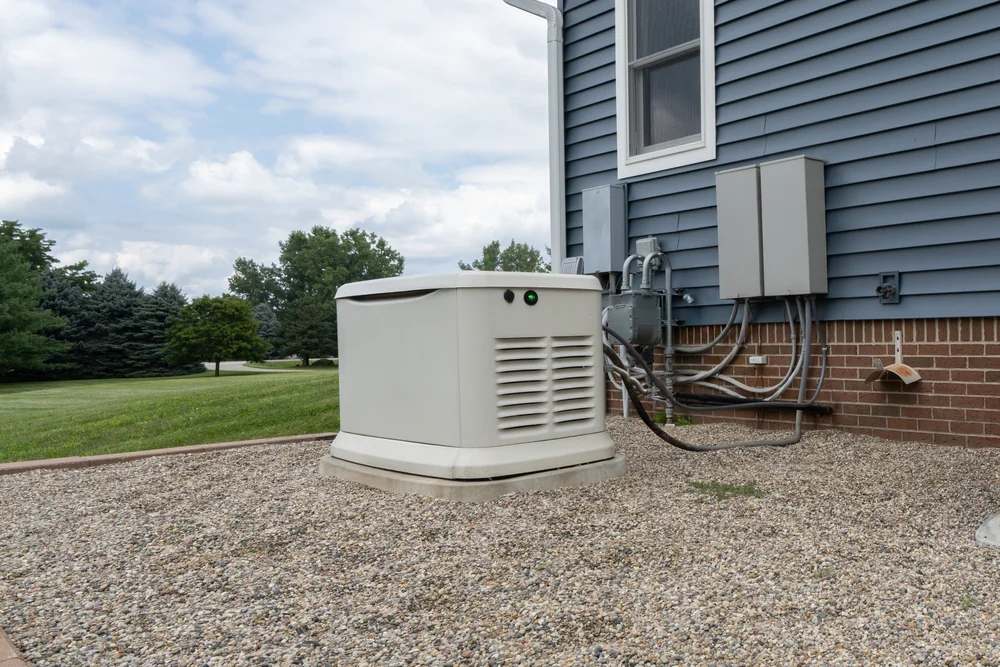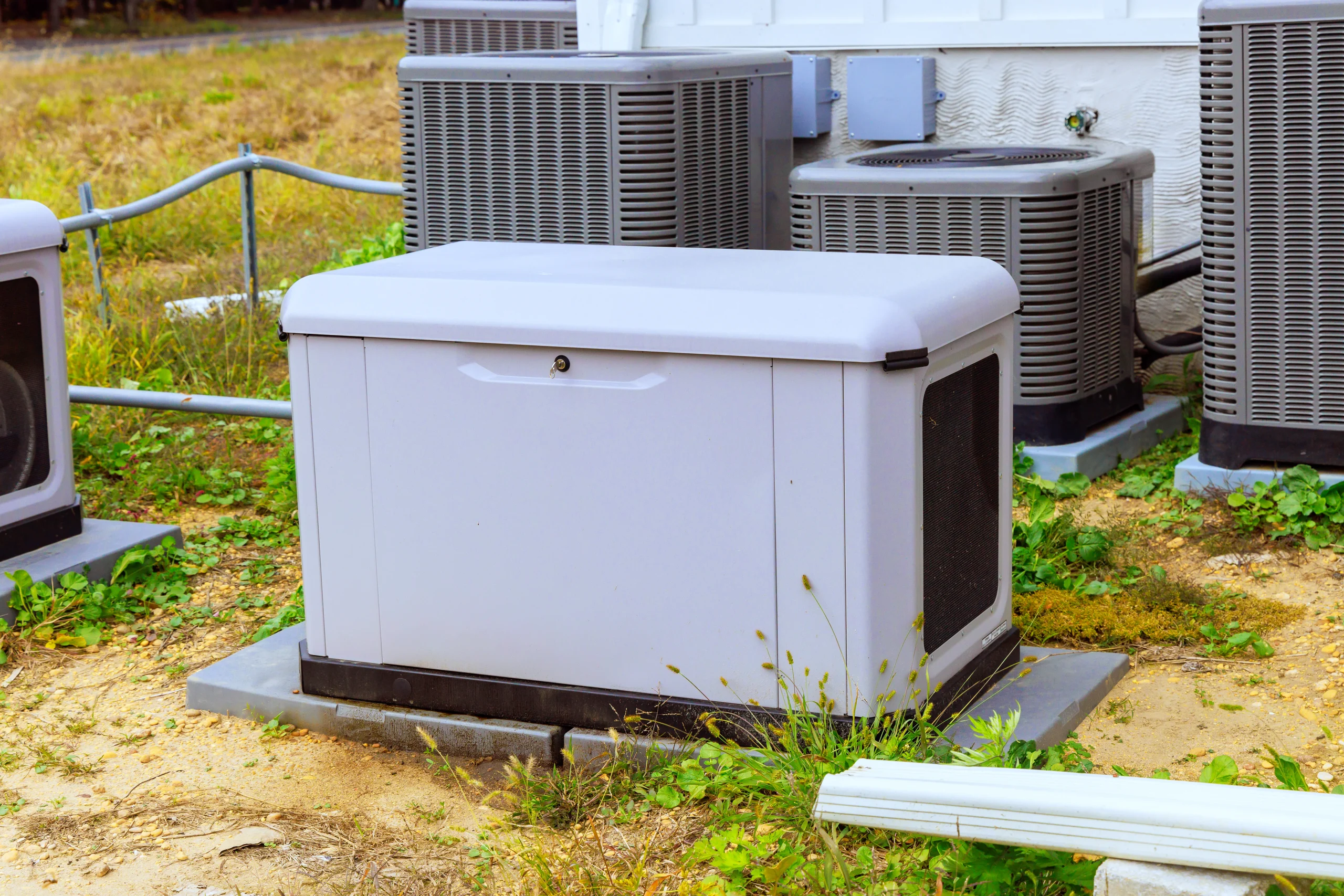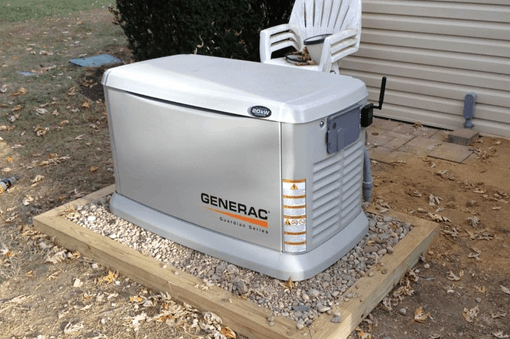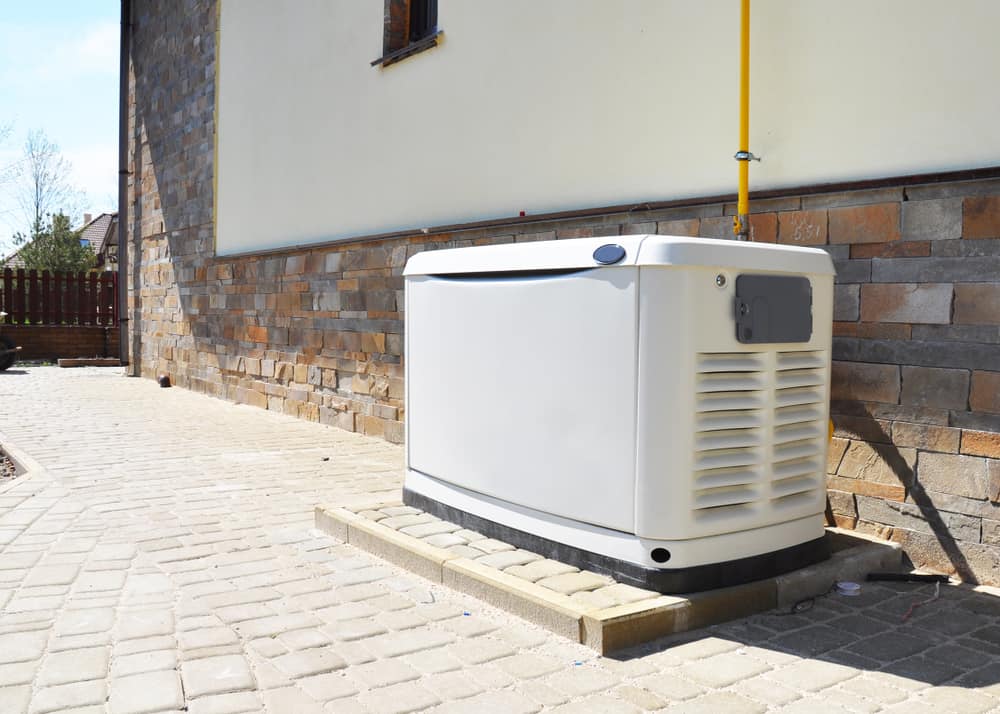
You’re not scrambling for gas in the dark. You’re not running extension cords through windows or losing a freezer full of food because the power’s been out for three days.
A home standby generator installation in Huntington Station, NY means your lights, heat, refrigerator, and AC stay on when everyone else’s goes off. The system detects the outage within seconds and switches over automatically. No manual start. No fuel runs during a storm. Just uninterrupted power while you wait for PSEG to catch up.
If you’ve sat through a multi-day outage after a nor’easter or hurricane—or watched your neighbors pack up for a hotel—you know what this solves. It’s not about convenience. It’s about not dealing with the mess that comes when your home goes offline for 48 hours or more.
We’ve handled electrical work across Suffolk County for over 20 years. We’re licensed, insured, and we’ve installed backup generator systems in Huntington Station homes that deal with the same weather patterns and grid vulnerabilities you do.
We don’t subcontract generator installs. Our electricians pull permits, connect fuel lines, wire transfer switches, and make sure your system is code-compliant and ready before we leave. You get upfront pricing, no surprise charges, and a team that shows up in branded trucks because we’re not hiding who we are.
Huntington Station sits in one of the hardest-hit areas when storms roll through Long Island. PSEG’s infrastructure here has been tested repeatedly, and homeowners have learned the hard way that outages aren’t quick fixes anymore. That’s why whole home generator installation has become one of the most common upgrades we’re called for in this area.
We start with a site evaluation at your Huntington Station property. That means looking at your electrical panel, determining load requirements, checking fuel access, and figuring out where the generator will sit. Most homes here need between 16kW and 22kW to cover essentials plus central air, but we size it based on your actual usage.
Once you approve the estimate, we handle the permits through the Town of Huntington. Then we install the generator pad, run the fuel line (usually natural gas or propane), mount the unit, and wire the automatic transfer switch into your panel. The transfer switch is what makes the system automatic—it monitors utility power and switches to generator power the moment it senses an outage.
After installation, we test the system under load to make sure everything transfers correctly. You’ll get a walkthrough of the controls and maintenance schedule. The generator runs a self-test every week to keep itself ready. When the power goes out, it kicks on within 10 seconds. When PSEG restores service, it switches back and shuts down. You don’t touch anything.
Ready to get started?
A complete home standby generator installation in Huntington Station, NY includes the generator unit, automatic transfer switch, concrete pad or mounting platform, fuel line connection, electrical wiring to your panel, and all permits. We typically install Generac whole house generators because they’re reliable, parts are available locally, and they’re backed by solid warranties.
The whole house generator cost depends on size and fuel type. A 16kW unit that covers your essentials and some large appliances runs differently than a 24kW system that powers everything including multiple AC zones. Natural gas units connect to your existing line if you have one. Propane systems require a tank—either your current one if it’s large enough, or a new one sized for extended runtime.
Installation timelines in Huntington Station usually run one to two days depending on complexity. If you need a new propane tank or significant electrical panel work, that adds time. We coordinate inspections with the town and make sure you’re operational before we consider the job done. You’ll also get startup documentation and warranty registration so you’re covered if anything needs service down the road.
A home standby generator connected to natural gas can run indefinitely as long as the gas supply holds. Natural gas service rarely goes down during storms, so your generator keeps running until PSEG restores power—whether that’s six hours or six days.
Propane systems depend on tank size. A 250-gallon propane tank running a 20kW generator under moderate load typically lasts four to seven days. A 500-gallon tank doubles that. Most Huntington Station homes with propane either already have larger tanks for heating or add capacity during the generator install to ensure multi-day runtime.
The generator doesn’t run at full capacity the entire time. It adjusts output based on what’s actually drawing power in your home. If you’re just running the fridge, some lights, and the heating system, fuel consumption stays low. When the AC kicks on or you’re using multiple appliances, consumption increases. Either way, you’re covered for the kind of extended outages Suffolk County sees during major storms.
Most homes in Huntington Station need a generator between 16kW and 24kW. The right size depends on what you want to keep running and how your home is set up. If you’re covering essentials—refrigerator, freezer, heating system, lights, and a few outlets—a 16kW unit usually handles it.
If you want whole-home coverage including central air conditioning, multiple bathrooms, kitchen appliances, and no restrictions on what you use during an outage, you’re looking at 20kW to 24kW. Homes with two AC zones, electric dryers, or well pumps often need the higher end of that range.
We calculate load requirements during the site visit by reviewing your panel and asking what you can’t live without during an outage. Undersizing a generator means choosing what stays off. Oversizing wastes money upfront and on fuel. The goal is to match capacity to your actual needs so the system runs efficiently and covers what matters most to your household.
Backup generator installation in Huntington Station typically runs between $8,000 and $18,000 depending on generator size, fuel type, and site conditions. A 16kW natural gas unit on the lower end. A 24kW propane system with a new tank and complex electrical work lands on the higher end.
The generator itself is the largest cost, followed by the automatic transfer switch and labor. If your electrical panel needs an upgrade to handle the transfer switch safely, that adds to the total. Propane installations cost more than natural gas because of tank and line requirements. Difficult site access or the need for extensive concrete work can also increase price.
We provide upfront pricing after the site evaluation so you know exactly what you’re paying before work starts. There’s no markup surprises or hidden fees. The estimate includes equipment, installation labor, permits, and startup. If your project needs something outside the original scope, we discuss it before proceeding. You’re not getting a bill that’s different from what we quoted.
Yes. The Town of Huntington requires permits for home generator installation because the work involves electrical connections, fuel lines, and equipment that has to meet state and local code. We pull the permits as part of the installation process and coordinate inspections with the town.
The permit process covers the electrical work, fuel line installation, and generator placement. Inspectors verify that the automatic transfer switch is wired correctly, the generator is positioned according to setback requirements, and fuel connections meet safety standards. This protects you and ensures the system is legal and insurable.
Some homeowners try to skip permits or hire unlicensed contractors who avoid the process. That creates problems when you sell the house, file an insurance claim, or need service work later. Permitted installations come with a paper trail that proves the work was done right. We handle the permitting because it’s part of doing the job correctly, and it keeps you covered if anything ever comes up.
Standby generators need professional maintenance once a year. That service includes changing the oil and filter, replacing the air filter, checking the battery, inspecting fuel lines and connections, and running the system under load to make sure everything transfers properly.
The generator runs a self-test every week for about 10 to 15 minutes. That keeps the engine lubricated, charges the battery, and confirms the system is ready to go when you need it. You’ll hear it run—it’s not loud, but it’s noticeable. These self-tests don’t require anything from you. The generator handles it automatically.
Annual maintenance isn’t optional if you want the system to work when the power goes out. Generators that sit without service develop fuel issues, battery problems, or transfer switch failures. A maintenance plan with a licensed electrician catches those issues before they leave you without backup power during a storm. We offer maintenance services for the systems we install and can service generators installed by other contractors if needed.
Yes. A whole home generator installation adds value to your property, especially in areas like Huntington Station where power outages are a known issue. Buyers in Suffolk County understand the risk of extended outages and see a permanently installed generator as a major upgrade.
The exact value increase depends on the system size and your home’s overall price point, but real estate professionals consistently note that homes with standby generators sell faster and often command higher offers than comparable homes without them. It’s viewed similarly to a new roof or upgraded HVAC—something that reduces buyer concern and adds functional value.
Beyond resale value, the generator protects your home while you live in it. You’re not losing hundreds of dollars in spoiled food, paying for hotel stays, or dealing with frozen pipes because the heat went out. That return on investment starts the first time the power goes out and your house stays running. When you eventually sell, the system transfers to the new owner and becomes a selling point your real estate agent will use.
Other Services we provide in Huntington Station