You’re not losing a few hours of TV time during an outage. You’re dealing with spoiled food, no heat in winter, medical equipment going dark, and a house that feels unsafe.
A home standby generator installation changes that. When the power drops, your generator kicks on automatically within seconds. Your refrigerator keeps running. Your heating system works. Your security stays active. You’re not scrambling for flashlights or wondering how long this one will last.
Montauk sits right on the Atlantic, which means you know exactly what fall hurricanes and winter storms do to the grid. PSEG reported 928 customers without power in Montauk during recent storms. That’s not rare. That’s routine. And every outage costs you time, money, and stress you shouldn’t have to deal with.
Backup generator installation in Montauk, NY isn’t about luxury. It’s about keeping your home functional when everyone else is sitting in the dark.
We’ve been handling electrical work across Suffolk County for over 20 years. We’re fully licensed, insured, and we’ve installed generators in homes just like yours throughout Montauk and the surrounding area.
You’re not getting a sales pitch from someone who doesn’t understand coastal living. We know what salt air does to equipment. We know how Montauk’s grid behaves during storms. We know the permitting process, the code requirements, and how to size a system that actually covers your home’s load.
We’ve earned the Angie’s List Super Service Award seven years running because we show up on time, give you upfront pricing, and finish the job right. No surprises. No runarounds. Just professional work from electricians who know what they’re doing.
First, we come to your property and assess your electrical panel, your power needs, and where the generator will sit. You tell us what you need to keep running during an outage. We calculate the load and recommend the right size unit.
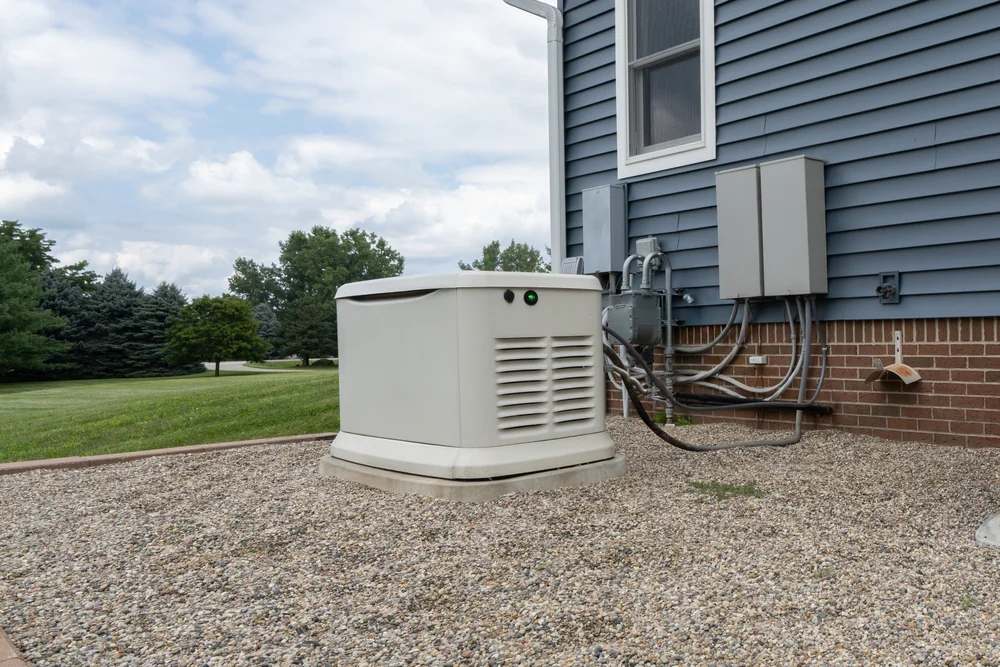
Once you approve the estimate, we handle the permits and schedule the installation. We install the generator pad, run the fuel line (natural gas or propane, depending on your setup), and connect the automatic transfer switch to your electrical panel. That switch is what detects the outage and signals your generator to start.
After everything’s wired and tested, we walk you through how the system works. You don’t need to do anything when the power goes out. The generator senses it, fires up, and takes over. When grid power returns, it switches back and shuts down automatically.
The whole process typically takes one to two days depending on your home’s setup. You get a system that’s permitted, inspected, and ready to protect your home the next time a storm rolls through.
Ready to get started?
A whole house generator installation in Montauk, NY includes more than just the unit itself. You’re paying for the generator, the automatic transfer switch, the installation labor, permits, fuel line connection, and a concrete pad or mounting platform.
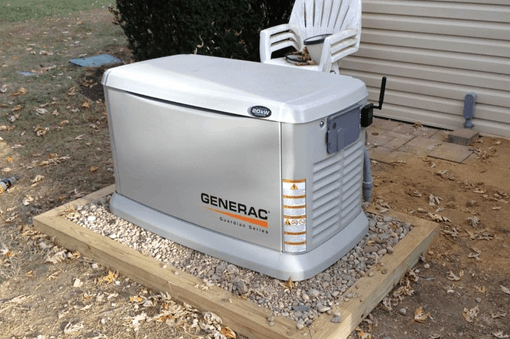
Costs vary based on the size of your home and how much of it you want to power. A smaller unit that covers essentials like your fridge, heating system, and a few outlets runs less than a larger Generac whole house generator that powers everything including central air and your entire lighting system. Most Montauk homeowners invest between $8,000 and $15,000 for a complete installation.
That might sound steep until you consider what you’re avoiding. One extended outage can cost you $500+ in spoiled food alone. If you run a business from home or depend on medical equipment, the cost of not having power is significantly higher. Many homeowners see ROI within three to seven years, and a professionally installed standby system can increase your property value by 3% to 5%.
Financing options are available if you’d rather spread the cost out. Some homeowners pay as little as $109 per month. And many insurance companies offer premium discounts when you have a permanently installed backup system, which helps offset the investment over time.
Most whole house generator installations in Montauk, NY take one to two days from start to finish. That includes setting the concrete pad, running the fuel line, installing the automatic transfer switch, wiring everything to your electrical panel, and testing the system.
The timeline can stretch a bit if we’re upgrading your electrical panel at the same time or if permitting takes longer than usual. Weather can also delay outdoor work, especially during winter months when concrete curing times are longer.
Once the generator is installed and inspected, it’s ready to go. You don’t need to wait weeks to have backup power. The system is live as soon as we finish testing and walk you through the controls.
The size you need depends on what you want to keep running during an outage. If you only care about essentials like your refrigerator, heating system, a few lights, and outlets for charging devices, a smaller 10kW to 14kW unit usually handles it.
If you want your entire home powered including central air conditioning, all your appliances, and every outlet, you’re looking at a 20kW to 24kW generator or larger. Homes with electric heating, well pumps, or multiple HVAC zones often need more capacity.
We calculate your home’s electrical load during the estimate. That means looking at your panel, understanding what circuits you prioritize, and sizing the generator so it can handle the startup surge when motors kick on. Undersizing a generator is a waste of money. Oversizing it costs you more upfront without adding real value. We match the unit to your actual needs.
Yes. Any permanent home standby generator installation in Montauk, NY requires a permit from the local building department. That permit ensures the installation meets electrical code, fire safety standards, and zoning requirements for setback distances from property lines and structures.
We handle the permitting process as part of the installation. You don’t need to visit town hall or figure out what forms to file. We pull the permit, schedule the inspection, and make sure everything passes before we consider the job complete.
Skipping the permit might seem like a shortcut, but it creates problems when you sell your home or file an insurance claim. Unpermitted work can void your homeowner’s insurance and tank your property value. It’s not worth the risk, and it’s not how we operate.
A portable generator requires you to haul it out of storage, fill it with gas, run extension cords through your house, and manually start it every time the power goes out. It’s loud, it produces exhaust you need to keep away from windows, and it only powers whatever you plug into it.
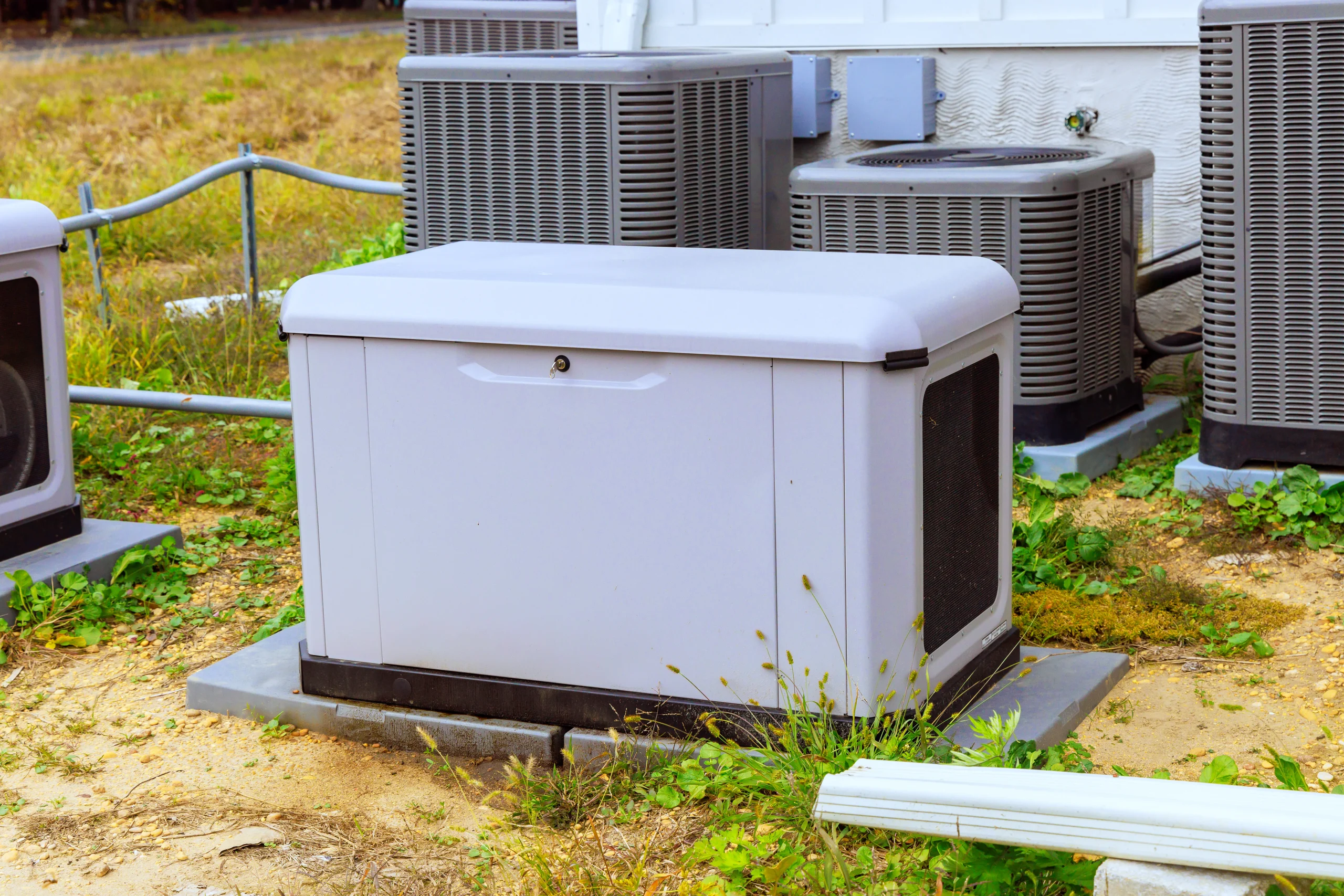
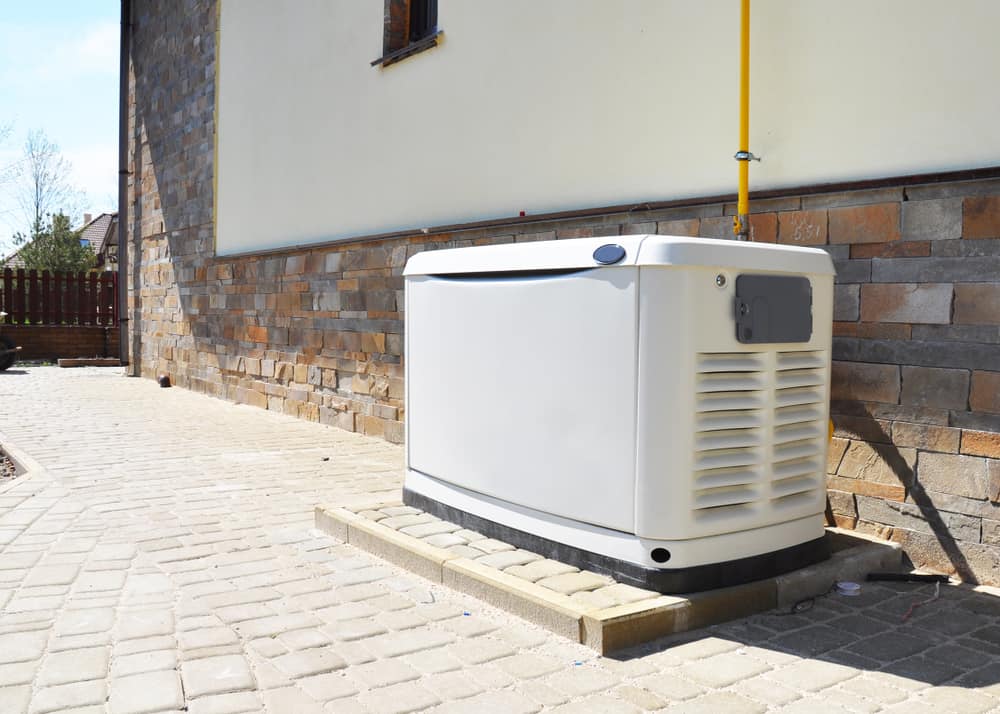
A whole house standby generator sits outside permanently, connects to your home’s natural gas or propane line, and starts automatically when it detects an outage. You don’t touch anything. It powers your home through your existing electrical panel, so every outlet and appliance works like normal.
Portable units make sense for occasional camping trips or job sites. They don’t make sense for Montauk homeowners who face regular storm-related outages and want reliable, automatic backup power. Standby generators are designed to run for days or even weeks if needed. Portable generators aren’t built for that kind of extended use, and you’ll burn through fuel constantly trying to keep one running.
Your home standby generator should be serviced once a year, typically in the spring before storm season ramps up. Maintenance includes changing the oil and filters, checking the battery, inspecting the fuel lines, and running the system under load to make sure everything operates correctly.
Montauk’s coastal environment is harder on equipment than inland locations. Salt air accelerates corrosion, so keeping up with maintenance isn’t optional if you want your generator to fire up when you need it. Most manufacturers require annual service to keep the warranty valid.
You can handle basic checks yourself, like making sure the unit isn’t blocked by debris and confirming it runs during its weekly self-test. But the detailed maintenance should be done by a licensed electrician who knows generators. We offer service plans that take care of it for you so you’re not trying to remember when the last oil change happened.
Yes. A professionally installed whole house generator typically increases property value by 3% to 5%. For a $750,000 home in Montauk, that’s $22,500 to $37,500 in added value.
Buyers in coastal areas specifically look for homes with backup power because they know outages are common. A generator is a selling point that sets your property apart, especially for buyers who work from home, have medical needs, or simply don’t want to deal with the hassle of losing power during storms.
Beyond resale value, many insurance companies offer premium discounts of 3% to 7% for homes with permanently installed standby systems. That’s real money back every year, and it helps offset the upfront cost of the installation. You’re not just buying peace of mind. You’re making a financial decision that pays you back multiple ways.
Other Services we provide in Montauk