Home Generator Installation in North Lindenhurst, NY

Power Stays On When the Grid Goes Down

Automatic backup power for your North Lindenhurst home—installed right the first time, with upfront pricing and zero surprises.
[Add Trustindex Button Here]
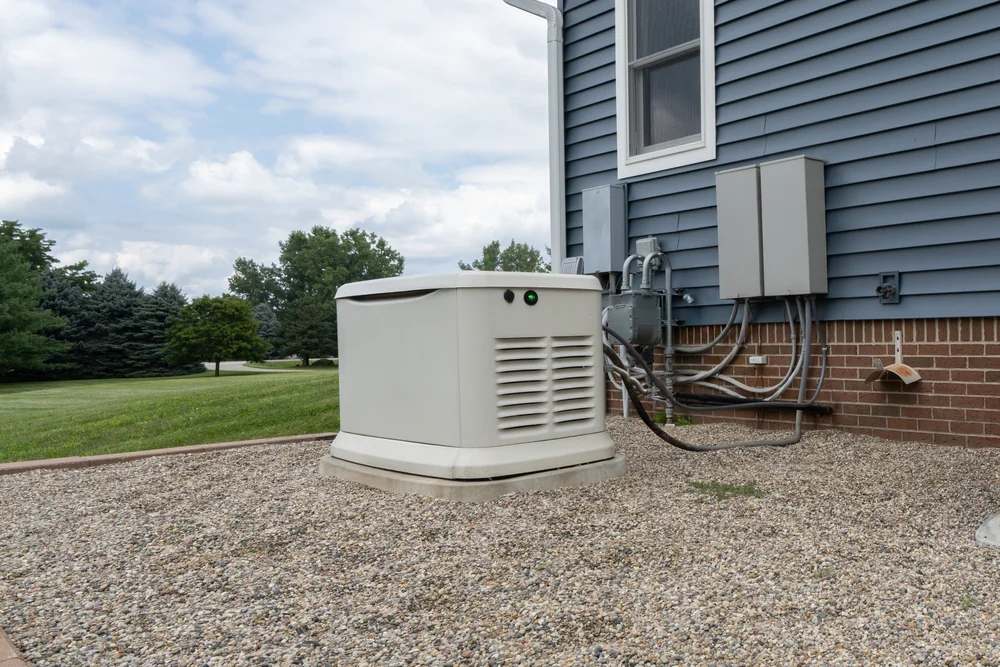
A standby generator sits on a gravel bed beside a blue house with siding in NY. Nearby, a residential electrician Suffolk County has mounted electrical boxes and conduit. Trees and lawn appear in the background under a cloudy sky.
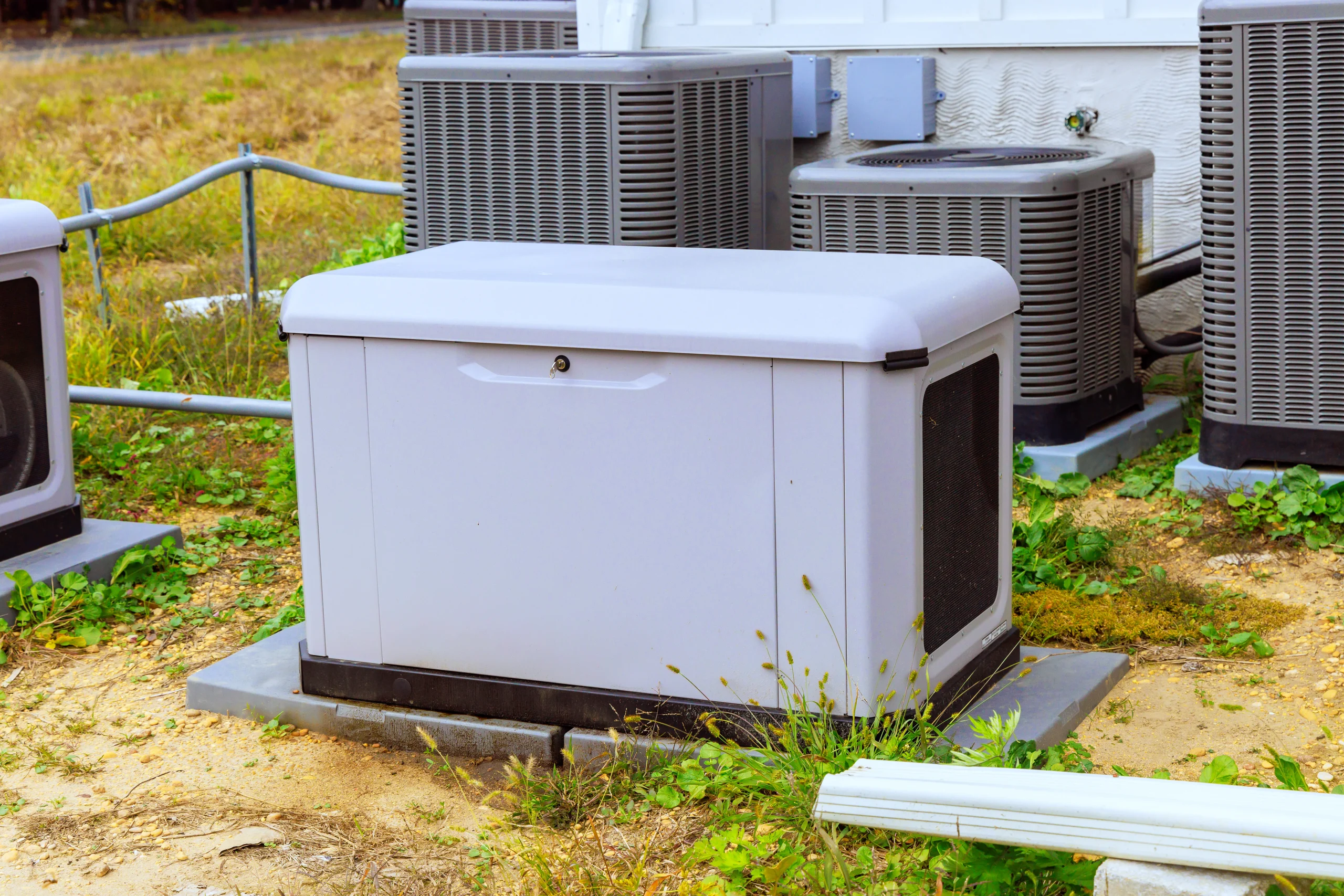
A standby generator sits on a concrete pad near several outdoor air conditioning units, with grass and weeds growing around the area. For installation or service, contact a residential electrician Suffolk County, NY, near this white building.

Whole House Generator Installation North Lindenhurst

What You Get With a Standby Generator

Your refrigerator keeps running. Your heat stays on. Your medical equipment doesn’t skip a beat.

When the next storm knocks out power across Suffolk County—and it will—you won’t be scrambling for ice, sitting in the dark, or checking into a hotel. Your home standby generator kicks on automatically within seconds of an outage. No fuel runs, no extension cords, no manual startup.

You protect hundreds of dollars in groceries. You keep your family comfortable and safe. You avoid the chaos that comes with multi-day outages, which happen regularly on Long Island’s South Shore.

This isn’t about convenience. It’s about control when everything else is unpredictable.

Licensed Generator Installers North Lindenhurst, NY

We've Been Doing This Since 2004

We’ve been installing backup generator systems across Suffolk County for over 20 years. We’re fully licensed and insured, and we’ve earned the Angie’s List Super Service Award seven years running.

North Lindenhurst homeowners know what Hurricane Sandy did. Streets flooded up to six feet south of Montauk Highway. Power was out for over a week in some areas. We’ve been helping families prepare for the next one ever since.

You’ll work with electricians who show up in company vehicles, give you a straight answer, and don’t leave until the system is tested and running. We don’t subcontract. We don’t disappear after the install. And we don’t surprise you with hidden fees.

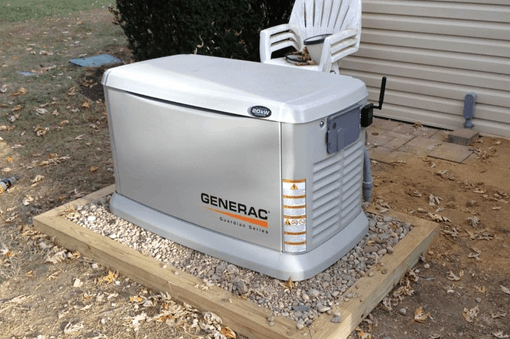
A Generac Guardian Series standby generator, expertly installed by a residential electrician Suffolk County, sits on a gravel platform beside a beige building, with a white plastic chair and scattered leaves nearby.

How Home Standby Generator Installation Works

Here's What Happens From Start to Finish

First, we come out and assess your home’s electrical panel and fuel source. Most North Lindenhurst homes run on natural gas or propane, which means no refueling during an outage. We’ll calculate your power needs based on what you want to keep running—whole house coverage typically requires 20,000 to 26,000 watts.

Next, we give you a free estimate with transparent pricing. No guessing, no “we’ll see when we get in there.” You’ll know the cost before we start.

Once you approve, we handle the permits and schedule the installation. We mount the generator outside your home on a concrete pad, connect it to your electrical panel through an automatic transfer switch, and tie it into your gas or propane line. Then we test the system to make sure it starts, transfers power, and shuts down correctly.

The whole process usually takes one to two days, depending on your setup. When we’re done, you’ve got a system that works without you lifting a finger.

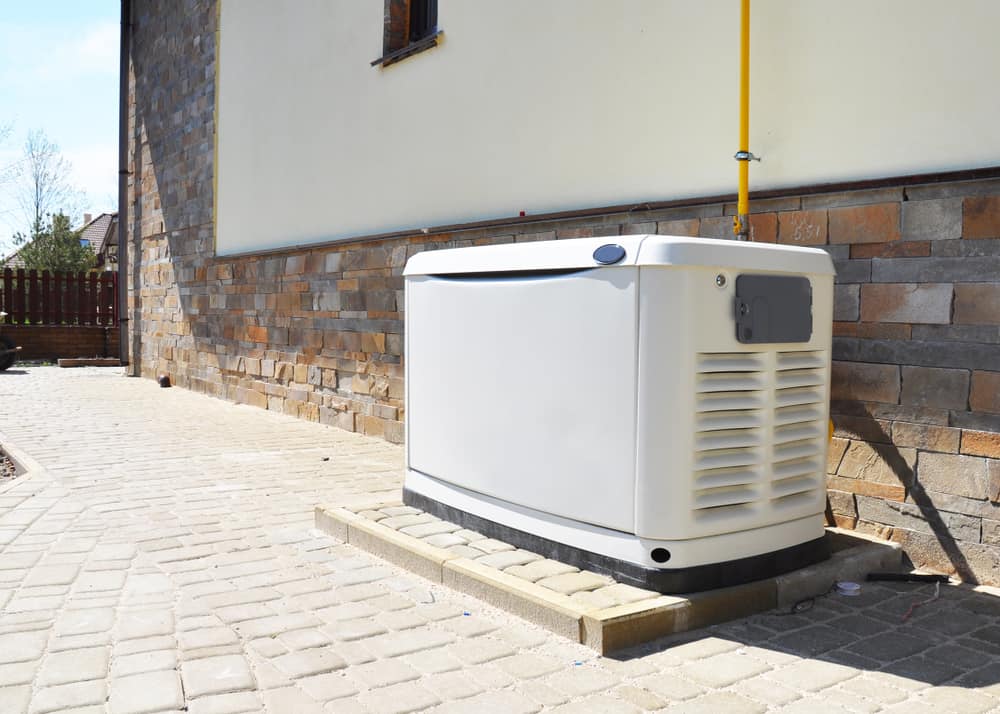
A standby generator is installed on a paved area next to a house with a brick and stone exterior wall; a yellow gas line connects to the unit, professionally set up by a residential electrician Suffolk County, NY.

Explore More Services

About Marra Electric

Generac and Kohler Generator Installation Options

What's Included in Your Installation

We install Generac and Kohler whole house generators—two of the most reliable brands in the industry. These units are built to handle Long Island weather and designed to run for days if needed.

Your installation includes the generator unit, automatic transfer switch, concrete mounting pad, electrical connections, fuel line hookup, and full system testing. We pull the permits, coordinate inspections, and make sure everything is up to code in North Lindenhurst and across Suffolk County.

You’ll also get a walkthrough of how the system operates, what to listen for, and when to schedule maintenance. Most standby generators need an annual service check, similar to your HVAC system.

Suffolk County sees some of the highest generator installation rates in New York State. That’s not a coincidence. Between nor’easters, hurricanes, and summer storms, PSEG Long Island customers lose power more often than most. A whole house generator installation in North Lindenhurst isn’t a luxury—it’s a practical response to a recurring problem.

A standby generator sits on a concrete pad next to the exterior wall of a white NY house, near some shrubs and a grassy, partly bare yard with trees in the background.

How much does a whole house generator cost in North Lindenhurst?

Most whole house generator installations in North Lindenhurst run between $8,000 and $15,000, depending on the size of the unit and your home’s electrical setup. That includes the generator, transfer switch, installation labor, permits, and startup.

If you only need essential coverage—refrigerator, heating system, a few lights and outlets—you’re looking at a smaller unit in the 7,500 to 12,000-watt range, which brings the cost down. For full home coverage including central air, water heater, and all circuits, you’ll need 20,000 to 26,000 watts, which sits at the higher end.

We give you a free estimate with transparent pricing upfront. No surprises, no “it depends” answers after we start the job. You’ll know what it costs before we touch a wire.

Most home standby generator installations in North Lindenhurst take one to two days. Day one is typically the heavy work—mounting the unit, running electrical and fuel lines, installing the transfer switch. Day two is connections, testing, and final inspection.

If your electrical panel needs an upgrade or your gas line requires additional work, that can add time. We’ll tell you during the estimate if anything will extend the timeline.

Once it’s installed, the generator runs automatically. You don’t do anything. When power goes out, the system detects it within seconds and starts up on its own. When grid power returns, it switches back and shuts down. The whole process is hands-free.

Yes. Any permanent home generator installation in North Lindenhurst requires an electrical permit and often a building permit, depending on the scope of work. If you’re connecting to a gas line, you’ll need that inspected as well.

We handle all of that. Permits, inspections, code compliance—it’s part of the job. You don’t need to visit Town of Babylon offices or coordinate with inspectors. We pull the permits, schedule the inspections, and make sure everything passes.

Skipping permits is a risk you don’t want to take. If something goes wrong and your insurance finds out the system wasn’t permitted, you could be on the hook. We do it right from the start so you’re fully covered.

It depends on what you want to power. If you’re only covering essentials—fridge, furnace, some lights, and a few outlets—a 7,500 to 12,000-watt generator will handle it. That’s enough to keep your family safe and comfortable during an outage.

If you want whole house coverage, including central air conditioning, electric water heater, and all your circuits running like normal, you’ll need 20,000 to 26,000 watts. Most North Lindenhurst homes fall into that range for full coverage.

We calculate the load during your free estimate. We look at your electrical panel, ask what you want to keep running, and size the generator accordingly. Oversizing wastes money. Undersizing leaves you in the dark. We match the unit to your actual needs.

Modern standby generators run at about 60 to 70 decibels from 20 feet away—roughly the volume of a normal conversation or background music. They’re quieter than older portable generators, which can hit 80 to 90 decibels.

Generac and Kohler units are designed with sound insulation and run at lower RPMs, which keeps the noise down. You’ll hear it when it’s on, but it’s not disruptive. Your neighbors probably won’t complain, especially when half the block is sitting in the dark.

The generator also runs a self-test once a week for about 10 to 15 minutes. It’s usually scheduled for mid-morning or early afternoon, and it’s quiet enough that most people don’t even notice unless they’re standing near it.

Technically, yes—but you shouldn’t. Backup generator installation in North Lindenhurst involves electrical work, gas line connections, transfer switch wiring, and permit inspections. One mistake can create a fire hazard, a gas leak, or a system that doesn’t work when you need it.

New York State requires a licensed electrician for any work involving your main electrical panel. If you DIY it and something goes wrong, your homeowner’s insurance may not cover the damage. And if you ever sell your home, an unpermitted generator install will show up during inspection and cost you more to fix than if you’d hired a pro in the first place.

We’ve seen plenty of botched installs. Transfer switches wired backward. Generators sitting on unlevel ground. Gas connections that leak. It’s not worth the risk. You’re better off paying for a proper install once than paying to fix a dangerous one twice.

Other Services we provide in North Lindenhurst