Suffolk County ranks 7th in New York for total power outages. That’s not a small problem when you’re trying to protect your home, your family, and everything inside.
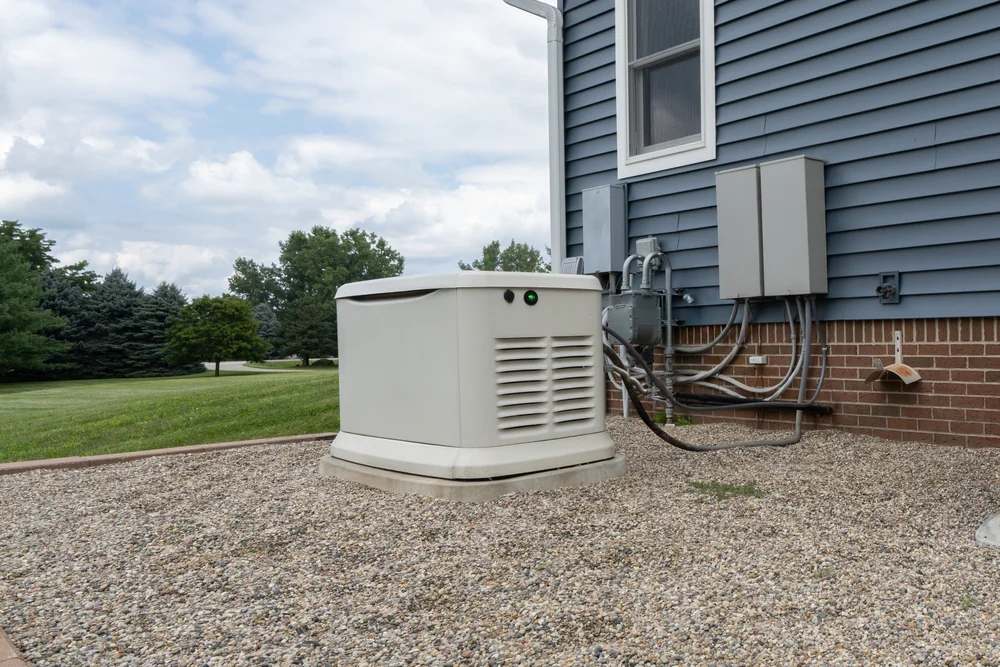
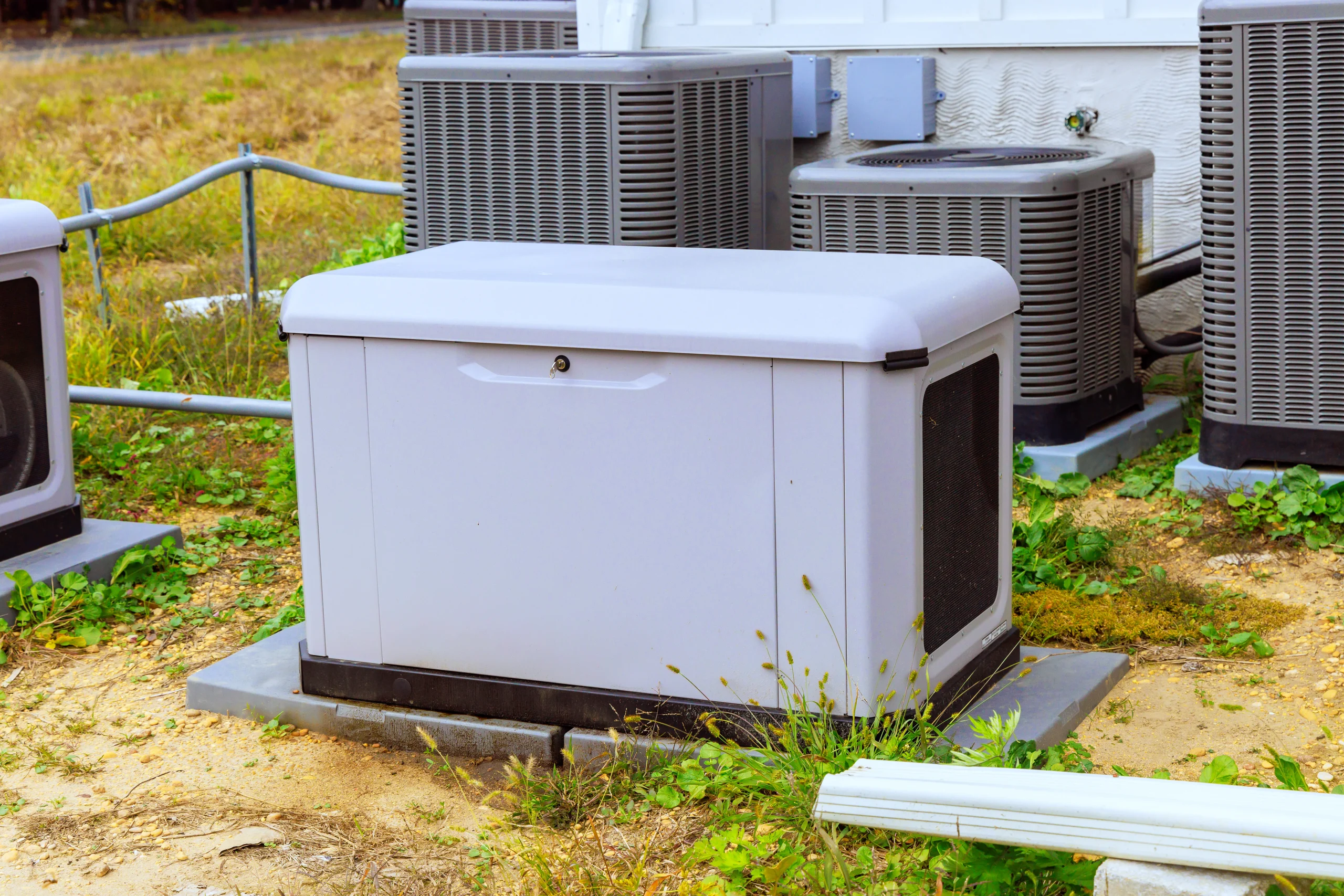
A whole house generator installation in Old Field, NY means your lights, heating, cooling, refrigerator, and security systems stay running. No extension cords. No manual startup. The system detects the outage and kicks on within seconds.
You’re not sitting in the dark wondering how long this one will last. You’re not hauling a portable unit out of the garage in the rain. Your home stays comfortable and secure while your neighbors are dealing with flashlights and melted freezer contents.
This isn’t about convenience alone. It’s about protecting medical equipment, preventing frozen pipes in winter, keeping your sump pump running during storms, and maintaining the security systems that keep your property safe.
We’ve been handling electrical work across Suffolk County for over 20 years. We’re fully licensed and insured, and we’ve earned the Angie’s List Super Service Award seven years running.
That matters because home standby generator installation in Old Field, NY isn’t a DIY project. It involves electrical panels, fuel lines, permits, and code compliance. One mistake voids your warranty and creates safety risks that could cost you thousands to fix.
We show up in branded vehicles with upfront pricing. No surprise bills. No hidden fees. You know what you’re paying before we start, and you get a 100% satisfaction guarantee on the work we complete.
Old Field homeowners need reliable power, and they need installers who understand local codes and won’t cut corners. That’s what we do.
First, we assess your home’s energy needs. A typical 2,000-square-foot house usually needs a 14 kW to 22 kW generator, but that depends on what you’re running. We calculate the load to make sure you’re not undersized or overpaying for capacity you don’t need.
Next, we handle the site prep and permitting. The generator needs proper clearance, a level pad, and fuel access—either natural gas or a propane tank sized to run for a week or more. We pull the permits and make sure everything meets local electrical codes in Old Field, NY.
Then comes the installation. We connect the generator to your electrical panel with a transfer switch that automatically detects outages and switches power sources. The whole system is wired, grounded, and tested before we leave.
Finally, we walk you through how it works. You’ll know how to monitor it, what the maintenance schedule looks like, and what to expect when the power goes out. The generator will self-test regularly to make sure it’s ready when you need it.
From start to finish, the process can take a couple of months depending on equipment availability and permitting timelines. That’s why most people start in winter or early spring—before hurricane season hits and demand spikes.
Ready to get started?
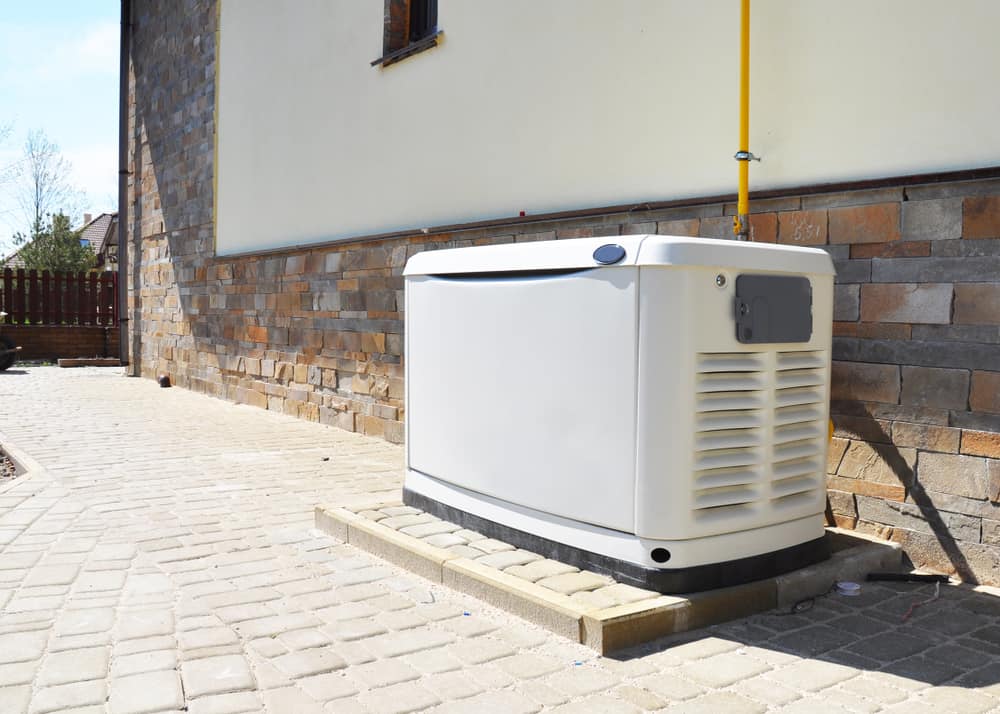
Your backup generator installation in Old Field, NY includes everything needed to get the system running safely and legally. That means the generator unit itself, the transfer switch, all electrical connections, fuel line hookups, and the concrete pad or mounting platform.
We also handle the permitting process with local authorities. Suffolk County has specific codes for generator installations, and unpermitted work can create problems when you file insurance claims or try to sell your home. Buyers notice that kind of thing during inspections.
You’ll get a system that turns on automatically within seconds of an outage. No buttons to press. No fuel to pour. It just works.
Most whole house generator installations in Old Field, NY run between $6,500 and $16,000 depending on the size of the unit and the complexity of the install. Financing options are available, with monthly payments starting as low as $109 for qualified buyers.
The installation also includes thorough testing to confirm everything operates correctly under load. We don’t leave until the system is proven functional and you understand how to use it.
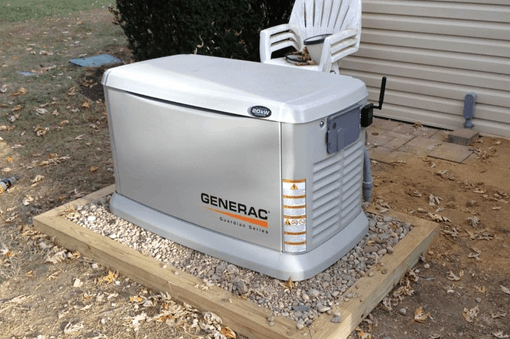
A Generac whole house generator installation in Old Field, NY typically costs between $6,500 and $16,000. That range depends on the size of the generator, the complexity of your electrical panel, fuel type, and site preparation needs.
Smaller units in the 14 kW range cost less but may not power your entire home. Larger 22 kW systems handle more load but come with higher upfront costs. The price includes the generator, transfer switch, installation labor, permits, and testing.
Financing is available for most installations. Many homeowners pay around $109 per month, which makes the investment easier to manage without a large cash outlay. The key is getting the sizing right so you’re not underpowered when you need it most or overpaying for capacity you’ll never use.
The physical installation of a home standby generator in Old Field, NY usually takes one to two days once the equipment arrives and permits are approved. But the full process from order to operation can take up to two months depending on equipment availability and permitting timelines.
That’s why starting early matters. If you wait until storm season, you’re competing with everyone else who just lost power and decided they need a generator. Equipment gets backordered and installers get booked solid.
The timeline includes ordering the generator, scheduling a site assessment, pulling permits, prepping the installation site, running fuel lines, making electrical connections, and completing final inspections. Each step has to happen in order, and some depend on third parties like the utility company or local building department.
If you’re thinking about it, don’t wait. Get the process started in winter or early spring so you’re ready before the next outage hits.
You can, but you shouldn’t. DIY generator installations void warranties, violate local codes, and create safety risks that can cost far more than you’d save on labor.
Generac and other manufacturers require proof of professional installation to honor warranties. If something breaks and you can’t provide that documentation, you’re paying out of pocket for repairs that should have been covered.
Insurance companies also care about code compliance. If your home suffers fire or electrical damage and the adjuster finds an unpermitted generator install, your claim can be denied. That’s a massive financial risk for a few thousand dollars in savings.
Then there’s the technical side. Generator installations involve electrical panels, transfer switches, fuel lines, load calculations, and grounding. Mistakes in any of those areas can cause operational failures, fire hazards, or carbon monoxide risks. Licensed electricians carry insurance for a reason—this work has consequences when it’s done wrong.
Most homes in Old Field, NY need a generator between 14 kW and 22 kW. The exact size depends on your home’s square footage, the appliances you want to run, and whether you have electric heat or central air conditioning.
A 14 kW generator handles essential circuits—lights, refrigerator, furnace, and a few outlets. A 22 kW unit can power your entire home including HVAC, kitchen appliances, and multiple rooms at once.
The sizing process involves calculating your total electrical load and accounting for inrush current. Some appliances draw more power when they first start up, and an undersized generator will shut down under that initial surge even if it could handle the steady-state load.
We assess your panel, review your energy usage, and recommend the right size based on what you actually need. Oversizing costs you more upfront and increases fuel consumption. Undersizing means the generator fails when you need it most. Getting it right matters.
Both. Most home standby generators in Old Field, NY can run on either natural gas or propane depending on what’s available at your property.
Natural gas is convenient if you already have it piped to your home. The generator connects directly to your gas line and you never have to worry about refueling. It’s the most common setup in areas where natural gas service is available.
Propane works well if you’re not on the gas grid. You’ll need a propane tank sized to run the generator for at least a week during an extended outage. A 500-gallon tank is typical for most whole house systems, though the exact size depends on your generator’s fuel consumption rate and how long you want to run between refills.
Both fuel types are reliable. Natural gas is slightly more convenient. Propane gives you independence from the utility company. We’ll help you figure out which option makes the most sense for your property and your backup power goals.
Yes. A professionally installed whole house generator increases your property’s market value and makes your home more attractive to buyers, especially in areas like Suffolk County where power outages are common.
Buyers see a generator as a valuable upgrade that protects the home and provides peace of mind. It’s similar to a new roof or updated HVAC system—it’s a functional improvement that reduces risk and adds convenience.
The exact value increase depends on your local market, but the investment typically pays off when you sell. More importantly, it pays off every time the power goes out and your home stays comfortable while the rest of the neighborhood goes dark.
Just make sure the installation is done correctly with proper permits. Unpermitted work or DIY installs can actually hurt your home’s value because buyers and inspectors flag code violations and warranty issues. Professional installation protects your investment and ensures you get the full benefit when it’s time to sell.
Other Services we provide in Old Field