Home Generator Installation in Sagaponack, NY

Power On When the Grid Goes Dark

Your home stays protected with automatic backup power that kicks in seconds after an outage—whether you’re home or not.
[Add Trustindex Button Here]
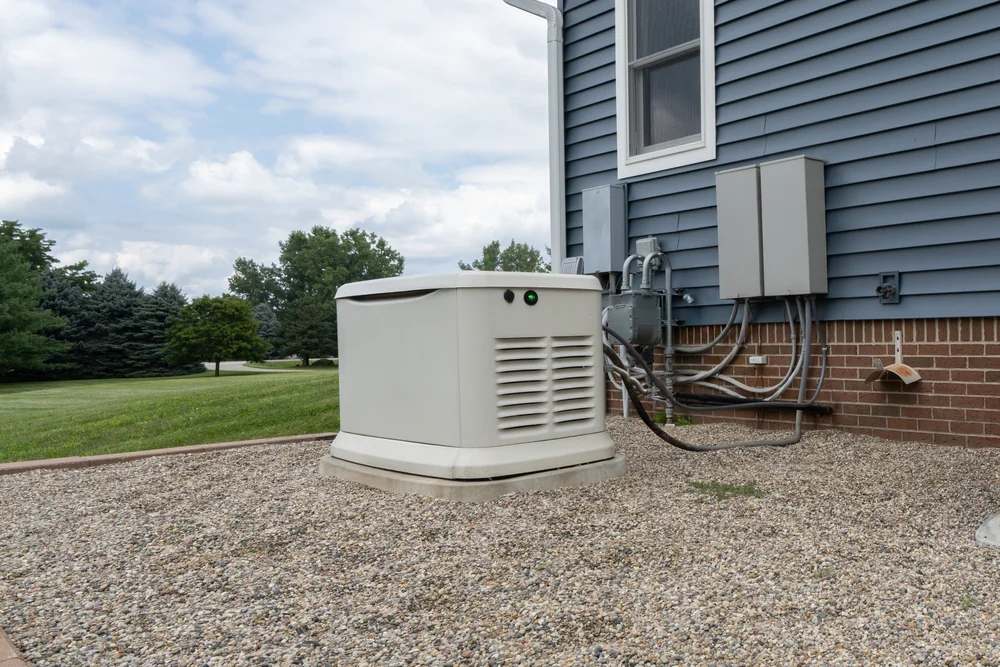
A standby generator sits on a gravel bed beside a blue house with siding in NY. Nearby, a residential electrician Suffolk County has mounted electrical boxes and conduit. Trees and lawn appear in the background under a cloudy sky.
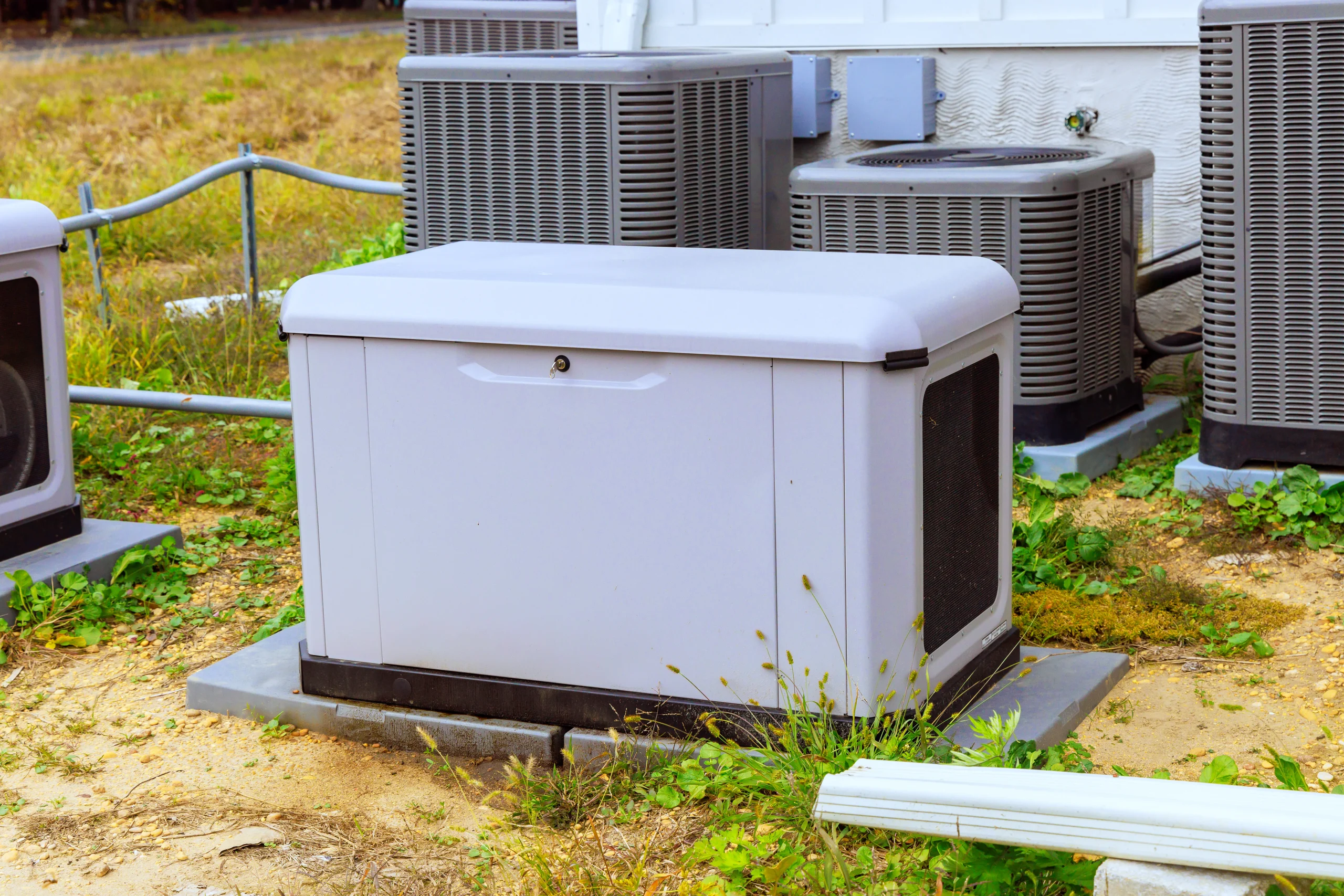
A standby generator sits on a concrete pad near several outdoor air conditioning units, with grass and weeds growing around the area. For installation or service, contact a residential electrician Suffolk County, NY, near this white building.

Whole House Generator Installation Sagaponack, NY

What Changes After Your Generator Goes In

You stop losing hundreds of dollars in spoiled food every time a storm rolls through. Your fridge stays cold, your sump pump keeps running, and your pipes don’t freeze because the heat stayed on.

The system turns itself on within seconds of sensing an outage. You don’t flip a switch or drag equipment outside. You don’t worry about whether you remembered to fuel it or if it’ll actually start when you need it.

Your home keeps functioning the way it’s supposed to. Climate control doesn’t stop. Medical devices stay powered. You can work from home even when your neighbors can’t. And if you’re not there when the power cuts out, the generator handles it anyway—automatically.

Licensed Generator Installers Sagaponack, NY

We've Been Doing This Since 2004

We’ve been handling electrical work across Suffolk County for over 20 years. We’re fully licensed and insured, and we show up in marked vehicles with uniformed crews because professionalism still matters.

We’ve earned the Angie’s List Super Service Award seven years running. That doesn’t happen by accident. It happens because we give you upfront pricing before we start, we finish on time, and we don’t surprise you with add-ons at the end.

Sagaponack sits between the Atlantic and inland waterways, which makes it beautiful—and vulnerable when weather turns. We’ve installed backup power systems throughout the Hamptons, and we understand what it takes to protect homes in this area when the grid can’t keep up.

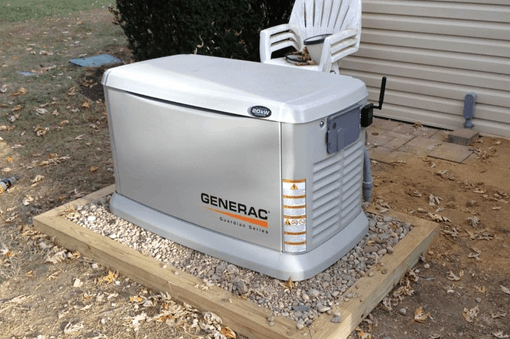
A Generac Guardian Series standby generator, expertly installed by a residential electrician Suffolk County, sits on a gravel platform beside a beige building, with a white plastic chair and scattered leaves nearby.

Home Standby Generator Installation Process

Here's What Happens From Start to Finish

We start with a free estimate at your property. We’ll look at your electrical panel, check your gas or propane setup, and figure out what size generator actually makes sense for your home. A 20kW unit works for most homes, but if you’ve got a larger estate or specific equipment that needs power, we’ll size it right.

Once you approve the quote, we handle the permitting and schedule the install. The generator gets mounted on a concrete pad close to your gas meter and electrical panel—that keeps installation simpler and costs down. We install the automatic transfer switch, which is what tells the generator to kick on when it senses the power’s out.

After everything’s wired and tested, we walk you through how it works. The system monitors your utility power 24/7. When it drops, the generator starts itself, powers your home, and shuts back down once grid power returns. You don’t touch anything.

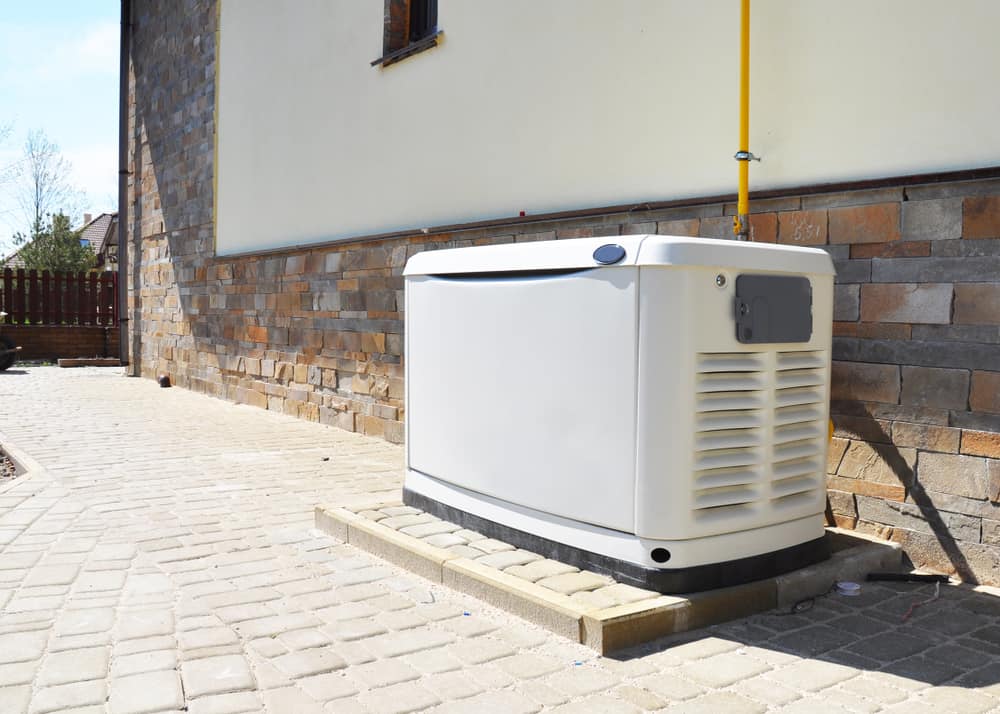
A standby generator is installed on a paved area next to a house with a brick and stone exterior wall; a yellow gas line connects to the unit, professionally set up by a residential electrician Suffolk County, NY.

Explore More Services

About Marra Electric

Whole House Generator Cost Sagaponack, NY

What You're Actually Paying For

A complete whole house generator installation in Sagaponack, NY typically runs between $8,000 and $16,000. That includes the Generac unit itself, the automatic transfer switch, all materials, the concrete pad, and professional installation by licensed electricians.

The generator is permanently installed outside your home and connects to your natural gas line or propane tank. It’s not something you roll out of the garage or refuel by hand. It runs on the same fuel that powers your heating system, so you’re not storing gasoline or managing multiple fuel sources.

Installation cost depends on how far the generator sits from your electrical panel and gas meter. Shorter runs mean less trenching, less conduit, and lower labor costs. If your property layout is more complex, that affects the final number. We give you the full price upfront so there’s no guessing.

Most systems come with a 5- to 10-year warranty from Generac. With regular maintenance, a whole house generator lasts 15 to 30 years. You’re not replacing this every few years—it’s a long-term investment that also increases your property value when it’s time to sell.

A standby generator sits on a concrete pad next to the exterior wall of a white NY house, near some shrubs and a grassy, partly bare yard with trees in the background.

What size generator do I need for my home in Sagaponack?

It depends on what you want to keep running during an outage. A 20kW generator handles most homes comfortably—your heating and cooling, refrigerator, lights, outlets, and essential appliances. If you’ve got a larger estate, a pool system, or multiple HVAC zones, you might need a 22kW or 24kW unit.

We don’t guess. During the estimate, we look at your electrical panel and ask what matters most to you during a power outage. Some people want the whole house covered. Others prioritize the kitchen, heating system, and a few key circuits. That conversation determines the right size.

Oversizing costs you more upfront and burns more fuel. Undersizing means you’re making compromises when the power’s out. We size it based on your actual load and your priorities, not a one-size-fits-all formula.

Most installations take one to two days, depending on your property. If the generator is going in close to your gas line and electrical panel, and we don’t need to run long trenches or deal with complicated site conditions, we’re usually done in a day.

More complex jobs—like properties where the best location for the generator is farther from the house, or where we need to coordinate propane tank installation—can stretch into a second day. We’ll tell you the timeline during the estimate so you know what to expect.

Once we’re done, the system is fully operational. We test it, make sure the automatic transfer switch is working correctly, and show you how to monitor it. You’re not waiting days for a follow-up visit to get it running.

Yes. Propane works just as well as natural gas for a home standby generator. The main difference is that you’ll need a propane tank on your property, usually a 500-gallon or larger tank depending on your generator size and how much runtime you want during extended outages.

Propane is a clean-burning fuel, and Generac generators are designed to run on it without any performance issues. If you already have propane for heating or cooking, we can often tie into that existing system. If not, we’ll coordinate the tank installation as part of the project.

The fuel consumption depends on the size of your generator and how much load it’s carrying. A 20kW generator running at half load uses roughly 3 to 4 gallons of propane per hour. During a typical outage, you’re not running at full capacity the entire time, so a 500-gallon tank gives you plenty of reserve.

It runs itself. The automatic transfer switch monitors your utility power constantly. The second it detects an outage, it signals the generator to start. Within 10 to 20 seconds, your home is back on generator power.

You don’t need to be there. You don’t need to press a button or flip a switch. The system is fully automatic, which is the whole point. If you’re in the city when a hurricane knocks out power in Sagaponack, your home is still protected.

When utility power comes back, the transfer switch senses that too. It switches your home back to grid power and shuts the generator down. The system resets itself and goes back to monitoring mode, ready for the next outage.

Yes, but it’s not complicated. Generac recommends annual maintenance to keep the system reliable. That includes changing the oil and air filter, checking the battery, inspecting the fuel lines, and running the unit under load to make sure everything’s working.

Most generators also run a self-test every week for a few minutes. You’ll hear it kick on briefly, run through its cycle, then shut back down. That’s normal—it’s exercising itself to keep the engine and components in good shape.

You can handle maintenance yourself if you’re comfortable with small engine upkeep, or you can schedule annual service with us. Either way, keeping up with it means the generator works when you actually need it. Skipping maintenance is how you end up with a system that won’t start during the next outage.

It can, especially in areas where power outages are a known issue. Buyers in Sagaponack understand that storms can knock out power for days, and a home that already has a whole house generator installed is more attractive than one that doesn’t.

You’re not going to recoup 100% of the installation cost in resale value, but it’s a selling point that sets your property apart. It signals that the home is well-maintained and that the owner thought ahead about reliability and comfort.

Even if resale isn’t on your mind right now, the real value is in what it does while you own the home. You’re not losing food, dealing with frozen pipes, or scrambling for hotel rooms every time the grid goes down. That peace of mind is worth more than the line item on an appraisal.

Other Services we provide in Sagaponack