You’re not losing $400 in groceries when the power goes out for 24 hours. Your sump pump keeps running, your security system stays active, and your pipes don’t freeze while you’re away during winter storms.
Long Island sees extended outages regularly. Over 400,000 customers lost power for a week during Tropical Storm Isaias. Half a million went without power for over a week after Hurricane Sandy. When that happens in Shinnecock Hills, your home standby generator kicks in automatically within seconds.
No manual startup. No refueling in the rain. No choosing between the fridge and the furnace. Your whole house generator installation in Shinnecock Hills, NY means everything keeps running like the power never went out. You might not even realize there was an outage until your neighbors mention it.
We’ve been installing backup generators across Suffolk County since 2004. We’ve earned the Angie’s List Super Service Award seven consecutive years and maintain an A+ BBB rating because we show up when we say we will and charge exactly what we quoted.
You’re working with licensed, insured electricians who understand Shinnecock Hills homes. We know the electrical infrastructure in this area, the permit requirements, and what size Generac whole house generator actually makes sense for your property. Not the biggest one we can sell you—the right one for how you live.
Our trucks are professionally lettered. Our team wears uniforms. You get upfront pricing before any work starts, and if something’s not right, we come back and fix it at no charge. That’s been our standard in Suffolk County for two decades.
First, we assess your home’s electrical load and determine what size generator you actually need. Most Shinnecock Hills homes need between 7,500 and 20,000 watts for essential coverage. Whole-house coverage typically requires 20,000 to 26,000 watts. We calculate your specific requirements based on square footage, heating and cooling systems, and what you want running during an outage.
Then we provide upfront pricing—total cost, no surprises. You’ll know exactly what you’re paying before we start. Once you approve, we handle the permit process and schedule installation around your availability.
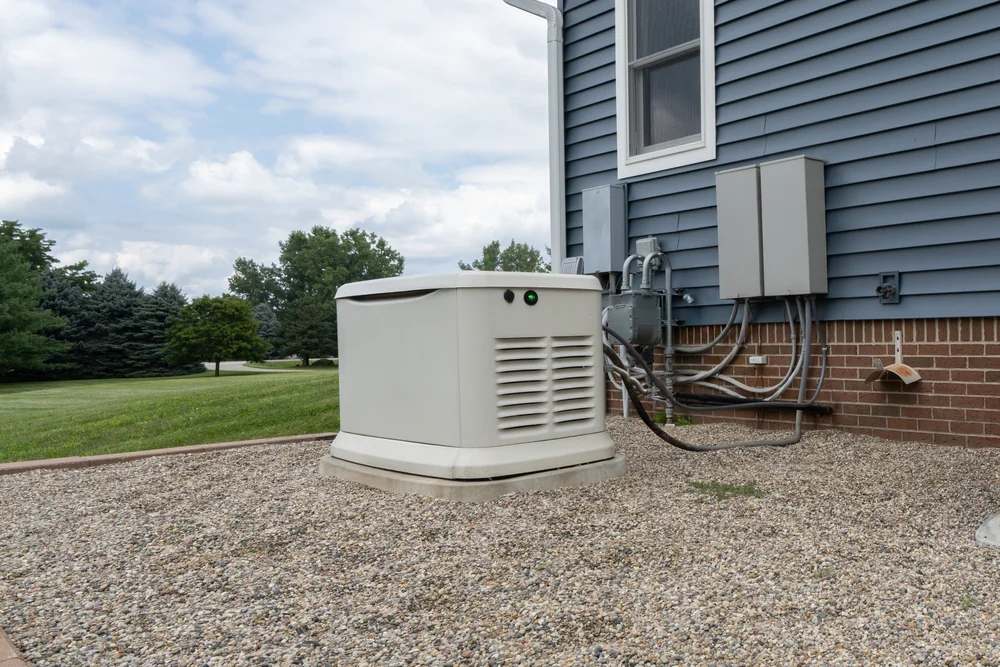
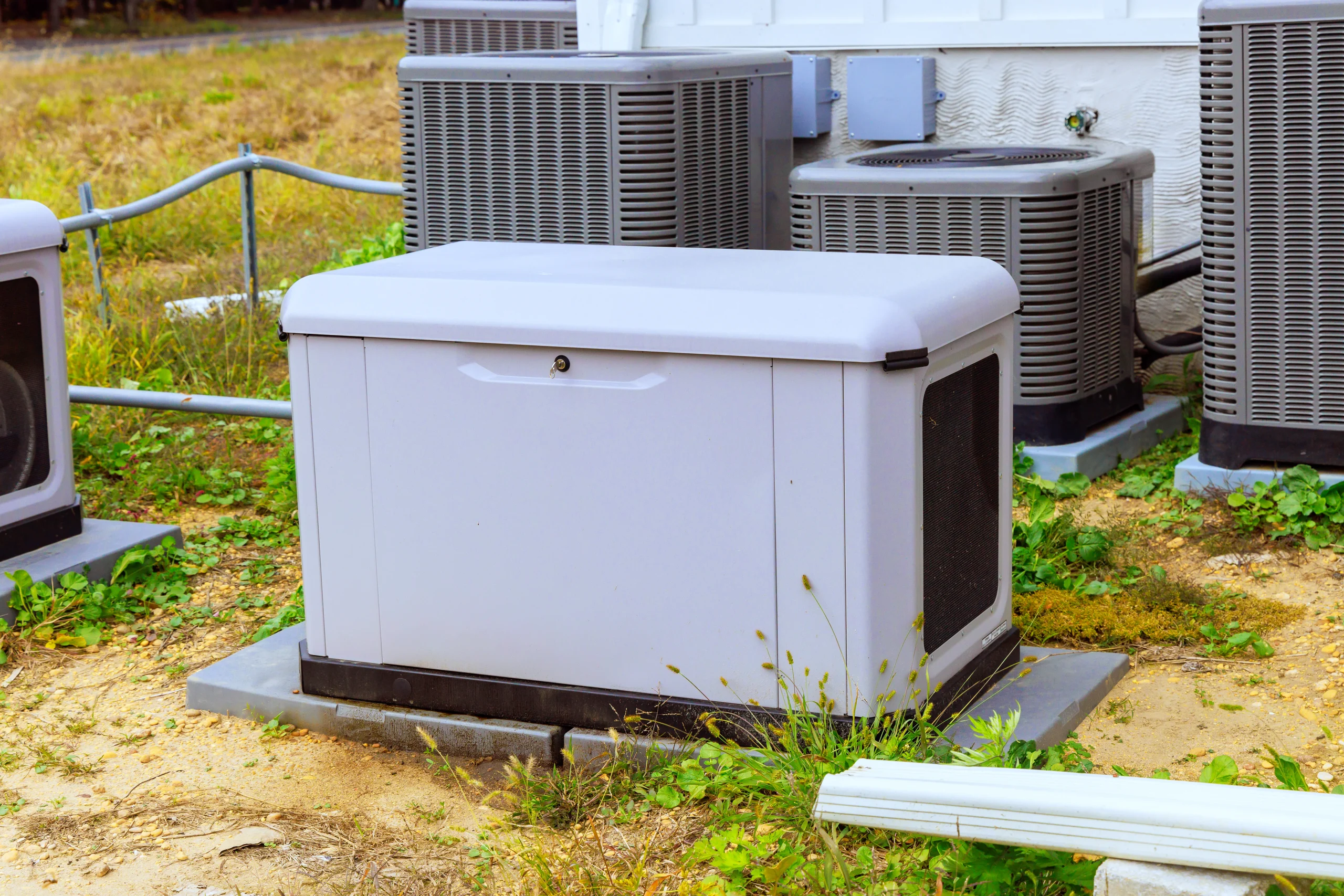
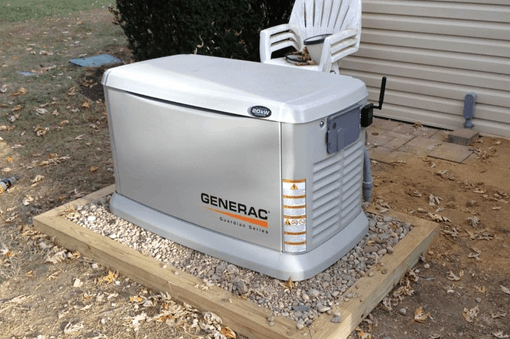
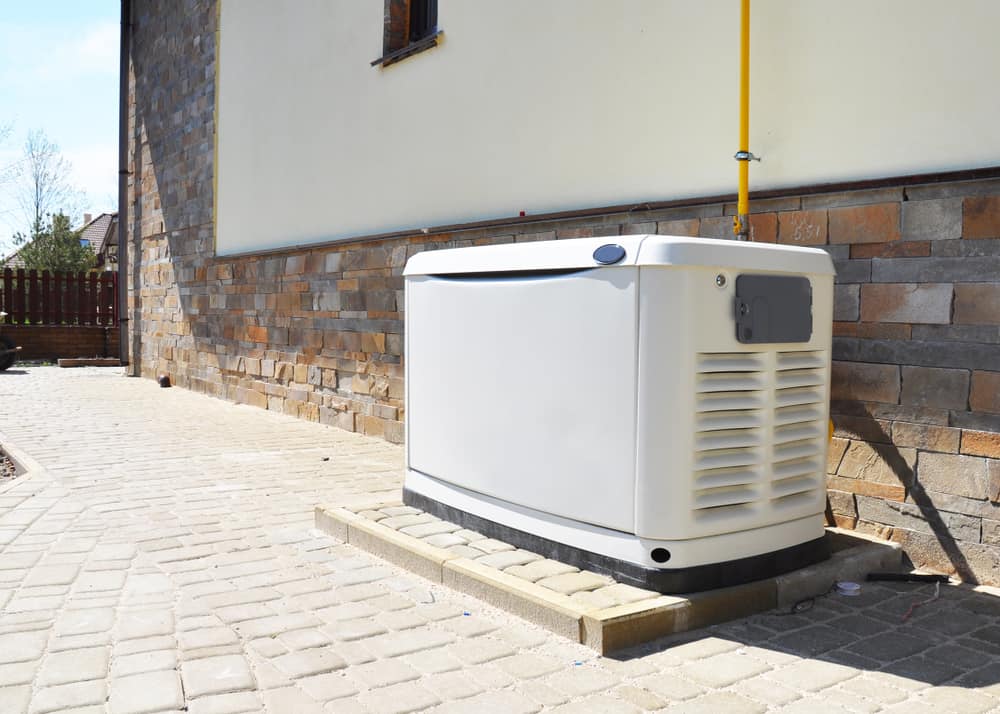
Installation includes setting the generator pad, running the gas line, connecting to your electrical panel, and programming the automatic transfer switch. We test everything to make sure it starts properly when utility power drops. You get a walkthrough of how the system works, though honestly, you won’t need to do anything—it’s fully automatic.
After installation, your home standby generator monitors utility power 24/7. When it detects an outage, it starts within seconds and powers your home until utility service returns. Then it shuts down automatically and goes back to standby mode.
Ready to get started?
Your whole house generator installation in Shinnecock Hills, NY includes the generator unit, automatic transfer switch, concrete pad installation, natural gas or propane connection, electrical panel integration, and full system testing. We pull all required permits and handle inspections.
Shinnecock Hills has a 95.4% homeownership rate with mostly detached single-family homes. These properties typically see a 3-5% value increase after generator installation, with some installations returning up to 150% of the investment in Suffolk County’s competitive real estate market. You’re not just buying backup power—you’re protecting your property value.
The area’s demographics matter here too. With 33.4% of residents 65 or older, power-dependent medical equipment isn’t optional. Your backup generator installation means life-safety systems stay operational during outages. No candles causing fire risks. No dangerous trips through dark hallways. No carbon monoxide exposure from running a portable generator in the garage.
Suffolk County’s coastal location and aging electrical infrastructure create frequent outage conditions. Your Generac whole house generator is sized for the significant summer cooling loads and varying winter heating requirements specific to this climate. It’s engineered to run for extended periods, not just a few hours.
Installation costs vary based on generator size, fuel type, distance from your electrical panel to the installation location, and whether you need gas line upgrades. Most Shinnecock Hills homeowners installing a 20kW standby generator should expect total project costs between $8,000 and $12,000, including equipment, labor, permits, and connection.
Smaller units for essential circuits only run less. Larger whole-home systems cost more. We provide upfront pricing after assessing your specific property, so you know the total before committing. That price includes everything—no surprise bills when the job’s done.
The investment typically returns 3-5% in added home value. More importantly, you’re avoiding the $200-500 in spoiled food during 24-hour outages, potential hotel costs if your home becomes unlivable, and thousands in damage from frozen pipes during extended winter outages.
Most Shinnecock Hills homes need between 7,500 and 20,000 watts to cover essentials like refrigerators, freezers, sump pumps, some lighting, and heating systems. If you want central air conditioning and your entire home running normally, you’re looking at 20,000 to 26,000 watts.
We calculate your specific load by reviewing your electrical panel, identifying critical circuits, and accounting for startup surges on motors and compressors. Your furnace might run on 800 watts but needs 2,400 watts to start. Your well pump, if you have one, draws significant power. These details matter.
Oversizing wastes money on equipment and fuel. Undersizing means making hard choices during outages about what stays on. We size your home standby generator installation in Shinnecock Hills, NY based on your actual electrical load and what you need protected, not guesswork.
Most home generator installations in Shinnecock Hills take one to two days once permits are approved. Day one involves setting the concrete pad, running gas lines, and making electrical connections. Day two covers final hookup, transfer switch programming, and system testing.
Permit approval adds time before installation starts—typically one to three weeks depending on local building department schedules. We handle all permit applications and coordinate inspections, so you’re not dealing with that process.
Weather can delay concrete work. Gas line installations sometimes reveal unexpected issues that add time. We’ll give you a realistic timeline during your estimate and keep you updated if anything changes. Once we’re done, your system is live and monitoring for outages immediately.
Yes. Suffolk County requires electrical and building permits for standby generator installations. You’ll also need gas permits if we’re running new natural gas lines or installing propane tanks.
We pull all required permits as part of your installation. The cost is included in your upfront pricing. We schedule inspections and make sure everything meets code before the final sign-off.
Skipping permits creates problems when you sell your home or file insurance claims after storm damage. Inspectors verify proper installation—correct clearances from windows and property lines, adequate ventilation, proper grounding, and safe fuel connections. These aren’t bureaucratic hurdles. They’re safety requirements that protect your family and your investment.
Real estate data shows standby generators increase property values by 3-5% in Suffolk County. Some installations return up to 150% of the investment, especially in areas with frequent outages like Long Island’s coastal communities.
Shinnecock Hills has a median home value well above county averages. Buyers in this market expect homes to have quality systems and protections in place. A professionally installed Generac whole house generator signals that the property is well-maintained and prepared for the outages that regularly affect this area.
Beyond resale value, you’re protecting the value you already have. Hurricane Sandy damaged or destroyed around 100,000 Long Island homes, with over 2,000 deemed uninhabitable. Backup power keeps sump pumps running, prevents frozen pipes, and maintains security systems when you’re away during storms. That protection is worth more than the installation cost.
Your generator needs annual professional maintenance—oil and filter changes, battery checks, and system testing under load. Most manufacturers recommend service every year or after 200 hours of operation, whichever comes first.
Between professional services, you should visually inspect the unit monthly. Check for debris around the generator, look for fluid leaks, and make sure nothing’s blocking ventilation. The unit runs a self-test weekly for several minutes to keep components lubricated and the battery charged. You’ll hear it, but you don’t need to do anything.
Skipping maintenance voids warranties and creates failures during outages when you actually need the system. We offer maintenance plans that handle annual service, so you’re not tracking schedules or wondering if something’s wrong. Regular maintenance means your backup generator installation in Shinnecock Hills, NY works every time the power drops.
Other Services we provide in Shinnecock Hills