Home Generator Installation in Wainscott, NY

Power Back On in Seconds, Not Days

When the next storm hits Wainscott, your lights stay on, your food stays cold, and your family stays safe—automatically.
[Add Trustindex Button Here]
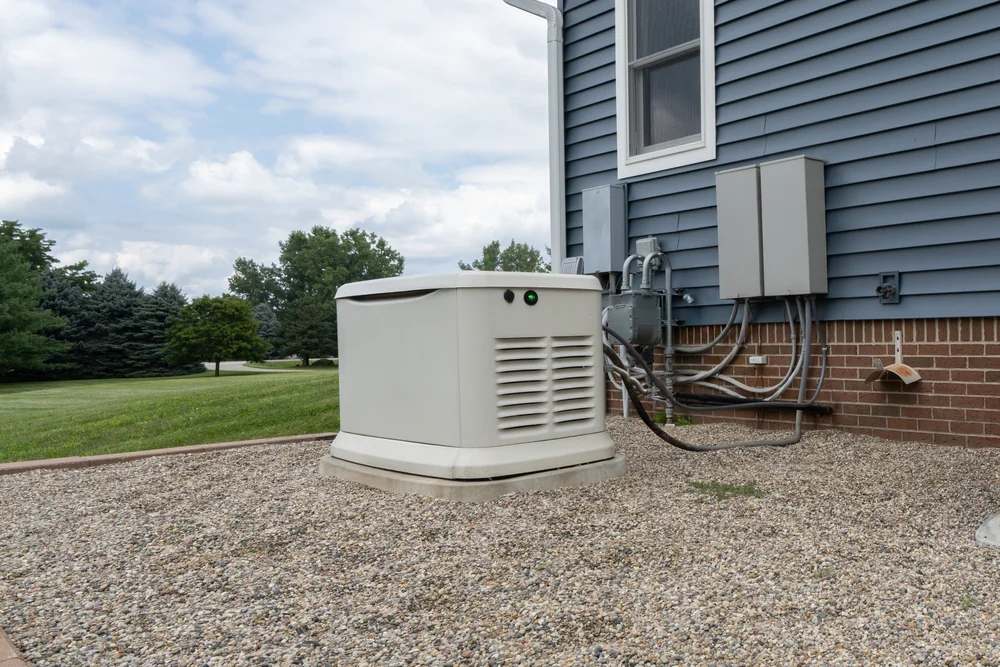
A standby generator sits on a gravel bed beside a blue house with siding in NY. Nearby, a residential electrician Suffolk County has mounted electrical boxes and conduit. Trees and lawn appear in the background under a cloudy sky.
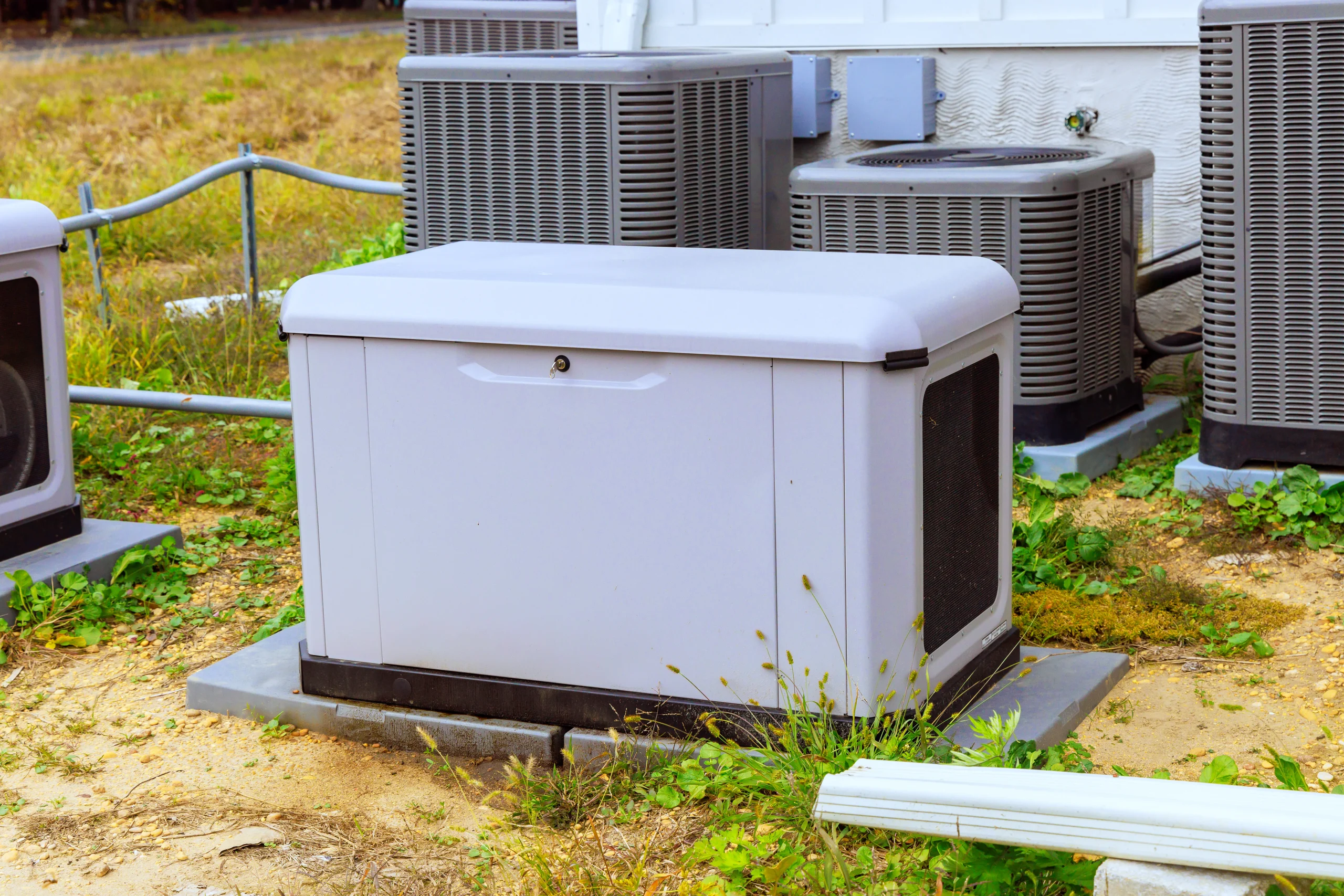
A standby generator sits on a concrete pad near several outdoor air conditioning units, with grass and weeds growing around the area. For installation or service, contact a residential electrician Suffolk County, NY, near this white building.

Whole House Generator Installation Wainscott

What Happens When Your Power Actually Stays On

You’re not sitting in the dark wondering when PSEG will get to your street. You’re not throwing out hundreds of dollars in spoiled food or scrambling to find a hotel that still has rooms. Your sump pump keeps running, your heat stays on, and your security system doesn’t go offline the second the grid does.

That’s what a whole house generator installation in Wainscott gets you. Not just equipment—actual protection when storms roll through Suffolk County and knock out power for days.

The difference between a portable unit you drag out of the garage and a professionally installed standby generator is simple: one kicks on automatically within seconds of an outage, the other requires you to be home, sober, and willing to stand in the rain fumbling with extension cords. If you’ve got a second home here or you’re managing a property remotely, that choice gets even clearer.

Licensed Generator Installers Wainscott, NY

We've Been Doing This Since 2004

We’ve been handling electrical work across Suffolk County for over 20 years. We’re fully licensed, fully insured, and we’ve installed backup generator systems in Wainscott, East Hampton, and throughout the South Fork long enough to know what works and what doesn’t.

You’re not getting a sales pitch from someone who just started running Facebook ads last month. You’re talking to electricians who’ve seen what happens when installations get rushed, when equipment gets undersized, or when someone skips the permit process to save a few bucks.

We show up in marked vehicles, give you upfront pricing before any work starts, and guarantee the job gets done right. That’s why we’ve earned the Angie’s List Super Service Award seven years running. It’s also why homeowners in Wainscott call us when they’re ready to stop worrying about the next outage.

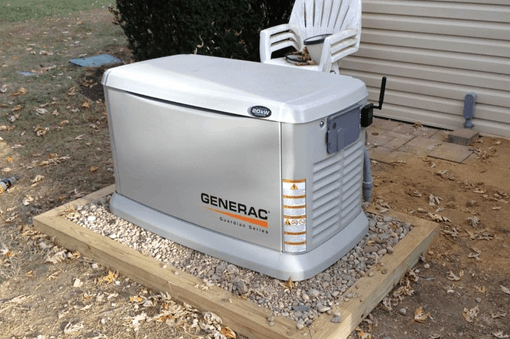
A Generac Guardian Series standby generator, expertly installed by a residential electrician Suffolk County, sits on a gravel platform beside a beige building, with a white plastic chair and scattered leaves nearby.

Home Standby Generator Installation Process

Here's What Actually Happens Start to Finish

First, we come out and assess your property. That means looking at your electrical panel, figuring out what size generator you actually need based on what you want to keep running, and determining the best location for the unit. We’re checking for gas line access if you want natural gas, or propane tank placement if that makes more sense for your setup.

Once you approve the estimate, we handle the permits. Then we install the generator, run the fuel line, and set up the automatic transfer switch—that’s the piece that detects an outage and switches your home over to generator power without you lifting a finger.

After everything’s wired and tested, we walk you through how it works. You’ll see it run, understand the maintenance schedule, and know exactly what to expect the next time your power goes out. The whole process typically takes one to two days depending on your property and whether we need to trench for fuel lines.

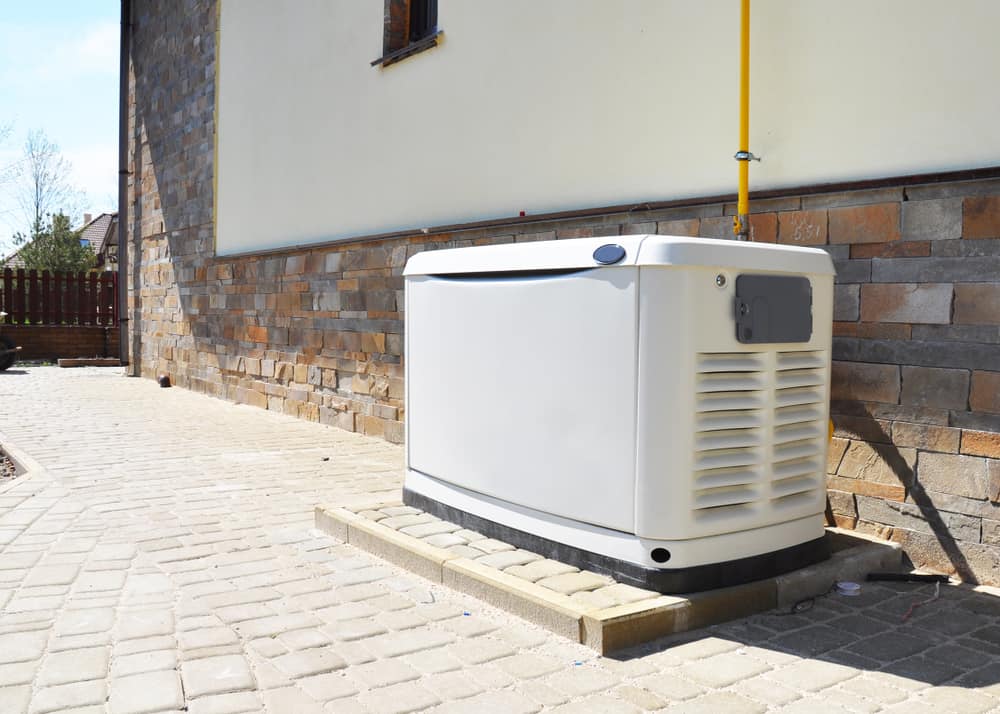
A standby generator is installed on a paved area next to a house with a brick and stone exterior wall; a yellow gas line connects to the unit, professionally set up by a residential electrician Suffolk County, NY.

Explore More Services

About Marra Electric

Backup Generator Installation Wainscott, NY

What You're Actually Getting With This Installation

You’re getting a Generac whole house generator sized correctly for your home—not oversold, not underpowered. We install the automatic transfer switch so the system kicks on within 10 seconds of losing grid power. That covers your refrigerator, your HVAC, your well pump if you have one, and whatever else you’ve decided is essential.

In Wainscott, where 55% of homes are seasonal, a lot of our clients want peace of mind when they’re not around. A standby generator means your pipes don’t freeze in winter, your basement doesn’t flood during a summer storm, and you’re not rushing back from the city every time the weather gets bad.

We’re also installing systems that run on natural gas or propane depending on what’s available at your property. Natural gas is cleaner and you never have to worry about refueling. Propane works if you’re not on a gas line and gives you the same automatic operation. Either way, you’re not dealing with gasoline, stabilizers, or wondering if the thing will start when you actually need it.

Whole house generator cost in Wainscott typically runs between $15,000 and $20,000 depending on the size of your home and site conditions. That includes the equipment, installation, transfer switch, permits, and startup. You’ll also add 3% to 5% to your property value in an area where outages are common—and you’ll actually use that value every time the power goes out.

A standby generator sits on a concrete pad next to the exterior wall of a white NY house, near some shrubs and a grassy, partly bare yard with trees in the background.

How long does a whole house generator installation take in Wainscott?

Most home standby generator installations in Wainscott take one to two days once permits are in hand. Day one usually covers setting the generator pad, running the fuel line, and doing the rough electrical work. Day two is when we wire the automatic transfer switch, connect everything to your panel, and test the system to make sure it’s switching over correctly.

If your property needs a longer trench for the gas line or if we’re installing a propane tank, that can add time. Same goes for older homes where the electrical panel needs an upgrade to handle the transfer switch safely. We’ll tell you the realistic timeline during the estimate so you’re not guessing.

Permitting through the Town of East Hampton usually takes a week or two depending on their workload. We handle that process, but it’s worth knowing upfront so you’re not expecting the generator installed the day after you call.

It depends on what you want to run during an outage. If you want whole home coverage—every outlet, every appliance, full HVAC—you’re usually looking at a 22kW to 26kW unit for most homes in Wainscott. If you’re fine keeping the essentials running and don’t need the pool heater or every baseboard going at once, you can often get by with a 16kW to 20kW generator.

We calculate the load based on your panel size, your largest appliances, and what you’ve told us is non-negotiable. Central air conditioning is usually the biggest draw. If you’ve got electric heat or a large well pump, that factors in too. The goal is to size it right so you’re not paying for capacity you don’t need, but you’re also not overloading a unit that’s too small.

Generac whole house generator models come in a range of sizes, and we’ll recommend what actually makes sense for your property. Bigger isn’t always better—it’s about matching the equipment to your real-world usage and making sure the system runs efficiently when it kicks on.

Yes. Any permanent generator installation in Wainscott requires permits through the Town of East Hampton. That covers the electrical work, the fuel line connection, and sometimes the generator pad depending on how close it is to property lines. We pull those permits as part of the installation so you don’t have to deal with it.

Skipping the permit process is a bad idea for a few reasons. One, your homeowner’s insurance can deny a claim if they find out you’ve got unpermitted electrical work. Two, if you ever sell the property, that unpermitted generator becomes a problem during the inspection. Three, the town can make you rip it out and start over if they catch it.

The permit process adds a week or two to the timeline, but it’s not optional and it protects you down the road. We handle the paperwork, coordinate the inspections, and make sure everything passes the first time so you’re not dealing with callbacks or corrections.

You’re typically looking at $15,000 to $20,000 for a complete whole house generator installation in Wainscott. That includes the generator itself, the automatic transfer switch, the fuel line connection, the concrete pad, permits, labor, and startup. Smaller systems on the low end of the power range can come in closer to $12,000. Larger homes with more complex electrical setups or difficult site access can push toward $25,000.

The generator unit itself—something like a Generac whole house generator—runs between $4,000 and $7,000 depending on size. The rest of the cost is installation, which is not a corner you want to cut. A transfer switch that’s wired wrong can backfeed into the grid and kill a lineman, or it can fry your panel when the power comes back on. That’s why you hire licensed electricians who’ve done this before.

If you’re comparing quotes and one company is way cheaper, ask what they’re leaving out. Are they including the transfer switch? The permit fees? The fuel line and pad? A low quote that doesn’t cover the full scope just means surprise bills later.

A portable generator is something you store in the garage, drag outside when the power goes out, fill with gasoline, and plug into your house with extension cords or a manual transfer switch. A standby generator is permanently installed outside your home, connected to your natural gas or propane line, and wired to an automatic transfer switch that kicks it on within seconds of an outage—whether you’re home or not.

Portable units are cheaper upfront, usually between $500 and $2,000. But you’ve got to be home to set them up, you’re refueling them every 8 to 12 hours, and they don’t power your whole house unless you’ve spent the money on a proper transfer switch. They’re loud, they’re sitting in your driveway, and if you’re not around when the outage happens, they’re useless.

Standby generators cost more—$15,000 to $20,000 installed—but they’re automatic, they run as long as the outage lasts without refueling, and they keep your whole home powered. For Wainscott homeowners with second homes or anyone who doesn’t want to deal with the hassle every time a storm comes through, a whole home generator installation is the right move.

Your home standby generator needs professional maintenance once a year, usually in the fall before storm season. That service includes changing the oil, replacing the air filter, checking the battery, inspecting the fuel line and connections, and running the unit under load to make sure everything’s working correctly.

Generac recommends annual service to keep the warranty valid, and it’s also just smart maintenance. These systems sit outside in all weather, and they need to fire up reliably when you lose power. A unit that hasn’t been serviced in three years might start, or it might not—and you’re finding out during an outage when it’s too late to fix it.

Between professional services, the generator runs itself for 15 minutes every week to keep the engine lubricated and the battery charged. You’ll hear it kick on, run through its cycle, and shut off. That’s normal and it’s part of what keeps the system ready. If you notice anything off during those test runs—weird noises, error codes, anything unusual—call us and we’ll come take a look before it becomes a real problem.

Other Services we provide in Wainscott