When the power cuts out, your generator kicks in within seconds. Your refrigerator keeps running, your sump pump stays active, your security system doesn’t blink. You’re not scrambling for flashlights or wondering how long the outage will last.
A whole house generator installation in Asharoken means you don’t lose food, comfort, or safety during storms. You’re not dealing with extension cords or portable units that need constant refueling. Everything from your HVAC system to your medical equipment stays operational without you lifting a finger.
This isn’t just convenience. It’s protection for a home you’ve invested in. Asharoken properties average over a million dollars, and the last thing you need is preventable damage from a power failure that lasts hours or days. Your generator runs on natural gas or propane, so fuel is never an issue. It monitors your electrical system around the clock and responds the moment it detects an outage.
We’ve handled electrical work across Suffolk County for over 20 years. We’re fully licensed and insured, and we’ve earned the Angie’s List Super Service Award seven years running. That doesn’t happen by accident.
When you call us for a home standby generator installation in Asharoken, you’re working with electricians who show up on time, give you upfront pricing, and finish the job right. No surprise bills. No runaround. Just clear communication and work that meets code the first time.
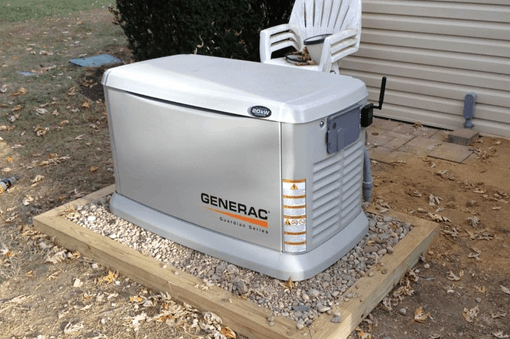
Asharoken is a small village, and we treat every installation like it matters—because it does. You’re trusting us with your home’s electrical system and your family’s safety. We take that seriously, whether it’s a straightforward Generac whole house generator or a more complex setup that requires custom electrical work.
First, we come out for a free estimate. We’ll look at your home’s electrical panel, discuss your power needs, and figure out what size generator makes sense. Most homes in Asharoken need a 13 to 20 kW unit to cover the whole house, but it depends on square footage and what you’re running.
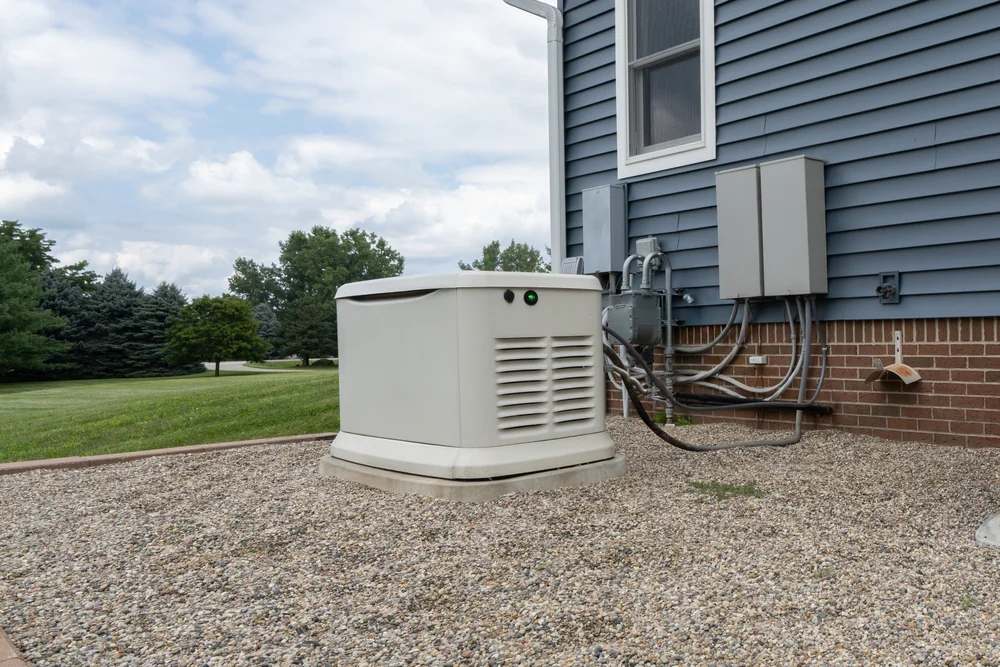
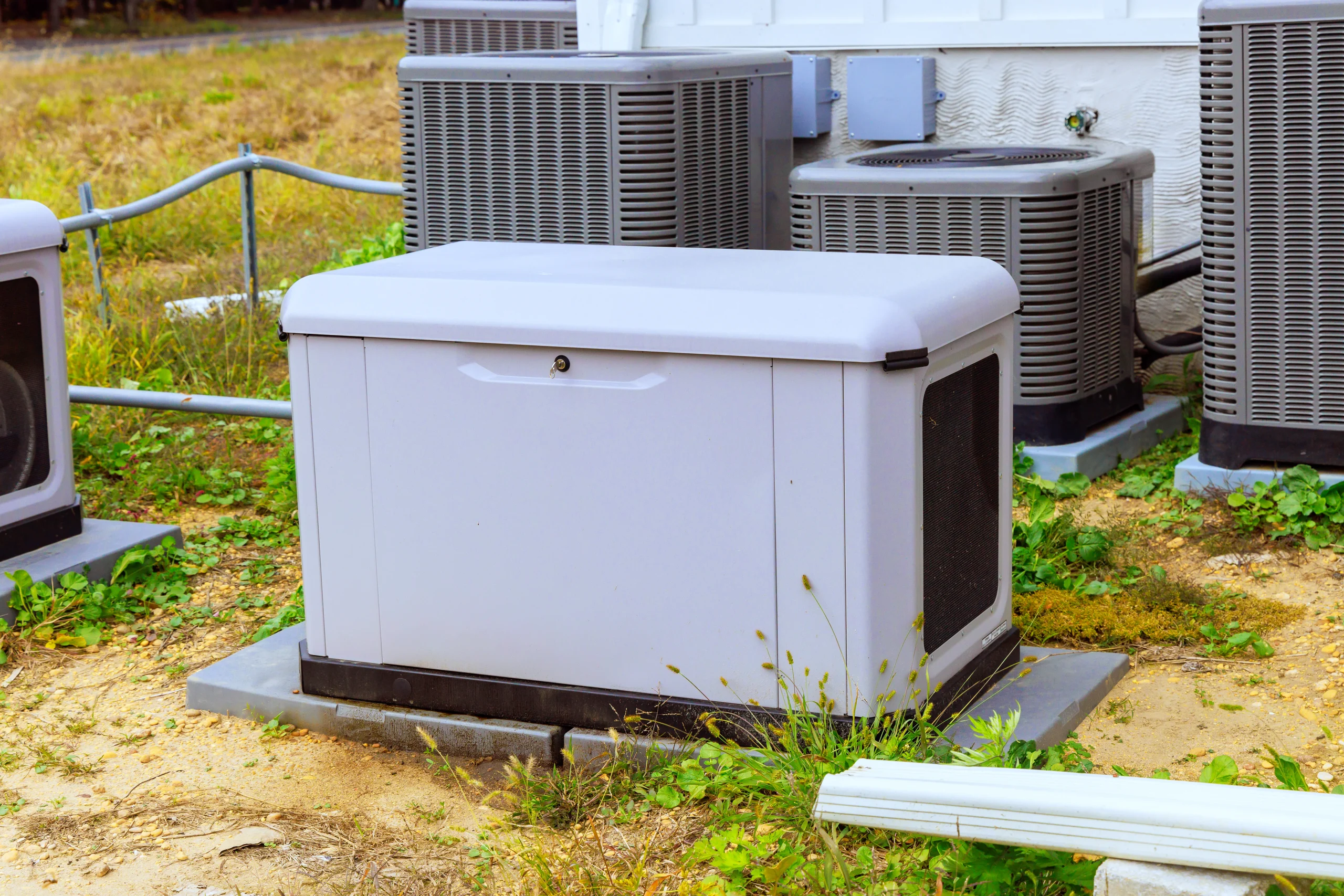
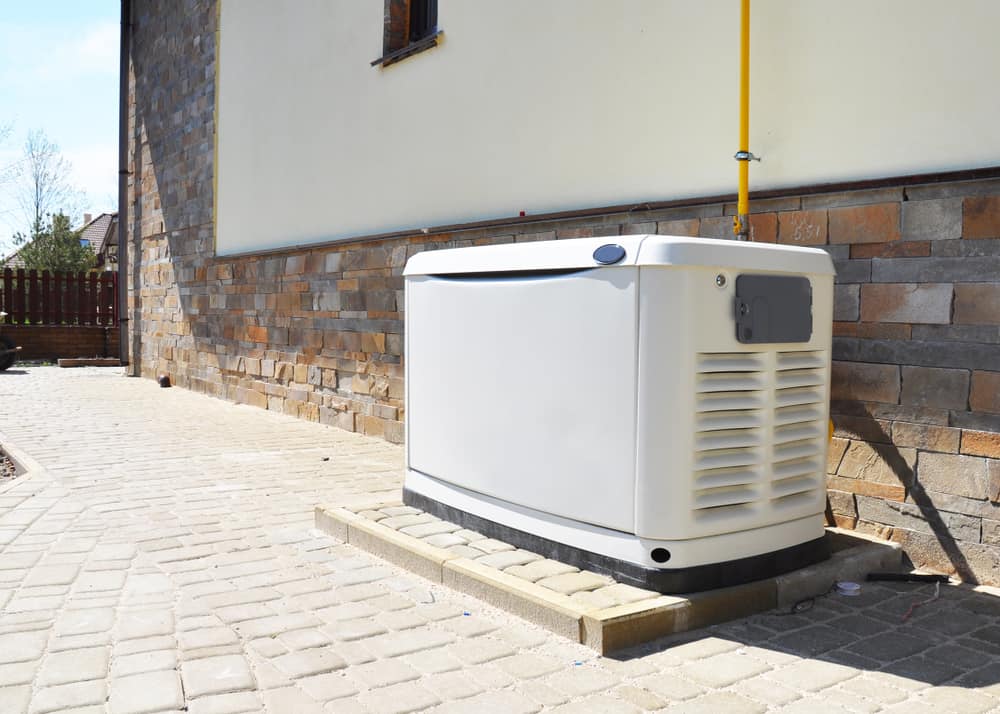
Once you approve the estimate, we handle the permitting and schedule the installation. We’ll set the generator on a concrete pad near your home, connect it to your natural gas line or propane tank, and wire it into your electrical panel with a transfer switch. That switch is what tells your home to pull power from the generator when the grid goes down.
After everything’s installed, we test the system to make sure it fires up correctly and transitions smoothly. We’ll walk you through how it works, though honestly, you won’t need to do much. The generator monitors itself, runs a self-test every week, and kicks on automatically during an outage. You just go about your day while it handles the rest.
Ready to get started?
A whole house generator installation in Asharoken typically runs between $6,000 and $11,000, depending on the unit size and how much electrical work is involved. That includes the generator itself, the transfer switch, installation labor, and any necessary permits.
You’re not just buying a piece of equipment. You’re getting a system that can last 15 to 30 years with basic maintenance. You’re protecting appliances and electronics worth thousands of dollars. You’re avoiding the cost of spoiled food, hotel stays during extended outages, and potential damage from frozen pipes or failed sump pumps.
Some homeowners in Asharoken also see insurance premium discounts after installing a generator, since it’s recognized as a loss prevention tool. And if you ever sell, you’re looking at up to a 150% return on investment. Buyers in this area understand the value of backup power, especially with Long Island’s weather patterns and aging grid infrastructure.
The fuel source matters too. If you’ve got natural gas, the generator taps into your existing line. If you’re on propane, a 500-gallon tank can keep a generator running for a week or more, depending on your usage. Either way, you’re not dealing with gasoline or diesel that goes bad or runs out mid-outage.
Most whole house generator installations take one to two days, depending on the complexity of your electrical setup and whether we need to run new gas lines or upgrade your panel. If your home already has natural gas service and your electrical panel is in good shape, we’re usually done in a day.
The process involves setting the generator on a concrete pad, running electrical conduit to your panel, installing the transfer switch, and connecting to your fuel source. We also handle the permit process with the local building department, which can add a few days to the overall timeline before we start work.
Once the installation is complete, we test everything to make sure the generator starts properly and your home transitions to backup power without issues. You’ll be up and running the same day we finish, and the generator will start monitoring your electrical system immediately.
For most homes in Asharoken, a 13 to 20 kW generator covers the essentials and then some. That’s enough to run your HVAC system, refrigerator, lights, sump pump, security system, and most of your outlets without prioritizing what stays on.
The exact size depends on your home’s square footage and what you’re powering. A 3,000 square foot home with central air, a well pump, and multiple appliances usually needs at least a 20 kW unit. Smaller homes or those willing to manage loads can get by with a 13 to 16 kW generator.
We calculate the load during your estimate by looking at your electrical panel and discussing what you need to keep running during an outage. Some homeowners want the whole house covered. Others are fine skipping the pool heater or second AC unit to save on the upfront cost. Either way, we’ll size the generator so it handles your actual needs without paying for capacity you won’t use.
No. That’s the whole point of a home standby generator installation. The system monitors your electrical service 24/7, and when it detects an outage, it starts automatically within 10 to 30 seconds. Your home switches over to generator power without you touching anything.
You won’t be flipping breakers, pulling a starter cord, or running outside in bad weather. The transfer switch handles everything. When utility power comes back, the generator runs for a few minutes to cool down, then shuts off and reconnects your home to the grid.
The only thing you’ll notice is a brief flicker when the transfer happens, and then everything’s back to normal. Your generator will also run a self-test once a week for about 10 minutes to make sure it’s ready when you need it. You’ll hear it, but it’s not doing anything that requires your attention.
Home standby generators need basic maintenance once or twice a year, similar to your car. That includes changing the oil and air filter, checking the battery, and inspecting the unit for any wear or issues. Most manufacturers recommend professional service annually.
Generac generators, which we install frequently in Asharoken, are built to require minimal upkeep. They run a self-diagnostic test every week, so you’ll know if something’s wrong before an actual outage happens. The units are designed to last 15 to 30 years with routine care.
You can handle some of the basics yourself if you’re comfortable with it, but most homeowners prefer to have us come out annually to make sure everything’s in good shape. We’ll also check the transfer switch, test the startup sequence, and confirm that the generator’s producing the right voltage. It’s a small investment to make sure the system works when you actually need it.
Yes. Whole house generators typically return 100% to 150% of their cost when you sell, and they can increase your home’s overall value by around 5%. In a market like Asharoken, where properties are high-value and buyers expect quality infrastructure, a generator is a real selling point.
Buyers know what it’s like to lose power on Long Island. They’ve dealt with spoiled food, cold houses, and the hassle of finding a hotel during extended outages. A home that already has backup power installed is more attractive than one that doesn’t, especially to families with kids, retirees, or anyone working from home.
Beyond resale value, you’re also protecting the investment you’ve already made in your home. A generator keeps your sump pump running during storms, prevents frozen pipes in winter outages, and protects expensive appliances from power surges when the grid comes back online. It’s not just about what you get back when you sell. It’s about avoiding costly damage while you’re living there.
Yes, if the generator is sized correctly. A properly installed whole home generator installation in Asharoken will power everything you need—HVAC, kitchen appliances, lights, outlets, security systems, and more. You won’t be choosing between the refrigerator and the heat.
The key is matching the generator’s capacity to your home’s electrical load. During your estimate, we calculate what your home draws during peak usage and recommend a generator that can handle it. Most homes need between 13 and 20 kW, but larger properties or homes with higher electrical demands may need a 22 kW or bigger unit.
Once it’s installed, you’ll use your home exactly like you normally would during an outage. You’re not rationing power or unplugging things to keep the generator from overloading. It’s designed to carry the full load, and the transfer switch makes sure everything runs safely and smoothly until utility power is restored.
Other Services we provide in Asharoken