When the next storm knocks out power across Suffolk County, your lights come back on in under 20 seconds. Your food doesn’t spoil. Your sump pump keeps running. Your family stays comfortable, and if anyone in your house depends on medical equipment, there’s no scrambling for solutions.
That’s what a properly installed home standby generator does. It monitors your power 24/7, and the second an outage hits, it kicks in automatically. You don’t flip a switch or drag anything outside. The system handles it.
This matters in Bellport because outages aren’t rare. Suffolk County ranks seventh in New York for power disruptions, and coastal weather means you’re dealing with nor’easters, tropical systems, and ice storms that can leave neighborhoods dark for days. A whole house generator installation in Bellport, NY means you’re not one of the families sitting in the cold, throwing out groceries, or checking into a hotel.
We’ve been handling electrical work in Suffolk County since 2004. We’re fully licensed and insured, and we’ve installed backup generator systems in Bellport, NY for homeowners who need reliable power without the runaround.
You’re not getting a crew that shows up in unmarked trucks or gives you a different price at the end of the job. Every estimate is upfront, every installer is uniformed, and every project gets handled with the permits and inspections Suffolk County requires. We’ve earned the Angie’s List Super Service Award seven years running because we show up on time, do the work right, and don’t leave until it’s done correctly.
Bellport homeowners deal with specific challenges—coastal exposure, older electrical panels, and strict local codes. We know how to navigate Suffolk County building departments, work with PSEG Long Island interconnection requirements, and size systems that actually match your home’s load.
First, we come to your Bellport home and assess your electrical panel, your fuel source, and what you actually need to keep running during an outage. Not every home needs a 26-kilowatt system, and we’re not going to sell you one if a 16-kilowatt unit covers your essentials. We’ll walk through your priorities—whole house coverage or critical circuits—and give you an upfront price that includes the generator, transfer switch, installation, permits, and inspections.
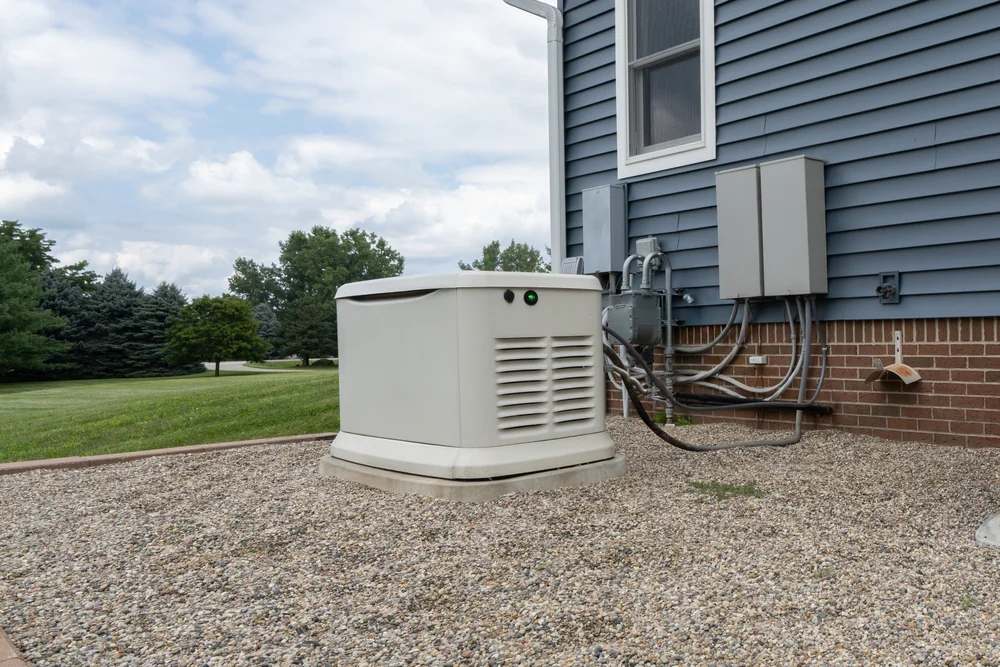
Once you approve the estimate, we handle the permits with the Town of Brookhaven and coordinate inspections. Then we install the generator on a concrete pad outside your home, run the fuel line (natural gas or propane, depending on what you have), wire the automatic transfer switch into your electrical panel, and connect everything to code. The transfer switch is what makes the system automatic—it detects the outage and signals the generator to start without you lifting a finger.
After installation, we test the system to make sure it fires up correctly and transfers your load smoothly. We walk you through basic operation and maintenance, and then you’re set. The generator runs a self-test every week to make sure it’s ready when you need it.
Ready to get started?
A proper home generator installation in Bellport, NY isn’t just dropping a unit on your lawn and calling it done. You’re getting a system that’s sized correctly, installed to code, and connected safely to your home’s electrical and fuel systems.
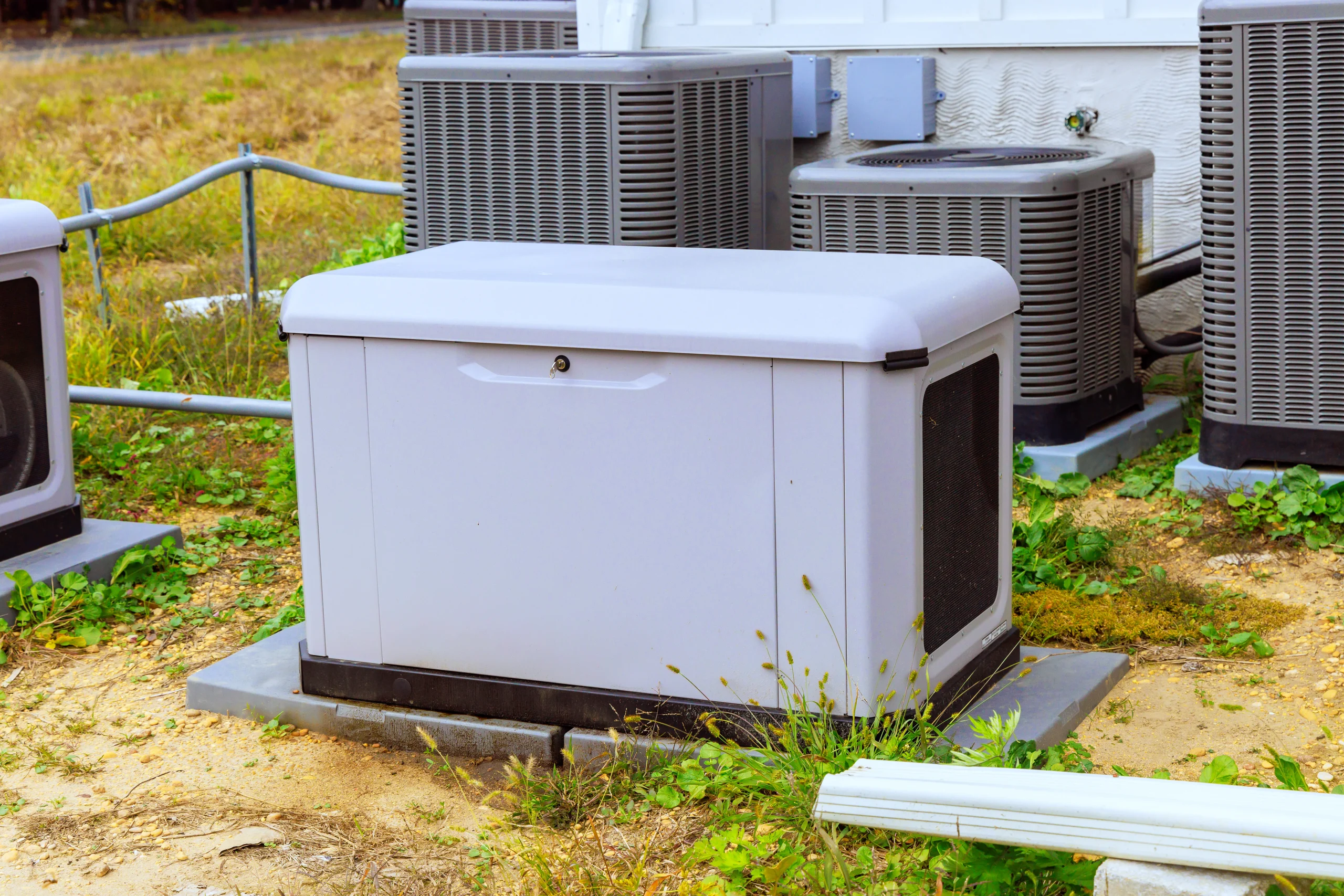
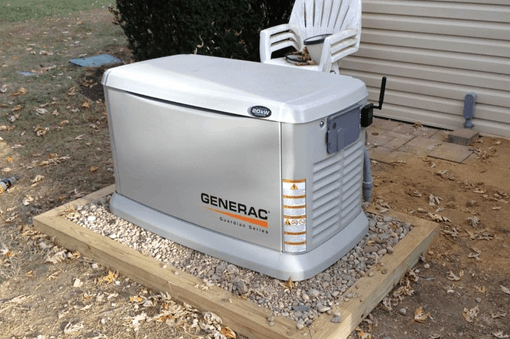
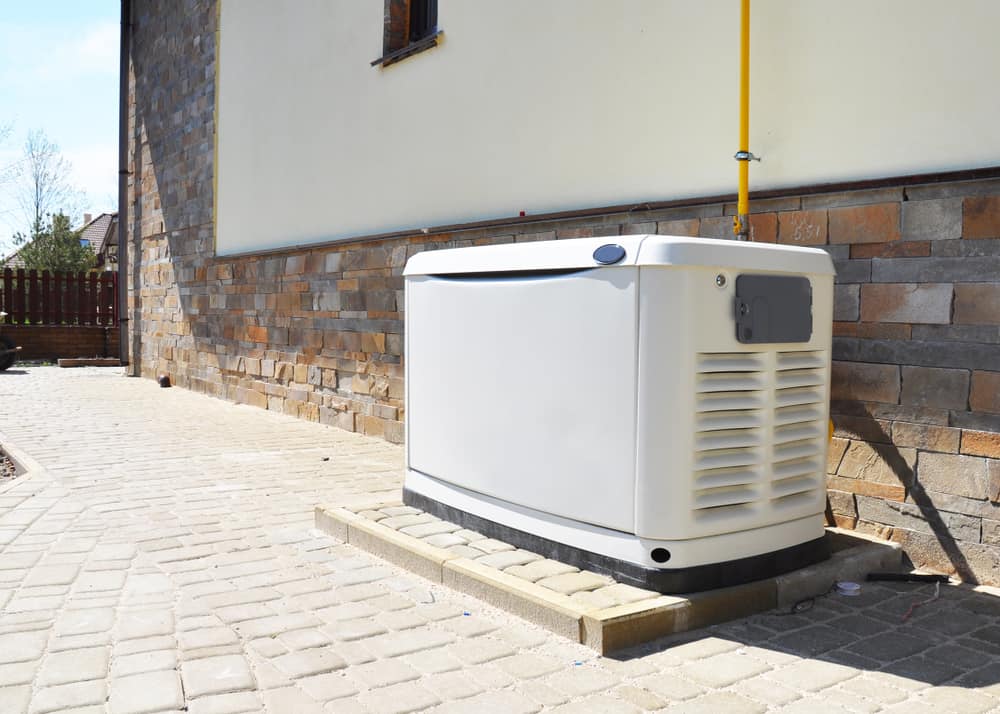
That means we’re handling the site evaluation, load calculation, generator placement, concrete pad installation, fuel line connection (whether you’re running natural gas or propane), automatic transfer switch wiring, electrical panel integration, permit applications, and final inspections. Every Generac whole house generator we install comes with a manufacturer’s warranty, and all our work is backed by our satisfaction guarantee.
In Bellport, most homes run on natural gas from National Grid, which gives you unlimited fuel supply during an outage. If your home uses propane, we’ll connect to your existing tank or help you size a new one. Coastal homes here also deal with salt air and moisture, so we make sure your generator is positioned and protected to handle Long Island’s environment. Suffolk County has seen a 72% reduction in outage duration in storm-hardened areas, but that doesn’t mean you’re immune—and when the power does go out, you want a system that works the first time.
Whole house generator installation in Bellport typically runs between $7,000 and $20,000, depending on the size of the system and your home’s electrical setup. A 16-kilowatt generator that covers essential circuits—refrigerator, heating system, sump pump, some lights—sits on the lower end. A 26-kilowatt system that powers your entire home, including central air conditioning, costs more.
The price includes the generator itself, the automatic transfer switch, installation labor, electrical and fuel line work, permits, and inspections. Homes with older electrical panels may need an upgrade before installation, which adds to the cost but ensures your system operates safely and meets code.
We give you an upfront estimate after evaluating your home, so you know exactly what you’re paying before any work starts. No surprise bills, no hidden fees. If your setup is straightforward and your panel is up to date, you’re looking at the lower end of that range. If we need to run a longer fuel line or upgrade your panel, we’ll tell you that during the estimate.
Most home standby generator installations in Bellport, NY take one to two days once permits are approved. The actual installation—setting the generator, running the fuel line, wiring the transfer switch, connecting everything—usually wraps up in a day if your electrical panel and fuel source are ready to go.
The timeline depends on a few things. If your home needs an electrical panel upgrade or we’re running a longer propane line, that adds time. Permit approval through the Town of Brookhaven typically takes a week or two, depending on their workload. We handle all the permit paperwork, so you’re not dealing with the building department yourself.
After installation, the system needs a final inspection before it’s fully operational. We coordinate that inspection and make sure everything passes the first time. From the day you approve the estimate to the day your generator is live and tested, you’re usually looking at two to three weeks total, with most of that time being permit processing, not actual work.
Yes, you need a permit from the Town of Brookhaven to install a home generator in Bellport, NY. The permit covers the electrical work, the fuel line connection, and the generator placement. Suffolk County has specific codes for generator installations, and the town inspects the work to make sure it meets safety standards.
We handle the entire permit process for you. That includes submitting the application, providing the technical specs for your system, and scheduling the required inspections. You don’t need to visit the building department or figure out what paperwork they need—we’ve done this enough times to know exactly what Brookhaven requires.
Skipping the permit isn’t worth it. An unpermitted generator can cause issues when you sell your home, and your homeowner’s insurance may not cover damage from an improperly installed system. The permit also ensures your transfer switch is wired correctly, which prevents backfeeding power into the grid and putting utility workers at risk. It’s not red tape—it’s making sure your system is safe and legal.
Most homes in Bellport need a generator between 16 and 26 kilowatts, depending on what you want to keep running during an outage. A 16-kilowatt unit handles essential circuits—your refrigerator, heating system, well pump if you have one, sump pump, and some lights and outlets. A 22 to 26-kilowatt system powers your whole house, including central air conditioning.
The right size depends on your home’s electrical load. We calculate that by looking at your electrical panel, identifying which circuits you want backed up, and adding up the wattage. If your home has electric heat, a large central AC unit, or multiple high-draw appliances, you’ll need more capacity. If you’re fine keeping just the essentials running, a smaller unit works and costs less.
Oversizing wastes money, and undersizing means your generator can’t handle the load when everything tries to run at once. We size systems based on your actual needs, not a one-size-fits-all formula. During the estimate, we’ll walk through your priorities and recommend a system that matches your home and your budget.
If your Bellport home already has natural gas service, that’s usually the better option. Natural gas gives you unlimited fuel supply during an outage—you’re not worrying about refilling a tank or running out of propane in the middle of a multi-day blackout. The fuel line connects directly to your existing gas service, and the generator pulls what it needs as it runs.
Propane works well if your home isn’t connected to natural gas or if you already have a propane tank for heating or cooking. You’ll need a tank large enough to run the generator for several days—most homeowners go with a 500-gallon or larger tank. Propane has a longer shelf life than gasoline and burns cleaner, but you do need to monitor your fuel level and schedule refills.
Both fuels are reliable and safe when installed correctly. Natural gas is more convenient because you never have to think about it. Propane gives you fuel independence, which some homeowners prefer. We’ll recommend the best option based on what your home already has and what makes sense for your setup. Either way, the generator runs the same—automatically and without you having to do anything when the power goes out.
Your home standby generator needs professional maintenance once a year to keep it running reliably. That service includes changing the oil and filters, inspecting the battery, checking the fuel system, testing the transfer switch, and running the unit under load to make sure everything operates correctly.
Generac generators run a self-test every week—usually for about 15 minutes—to keep the engine lubricated and the battery charged. You’ll hear it cycle on, but it’s not using much fuel and it’s not powering your house during that test. That weekly run helps catch small issues before they become big problems, but it doesn’t replace annual maintenance.
Skipping maintenance is how you end up with a generator that won’t start when you actually need it. Batteries fail, oil breaks down, and fuel systems can develop issues if they sit too long without attention. Most manufacturers require annual service to keep the warranty valid, so it’s not optional if you want your coverage to stay active. We offer maintenance plans that handle the service for you, so you’re not trying to remember when it’s due or finding someone to do the work.
Other Services we provide in Bellport