You’re not wondering if your food will spoil or if your sump pump will fail during the next storm. Your generator turns on automatically within seconds of an outage, and everything that matters stays running.
Your home office doesn’t go dark mid-meeting. Your HVAC keeps the house comfortable. Security systems stay active. Medical equipment never loses power. You’re not scrambling for flashlights or wondering how long this one will last.
Long Island saw major weather events average nearly nine hours of outages in 2024. That’s double what we dealt with a decade ago. A whole house generator installation in Centerport means you’re not part of that statistic anymore. You’re the house on the block with the lights on while everyone else is in the dark.
We’ve been installing home standby generators across Suffolk County for over 20 years. We’re fully licensed and insured, and every installation meets code requirements without shortcuts.
You’ll see our branded trucks and uniformed crew. You’ll get upfront pricing before we start. And you’ll have access to us 24/7 if something urgent comes up, because electrical emergencies don’t wait for business hours.
Centerport homeowners deal with the same grid vulnerabilities as the rest of Long Island. Aging infrastructure, coastal weather patterns, and increasing demand all add up to more frequent outages. We’ve installed backup generator systems throughout this area long enough to know what works and what your home actually needs.
We start with a free estimate at your Centerport home. We’ll look at your electrical panel, discuss which circuits you want backed up, and determine the right generator size. Whole house coverage is different than just keeping your essentials running, and the cost reflects that.
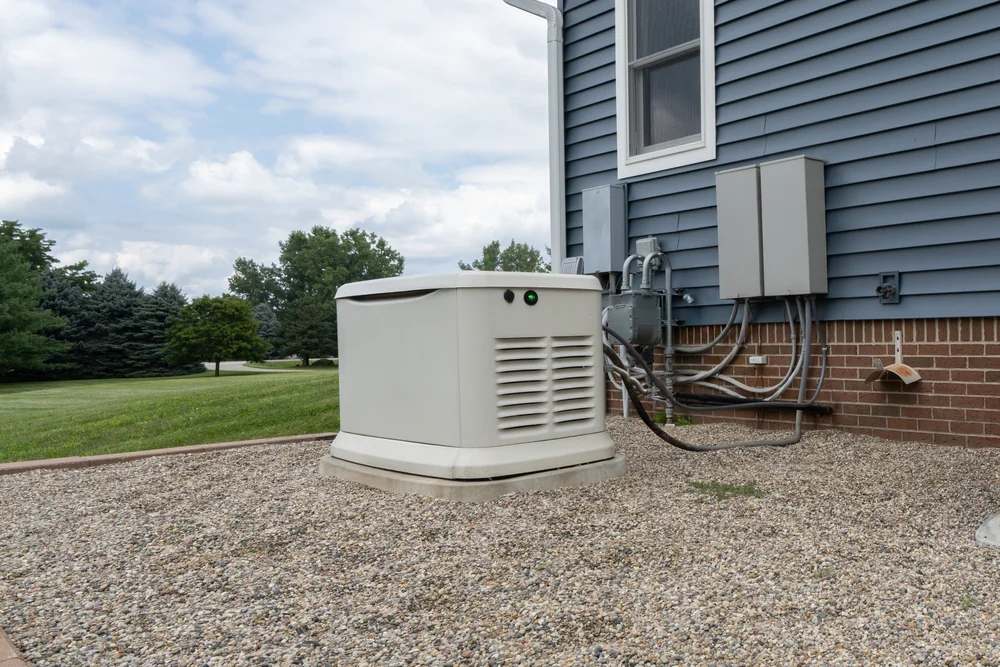
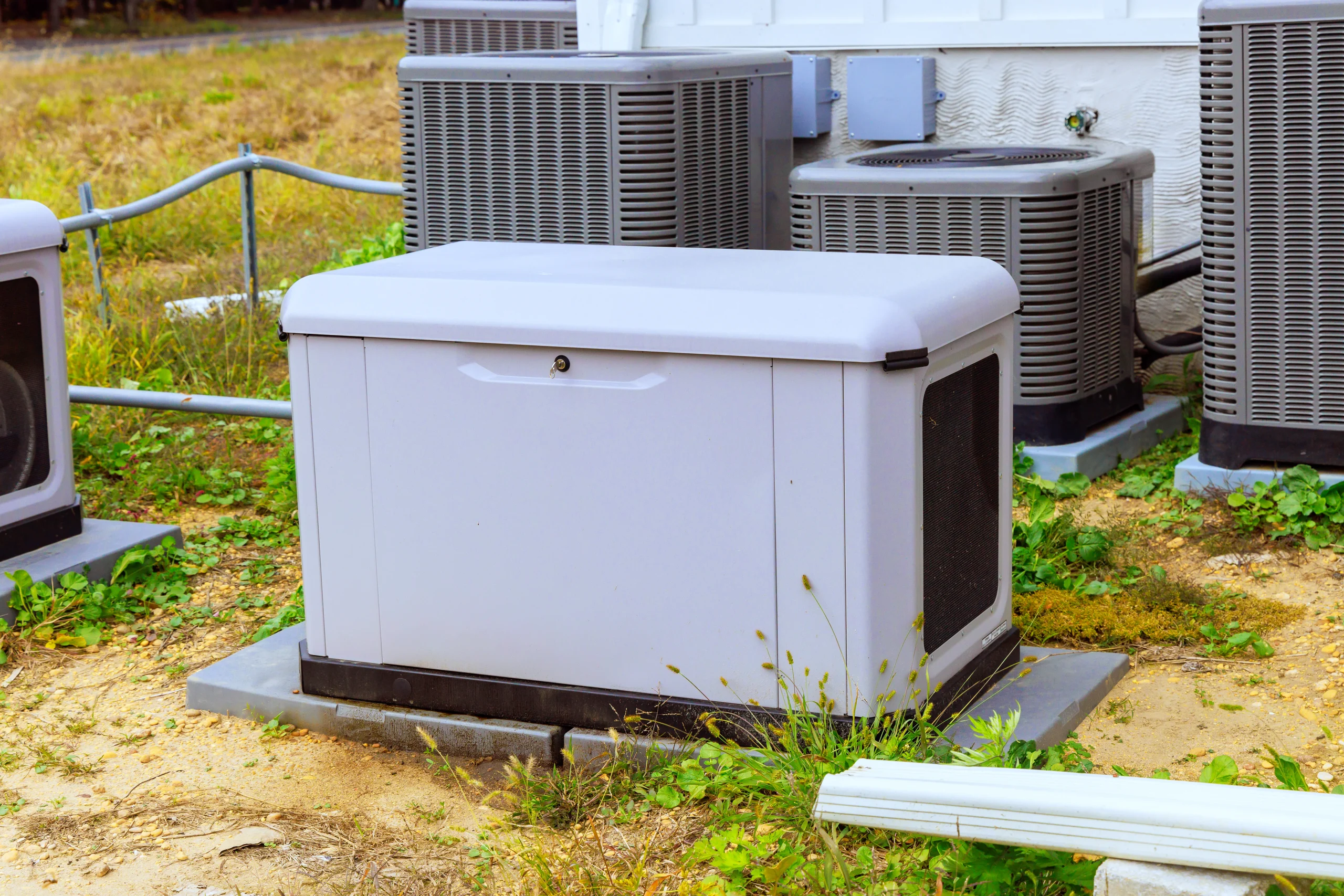
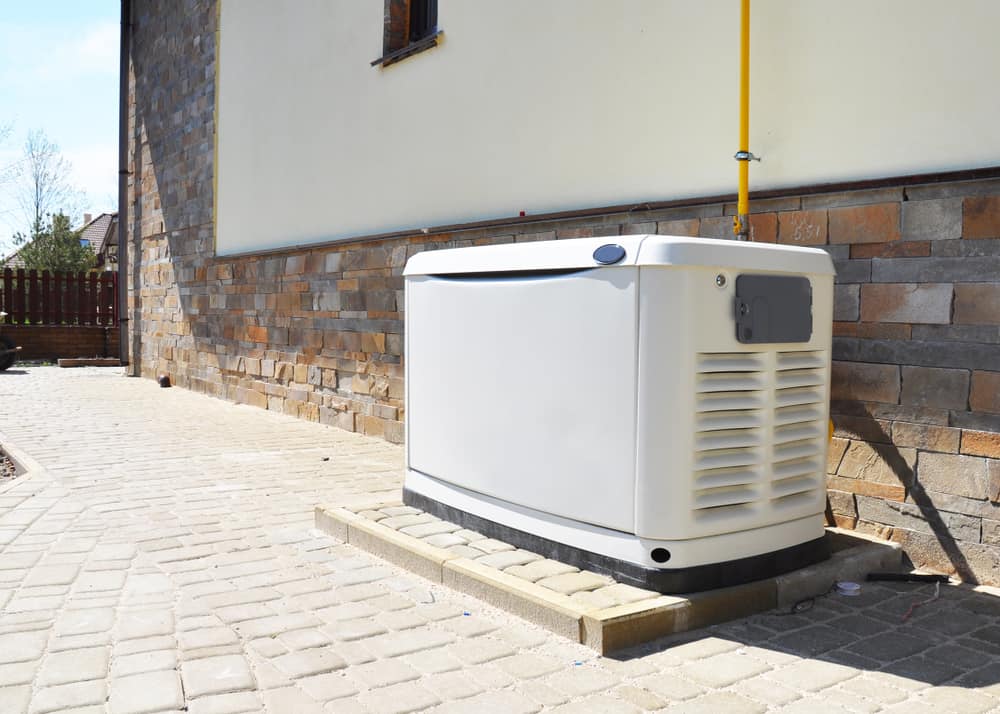
Once you approve the estimate, we handle the permits and schedule the installation. The generator gets positioned outside your home, usually on a concrete pad near your gas line or propane tank. We run the electrical connections, install the automatic transfer switch, and connect your fuel source.
The transfer switch is what makes this automatic. When it detects an outage, it signals the generator to start and switches your home’s power source within seconds. When utility power returns, it switches back and shuts the generator down. You don’t touch anything.
After installation, we test the entire system to make sure everything transfers properly and your selected circuits receive power. We’ll walk you through basic operation and maintenance requirements before we leave. Most home standby generators need professional servicing once or twice a year to stay reliable.
Ready to get started?
Your whole house generator installation in Centerport includes the generator unit, automatic transfer switch, concrete pad or mounting platform, all electrical connections, fuel line hookup, and permit acquisition. We coordinate inspections and make sure everything passes before we consider the job complete.
Generator sizing matters more than most homeowners realize. An undersized unit won’t power everything you need. An oversized one costs more upfront and wastes fuel. We calculate your actual load requirements based on what you want running during an outage, not just what sounds good in a sales pitch.
Fuel type depends on what’s available at your property. Natural gas is convenient if you’re already connected to the gas line. Propane works well for homes without natural gas service, though you’ll need adequate tank capacity. Both options provide automatic operation without refueling during extended outages.
Suffolk County has specific requirements for generator installations, including setback distances from property lines and noise ordinances. We handle compliance as part of the installation. Your generator will be positioned correctly and won’t create issues with neighbors or local code enforcement.
Whole house generator installation in Centerport typically ranges from $8,000 to $15,000, depending on the size of your home and how much you want to power during an outage. That includes the generator unit, automatic transfer switch, installation labor, permits, and fuel connections.
A smaller standby generator that covers essential circuits like refrigerators, some lights, and your heating system runs less than a full-coverage system that includes central air conditioning and every outlet in your home. Most homeowners don’t need to power absolutely everything, which keeps costs reasonable.
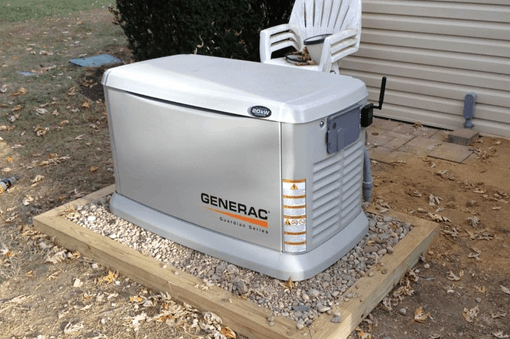
The brand matters too. Generac whole house generators are common in this area and have good parts availability. Other manufacturers like Kohler and Briggs & Stratton offer comparable quality at different price points. We’ll give you options during your free estimate so you can see exactly what fits your budget and coverage needs.
Most home standby generator installations in Centerport take one to two days once we have permits approved and the equipment delivered. The timeline depends on your electrical panel condition, how far we need to run fuel lines, and whether we’re installing a new concrete pad.
If your electrical panel needs upgrading to handle the transfer switch properly, that adds time to the project. Older panels sometimes can’t support modern generator systems safely, and we won’t install on substandard equipment. That’s not upselling, that’s keeping your home safe and making sure the generator actually works when you need it.
Permit approval through Suffolk County usually takes a week or two, sometimes longer during busy periods. We submit everything and coordinate inspections, but we can’t control government processing times. Once we start the physical installation, though, you’re typically up and running within 48 hours.
A professionally installed whole house generator typically increases home value by 3% to 5% in areas with frequent power outages like Long Island. That’s real equity, not just a nice feature to mention when you eventually sell.
Buyers in Centerport and surrounding Suffolk County areas know what power outages mean here. They’ve dealt with spoiled food, flooded basements from failed sump pumps, and uncomfortable houses during summer outages. A home with backup power already installed removes that concern completely.
The return on investment can reach 150% in some cases, especially if you’re selling during or shortly after a major weather event when outages are fresh in everyone’s mind. Even without perfect timing, it’s a selling point that differentiates your home from comparable properties without backup power. You’re not just recouping installation costs, you’re making your home more attractive to serious buyers who value reliability.
Generator sizing depends on what you want powered during an outage, not just your home’s square footage. A 2,000 square foot home might need a 20kW generator if you want whole house coverage including central air, or a 12kW unit if you’re okay with just essentials.
We calculate your actual electrical load by adding up the wattage of everything you want running simultaneously. Central air conditioning is the biggest draw for most homes, followed by electric heating systems, well pumps, and large appliances. If you can live without AC during outages, you can use a smaller generator and save several thousand dollars.
Most Centerport homes do well with generators between 14kW and 24kW for comprehensive coverage. Larger homes with multiple HVAC zones, pools, or heavy workshop equipment might need more capacity. We’ll do the load calculation during your estimate and show you exactly what different sizes will power, so you’re choosing based on real information instead of guessing.
Yes, you need permits for home generator installation in Centerport and throughout Suffolk County. This covers both the electrical work and the generator placement, and inspections are required before the system can legally operate.
We handle permit applications as part of your installation. You don’t need to visit town offices or figure out what paperwork is required. We submit everything, schedule inspections, and make sure the installation passes on the first try. That’s included in your installation cost, not an extra fee.
Skipping permits might seem like a way to save money, but it creates serious problems. Your homeowner’s insurance can deny claims related to unpermitted work. You’ll have issues when you sell the home and the buyer’s inspector finds an unpermitted generator. And if something goes wrong, you’re liable because the installation was never approved. Permits exist for safety reasons, and we don’t cut corners on them.
Your home standby generator needs professional maintenance once or twice a year, depending on the manufacturer’s recommendations and how often it runs. This isn’t optional if you want the generator to actually start when you lose power.
Maintenance includes oil and filter changes, spark plug inspection, battery checks, and testing the transfer switch operation. We also look for fuel leaks, check electrical connections, and make sure the unit isn’t showing signs of wear that could cause failure during the next outage.
Most generators self-test weekly by running for 10-15 minutes, which keeps internal components lubricated and the battery charged. That’s automatic and doesn’t require your involvement. But the annual service catches problems before they leave you without backup power when a storm hits. A generator that hasn’t been maintained might not start, or it might run for an hour and quit. Regular service prevents that.
Other Services we provide in Centerport