You’ve been through it before. Hurricane Sandy left over half a million Long Island residents without power for more than a week. Tropical Storm Isaias knocked out power to 400,000 customers in 2020, many waiting days for restoration.
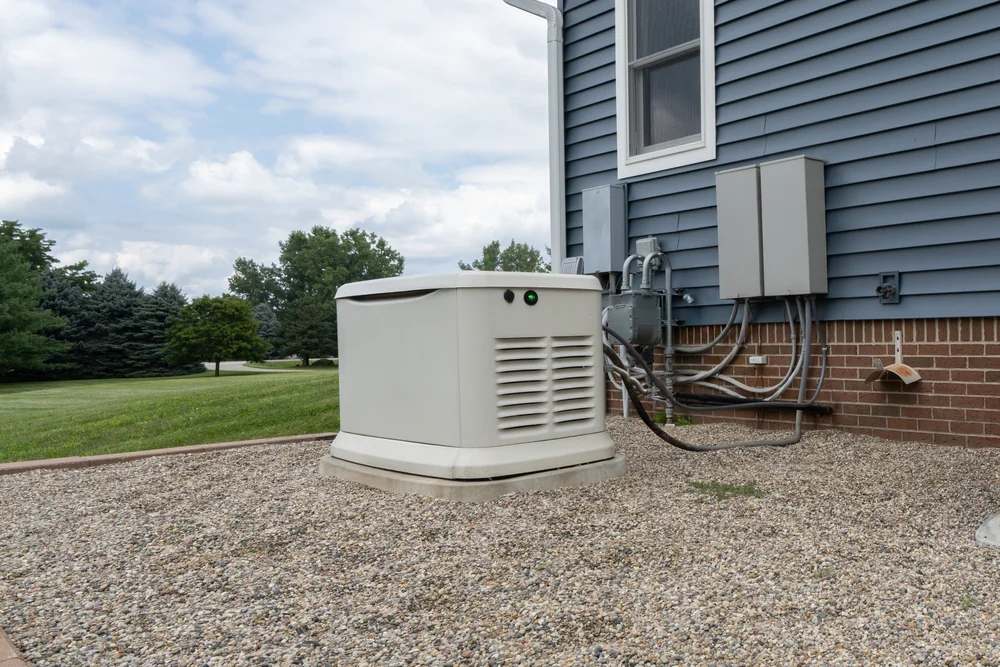
A whole house generator installation in Commack means you’re not part of that statistic anymore. Your lights stay on. Your refrigerator keeps running. Your well pump still works so you have water. Your sump pump protects your basement. If you work from home, you’re still online while everyone else is offline.
The system kicks on automatically within 10 to 30 seconds of an outage. You don’t flip a switch or go outside in the storm. It just works. And it keeps working for as long as you need it, running on your existing natural gas line or propane supply.
This isn’t about convenience. It’s about protecting what you’ve built and keeping your family safe when the power company can’t deliver.
We’ve handled electrical work across Suffolk County for over 20 years. We’re fully licensed and insured, and we’ve earned the Angie’s List Super Service Award seven years running.
That’s not marketing talk. It means we show up when we say we will, we price the job upfront with no surprise bills, and we install your backup generator installation in Commack the right way the first time.
You’ll see our branded trucks and uniformed electricians. You’ll get clear communication from estimate to final inspection. And if something’s not right, we make it right. That’s the standard we’ve held since we started serving Commack and the rest of Suffolk County.
We start with a free estimate at your property. We’ll look at your electrical panel, determine what size generator you need based on what you want to power, and check your fuel source. You’ll get upfront pricing before any work begins.
Once you’re ready to move forward, we handle the permits and schedule the installation. We pour a concrete pad if needed, install the generator unit, connect it to your electrical panel through an automatic transfer switch, and tie it into your natural gas or propane line. Everything gets tested to make sure it fires up correctly when the power drops.
The whole process typically takes one to two days depending on your setup. We clean up completely when we’re done. You’ll know exactly how to monitor your system, and we’ll walk you through the basics of operation and maintenance before we leave.
After installation, your home standby generator in Commack runs a self-test weekly to make sure it’s ready when you need it. You’ll barely notice it’s there until the lights go out on your street and yours stay on.
Ready to get started?
A professionally installed whole house generator installation in Commack typically runs between $10,000 and $15,000 for most homes. That includes the generator unit, automatic transfer switch, installation labor, concrete pad, gas line connection, electrical integration, permits, and startup testing.
The size you need depends on what you’re powering. A smaller unit that covers essentials like your refrigerator, well pump, some lights, and a few outlets costs less than a system that runs your entire home including central air. We size it based on your actual needs, not what sounds impressive.
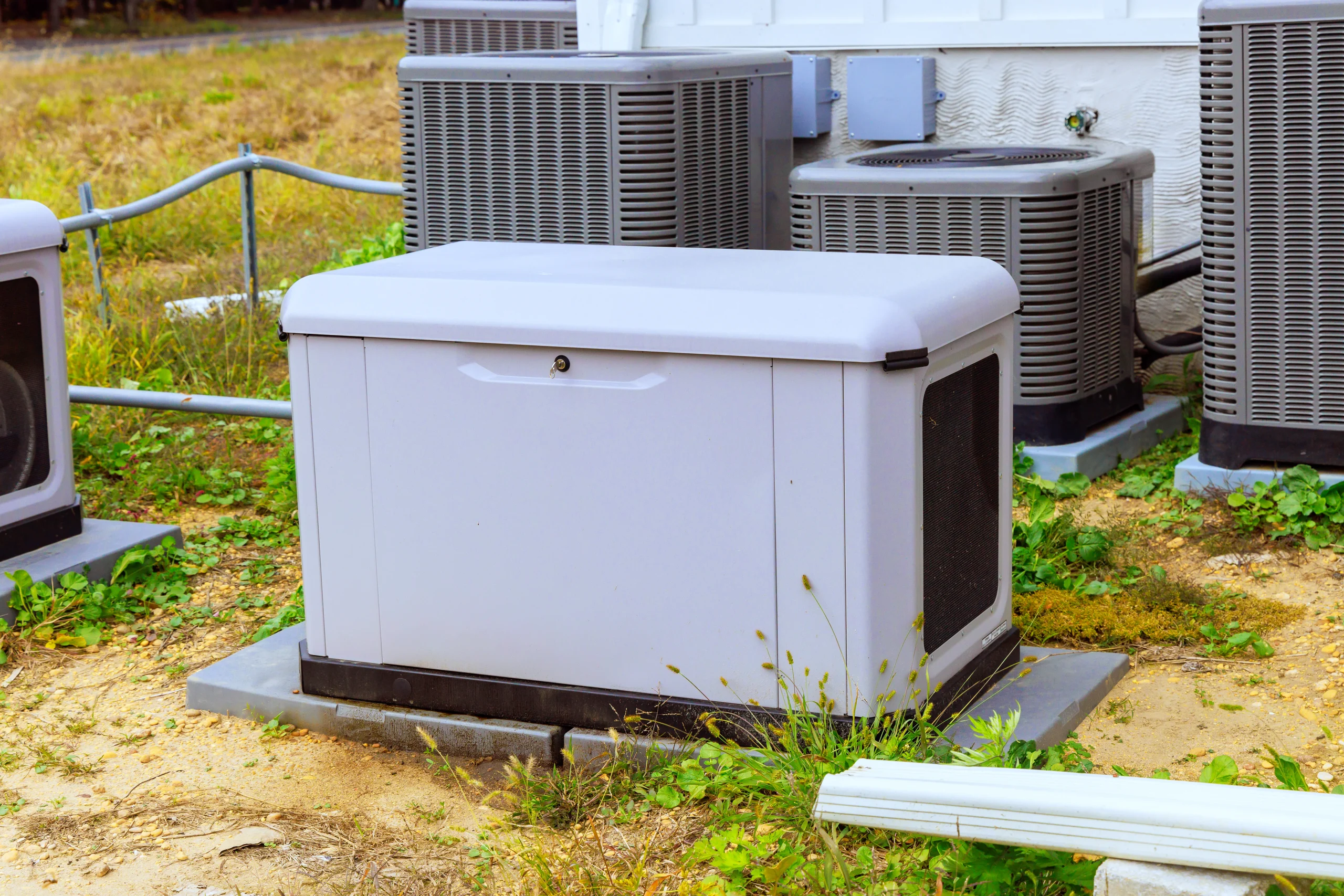
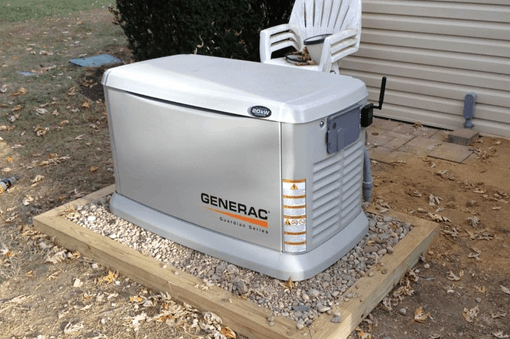
Generac whole house generators are common in this area because they’re reliable and parts are available when you need service. They run on natural gas or liquid propane, so you’re not storing gasoline or dealing with fuel stabilizers. The system is designed to last 20 to 30 years with regular maintenance.
Long Island sees its share of severe weather. Nor’easters, hurricanes, summer storms that drop trees on power lines. PSEG does what they can, but when hundreds of thousands of customers lose power at once, restoration takes time. Your generator doesn’t wait for the utility company to get to your street.
Most home standby generator installations in Commack take one to two days from start to finish. Day one typically involves setting the concrete pad, positioning the unit, and running the gas line. Day two covers the electrical connections, transfer switch installation, and system testing.
Weather can add time if we’re pouring concrete in cold conditions. Complex electrical panel upgrades might extend the timeline. Permit approval usually happens before we start, but inspections are scheduled after installation.
You’ll have a clear timeline before work begins. We don’t leave jobs half-finished or drag them out. You’re scheduling your life around this installation, and we respect that.
It depends on what you want to run during an outage. A 22kW generator handles most essential systems for an average home: refrigerator, well pump, sump pump, some lights, a few outlets, and your heating system. If you want to run central air conditioning and your entire home without thinking about what’s on, you’re looking at a 24kW to 26kW unit.
We calculate the load based on your electrical panel and what circuits you prioritize. Homes with electric heat, multiple AC units, or large well pumps need more capacity. Smaller homes with gas heat and modest electrical needs can get by with less.
During your free estimate, we’ll look at your actual setup and recommend the right size. Oversizing costs you more upfront and in fuel. Undersizing means you’re making compromises during an outage. We size it correctly the first time.
Yes. Any permanent generator installation in Commack requires electrical and building permits from the Town of Smithtown. You’ll also need approval from your utility company before connecting to a natural gas line.
We handle the permit applications as part of the installation process. That includes submitting plans, coordinating inspections, and making sure everything meets New York State electrical code and local requirements.
Skipping permits might save money short-term, but it creates problems when you sell your home or file an insurance claim after storm damage. Inspectors verify that the transfer switch is installed correctly, the gas line is properly sized, and the unit is positioned safely. It’s not red tape. It’s making sure your house generator installation in Commack is safe and legal.
Typically, yes. Industry data shows whole home generator installations can increase home value by 3% to 5%, with some sources reporting up to a 150% return on investment in areas prone to power outages.
Long Island’s history with extended outages makes backup power attractive to buyers. When you’re competing with similar homes on the market, having a generator already installed is a selling point. Buyers know what it costs to install one, and they know what it’s like to lose power for a week.
That said, you’re not installing a generator purely as an investment. You’re installing it because you’re tired of dealing with outages, you need reliable power for medical equipment or a home office, or you want to protect your home from water damage when the sump pump loses power. The property value increase is a bonus, not the reason.
Modern standby generators run at about 60 to 70 decibels from 20 feet away, roughly the volume of a normal conversation or background music. You’ll hear it when it’s running, but it’s not the loud rumble of a portable construction generator.
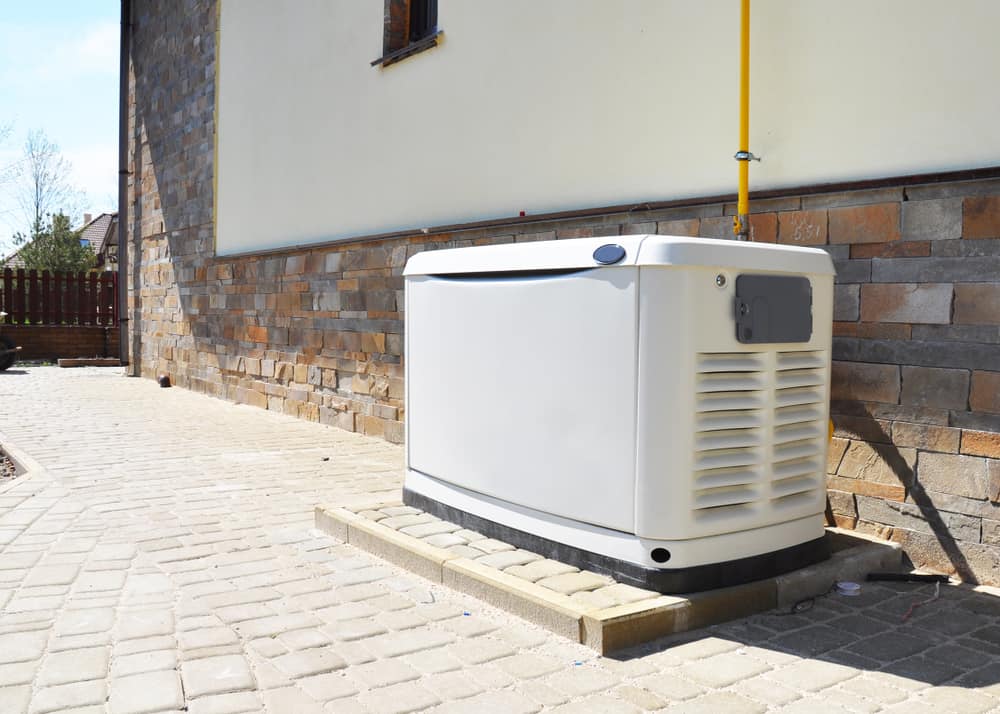
Placement matters. We position the unit to minimize noise impact on your home and your neighbors, usually on the side or back of the house. The unit sits on a concrete pad with vibration dampening, which helps reduce noise transmission.
Your generator runs a brief self-test once a week, usually lasting 10 to 15 minutes. During an actual outage, it runs continuously until power is restored. Most people adjust to the sound quickly, especially when they’re comparing it to sitting in a dark, cold house with no power.
Your generator needs an annual service visit, similar to your heating system or air conditioner. That includes changing the oil and air filter, checking the battery, inspecting electrical connections, testing the transfer switch, and running the unit under load to make sure everything operates correctly.
The system runs a self-test every week automatically, usually for 10 to 15 minutes. This keeps the engine lubricated and the battery charged. You don’t need to do anything. It just happens.
Between service visits, keep the area around the unit clear of debris, leaves, and snow. Check it visually every few months to make sure nothing looks damaged or corroded. That’s about it. These systems are designed to sit outside for decades with minimal attention, but that annual service visit keeps small issues from becoming expensive failures when you actually need the generator to run for days straight.
Other Services we provide in Commack