You’re not just buying a generator. You’re buying the ability to keep living normally when everyone else is scrambling for ice and hotel rooms.
Your refrigerator keeps running. Your sump pump stays on. Your security system doesn’t go dark. If you’ve got medical equipment that needs power or aging parents who can’t handle temperature extremes, you already know what’s at stake.
After Hurricane Sandy left over 600,000 Long Islanders without power for two weeks, the question isn’t whether you’ll lose power again. It’s whether you’ll be ready when it happens. A whole house generator installation in Cutchogue means you don’t evacuate, you don’t lose hundreds in spoiled food, and you don’t worry about frozen pipes or flooded basements while you’re stuck somewhere else.
The system kicks on automatically within seconds of an outage. You might not even notice the lights flickered. That’s the difference between a backup generator installation and hoping your portable unit starts in the rain.
We’ve been handling electrical work across Suffolk County since 2004. That’s over 20 years of panel upgrades, service calls, and generator installations in communities like yours.
We’re not a franchise. We’re local, licensed, and insured. When you call, you’re talking to people who’ve worked through the same storms you have and know exactly what Cutchogue homeowners face when the grid goes down.
You’ll get upfront pricing before any work starts. No surprises, no padding the bill. We’ve earned the Angie’s List Super Service Award seven years running because we show up on time, do the work right, and don’t leave until you’re satisfied.
First, we come to your home and figure out what you actually need. Not every house needs a 22kW unit. We’ll look at your electrical panel, talk through what you want to keep running during an outage, and size the system correctly.
Once you approve the estimate, we handle the permits. Then we prep the site—usually a concrete pad near your home where the generator will sit. We run the fuel line (natural gas or propane, depending on what you’ve got), connect it to your electrical system, and install the transfer switch that makes everything automatic.
After installation, we test the system to make sure it starts properly and powers what it’s supposed to. You’ll get a walkthrough on how it works, but honestly, you won’t need to do much. The generator monitors your power supply 24/7 and takes over the second it detects an outage.
The whole process typically takes one to two days depending on the complexity. You’re not without power during installation, and when we’re done, your home is ready for the next storm.
Ready to get started?
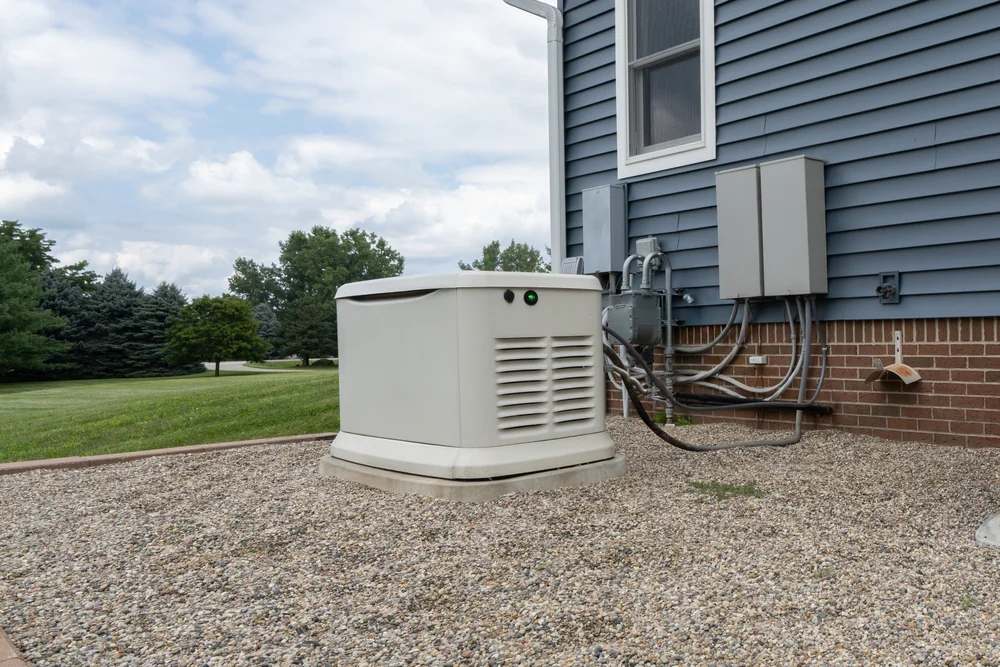
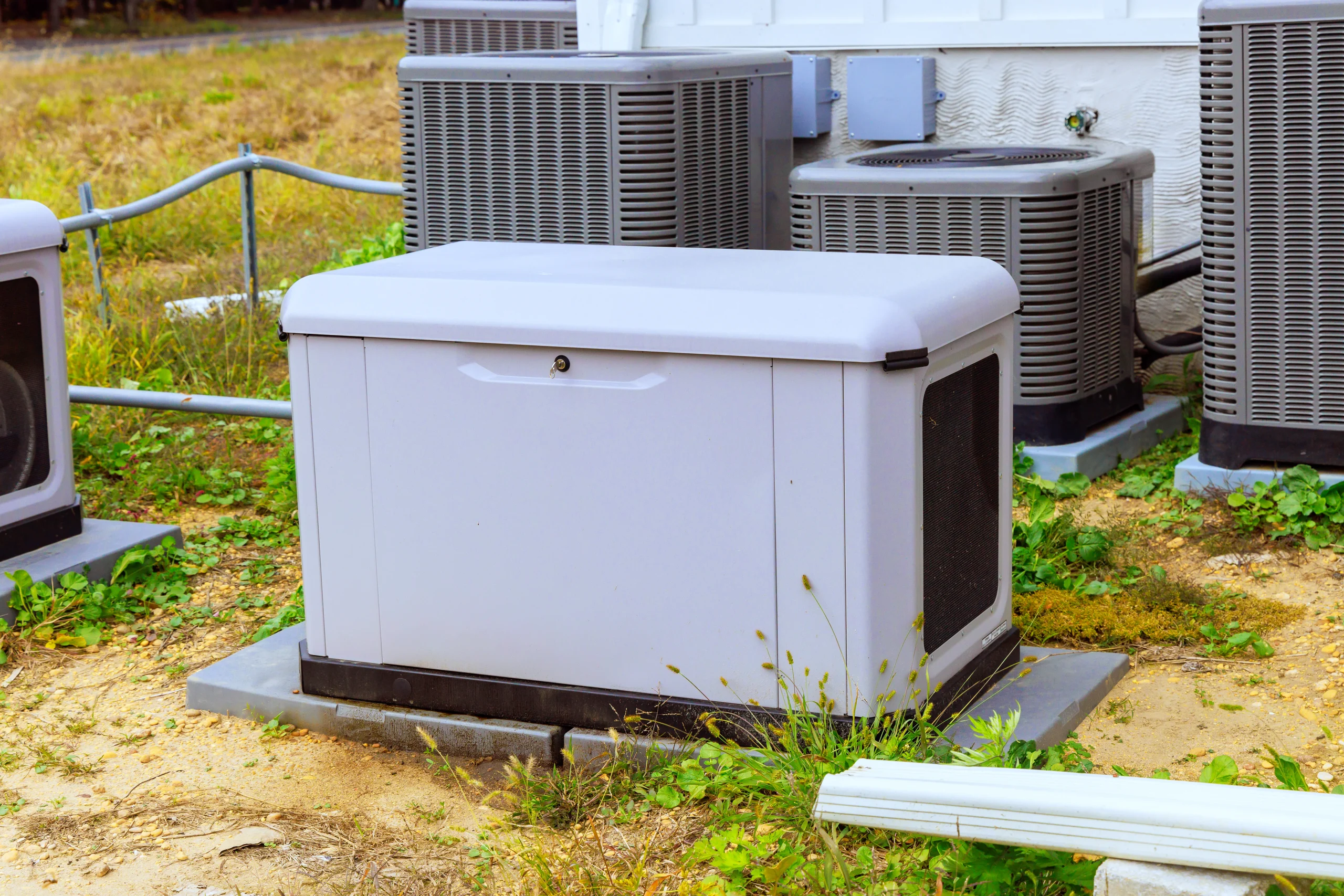
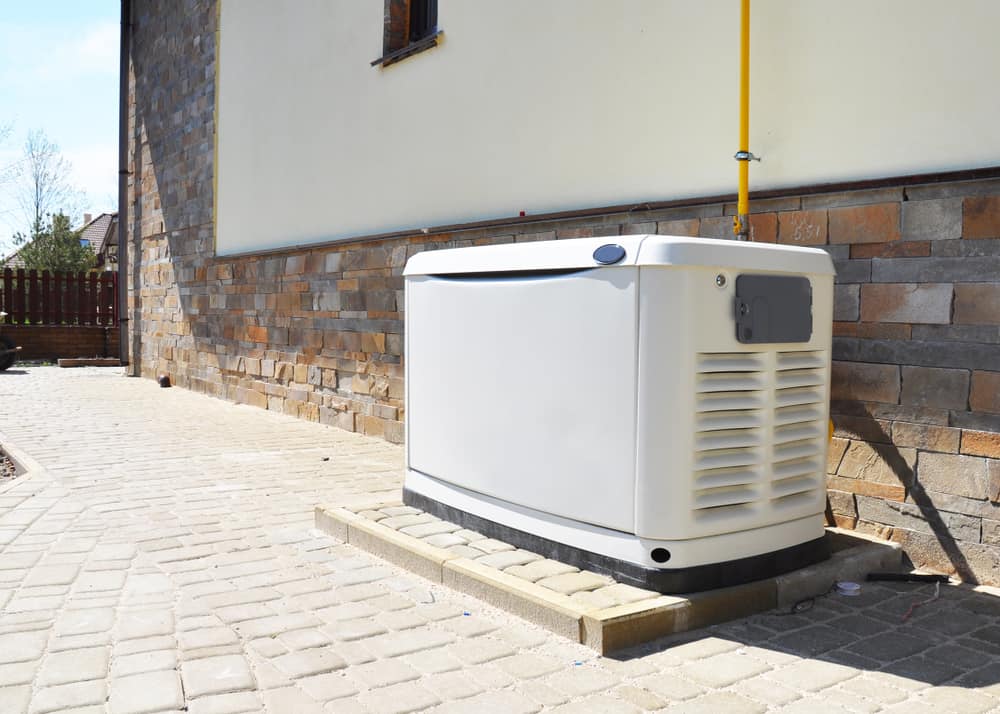
You’re getting a complete system, not just a generator dropped in your yard. That means proper concrete pad placement, fuel line installation, electrical connections that meet code, and a transfer switch that handles the switchover automatically.
We pull all necessary permits and coordinate inspections. In Cutchogue and throughout Suffolk County, installations need to meet specific setback requirements and local codes. We’ve done this enough times to know exactly what the town requires.
Your generator will be positioned to minimize noise and maximize airflow. We’ll connect it to your existing natural gas line or propane tank, depending on your setup. If you’re on propane, we’ll talk through tank size—you’ll want enough fuel capacity to run for days, not hours.
The transfer switch is what makes a home standby generator different from a portable unit. It monitors your utility power and signals the generator to start when needed. You don’t flip a switch. You don’t plug anything in. It just works. And when utility power comes back, the system transfers back automatically and shuts down.
Most whole house generator installations in Cutchogue run between $7,000 and $15,000, depending on the size of your home and what you want to power. A smaller unit that covers essentials like your refrigerator, heating system, and a few lights will cost less than a system that runs your entire house including central air.
The generator itself is part of that cost, but so is the transfer switch, concrete pad, fuel line installation, electrical work, permits, and labor. If you need a propane tank installed or significant electrical panel upgrades, that adds to the total.
We give you an upfront price after the consultation. No guessing, no “it depends” pricing once we start. You’ll know what it costs before we do anything, and that number doesn’t change unless you change what you want installed.
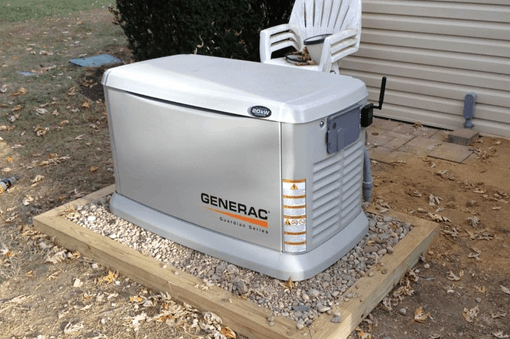
A Generac whole house generator typically lasts 20 to 30 years with proper maintenance. These aren’t the portable units you see at hardware stores—they’re built to sit outside year-round and start up whenever needed.
The key is maintenance. You’ll want to run it periodically (most systems self-test weekly) and have it serviced annually. That means checking the oil, filters, battery, and making sure the transfer switch is working correctly.
Generac builds reliable equipment, and because your generator isn’t running constantly, the engine hours stay low. Even if you lose power a few times a year for several days each time, you’re still only putting a fraction of the hours on it compared to something that runs daily. Take care of it, and it’ll be there when you need it for decades.
Yes, but it depends on the size of the generator and your home’s electrical load. A properly sized whole home generator installation in Cutchogue can power everything—lights, appliances, HVAC, well pump, security system, all of it.
Most homes need somewhere between 12kW and 22kW to cover the whole house. If you’ve got a larger home, electric heating, or central air, you might need more capacity. During the consultation, we calculate your home’s power requirements and recommend the right size.
You can also choose to power only essential circuits if you want to keep costs down. That might mean the generator handles your refrigerator, furnace, sump pump, and some lights, but not the air conditioning or electric dryer. It’s your call. We’ll lay out the options and let you decide what makes sense for your situation and budget.
Yes. Any permanent generator installation in Cutchogue requires permits from the town. That covers the electrical work, gas line installation, and sometimes the concrete pad depending on its size and placement.
We handle the permit process. You don’t need to go to the town office or figure out what paperwork they need. We pull the permits, schedule the inspections, and make sure everything is installed to code.
Suffolk County has specific requirements for setbacks from property lines, windows, and other structures. The generator also needs to meet noise ordinances and fuel line safety standards. Skipping permits isn’t worth it—you’ll have issues if you ever sell the home or file an insurance claim after storm damage. We do it right from the start so you don’t have problems later.
A home standby generator connected to natural gas can run indefinitely as long as the gas supply holds. If you’re on propane, it depends on your tank size and how much power you’re using.
Most homes with a 500-gallon propane tank can run a whole house generator for about a week before needing a refill. If you’re only powering essential circuits, that same tank might last two weeks or more. Natural gas customers don’t have to worry about refills—the generator just keeps running until utility power is restored.
These systems are designed for extended outages. After Hurricane Sandy, some generators ran for two straight weeks without issue. They’re built for it. You’ll want to check oil levels if it’s running for many days, but beyond that, the generator handles the load. That’s the whole point—you shouldn’t have to think about it or do anything while it’s keeping your house running.
A portable generator requires you to haul it outside, fill it with gas, start it manually, and run extension cords to whatever you want to power. A standby generator is permanently installed, starts automatically during an outage, and powers your home through your existing electrical panel.
Portable units are cheaper upfront, but they’re loud, they produce carbon monoxide (which sends dozens of Long Islanders to the hospital every year), and they only run as long as you have gas on hand. You also can’t use them in the rain without risking electrocution, and you have to be home to start them.
A house generator installation means you don’t do anything. You could be in Florida for the winter, and your Cutchogue home still has power during a storm. The system is quieter, safer, and runs on your natural gas or propane supply instead of you making gas station runs with jerry cans. If you want actual backup power that works whether you’re home or not, a standby system is the only real option.
Other Services we provide in Cutchogue