You’re not thinking about generators until you’re sitting in the dark. Then you’re thinking about the $800 worth of food in your fridge, the sump pump that’s not running, and whether your pipes are going to freeze overnight.
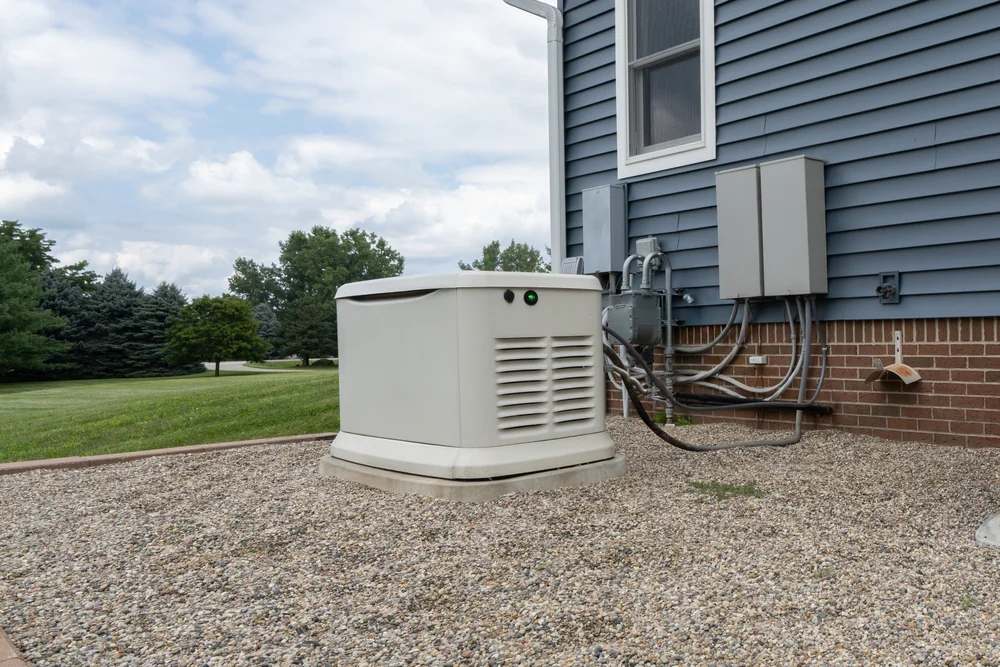
A home standby generator installation in East Hampton changes that equation completely. The system detects the outage within seconds and starts automatically. Your heat keeps running. Your refrigerator stays cold. Your security system doesn’t go offline. You’re not scrambling for flashlights or wondering how long this one’s going to last.
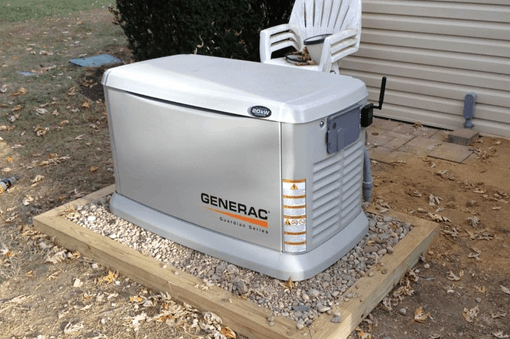
Long Island’s grid isn’t getting more reliable. The infrastructure is aging, and storms aren’t getting less frequent. A Generac whole house generator in East Hampton means you’re not waiting on PSEG’s repair timeline. You’re not one of the thousands sitting in the dark hoping it comes back on before your basement floods.
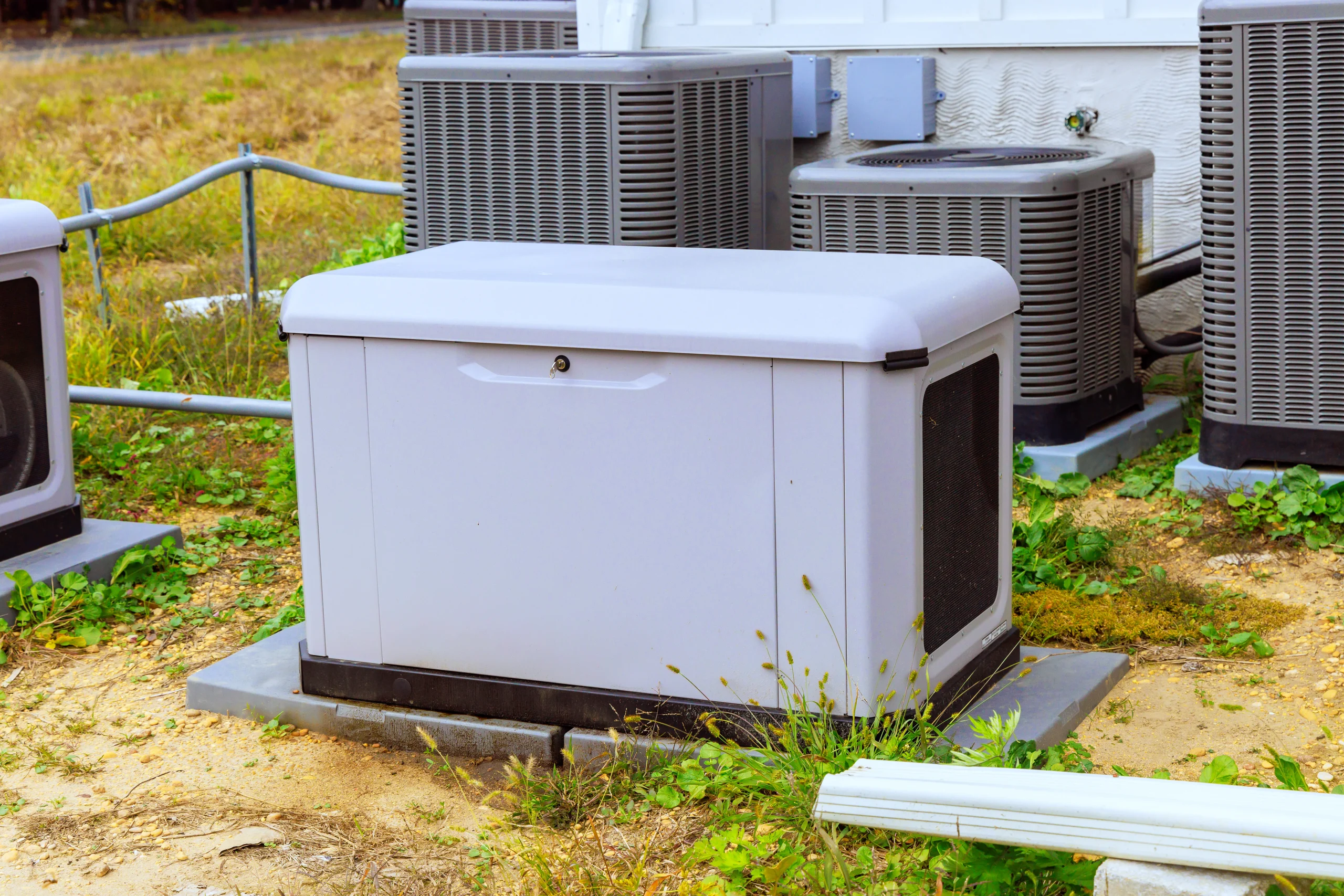
The system runs on natural gas or propane, powers your entire home, and shuts off automatically when utility power returns. You don’t touch anything. It just works.
We’ve been handling electrical work across Suffolk County for over 20 years. We’re fully licensed and insured, and we’ve installed backup generator systems in East Hampton for homeowners who need reliable power when the grid fails.
We’re not a national franchise. We’re based in Bohemia, and we know how often power goes out in this area. We also know what it takes to install a whole home generator installation in East Hampton correctly—permits, fuel lines, electrical connections, and code compliance.
You’ll get upfront pricing before we start, and the same crew that gives you the estimate is the one doing the work. No surprises, no runaround. We’ve earned the Angie’s List Super Service Award seven years running because we show up, do the job right, and stand behind it with a 100% satisfaction guarantee.
First, we’ll come out and assess your property. We need to know what you want to power, where the generator will sit, and whether you’re running natural gas or propane. That determines the size of the unit and where everything gets installed.
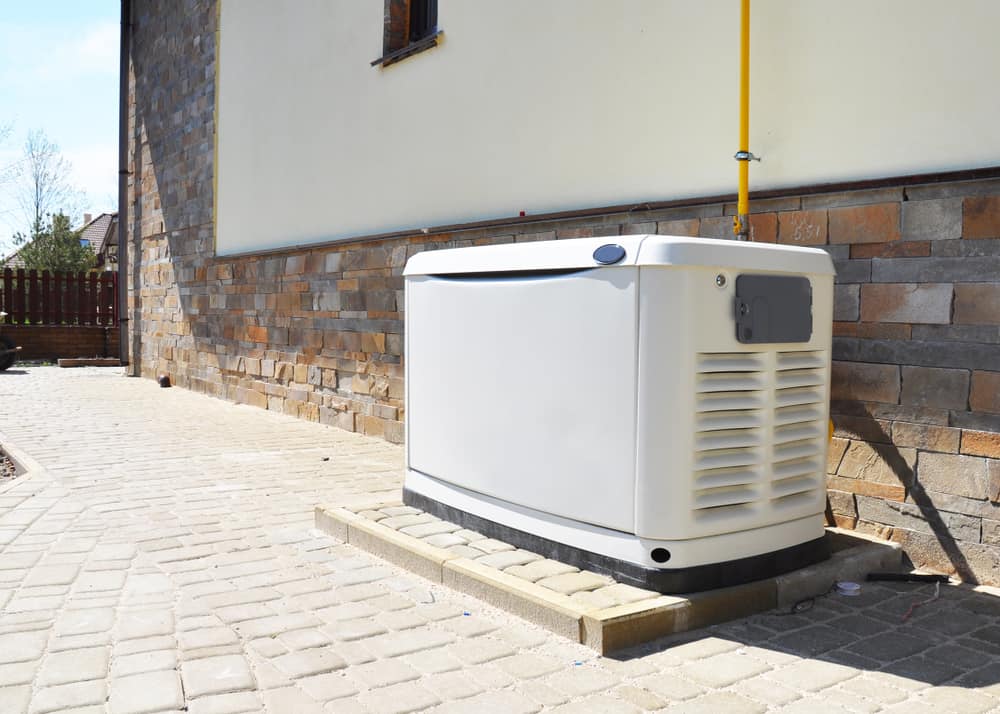
Once you approve the estimate, we handle the permits. East Hampton has specific requirements, and we make sure everything’s filed correctly before we start. Then we prep the site—pouring a concrete pad, running the fuel line, and setting up the electrical connections from the generator to your main panel.
The generator gets installed, connected, and tested. We program the automatic transfer switch so it knows when to kick on and what to power. The whole process typically takes one to three days depending on the scope, but most house generator installations in East Hampton are done in a day once permits clear.
After it’s running, we walk you through how it works and what to expect during an outage. You’ll also want to schedule annual maintenance to keep it ready, but the system itself is built to sit there and wait until you need it.
Ready to get started?
A whole house generator installation in East Hampton typically runs between $7,000 and $20,000 depending on the size of the system and your home’s setup. Smaller units that cover essentials—heat, fridge, a few outlets—start around $7,000 to $12,000. Larger systems that power your entire home, including central air, run closer to $12,000 to $20,000 or more.
That includes the generator itself, the automatic transfer switch, installation labor, fuel line connections, permits, and startup. If your property needs additional electrical work or a longer fuel line run, that affects the price. We’ll give you an exact number upfront so you know what you’re spending before anything gets started.
East Hampton homeowners are also seeing home value increases of 3% to 5% with a permanently installed standby generator. On a $2 million property—which is the median here—that’s $60,000 to $100,000 in added value. Some insurance carriers also offer premium discounts of 3% to 7% for homes with backup power systems, which offsets part of the cost over time.
You’re not just buying a generator. You’re protecting a significant investment from storm damage, frozen pipes, and the kind of outages that cost thousands in repairs.
Most home standby generator installations in East Hampton take one to three days once permits are approved. The timeline depends on your property and how complex the setup is.
If you’ve got an accessible spot for the generator, natural gas already running to your home, and straightforward electrical panel access, we can usually finish in a day. If we need to run a longer fuel line, pour a custom concrete pad, or coordinate propane tank placement, it might take two or three days.
Permit approval is the bigger variable. East Hampton requires permits for generator installations, and that process can take anywhere from a few days to a couple of weeks depending on the town’s workload. We handle all the paperwork and make sure everything’s filed correctly so there’s no back-and-forth delaying the job.
Most homes in East Hampton need between 10 kW and 22 kW depending on what you want to keep running during an outage. If you’re only covering essentials—furnace, fridge, some lights, and a few outlets—a 10 kW to 16 kW unit usually handles it.
If you want whole-home coverage including central air conditioning, electric range, and multiple appliances running at once, you’re looking at 20 kW to 22 kW or larger. Homes with electric heat or well pumps sometimes need even bigger systems.
We calculate the load based on your actual usage and what matters most to you during an outage. Some people don’t care about air conditioning in a winter storm. Others want everything running exactly like normal. The size of your electrical panel and your home’s square footage also factor in, but the real answer comes from a site assessment where we look at your specific setup.
If you’ve already got natural gas running to your home, that’s usually the better option. It’s an unlimited fuel source, so the generator can run as long as the outage lasts without refueling. You’re not monitoring tank levels or scheduling propane deliveries.
Propane makes sense if you don’t have natural gas access or if you want a fuel source that’s completely independent of utility infrastructure. Some East Hampton properties are outside natural gas service areas, so propane is the only option. You’ll need a tank large enough to run the generator for several days—typically 250 to 500 gallons depending on the generator size and how long outages tend to last in your area.
Both fuels work well for whole house generator installations in East Hampton. Natural gas is more convenient if it’s available. Propane gives you independence from the gas utility, which some homeowners prefer. We’ll walk through both options during the estimate and recommend what makes sense for your property.
Yes. East Hampton requires permits for home generator installations because the work involves electrical connections, fuel lines, and equipment placement that has to meet local codes.
We handle the permit process as part of the installation. That includes submitting plans, coordinating inspections, and making sure everything’s approved before we start the work. The town reviews the application to confirm the generator placement meets setback requirements, the fuel connections are safe, and the electrical work is up to code.
Skipping permits isn’t worth it. If you ever sell your home, an unpermitted generator installation can kill a deal or force you to rip it out and reinstall it correctly. Insurance companies also ask whether work was permitted, and an unpermitted system can create coverage issues if you ever file a claim related to the generator.
Operating cost depends on fuel type, generator size, and how long it runs. A 20 kW Generac whole house generator in East Hampton running on natural gas typically burns about 200 to 300 cubic feet of gas per hour under full load. At current natural gas rates, that’s roughly $2 to $4 per hour.
Propane costs more—usually $4 to $7 per hour for the same size generator depending on propane prices. Most outages don’t last long enough for fuel cost to matter much. If you’re running the generator for 24 hours during a storm, you’re looking at $50 to $100 in natural gas or $100 to $170 in propane.
The bigger ongoing cost is annual maintenance, which runs $200 to $400 depending on the service. You’ll want the system checked once a year to make sure it’s ready when you need it. Oil changes, filter replacements, and a full system test keep it reliable. Skipping maintenance is how you end up with a generator that won’t start when the power goes out.
Yes. A professionally installed home standby generator typically increases property value by 3% to 5%, and in some cases up to 150% return on investment when you sell. In East Hampton where the median home value is $2 million, that’s a potential increase of $60,000 to $100,000.
Buyers in areas with frequent power outages see backup generators as essential infrastructure, not a luxury add-on. It’s similar to having a quality HVAC system or updated electrical panel—it’s something that makes the home more functional and protects against costly problems.
The return on investment is higher in markets like East Hampton where storms regularly knock out power and homeowners have significant assets to protect. A whole home generator installation in East Hampton also signals that the home has been well-maintained and prepared for the realities of coastal weather. That matters to buyers who don’t want to deal with frozen pipes, flooded basements, or spoiled food every time a nor’easter rolls through.
Other Services we provide in East Hampton