Your refrigerator keeps running. Your sump pump doesn’t quit. Your heat stays on in January, and your AC doesn’t die in August.
When storms roll through East Setauket, you’re not sitting in the dark wondering when PSEG will get to your street. You’re not throwing out $400 worth of food or packing up the kids to stay at a hotel. The generator kicks on within seconds of an outage, runs as long as it needs to, and shuts off automatically when grid power comes back.
It’s connected to your natural gas line or propane tank, so there’s no refueling, no extension cords, and no manual startup in the rain. You don’t even need to be home. The system handles it.
Most homes in East Setauket need between 12,000 and 22,000 watts to cover essentials like HVAC, refrigeration, lighting, and outlets. Whole-home coverage typically requires 20,000 to 26,000 watts depending on your square footage and what you’re running. We size it based on your actual load, not guesswork.
We’re a fully licensed and insured electrical contractor based in Bohemia, serving all of Suffolk County. We’ve handled generator installations across East Setauket for over 20 years, through nor’easters, hurricanes, and everything in between.
We don’t subcontract the work. Our electricians show up in company vehicles, handle the permits, coordinate inspections, and make sure your installation meets Suffolk County code requirements. You get upfront pricing before we start, and we guarantee the work when we’re done.
East Setauket sits right in the path of coastal storms that routinely leave Long Island without power for days. After Superstorm Sandy, over 632,000 people lost electricity for two weeks. Tropical Storm Isaias knocked out power for more than 400,000 customers in 2020, many for over a week. If you’ve lived here through any of that, you know exactly why backup power matters.
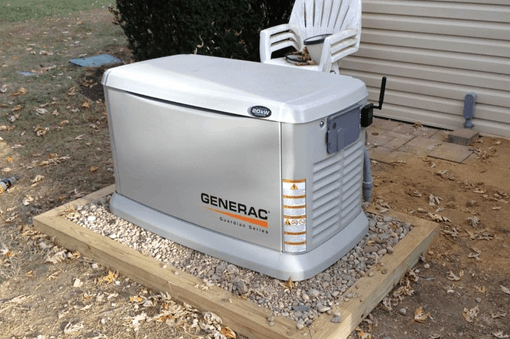
We start with a free estimate at your home. We’ll look at your electrical panel, check your fuel source, talk through what you want to keep running during an outage, and recommend the right size generator. Most whole house generator installations in East Setauket use Generac units between 12kW and 26kW, depending on your home’s load.
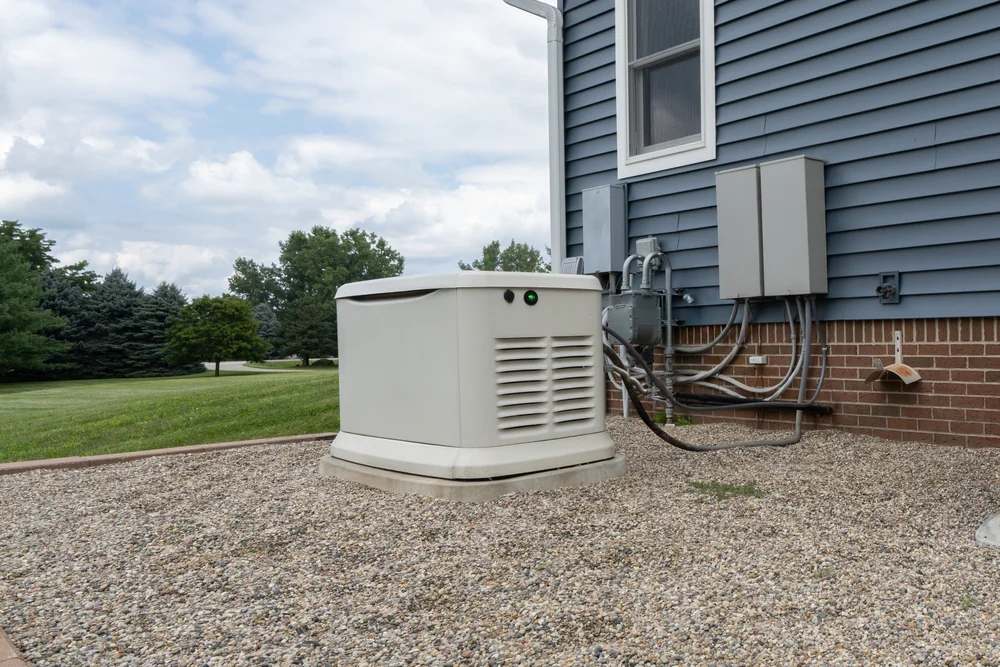
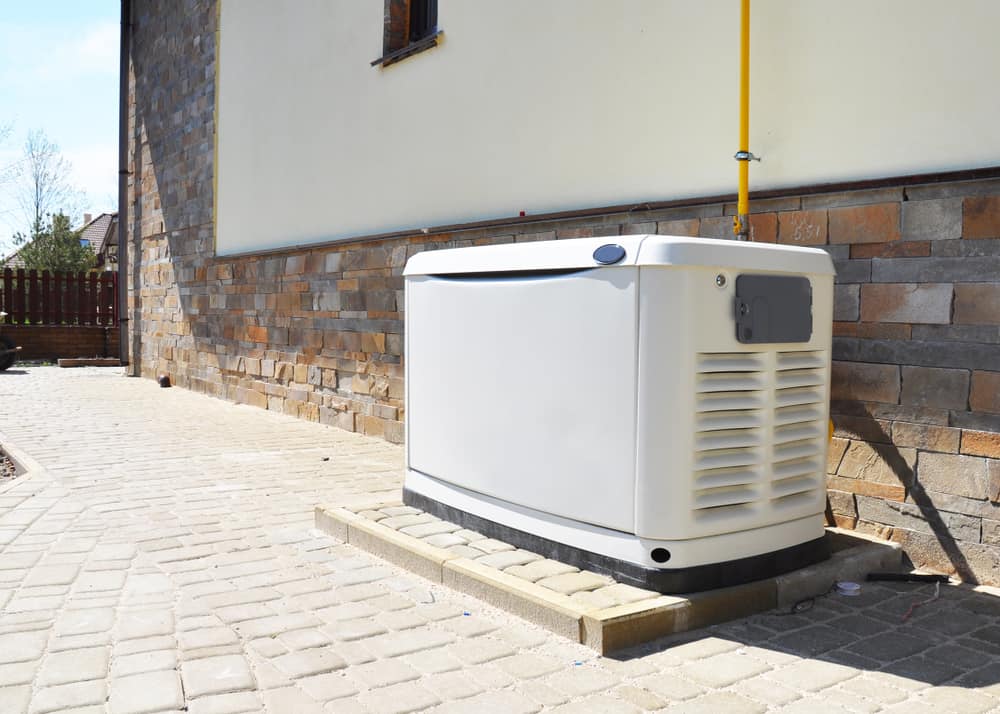
Once you approve the estimate, we pull the necessary permits through Suffolk County and schedule the installation. Our crew sets the generator on a concrete pad outside your home, connects it to your natural gas or propane line, and ties it into your electrical panel with a transfer switch. The transfer switch is what allows the generator to take over when the grid goes down.
After installation, we test the system to make sure it starts, transfers power correctly, and shuts down as it should. Then we walk you through how it works and what to expect during an outage. The whole process typically takes one to two days depending on the complexity of your setup.
You’ll also need periodic maintenance to keep the warranty valid and the unit reliable. Most manufacturers recommend annual servicing, which includes oil changes, filter replacements, and system diagnostics.
Ready to get started?
Your whole home generator installation in East Setauket includes the generator unit, transfer switch, concrete pad, fuel line connection, electrical wiring, permits, and final inspection. We handle all of it.
The generator itself typically costs between $2,000 and $5,000 depending on the size and brand. Installation runs another $3,000 to $5,000, which covers labor, materials, permits, and hookup. Total project cost for most homes falls between $8,000 and $16,000. That’s a real number based on actual installs, not a marketing range.
Natural gas generators are the most common choice in East Setauket because they connect directly to your existing gas line and provide unlimited runtime. Propane works if you don’t have natural gas, but you’ll need a tank large enough to support extended outages. A 500-gallon propane tank can run a 20kW generator for about 60 hours at half load.
Standby generators also increase your home’s resale value. According to Consumer Reports, a professionally installed backup generator can add 3% to 5% to your property value, which on a $485,000 home in East Setauket translates to $14,550 to $24,250. That’s not why most people install them, but it’s worth knowing.
Most homes in East Setauket need between 12,000 and 22,000 watts to cover essential systems like heating, cooling, refrigeration, lighting, and a few outlets. If you want true whole-home coverage where everything runs like normal during an outage, you’re looking at 20,000 to 26,000 watts.
The right size depends on your home’s square footage, what appliances you’re running, and whether you have central air conditioning. A 2,500-square-foot home with central AC, a well pump, and standard appliances typically needs around 20kW. Smaller homes or those willing to prioritize certain circuits can get by with 12kW to 16kW.
We calculate the load during your estimate by reviewing your electrical panel and discussing what you want powered. Undersizing means you’ll trip breakers during an outage. Oversizing wastes money upfront and costs more to maintain. We size it right the first time.
Total cost for a whole house generator installation in East Setauket typically runs between $8,000 and $16,000. That includes the generator unit, transfer switch, installation labor, concrete pad, fuel hookup, permits, and inspection.
The generator itself costs $2,000 to $5,000 depending on size and brand. A 12kW Generac runs around $2,500, while a 24kW unit costs closer to $5,000. Installation adds another $3,000 to $5,000, covering the transfer switch, electrical work, gas or propane connection, and permit fees in Suffolk County.
If you need a propane tank installed or significant electrical panel upgrades, that adds to the total. We give you an upfront price during the estimate so there’s no confusion about what you’re paying. No surprise bills after the work is done.
Yes. Suffolk County requires permits for standby generator installations, and the work must be done by a licensed electrician. The permit ensures your installation meets electrical code, fire safety standards, and setback requirements from property lines and structures.
We handle the permit process as part of your installation. That includes submitting plans to the town, scheduling inspections, and making sure everything passes before we consider the job complete. Skipping permits can cause problems when you sell your home or file an insurance claim after storm damage.
The permit cost is typically included in your installation quote, so you’re not paying extra out of pocket. Inspections usually happen after the generator is installed and wired, and they verify that the transfer switch, fuel connections, and electrical work are all up to code.
Most home standby generator installations in East Setauket take one to two days. Day one covers setting the concrete pad, mounting the generator, running the fuel line, and wiring the transfer switch. Day two handles final connections, testing, and cleanup.
More complex jobs can take longer if we’re upgrading your electrical panel, running a long gas line, or coordinating propane tank installation. We’ll give you a timeline during the estimate based on your specific setup.
Once the generator is installed, there’s a brief waiting period for the final inspection, which we schedule with Suffolk County. After the inspection passes, your system is live and ready to take over during the next outage. We test it before we leave to make sure it starts, transfers, and shuts down correctly.
Natural gas is the better choice if you already have it running to your home. It connects directly to your existing line, provides unlimited runtime during outages, and requires zero refueling. You’ll never run out mid-storm or need to schedule propane deliveries.
Propane works if you don’t have natural gas service in your area. You’ll need a tank large enough to support extended outages—most homes use a 500-gallon or 1,000-gallon tank. A 500-gallon tank running a 20kW generator at half load gives you about 60 hours of runtime, which covers most outages in East Setauket.
Propane costs more to refill than natural gas costs to run, but it’s still far more convenient than portable generators that need gasoline every few hours. We’ll recommend the best fuel source based on what’s available at your property and how you plan to use the system.
Your backup generator needs annual maintenance to stay reliable and keep the warranty valid. That includes an oil change, air filter replacement, spark plug inspection, battery check, and a full system test to make sure it starts and transfers correctly.
Most manufacturers like Generac require documented maintenance to honor warranty claims. If your generator fails during a storm and you haven’t kept up with service, you could be paying out of pocket for repairs that would otherwise be covered.
Annual maintenance typically costs between $150 and $300 depending on the size of your unit and what needs replacing. We offer maintenance plans that handle scheduling, parts, and service so you don’t have to think about it. The generator also runs a self-test every week to make sure it’s ready when you need it, but that doesn’t replace professional servicing.
Other Services we provide in East Setauket