You’re not wondering if the food in your fridge will spoil. You’re not scrambling for flashlights or worrying about whether your sump pump will fail. Your heat stays on in winter, your AC runs in summer, and your medical equipment never loses power.
A home standby generator in Eatons Neck, NY means you don’t deal with the hassle anymore. No dragging a portable generator out of the garage. No extension cords snaking through your house. No refueling in the rain or dealing with fumes and noise.
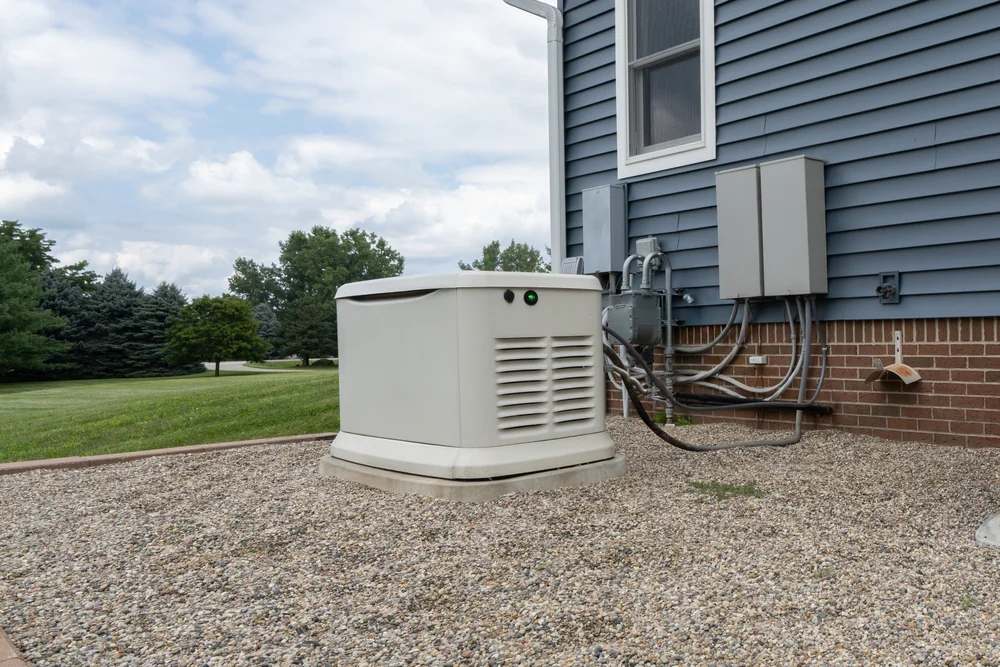
The generator sits outside, runs on your existing natural gas or propane line, and turns itself on automatically when the power drops. You stay comfortable while your neighbors are sitting in the dark. That’s what a whole house generator installation actually does for you.
We’ve been handling electrical projects across Suffolk County since 2004. We’re fully licensed and insured, and we’ve earned the Angie’s List Super Service Award seven years running because we show up on time, price our work upfront, and finish what we start.
Eatons Neck sits on a peninsula that takes the brunt of coastal storms coming off Long Island Sound. When nor’easters roll through or summer thunderstorms knock trees into power lines, outages here can stretch for days. We’ve installed backup generator systems throughout the area because homeowners know PSEG Long Island’s grid isn’t getting more reliable.
You’re getting a local team that understands how weather hits this part of Suffolk County and what it takes to keep your home powered through it.
We start with a free estimate at your property. We’ll look at your electrical panel, figure out what you want to keep running during an outage, and size the generator correctly. Most homes in Eatons Neck need between 14kW and 22kW for whole house coverage, but if you only care about essentials like the fridge, heat, and a few outlets, a smaller unit works fine.
Once you approve the estimate, we handle the permits and schedule the installation. We pour a concrete pad or install a composite base where the generator will sit. Then we run the fuel line (natural gas or propane), connect it to your electrical panel with a transfer switch, and wire everything to code.
The transfer switch is what makes the system automatic. When it detects an outage, it signals the generator to start and switches your home’s power source in under 20 seconds. When utility power comes back, it switches back and shuts the generator down. You don’t touch anything.
After installation, we test the system, walk you through basic maintenance, and make sure you’re comfortable with how it operates. The whole process typically takes one to two days depending on the complexity of your setup.
Ready to get started?
A complete home standby generator installation in Eatons Neck, NY includes the generator unit itself, the transfer switch, the fuel line connection, the concrete pad or base, all electrical wiring, permits, and labor. Depending on the size and brand you choose, you’re typically looking at $8,000 to $18,000 for a professionally installed system.
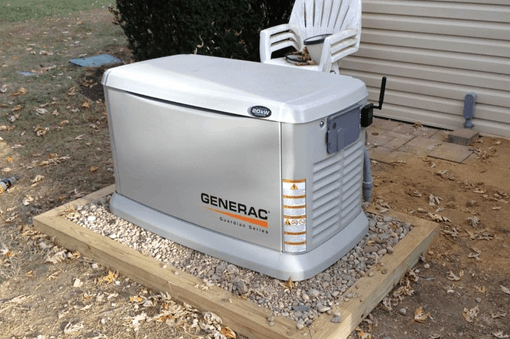
Generac whole house generators are the most common choice because they’re reliable and parts are easy to get. Kohler and Briggs & Stratton are solid alternatives. The brand matters less than proper sizing and correct installation.
Here’s what drives the cost: a 14kW unit that covers your essentials runs less than a 24kW system that powers everything including central air. If your electrical panel needs an upgrade to handle the transfer switch, that adds to the project. If we’re running a long fuel line from your propane tank or gas meter, that’s more labor and materials.
Suffolk County has seen power outages double in frequency over the past decade. Coastal areas like Eatons Neck get hit harder and wait longer for repairs because crews have to clear downed trees and fix lines across the peninsula before they reach you. A generator isn’t just convenience anymore—it’s becoming standard protection for homeowners who don’t want to lose thousands in spoiled food or spend days without heat.
Most whole house generator installations take one to two days from start to finish. Day one usually involves setting the pad, placing the generator, running the fuel line, and doing the electrical connections. Day two covers final wiring, testing, and cleanup if the job is more complex.
The timeline can stretch if we need to upgrade your electrical panel first or if we’re waiting on permits from the town. We’ll give you an accurate schedule during the estimate so you know what to expect.
Weather can also delay outdoor work, especially if we’re pouring concrete in freezing temperatures or high winds. But once we start, we don’t leave your home half-finished. We work straight through until the system is tested and running.
It depends on what you want to run during an outage. If you only care about keeping the fridge, furnace, a few lights, and some outlets going, a 10kW to 14kW generator handles that. For whole house coverage including central air conditioning, you’re looking at 18kW to 24kW.
We calculate the load based on your home’s square footage, your electrical panel size, and which appliances and systems you consider essential. A 2,000-square-foot home with gas heat and a well pump has different needs than a 3,500-square-foot home with electric heat and multiple AC zones.
Oversizing wastes money on a bigger unit and higher fuel costs. Undersizing means the generator can’t handle the load and might shut down when you need it most. We size it right the first time so you’re not guessing or paying for capacity you’ll never use.
Yes. Suffolk County requires permits for standby generator installations because the work involves electrical connections, fuel lines, and sometimes gas or propane hookups. The town wants to make sure the installation meets code and is safe.
We handle the permit process as part of the installation. We pull the permits, submit the paperwork, and coordinate inspections so you don’t have to deal with the town building department. It adds a few days to the timeline, but it’s not something you need to manage.
Skipping permits might seem like a shortcut, but it creates problems if you ever sell your home or file an insurance claim. Unpermitted work can kill a sale or give your insurance company a reason to deny a claim after storm damage. We do it right so you don’t have issues down the road.
A Generac whole house generator installation in Eatons Neck, NY typically runs between $8,000 and $16,000 depending on the size and your home’s setup. A 14kW Generac unit with installation usually falls around $9,000 to $11,000. A 24kW system with more complex electrical work can push closer to $15,000 or higher.
That price includes the generator, transfer switch, fuel line connection, concrete pad, electrical wiring, permits, and labor. If your panel needs an upgrade or we’re running a long fuel line, the cost goes up. If your setup is straightforward and everything is close together, you’ll land on the lower end.
Generac is the most popular brand because parts are available and service is easy to find. The units are built to run for days during extended outages, which is exactly what happens in Eatons Neck when a major storm rolls through and PSEG takes three or four days to restore power to the peninsula.
Your generator needs an oil and filter change once a year or every 200 hours of runtime, whichever comes first. The air filter should be checked annually and replaced if it’s dirty. Spark plugs typically get replaced every two to three years depending on usage.
Most standby generators in Eatons Neck run a self-test once a week for about 15 minutes to make sure everything is working. That weekly cycle keeps the engine lubricated and the battery charged. You’ll hear it run, but it’s not loud and it only lasts a few minutes.
We recommend having a licensed electrician inspect the system annually to check connections, test the transfer switch, and make sure the unit is ready when you actually need it. Skipping maintenance is how generators fail during outages. A $200 annual service visit is a lot cheaper than replacing a generator that seized up because the oil was never changed.
Yes. Backup generators typically add 3% to 5% to your home’s value according to industry data, and in areas with frequent outages like Eatons Neck, that number can be higher. Buyers in Suffolk County are specifically looking for homes with generators because they know how often the power goes out.
A professionally installed whole house generator system is a selling point during a home sale. It shows the home is prepared for storms and the buyer won’t have to deal with installation costs or permitting after they move in. Real estate agents will list it as a feature because it differentiates your property.
The return on investment isn’t just financial. You’re also getting years of uninterrupted power, protecting your home from frozen pipes in winter, avoiding food loss, and keeping your family safe and comfortable during outages. The value is immediate, and it pays off again when you sell.
Other Services we provide in Eatons Neck