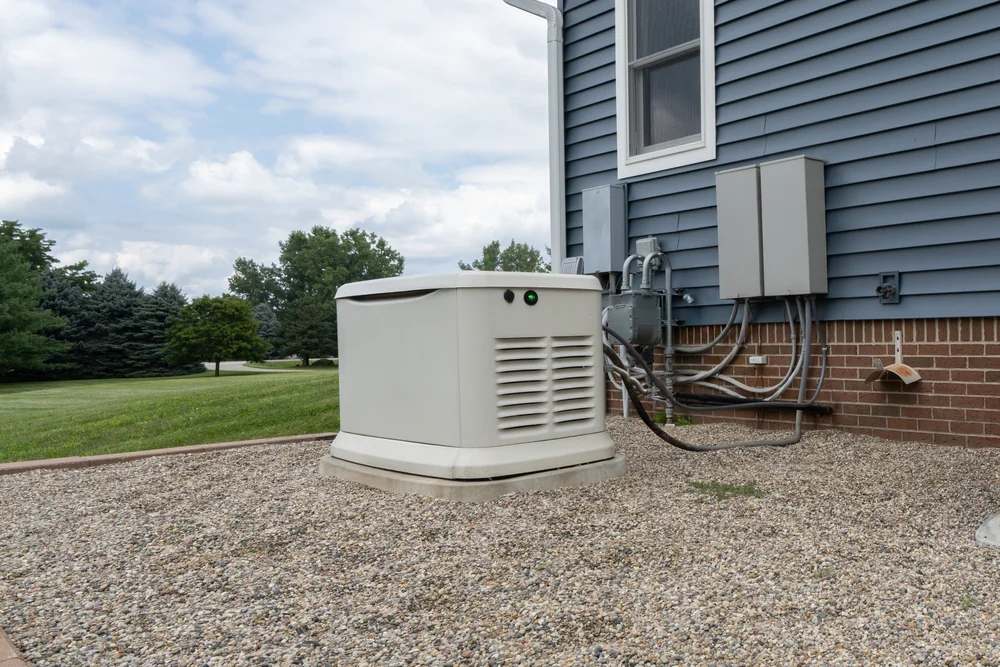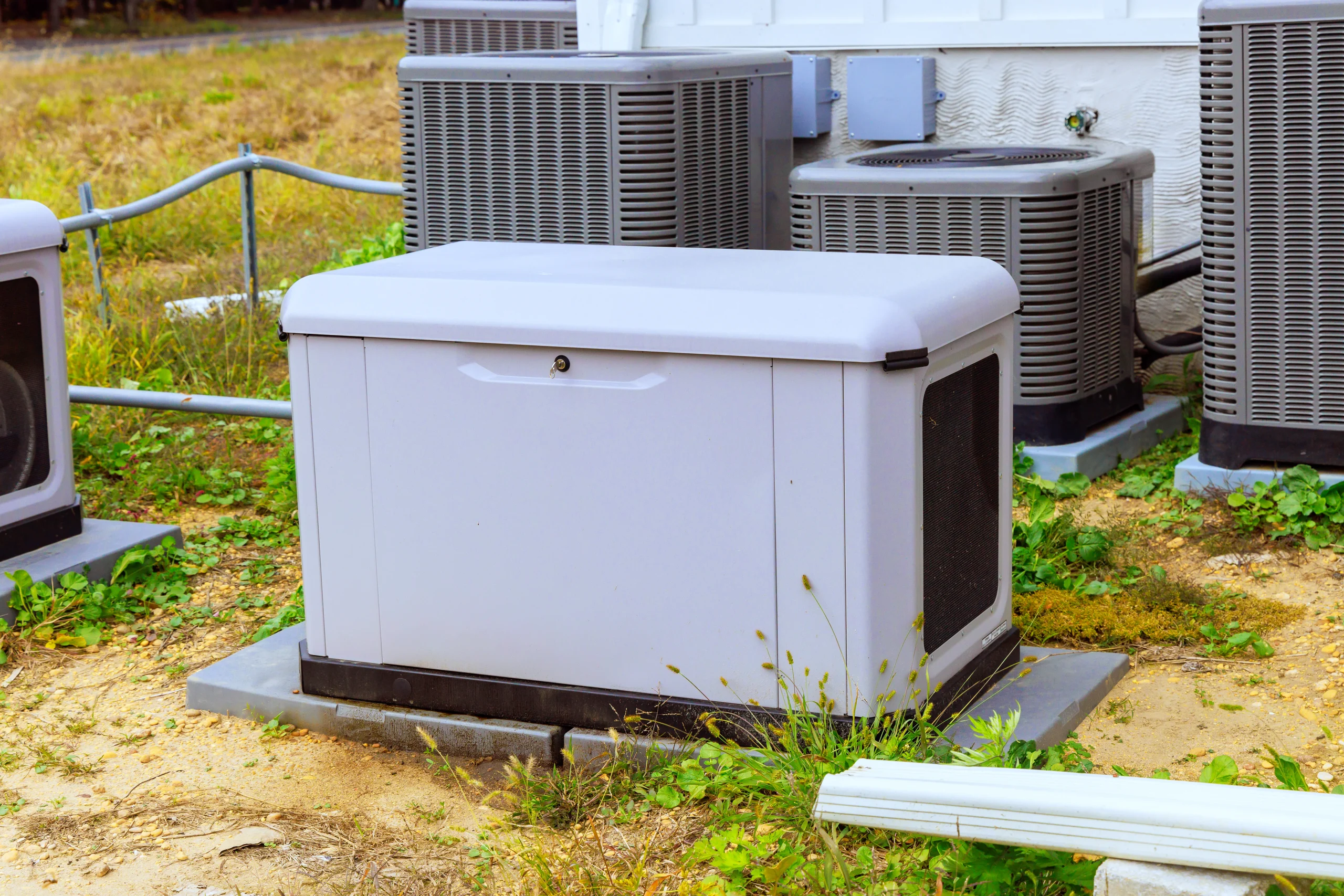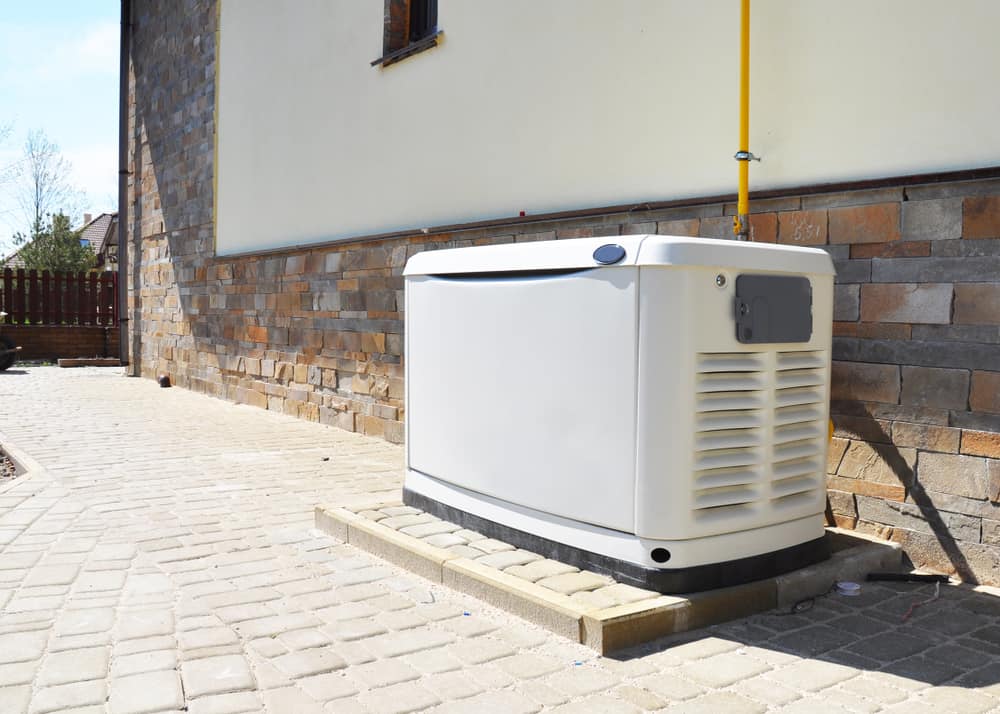
You’re not scrambling for flashlights or watching your refrigerator warm up. Your generator kicks on within seconds of an outage. Lights stay on. Heat keeps running. Your sump pump doesn’t quit.
Island living means you can’t just wait for the crew to show up in an hour. When a storm rolls through and takes out power lines, you could be dark for days. That’s not dramatic—it’s what happened during Sandy, when half a million people across Long Island went without power for over a week.
A whole house generator installation in Fishers Island, NY means you’re not dependent on the mainland’s timeline. Your home stays functional. Your family stays comfortable. And you’re not dealing with the stress of wondering when the lights come back on.
We’ve handled electrical work across Suffolk County for over 20 years. We’re licensed, insured, and we’ve installed enough backup generators to know what works and what doesn’t.
You’re not getting a crew that shows up in unmarked vans with vague timelines. Our team arrives in company vehicles, handles the permit process with Suffolk County, and manages the entire installation from equipment delivery to final inspection. We’ve earned the Angie’s List Super Service Award seven years running because we show up, do the work right, and don’t leave you guessing.
Fishers Island isn’t a quick trip from the mainland, so when we schedule your home standby generator installation, we make sure everything’s lined up—equipment, permits, inspections—so the job gets done without delays or surprises.
First, we figure out what size generator you actually need. A 10-16 kW unit handles essentials like your fridge, heat, and a few lights. A 20-22 kW system powers most of a medium-sized home. Larger properties might need 24 kW or more. We’ll walk through your home’s electrical load and recommend the right fit.
Once you approve the estimate, we handle the Suffolk County permit application. Generators require permits because they involve electrical connections, fuel lines, and safety systems that need to meet code. We submit everything and coordinate inspections so you don’t have to chase down approvals.
Installation typically takes one to three days depending on your setup. We install the generator unit, connect it to your natural gas line or propane tank, wire in the automatic transfer switch, and test the system. The transfer switch is what detects an outage and signals the generator to start—it all happens automatically, usually within 10 seconds of losing grid power.
After installation, we schedule the final inspection. Once it passes, your backup generator installation in Fishers Island, NY is live and ready to keep your home running the next time a storm hits.
Ready to get started?
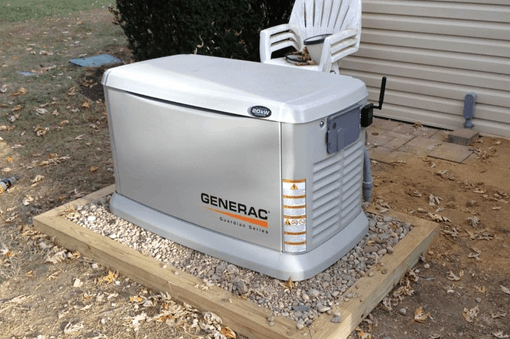
Your home generator installation in Fishers Island, NY includes the generator unit—we typically install Generac or Kohler systems, both known for reliability and quiet operation. Kohler units run around 64-69 decibels, about as loud as a window AC unit.
You also get the automatic transfer switch, all electrical wiring, fuel line connections (natural gas or propane), and the concrete pad or mounting platform. We provide all materials, pull the necessary permits, and handle inspections with Suffolk County’s building department and PSEG Long Island if interconnection is required.
Fishers Island properties face unique challenges. You’re more isolated than most of Suffolk County, and storm surges can be severe—Hurricane Sandy brought a 14-foot surge to parts of Long Island. A Generac whole house generator or Kohler system gives you the autonomy to ride out extended outages without relying on emergency services that may be delayed getting to the island.
We also coordinate delivery and access, which matters when you’re working on an island with limited ferry schedules. Everything gets scheduled to minimize disruption and make sure the job wraps up on time.
Most whole home generator installations run between $7,000 and $20,000, depending on the size of the unit, the brand you choose, and how complex the installation is. A smaller 10-16 kW system is on the lower end. A 24 kW unit with more involved electrical work and fuel line setup will cost more.
The price includes the generator, the automatic transfer switch, all wiring and fuel connections, the concrete pad, permits, and inspections. If your property requires additional electrical panel work or a propane tank installation, that affects the total.
We provide free estimates with upfront pricing. You’ll know exactly what the project costs before we start, and there are no surprise bills at the end. Fishers Island properties sometimes require extra coordination for equipment delivery and access, but we factor that into the quote so you’re not hit with unexpected charges.
Most installations take one to three days once permits are approved. The timeline depends on your home’s electrical setup, whether we’re connecting to natural gas or installing a propane system, and how quickly inspections get scheduled.
Permit approval with Suffolk County usually takes a week or two. We submit everything and keep you updated on the timeline. Once permits clear, we schedule the installation and coordinate equipment delivery to the island.
The actual work—setting the generator, running fuel and electrical lines, installing the transfer switch, and testing the system—typically wraps up in a day for straightforward jobs. More complex setups, like homes with larger electrical loads or properties that need panel upgrades, might take two or three days. After installation, we schedule the final inspection to make sure everything meets code and you’re good to go.
Yes. Suffolk County requires permits for generator installations because the work involves electrical connections, fuel lines, and safety systems that need to meet building codes. Skipping permits can create safety hazards and cause problems if you ever sell your home.
We handle the entire permit process. That includes submitting applications to Suffolk County’s building department, coordinating inspections, and making sure the installation meets all local codes and PSEG Long Island requirements if grid interconnection is involved.
Fishers Island falls under Suffolk County jurisdiction, so the same permit rules apply. The process adds a week or two to the timeline, but it’s not optional, and it protects you. Unpermitted work can lead to fines, insurance issues, and failed home inspections down the road. We make sure everything’s done right from the start.
It depends on what you want to keep running during an outage. A 10-16 kW generator handles essential circuits—your refrigerator, heating system, a few lights, and maybe your sump pump. A 20-22 kW unit powers most of a medium-sized home, including multiple appliances and HVAC systems. Larger homes with central air, electric water heaters, or multiple zones often need 24 kW or more.
We’ll walk through your home’s electrical load during the estimate. We look at your main panel, identify critical circuits, and calculate the wattage you need. That tells us the right size generator without oversizing (which costs more upfront and burns more fuel) or undersizing (which leaves you without power to key systems).
Fishers Island homes vary—some are year-round residences, others are seasonal properties. If you’re only concerned about protecting pipes and keeping the heat on during winter, a smaller unit works. If you want whole-home coverage during summer when the house is fully occupied, you’ll need more capacity. We’ll recommend the right fit based on how you actually use your home.
If your home has a natural gas line, that’s usually the easiest option. Natural gas connects directly to your existing service, so you have unlimited fuel as long as the gas supply stays on. There’s no tank to refill, and the generator can run indefinitely during extended outages.
If natural gas isn’t available, propane is the next best choice. We’ll install a propane tank sized to your generator’s fuel consumption. A 500-gallon tank can run a 20 kW generator for several days, depending on load. You’ll need to monitor fuel levels and schedule refills, but propane is reliable and widely available on Fishers Island.
Some homes use propane for heating and cooking already, so adding generator fuel to the same tank makes sense. We’ll assess your property during the estimate and recommend the best fuel option based on what’s available, what’s most cost-effective, and how you plan to use the system. Both options work—it just depends on your setup.
Plan on annual maintenance at minimum. Generators need oil changes, filter replacements, and system checks to make sure they start reliably when you need them. Most manufacturers recommend servicing once a year or after a certain number of runtime hours, whichever comes first.
Generac and Kohler units are built to last, but they’re mechanical systems. Skipping maintenance means you risk a no-start when the power actually goes out, which defeats the purpose of having a generator in the first place.
We offer maintenance services to keep your system in shape. A typical service includes checking the battery, testing the transfer switch, inspecting fuel and electrical connections, changing the oil and filters, and running the unit under load to confirm everything works. Fishers Island’s coastal environment can be tough on equipment—salt air and humidity affect metal components—so regular upkeep matters more here than it might inland. Keeping up with maintenance protects your investment and makes sure your backup power is ready when the next storm rolls through.
Other Services we provide in Fishers Island