You’re not scrambling for flashlights when the power goes out. Your refrigerator keeps running, your heating or AC stays on, and your family stays comfortable and safe.
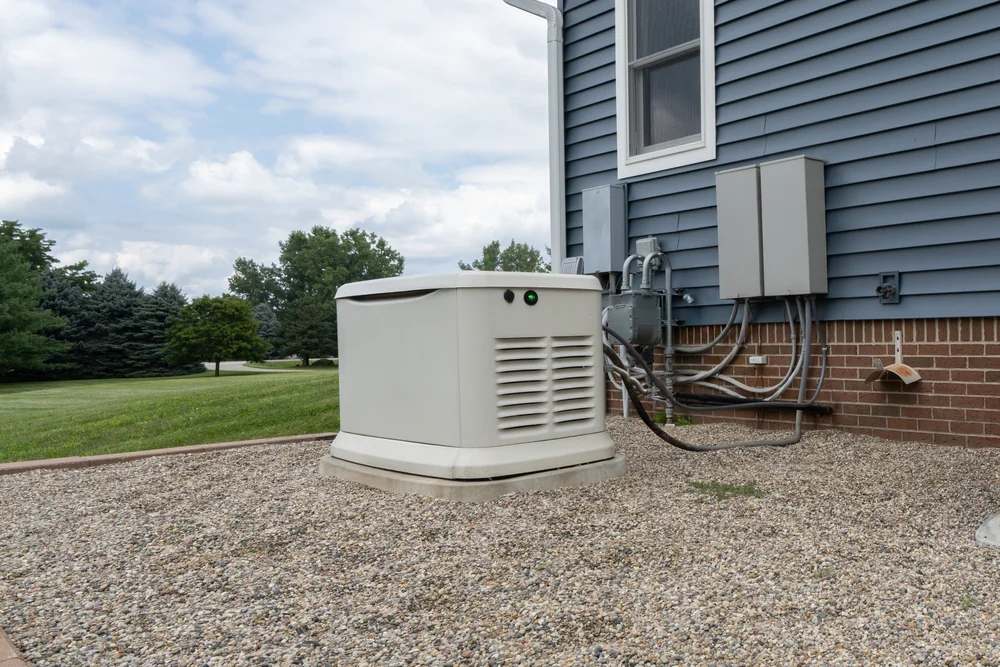
A whole house generator installation in Holtsville, NY means automatic power restoration within seconds of an outage. You don’t flip a switch or haul out extension cords. The system detects the loss of grid power and kicks on before you’ve even noticed the lights went out.
This matters on Long Island. Tropical Storm Isaias left over 400,000 customers without power—many for a week or longer. Superstorm Sandy knocked out half a million homes. When the next storm hits, you’re either prepared or you’re not. A home standby generator installation gives you that preparation without the guesswork.
You protect your food, your electronics, your medical equipment, and your daily routine. No spoiled groceries, no frozen pipes, no sitting in the dark wondering when PSEG will get to your street.
We’ve been handling electrical work in Holtsville and across Suffolk County since 2004. That’s over 20 years of panel upgrades, generator installs, and emergency repairs for homeowners who need the job done right.
We’re fully licensed and insured. Our team shows up in company vehicles, wearing company uniforms, with upfront pricing and no surprise bills at the end. You’ll know what the job costs before we start, and we guarantee the work when it’s finished.
Holtsville homeowners deal with the same grid vulnerabilities as the rest of Long Island—aging infrastructure, storm exposure, and restoration delays during major weather events. We’ve seen what happens when power goes out for days. That’s why we focus on reliable backup generator installation in Holtsville, NY that actually works when you need it.
First, we assess your home’s electrical load. That means figuring out what you actually need to power during an outage—your essentials like heating, cooling, refrigeration, lights, and any medical equipment. We size the generator based on your real usage, not guesses.
Next, we handle the permits and code compliance. Suffolk County has specific requirements for generator installations, and we make sure everything is up to standard. You’re not dealing with inspectors or paperwork—we take care of that.
Then comes the installation itself. We connect the generator to your home’s electrical panel, run the fuel line (natural gas or propane), and set up the automatic transfer switch. That switch is what detects the outage and signals the generator to start. Once it’s installed, we test the system to make sure it kicks on properly and powers what it’s supposed to.
After installation, you’ve got a system that runs itself. The generator performs regular self-checks, and you can schedule maintenance to keep it reliable for the long haul. Most whole house generators last 20+ years with proper upkeep.
Ready to get started?
A whole house generator installation in Holtsville, NY typically runs between $6,000 and $11,000. That includes the generator unit, the automatic transfer switch, labor, permits, and fuel line connection. The final cost depends on the size of your home and how much power you need.
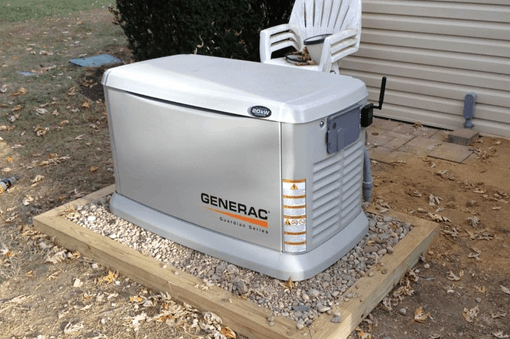
Smaller systems that cover essentials—heat, fridge, a few lights—cost less. Larger systems that power your entire home, including central air and all appliances, cost more. Generac whole house generators are common in this area because they’re reliable and parts are easy to get when you need service.
You’re also paying for professional installation. A licensed electrician makes sure the transfer switch is wired correctly, the generator is grounded properly, and everything meets local code. DIY installs or unlicensed work can fail inspections, void warranties, or create safety hazards.
Long Island sees an above-normal hurricane season forecast for 2024, with up to 25 named storms predicted. That means more chances for outages. Installing a home standby generator in Holtsville, NY now means you’re ready before the next storm, not scrambling after it hits.
It depends on what you want to keep running during an outage. If you’re covering the basics—furnace or AC, refrigerator, a few lights, and outlets—a 12kW to 16kW generator usually handles it for most homes.
If you want to power your entire house without thinking about what’s on or off, you’re looking at 20kW to 24kW or higher. Larger homes with central air, electric water heaters, or multiple HVAC zones need more capacity.
We calculate your actual load during the estimate. That means looking at your electrical panel, understanding what circuits matter most, and sizing the generator so it runs efficiently without being undersized or overkill. You don’t want a generator that can’t handle the load, and you don’t want to overpay for capacity you’ll never use.
Most installations take one to two days once permits are approved and the generator is on-site. The timeline depends on whether you need a new gas line run, how far the generator sits from your electrical panel, and if there’s any prep work like pouring a concrete pad.
Permitting in Suffolk County can add a week or two to the overall timeline, depending on how quickly the town processes the application. We handle that paperwork, so you’re not waiting on approvals yourself.
If you’re installing before storm season, plan ahead. Demand picks up in late spring and summer as homeowners prepare for hurricane season. Scheduling early means you’re not waiting weeks for an available install date when everyone else is trying to do the same thing.
Yes. Suffolk County requires permits for standby generator installations because they involve electrical work, fuel connections, and sometimes gas line modifications. The permit ensures the installation meets safety codes and passes inspection.
We pull the permits as part of the installation process. You don’t have to visit the building department or deal with inspectors. We submit the paperwork, schedule the inspection, and make sure everything is approved before we consider the job complete.
Skipping permits might seem like a shortcut, but it creates problems later. Unpermitted work can affect your homeowner’s insurance, void the generator warranty, and cause issues if you ever sell your home. Doing it right the first time means no surprises down the road.
It can, but it depends on the size of the generator and what you want running. A properly sized whole house generator can power everything—HVAC, appliances, lights, outlets, and electronics—just like normal grid power.
Some homeowners choose a smaller generator and use a load-shedding setup. That means the system prioritizes essential circuits and sheds non-essential ones if the demand gets too high. You’d still have heat, refrigeration, and lights, but maybe not the pool pump or electric dryer running at the same time.
We help you decide what makes sense based on your budget and your actual needs. If keeping the entire house running matters to you, we size the system for that. If you’re okay with covering the essentials and saving on upfront cost, we design around that instead.
Fuel cost depends on how often the generator runs and how much power you’re using. During an outage, a typical 20kW Generac generator running on natural gas uses about 200 to 300 cubic feet of gas per hour under a full load.
If you’re running the generator for 24 hours during a storm, that’s roughly 5,000 to 7,000 cubic feet of natural gas. At current Long Island rates, that’s around $50 to $70 per day of continuous use. Propane costs more per unit of energy, so expect higher fuel costs if you’re using a propane-fed system.
The generator also runs a short self-test every week to make sure it’s ready when you need it. Those tests use minimal fuel—usually just a few dollars per month. Maintenance costs are separate, but regular servicing keeps the system reliable and prevents expensive repairs later.
A portable generator is something you haul out of the garage, fill with gas, and plug appliances into directly or connect to your panel with a transfer switch. It’s manual, loud, and requires you to be home to set it up and refuel it every few hours.
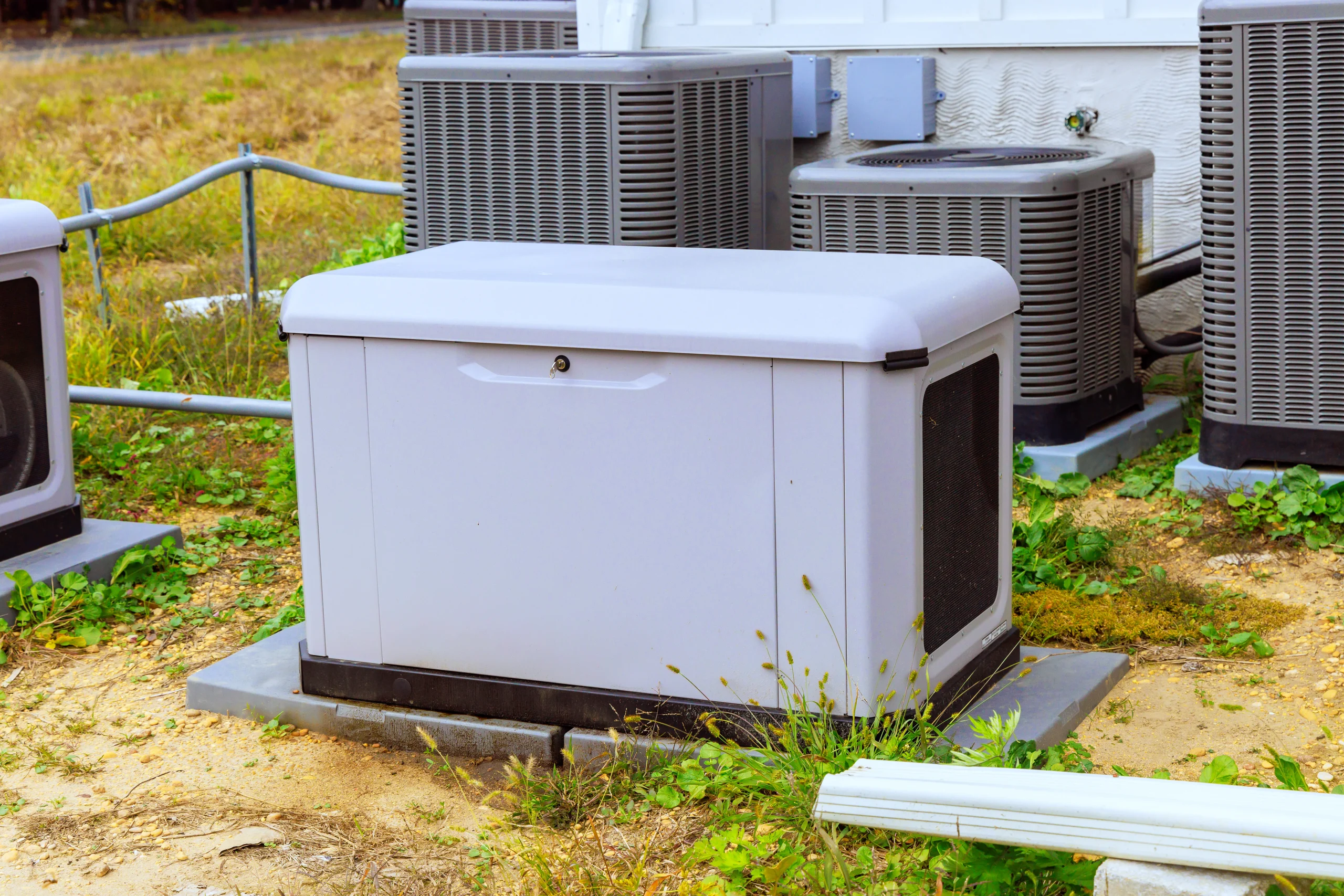
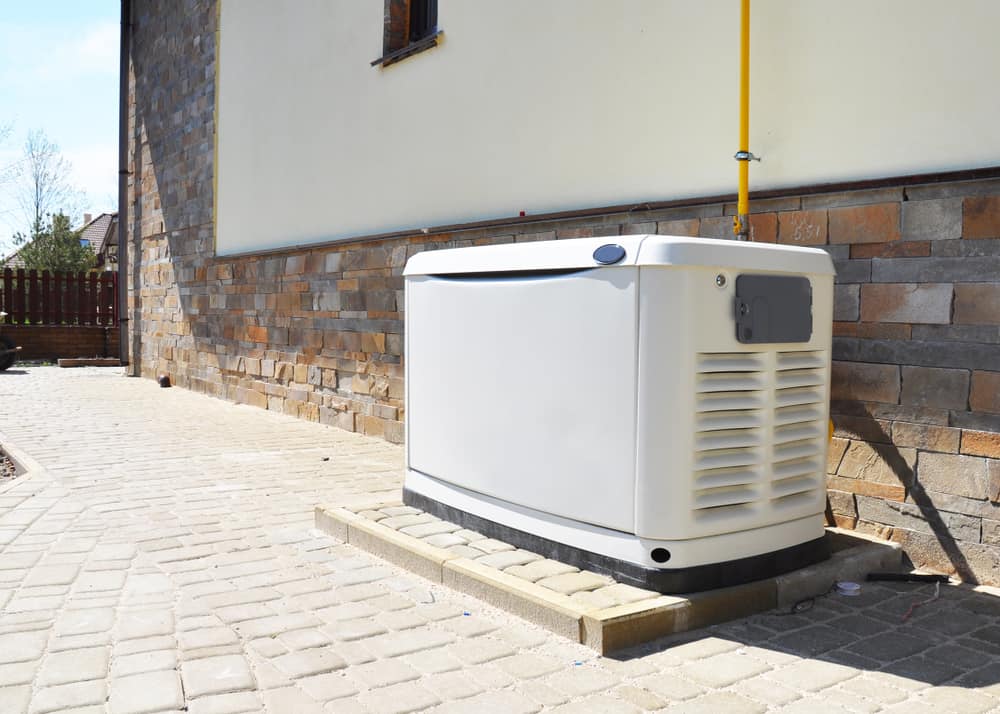
A standby generator is permanently installed outside your home, connected to your natural gas or propane line, and wired into your electrical panel. When the power goes out, it starts automatically within seconds. You don’t touch anything. It runs as long as needed and shuts off when grid power returns.
Standby generators cost more upfront, but they’re reliable and hands-off. If you’re away from home during an outage, a portable generator doesn’t help you. A home standby generator installation in Holtsville, NY keeps your house running whether you’re there or not.
Other Services we provide in Holtsville