Home Generator Installation in Islip, NY

Power On. Automatically. Every Single Time.

Your lights stay on, your food stays cold, and your family stays comfortable—even when everyone else on your block is sitting in the dark.
[Add Trustindex Button Here]
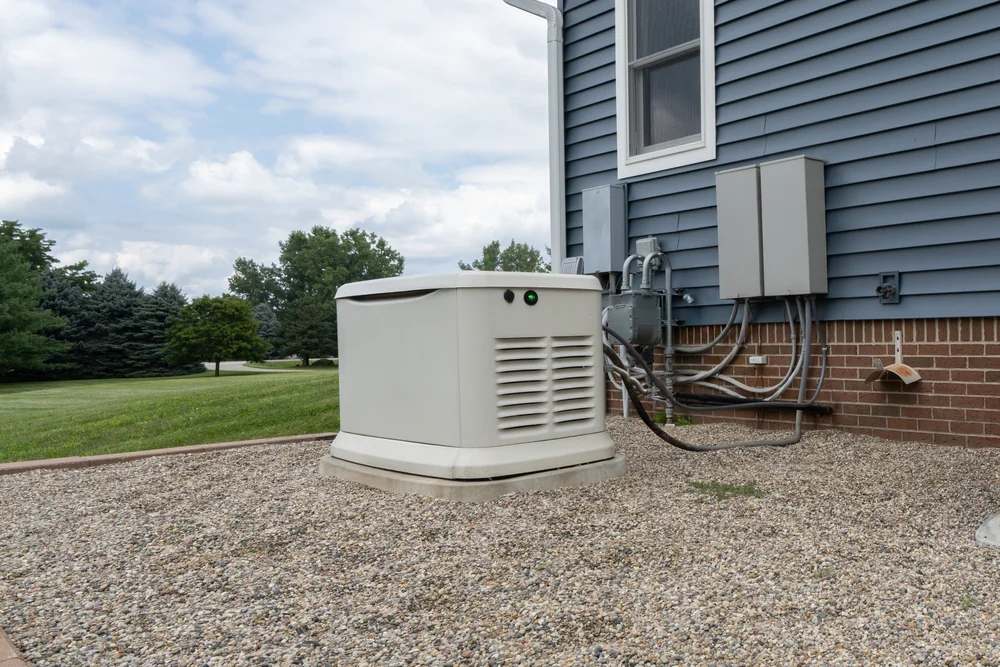
A standby generator sits on a gravel bed beside a blue house with siding in NY. Nearby, a residential electrician Suffolk County has mounted electrical boxes and conduit. Trees and lawn appear in the background under a cloudy sky.
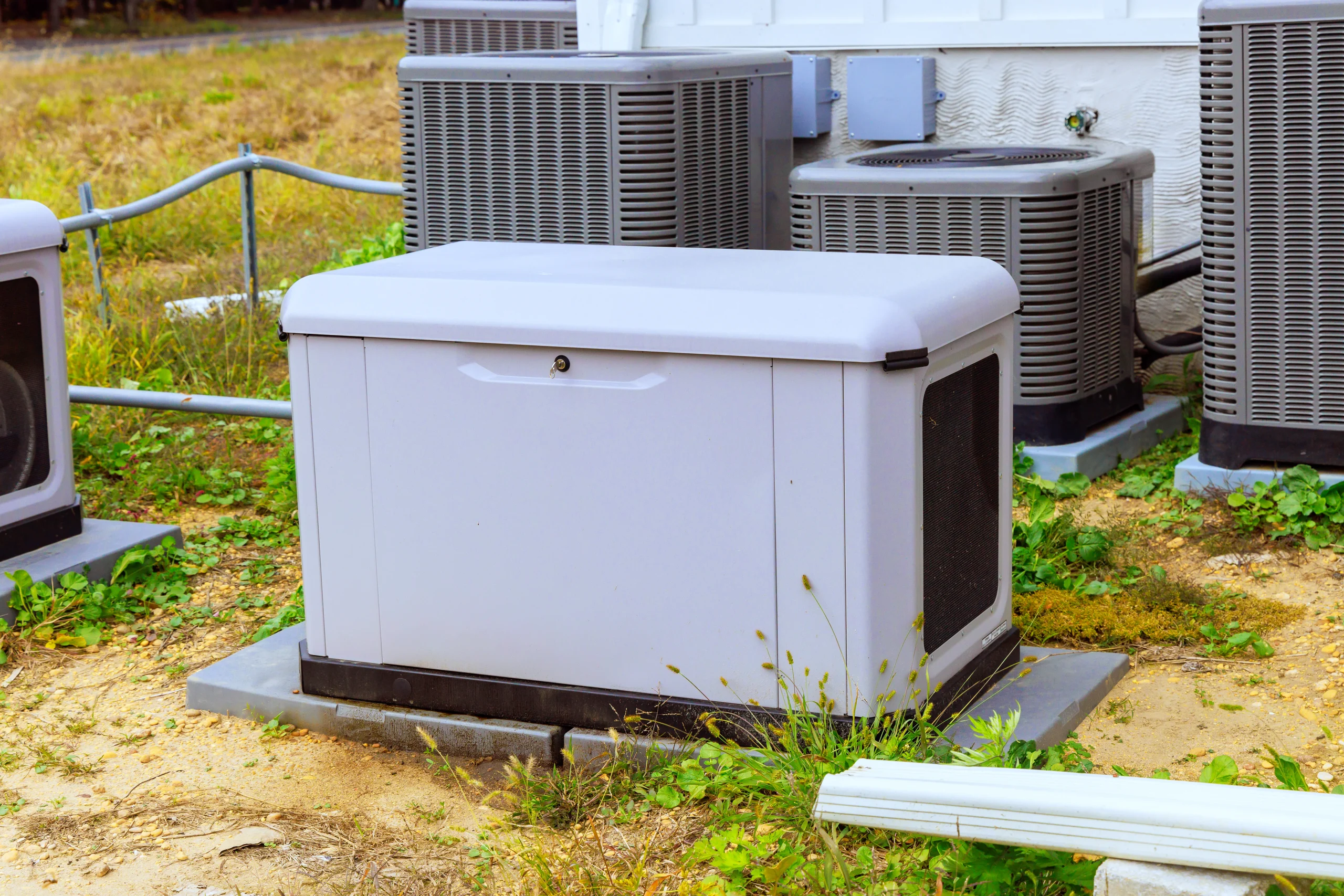
A standby generator sits on a concrete pad near several outdoor air conditioning units, with grass and weeds growing around the area. For installation or service, contact a residential electrician Suffolk County, NY, near this white building.

Whole House Generator Installation Islip NY

What You Get When the Grid Goes Down

You’re not waiting in the dark wondering when PSEG will get to your street. You’re not throwing out $300 worth of groceries or packing the kids up for a hotel stay because your house hit 50 degrees overnight.

When you have a whole house generator installation in Islip, NY, the power kicks on within seconds of an outage. No switches to flip. No extension cords to run. Your heating system keeps running, your sump pump stays active, and your security system doesn’t blink.

This is what it looks like when you stop reacting to outages and start ignoring them. Suffolk County sees severe storms every year—high winds, heavy snow, summer thunderstorms that knock out power for thousands. You’ve lived through enough of them to know what happens next. With a home standby generator in Islip, NY, what happens next is nothing. Life continues.

Licensed Generator Installer Islip NY

We've Been Doing This Since 2004

We’ve been installing backup generators across Suffolk County for over 20 years. We’re not new to this, and we’re not learning on your property.

Every generator installation in Islip, NY starts with a site visit. We look at your electrical panel, your gas lines, your permit requirements, and the actual layout of your home. We don’t guess at what size unit you need—we calculate it based on your load and your priorities.

We’re fully licensed and insured. Our trucks are marked, our team wears uniforms, and we’ve earned the Angie’s List Super Service Award seven years running. That doesn’t happen by accident. It happens because we show up on time, price everything upfront, and finish the job the way we said we would.

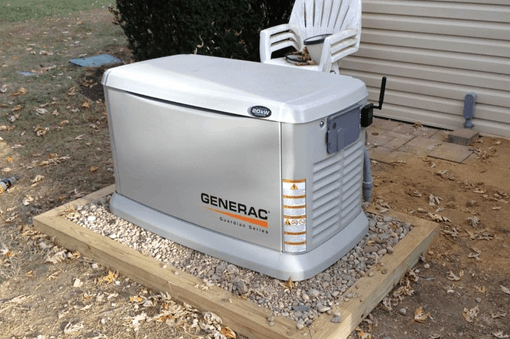
A Generac Guardian Series standby generator, expertly installed by a residential electrician Suffolk County, sits on a gravel platform beside a beige building, with a white plastic chair and scattered leaves nearby.

Home Standby Generator Installation Process

Here's How Your Installation Actually Happens

We start with a free in-home consultation. You tell us what you want to keep running during an outage—whole house or just essentials. We assess your electrical service, check your gas availability, and measure the space where the unit will sit.

From there, we size the generator. If you’ve got natural gas, we typically recommend a unit that ties directly into your existing line. If you’re on propane, we coordinate tank placement and line runs. Either way, you’re not storing fuel or refilling anything manually.

Once you approve the estimate, we pull permits and schedule the install. The generator gets mounted on a concrete pad outside your home, wired into your main panel through an automatic transfer switch, and connected to your fuel source. We test the system, walk you through the controls, and make sure it fires up exactly like it should.

After that, it just sits there and waits. When the power drops, the transfer switch detects it, signals the generator, and your home switches over to backup power in under 20 seconds. When utility power comes back, it switches back and shuts down. You don’t touch a thing.

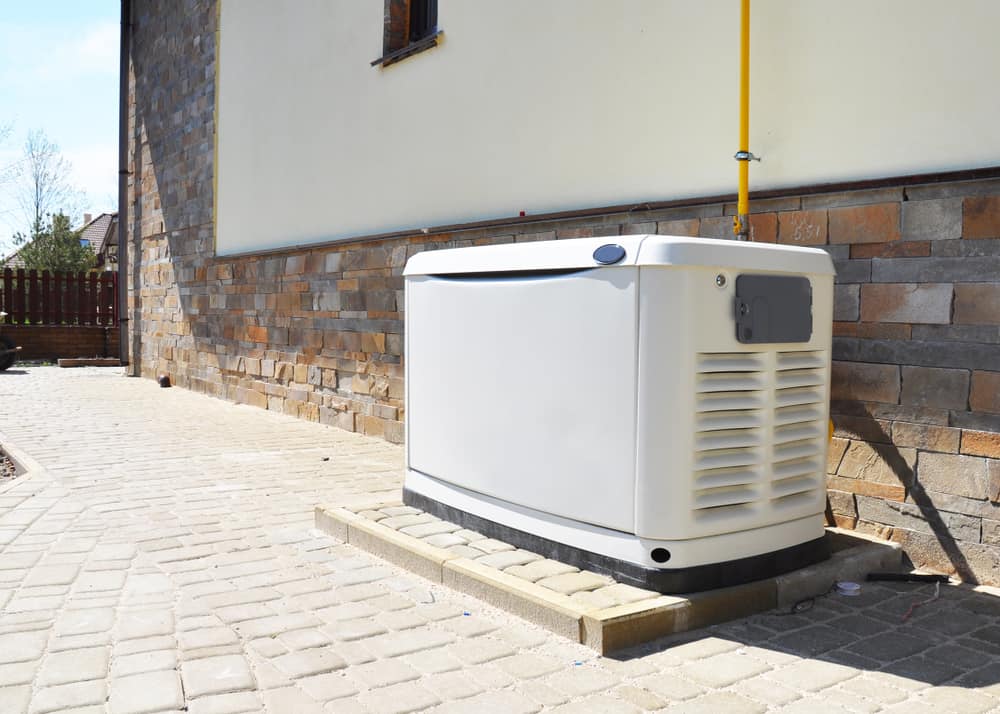
A standby generator is installed on a paved area next to a house with a brick and stone exterior wall; a yellow gas line connects to the unit, professionally set up by a residential electrician Suffolk County, NY.

Explore More Services

About Marra Electric

What's Included in Generator Installation Islip

What You're Actually Paying For

Your whole house generator installation in Islip, NY includes the generator unit itself—we install Generac and Kohler systems, both known for running reliably in all weather. You also get the automatic transfer switch, which is the brain that makes everything work without you lifting a finger.

We handle the concrete pad, the electrical connections, the fuel line hookup, and all the wiring between your panel and the generator. Permits, inspections, and code compliance are part of the package. So is cleanup when we’re done.

Islip sits right in the path of nor’easters and summer storm systems that regularly take out power for thousands of customers. In recent high wind events, over 600 customers in Islip lost power, and restoration times stretched past midnight. A 29-inch snowstorm earlier this year left families without heat for days. That’s the reality here. A backup generator installation in Islip, NY isn’t about convenience—it’s about making sure your house works when the infrastructure doesn’t.

The cost for a home standby generator installation in Islip, NY typically runs between $8,000 and $15,000 depending on the size of the unit and your home’s electrical setup. That includes equipment, labor, permits, and everything needed to go live. We give you the full number upfront—no surprises when the job’s done.

A standby generator sits on a concrete pad next to the exterior wall of a white NY house, near some shrubs and a grassy, partly bare yard with trees in the background.

How long does a whole house generator installation take in Islip, NY?

Most home generator installations in Islip, NY take one to two days once permits are approved. The timeline depends on your electrical panel setup, whether we’re running new gas lines, and how quickly the town processes the permit.

We schedule the work after everything’s approved and materials are on site. Day one usually covers the pad pour, generator placement, and rough-in of electrical and fuel connections. Day two is when we finish the wiring, install the transfer switch, connect to your panel, and test the system.

If your home needs a panel upgrade or a new propane tank, that adds time. We’ll tell you exactly what to expect during the estimate so there’s no confusion about how long your driveway will have equipment sitting in it.

It depends on what you want to run and how your home is set up. A typical 2,000-square-foot house in Islip with gas heat, central air, and standard appliances usually needs a generator in the 18kW to 22kW range to cover the whole house.

If you only care about essentials—refrigerator, furnace, a few lights, and outlets—you can get by with a smaller unit in the 12kW to 14kW range. But if you want the air conditioning, electric range, and every room operating normally, you need more capacity.

We calculate the load during the site visit. We add up the startup wattage for your AC compressor, well pump if you have one, and anything else that pulls heavy power when it kicks on. That tells us the minimum size you need. We don’t oversell you on capacity you won’t use, and we don’t undersize the system and leave you without enough power when it matters.

Yes. The Town of Islip requires permits for generator installations because you’re adding a fuel-burning appliance and making changes to your home’s electrical system. We handle the permit application as part of the installation process.

The permit covers the electrical work, the fuel connection, and the placement of the unit itself. An inspector will come out after the install to verify everything meets code. This protects you—it ensures the system is installed safely and won’t create hazards down the road.

Some installers skip permits or leave that part to the homeowner. We don’t. Unpermitted work can cause problems when you sell the house or file an insurance claim after a storm. We pull the permits, schedule the inspections, and make sure everything passes the first time.

A Generac whole house generator installation in Islip, NY typically costs between $8,000 and $15,000. That includes the generator, transfer switch, installation labor, concrete pad, electrical and fuel connections, permits, and startup.

Smaller units in the 12kW to 14kW range sit on the lower end of that range. Larger systems—22kW and up—cost more because the equipment itself is more expensive and the installation is more involved. If your electrical panel needs an upgrade or you’re adding a propane tank, those costs get added to the total.

We price everything upfront during the estimate. You’ll know what the generator costs, what the installation costs, and what the final number is before we start. No surprise bills when the job’s done. That’s how we’ve stayed in business for 20 years—we tell you what it costs, and that’s what you pay.

It can, if that’s how you want it set up. A whole home generator installation in Islip, NY means the system is sized to handle your entire electrical load—heating, cooling, appliances, outlets, everything. When the power goes out, your house operates like nothing happened.

Some homeowners choose to run only critical circuits—furnace, refrigerator, sump pump, a few lights. That’s a smaller, less expensive system. You’re making a tradeoff: lower upfront cost, but not every room stays powered.

We help you decide during the consultation. If you’ve got elderly family members living with you, medical equipment that can’t go offline, or you just don’t want to deal with a dark house in January, a whole house system makes sense. If you’re okay with some limitations and want to keep the cost down, we can design around that too.

You should have your backup generator serviced once a year. That includes an oil and filter change, air filter replacement, spark plug inspection, and a full system test to make sure the transfer switch and controls are working correctly.

Generac and Kohler both recommend annual maintenance to keep the warranty valid. Skipping service doesn’t usually cause immediate problems, but it increases the chance your generator won’t start when you actually need it. And in Islip, where outages happen multiple times a year during storm season, you don’t want to find out your unit’s dead when the lights go out.

Most generators also run a self-test every week. It fires up for a few minutes, checks the system, and shuts back down. You’ll hear it running—that’s normal. It’s making sure everything works so it’s ready the next time PSEG calls a multi-day restoration event.

Other Services we provide in Islip