Home Generator Installation in Laurel, NY

Power Stays On When the Grid Goes Down

Automatic backup power for your Laurel home—no fuel runs, no manual switches, no waiting in the dark during the next nor’easter.
[Add Trustindex Button Here]
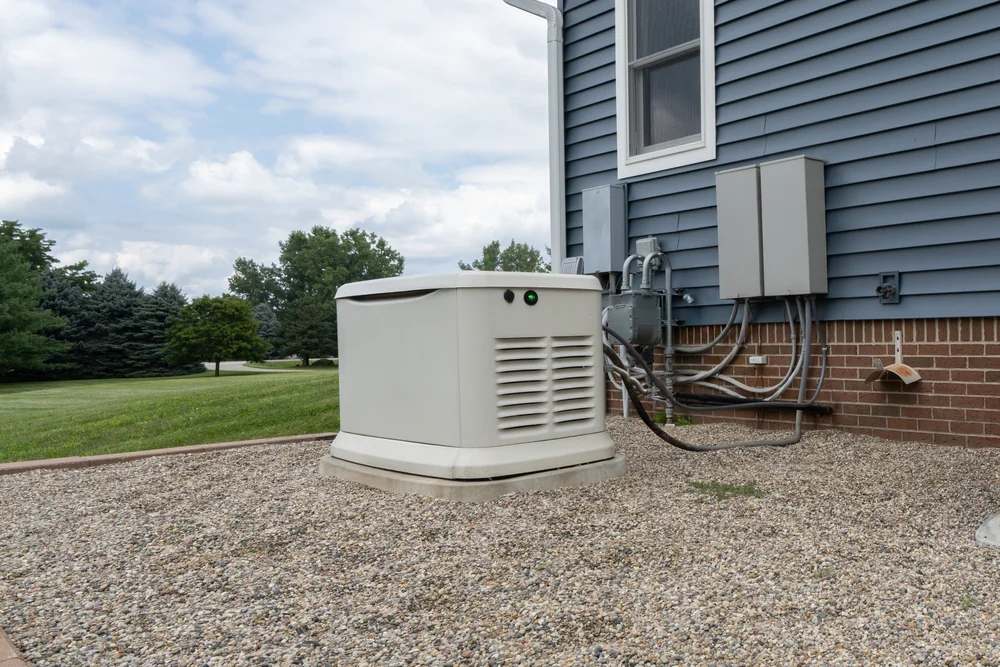
A standby generator sits on a gravel bed beside a blue house with siding in NY. Nearby, a residential electrician Suffolk County has mounted electrical boxes and conduit. Trees and lawn appear in the background under a cloudy sky.
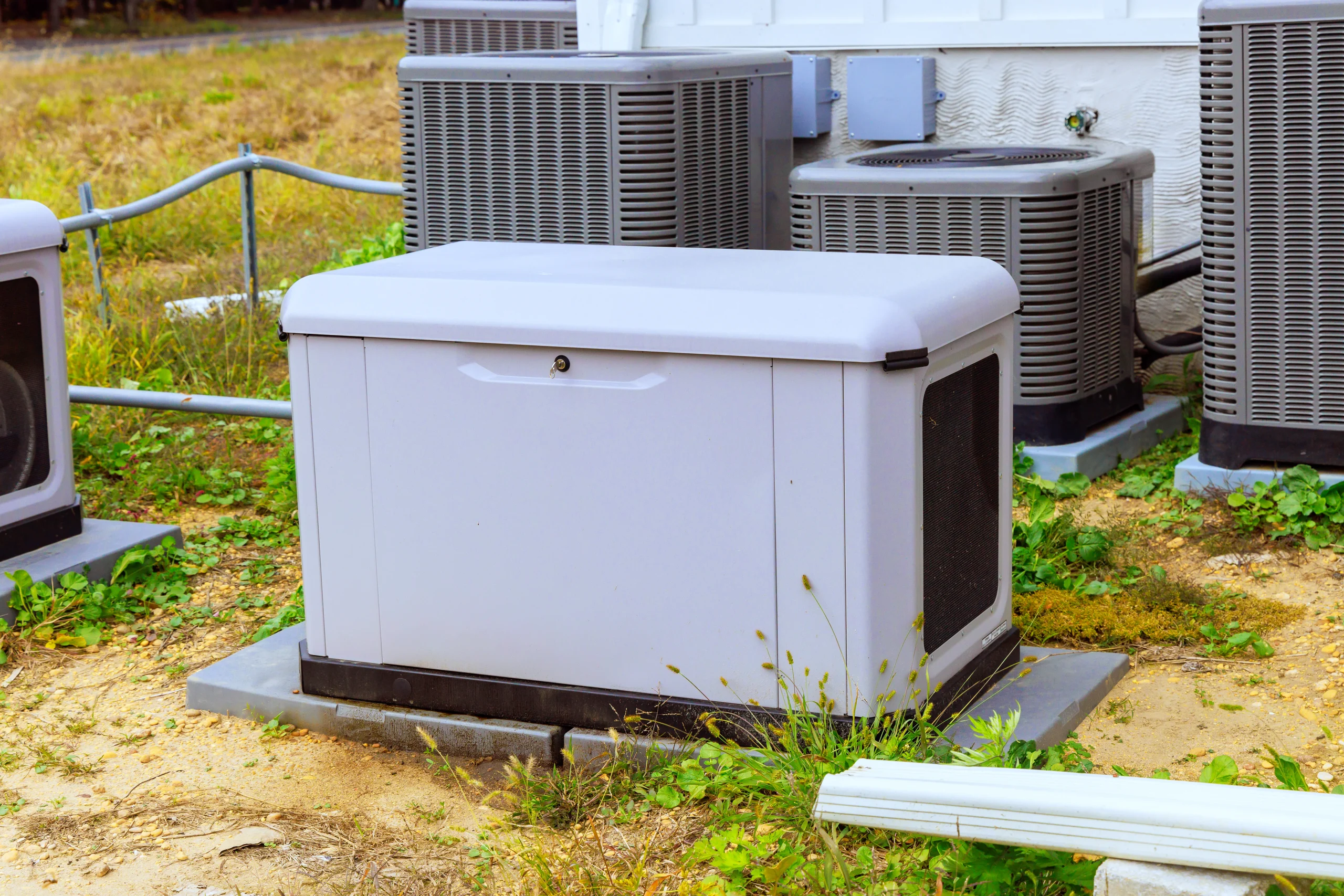
A standby generator sits on a concrete pad near several outdoor air conditioning units, with grass and weeds growing around the area. For installation or service, contact a residential electrician Suffolk County, NY, near this white building.

Whole House Generator Installation Laurel NY

Your Lights Stay On While Your Neighbors Wait

You already know how this goes. Storm rolls in off the Atlantic, trees come down, power lines snap. PSEG says three to five days. Your refrigerator starts warming up within hours. Sump pump stops. Security system goes dark.

A whole house generator installation in Laurel, NY changes that. Within seconds of losing grid power, your backup system kicks in automatically. No scrambling for flashlights. No moving your family to a hotel. No wondering if your basement is flooding while you’re stuck at work.

The generator runs on your existing natural gas line or propane tank. You’re not making fuel runs during a blizzard. You’re not rationing power or choosing between the fridge and the furnace. Everything that matters keeps running—heat, refrigeration, outlets, security, medical equipment—while you wait for PSEG to restore service to your neighborhood.

Licensed Generator Installer Laurel NY

We've Been Installing Generators Since 2004

We’ve handled home standby generator installation in Laurel, NY and across Suffolk County for over 20 years. We’re not a national franchise that subcontracts your job to whoever’s available. We’re a local electrical contractor based in Bohemia, fully licensed and insured, with the same crews doing the work from start to finish.

Suffolk County homeowners deal with more frequent outages than most of Long Island. You’re closer to the water. Wind hits harder. Trees are older. We’ve installed backup generator systems in Laurel for families who lost power for a week after Hurricane Sandy and business owners tired of losing inventory every time a nor’easter blows through.

You’ll get upfront pricing before we start. No surprise bills. Our trucks are marked, our team wears uniforms, and we’ve earned the Angie’s List Super Service Award seven years running because we show up on time and finish the job right.

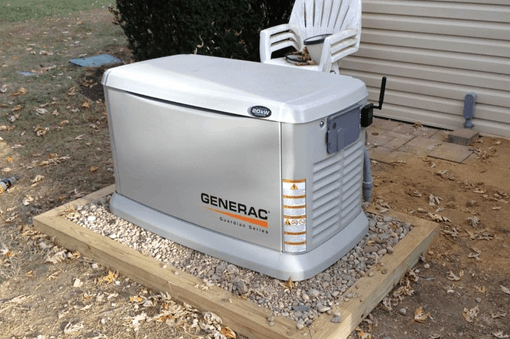
A Generac Guardian Series standby generator, expertly installed by a residential electrician Suffolk County, sits on a gravel platform beside a beige building, with a white plastic chair and scattered leaves nearby.

Home Standby Generator Installation Process

Here's How Your Installation Actually Happens

We start with an in-home consultation at your Laurel property. We’ll look at your electrical panel, check your gas line or propane setup, and figure out where the generator should sit based on code requirements and your property layout. Most Suffolk County homes need between 7,500 and 20,000 watts for essential coverage—that’s your fridge, heating system, some lights, and key outlets. If you want whole-house coverage including central air and every circuit, you’re looking at 20,000 to 26,000 watts.

Once we agree on the size and placement, we pull permits and schedule the installation. The generator gets mounted on a concrete pad outside your home. We run the fuel line, connect it to your electrical panel with a transfer switch, and wire everything to code. When the power goes out, the transfer switch detects it within seconds and signals the generator to start. When grid power comes back, the system automatically switches back and shuts down.

Before we leave, we test the whole system and walk you through basic maintenance. You’re not doing anything complicated—the generator monitors itself and runs a self-test every week. We just want you to know what’s normal and what isn’t.

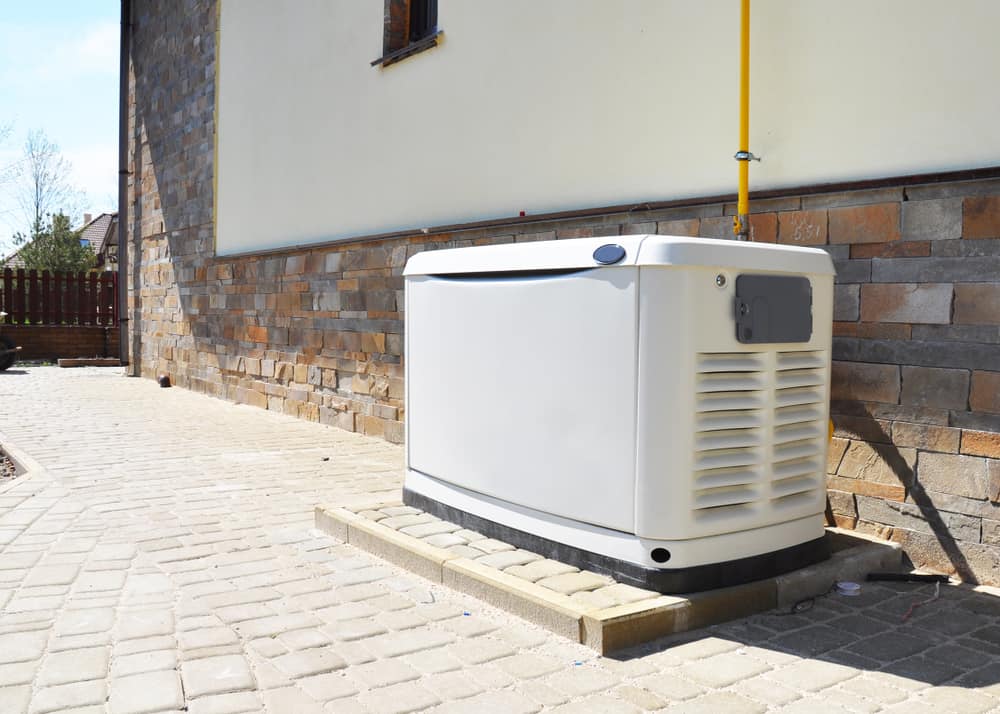
A standby generator is installed on a paved area next to a house with a brick and stone exterior wall; a yellow gas line connects to the unit, professionally set up by a residential electrician Suffolk County, NY.

Explore More Services

About Marra Electric

Backup Generator Installation Suffolk County

What You Actually Get With This Installation

Your home standby generator installation in Laurel, NY includes the generator unit itself—we install Generac, Kohler, and other major brands depending on your power needs and budget. You’ll get a concrete pad installed to manufacturer specs, a transfer switch that connects your electrical panel to the generator, and all the wiring and fuel line connections required by Suffolk County code.

We handle the permit process with the Town of Southold. Generator installations require electrical and building permits, plus inspections before the system goes live. That’s part of the job, not an extra.

Laurel sits right on the water, which means salt air and high winds during storms. We mount and secure your generator to handle coastal conditions. The unit runs on natural gas or propane—most homes in this area have one or the other already. If you’re on propane, we’ll coordinate tank sizing with your supplier to make sure you’ve got enough fuel capacity for extended outages.

Installation typically takes one to two days depending on your electrical setup and how far we’re running fuel lines. Whole house generator cost in Laurel, NY generally runs between $9,000 and $16,000 installed, depending on the size of the system and any electrical upgrades your panel might need.

A standby generator sits on a concrete pad next to the exterior wall of a white NY house, near some shrubs and a grassy, partly bare yard with trees in the background.

How long does a home generator installation take in Laurel, NY?

Most home generator installations in Laurel take one to two days once permits are approved. Day one usually covers the concrete pad, mounting the generator, and running the fuel line. Day two handles the electrical connections, transfer switch installation, and final testing.

Permit approval adds time before we start the physical work. Suffolk County typically processes generator permits within one to two weeks, though that can stretch during busy seasons after major storms when everyone’s calling for installations.

If your electrical panel needs an upgrade to handle the transfer switch safely, that adds another day. Older homes in Laurel sometimes have 100-amp panels that should be upgraded to 200 amps before adding a whole house generator. We’ll know during the initial consultation whether your panel can handle the load or needs work first.

Most homes in Laurel need between 12,000 and 22,000 watts for whole house coverage. That range covers your heating system, refrigerator, well pump if you have one, security system, lights, and enough outlets to keep your family comfortable during an outage.

If you only want to cover essentials—heat, fridge, some lights, a few outlets—you can get by with a 7,500 to 10,000-watt unit. That keeps you safe and prevents food spoilage, but you’ll need to be selective about what you’re running at any given time.

Homes with central air conditioning, electric water heaters, or multiple HVAC zones need larger systems, usually 20,000 to 26,000 watts. During the consultation, we calculate your actual load based on what’s in your electrical panel and what you want to keep running during an outage. We size the generator to handle your startup loads, not just running watts, because things like AC compressors and well pumps draw more power when they kick on.

It depends on what’s already at your Laurel property. If you’ve got natural gas service, that’s usually the simpler option—unlimited fuel supply, nothing to refill, and the generator ties directly into your existing line. We just need to verify your gas meter can handle the additional load and possibly upgrade the line size if it’s undersized.

If you’re on propane, your generator connects to your existing tank. You’ll want at least a 500-gallon tank for a whole house generator. A 22,000-watt generator running at half load burns roughly 3 to 4 gallons per hour, so a 500-gallon tank gives you about 5 to 6 days of runtime if you’re running the generator continuously.

Many homes in Laurel are on propane since natural gas lines don’t reach every street. That’s not a problem—propane generators are just as reliable. You’ll just need to keep an eye on your tank level during long outages and schedule a refill if you’re getting low. Most propane suppliers in Suffolk County offer emergency delivery during storms, though you’ll pay a premium for it.

Whole house generator cost in Laurel, NY typically runs between $9,000 and $16,000 installed. That includes the generator unit, transfer switch, concrete pad, labor, permits, and electrical connections. Smaller systems in the 12,000 to 14,000-watt range usually land on the lower end. Larger 22,000 to 26,000-watt systems that cover your entire home including central air run closer to $14,000 to $16,000.

If your electrical panel needs an upgrade before we can safely install the transfer switch, add another $2,000 to $3,500 depending on the panel size and how much rewiring is involved. Homes built before 1990 often need panel upgrades.

Fuel line work can also affect cost. If we’re running 100 feet of gas line from your meter to the generator location, that’s more labor and materials than a 20-foot run. Same with propane—if your tank is on the opposite side of your house from where the generator needs to sit, we’re running more line.

We give you a fixed price after the consultation. No hourly rates, no surprise charges. You’ll know exactly what you’re paying before we start.

Yes. Generac whole house generators in Laurel, NY are designed to start and run in cold weather. The units include block heaters that keep the engine warm enough to start even when it’s below freezing outside. As long as you’ve kept up with basic maintenance—oil changes, air filter, battery—the generator will fire up when the power drops.

Winter storms are actually when you need the generator most. Nor’easters knock out power across Suffolk County for days at a time, and you’re dealing with freezing temperatures, frozen pipes, and no heat. Your generator keeps your furnace running, your pipes from freezing, and your family warm while you wait for PSEG to restore service.

The bigger concern in winter is fuel supply if you’re on propane. Cold weather increases your propane usage for heating, and your generator is pulling from the same tank. Make sure your tank is full before storm season. If you’re on natural gas, you’ve got unlimited supply—the generator will run as long as needed.

We install generators on concrete pads that sit above snow level, and we position them away from roof edges where snow and ice might slide off and damage the unit.

Your home standby generator in Laurel, NY should be serviced once a year, ideally before storm season in late summer or early fall. Annual maintenance includes an oil change, air filter replacement, spark plug check, and battery test. We also inspect the fuel connections, test the transfer switch, and run the generator under load to make sure it’s producing the right voltage.

Between service visits, the generator maintains itself. It runs a self-test every week for about 15 minutes, cycling through its systems to make sure everything’s ready when you need it. You’ll hear it running—that’s normal. The weekly test keeps the engine lubricated, charges the battery, and confirms the unit can start and produce power.

If you’re on propane, check your tank level a few times a year, especially before winter. If you’re on natural gas, there’s nothing for you to monitor—the generator pulls fuel as needed.

Skipping maintenance is a bad idea. Generators that sit for years without service often fail when the power actually goes out. The oil breaks down, the battery dies, and you’re stuck in the dark wondering why you spent $12,000 on a generator that won’t start. Annual service prevents that.

Other Services we provide in Laurel