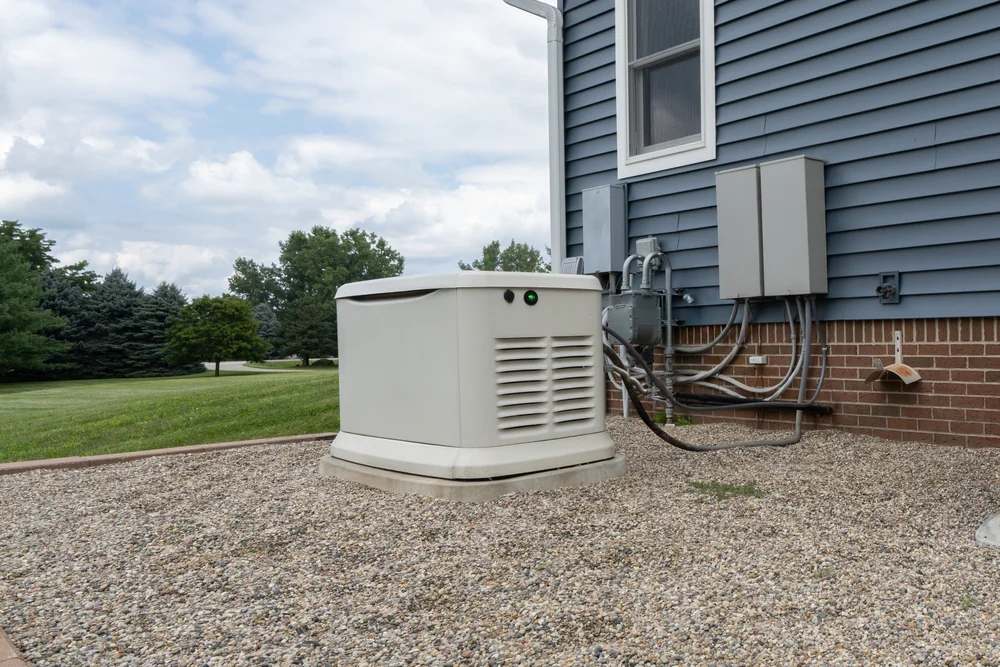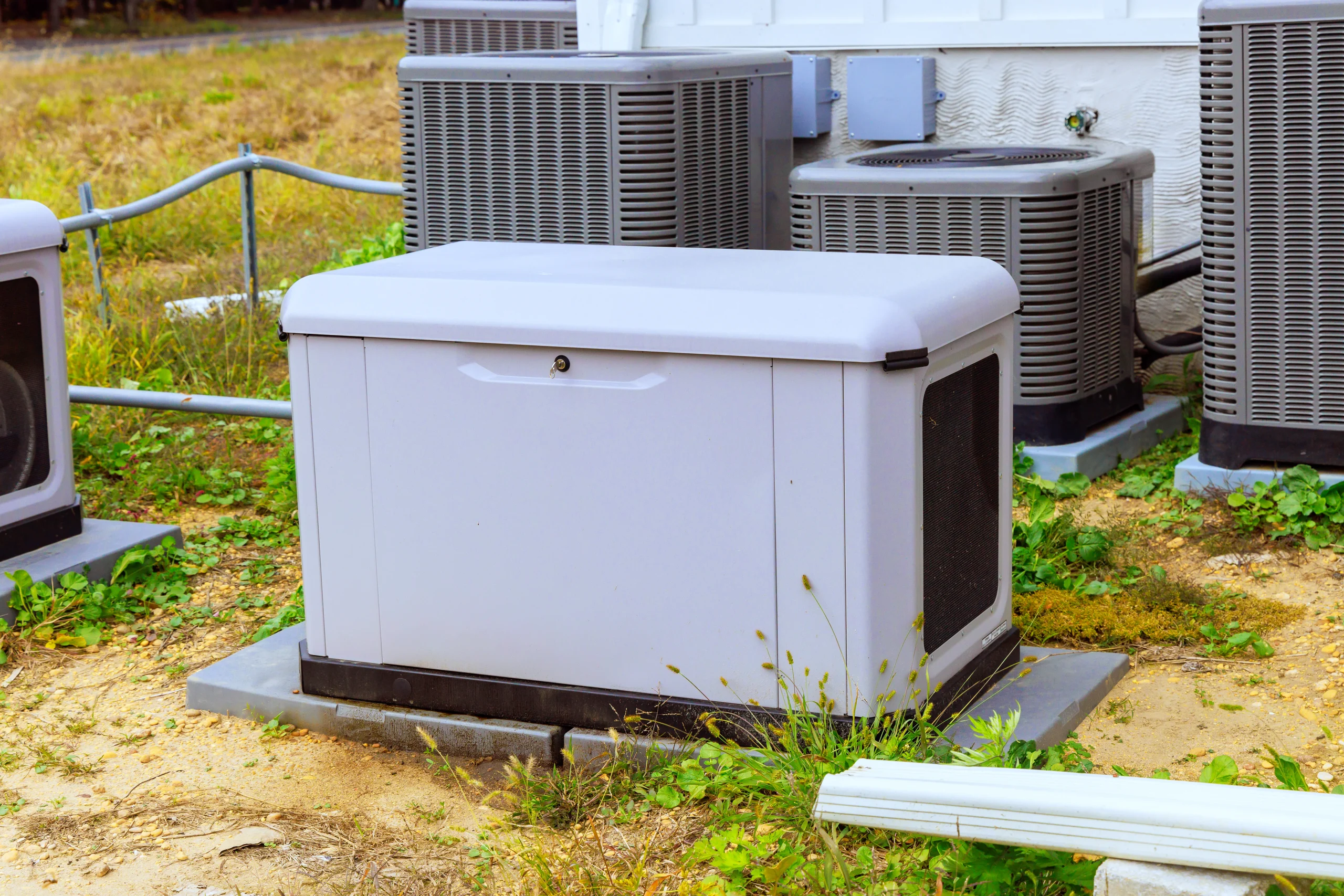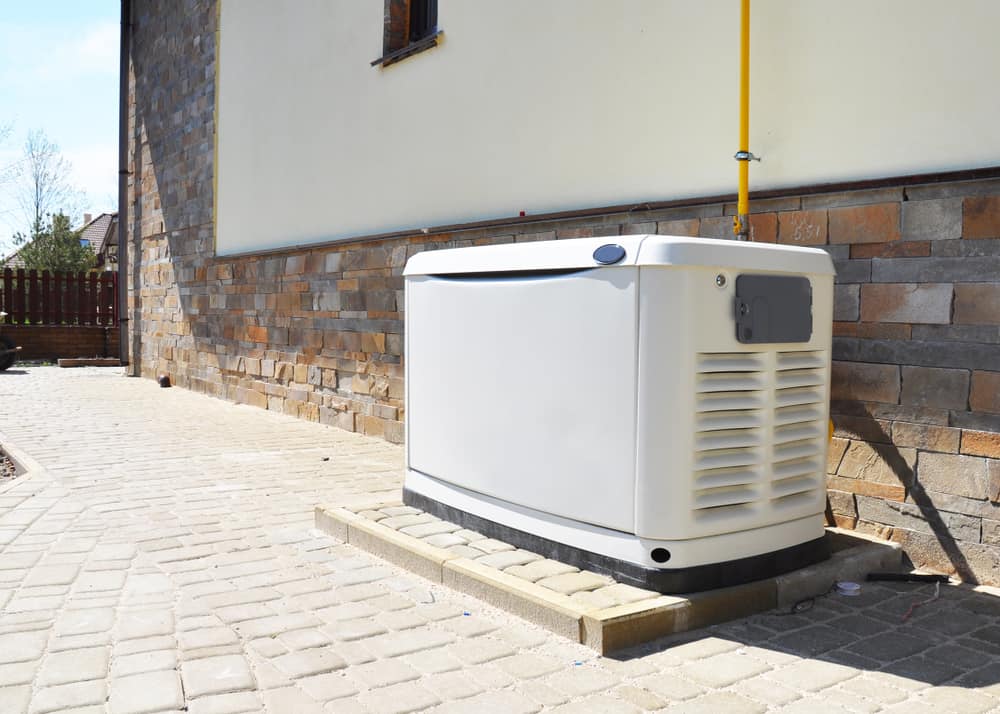
When the power goes out in New Suffolk, your generator kicks on within seconds. Your refrigerator keeps running. Your heating system stays active. Your sump pump protects your basement. You’re not sitting in the dark wondering when PSEG will restore service.
The average Suffolk County family loses $300 to $500 in spoiled food during a two-day outage. Add hotel costs at $150 to $200 per night, and you’re looking at real money fast. If you work from home, every day without power means lost income.
A whole house generator installation in New Suffolk, NY eliminates those costs. Your home operates normally while your neighbors deal with extension cords and portable units. Your security system stays armed. Your medical equipment keeps working. Your family stays comfortable and safe, whether you’re home or away.
We’ve been serving New Suffolk and Suffolk County since 2004. We’ve installed backup generators through nor’easters, hurricanes, and everything between. We know what fails during Long Island storms and how to prevent it.
Every home standby generator installation in New Suffolk, NY gets the same treatment: proper concrete pad, correct fuel line sizing, code-compliant transfer switch, and permits pulled with the town. Our electricians arrive in company vehicles, complete the work to manufacturer specs, and make sure your system starts when you need it.
We’re fully licensed and insured. We offer upfront pricing before any work begins. And we’ve earned the Angie’s List Super Service Award seven years running because we show up, do the job right, and stand behind our work.
First, we visit your property in New Suffolk to assess your electrical panel, available space, and fuel source. Natural gas works for most homes, but we’ll evaluate propane if that’s what you have. We measure the distance from your meter, check clearances from windows and air intakes, and determine the right generator size for your needs.
Most New Suffolk homes need between 12kW and 22kW for whole home coverage. That powers your essentials plus some comfort items—not just a few circuits. We calculate your actual load requirements instead of guessing.
Once you approve the estimate, we handle the permits with the town. Then we pour the concrete pad, run the fuel line, install the transfer switch inside your electrical panel, and set the generator. We test everything, program the controller, and walk you through basic operation and maintenance.
The typical whole house generator installation in New Suffolk, NY takes one to two days depending on complexity. You’ll have a system that starts automatically during outages and shuts down when grid power returns. No action required from you.
Ready to get started?
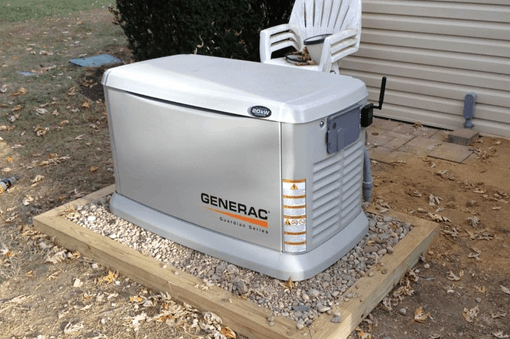
Your home generator installation in New Suffolk, NY includes the generator unit, transfer switch, concrete pad, fuel connection, electrical hookup, and all required permits. We install Generac generators because they’re reliable, parts are available, and service is straightforward when needed.
The transfer switch is critical. It disconnects your home from the grid during outages and connects it to generator power. When utility power returns, it switches back automatically. Cheap installations skip proper transfer switches or use manual switches that require you to be home. We don’t cut corners there.
Suffolk County weather is hard on equipment. Coastal air, temperature swings, and heavy storms mean your generator needs proper installation to last. We mount units on reinforced pads that won’t settle or crack. We use weatherproof connections rated for marine environments. And we position generators to meet setback requirements while protecting them from flooding and debris.
New Suffolk sits close to the water, which means salt air and storm surge considerations. We account for that during installation. Your generator gets placed where it’ll perform for 20-plus years, not just pass inspection today.
Most whole house generator installations in New Suffolk run between $10,000 and $16,000 depending on size and complexity. That includes the Generac unit, transfer switch, installation labor, concrete pad, fuel line connection, permits, and startup.
A 16kW to 22kW Generac Guardian series generator handles most homes comfortably. Smaller homes might get by with 12kW. Larger properties with multiple HVAC systems or heavy well pumps might need 24kW or more.
The installation cost varies based on how far we run the fuel line, whether your electrical panel needs upgrades, and site-specific factors like access and ground conditions. We provide fixed pricing after the site visit so you know exactly what you’re paying before work starts.
Your home standby generator in New Suffolk, NY runs as long as it has fuel. If you’re connected to natural gas, it runs indefinitely. The gas company keeps supplying fuel even during extended outages.
Propane systems depend on tank size. A 500-gallon propane tank powers a 20kW generator for roughly five to seven days of continuous operation. Most outages in Suffolk County last one to three days, so propane works fine for most situations.
Generac generators include automatic exercising features. They start themselves weekly for a few minutes to keep the engine ready. This self-test ensures your generator will start when an actual outage hits, not just sit dormant for months and fail when you need it.
Most New Suffolk homes need a 16kW to 22kW generator for whole home coverage. That powers your heating system, refrigerator, lights, outlets, well pump if you have one, and at least one air conditioning zone.
We calculate the actual requirement by adding up the starting watts of your largest motor loads—usually your AC compressor or well pump—plus the running watts of everything else you want powered. Undersizing means some items won’t run. Oversizing wastes money on capacity you’ll never use.
If you only want essentials covered—heat, refrigerator, some lights—a 12kW unit might work. If you want the whole house running like normal, including multiple AC zones and high-draw appliances, you might need 24kW. We size it right during the estimate so you’re not guessing.
Yes. New Suffolk requires electrical and building permits for backup generator installation. The town wants to verify proper setbacks from property lines, correct fuel line installation, and code-compliant electrical connections.
We handle all permit applications and inspections as part of your installation. The process typically adds a week or two to the timeline while we wait for approval and schedule inspections, but it’s not optional.
Skipping permits creates problems when you sell your home or file an insurance claim. Inspectors verify that your generator won’t vent exhaust into windows, that fuel lines are properly sized and protected, and that your transfer switch is wired correctly. It’s not red tape—it’s making sure your system is safe and legal.
Your Generac generator needs professional maintenance once a year. That service includes an oil change, air filter replacement, spark plug inspection, battery check, and full system test. It takes about an hour and costs $200 to $300 depending on the model.
Between service visits, your generator maintains itself. It runs a self-test every week for 12 minutes, which keeps the engine lubricated and the battery charged. You don’t need to do anything except listen for the test and make sure it sounds normal.
Generac recommends the first service at 12 months or 100 hours of operation, whichever comes first. After that, it’s annual. Skipping maintenance voids your warranty and increases the chance your generator won’t start during an actual outage. Most New Suffolk homeowners schedule service in spring or fall when weather is mild.
Yes. Whole house generators typically add three to five percent to your home’s resale value in Suffolk County. For a $500,000 home, that’s $15,000 to $25,000 in added value. You won’t recover 100% of installation cost immediately, but you get back a significant portion when you sell.
More importantly, homes with generators sell faster. Buyers in New Suffolk remember sitting through outages after storms. They know what it costs in spoiled food, hotel stays, and missed work. A house with backup power installed is more attractive than one without.
Real estate agents report that generators are becoming expected features in higher-end Long Island homes, similar to central air or updated kitchens. It’s not a luxury anymore—it’s practical infrastructure that protects your investment and makes daily life more secure during increasingly common weather events.
Other Services we provide in New Suffolk