Home Generator Installation in North Amityville, NY

Power On When the Grid Goes Down

Automatic backup power for your home within seconds of an outage—so you never lose what matters most during the next storm.
[Add Trustindex Button Here]
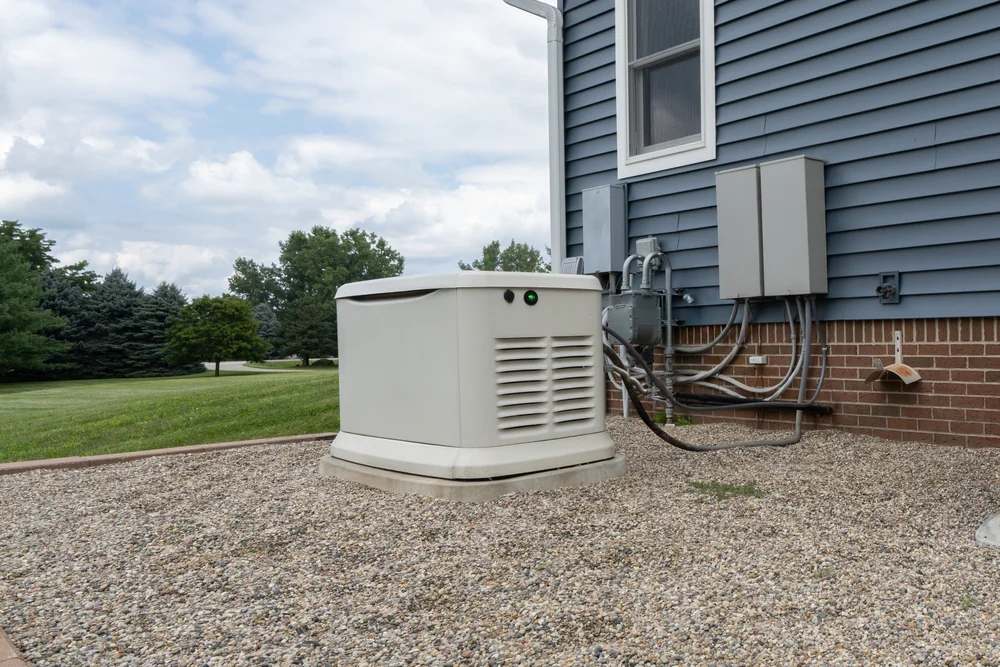
A standby generator sits on a gravel bed beside a blue house with siding in NY. Nearby, a residential electrician Suffolk County has mounted electrical boxes and conduit. Trees and lawn appear in the background under a cloudy sky.
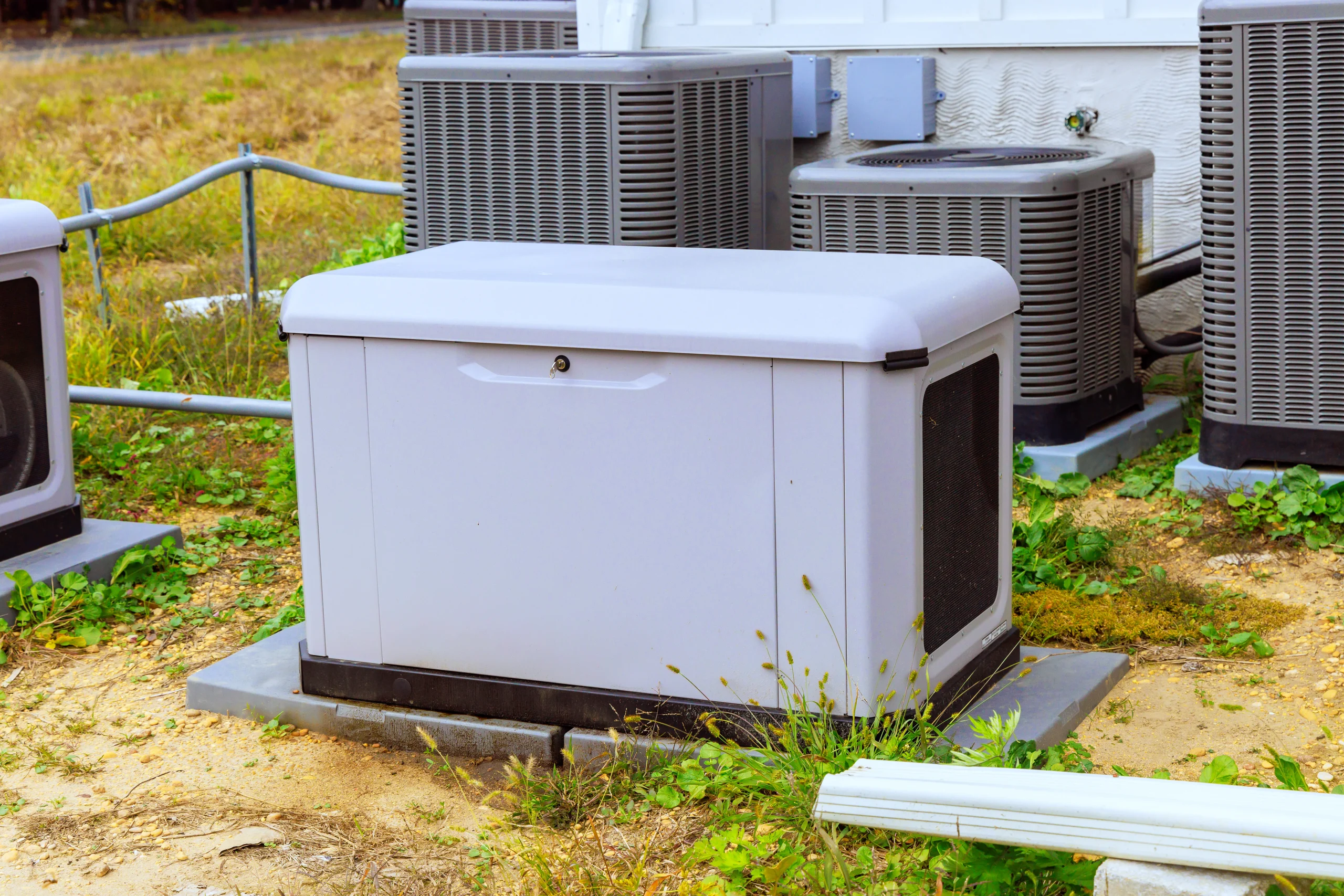
A standby generator sits on a concrete pad near several outdoor air conditioning units, with grass and weeds growing around the area. For installation or service, contact a residential electrician Suffolk County, NY, near this white building.

Whole House Generator Installation North Amityville

What You Get With a Home Standby Generator

Your refrigerator keeps running. Your sump pump doesn’t quit. Your heat stays on in January and your AC works through August. That’s what a whole house generator installation in North Amityville, NY actually does for you.

You’re not scrambling for hotel rooms when everyone else is doing the same thing. You’re not throwing out $800 worth of groceries because the power’s been out for two days. You’re not dealing with frozen pipes or a flooded basement because your systems went offline.

An automatic transfer switch detects the outage and fires up your generator before you’ve even grabbed a flashlight. Everything you need stays powered—lights, outlets, appliances, medical equipment. You go about your day while your neighbors are dealing with the fallout.

Suffolk County averages multiple significant outages per year. Most last several hours. Some stretch into days. A backup generator installation in North Amityville means you don’t ride those out in the dark.

Licensed Electricians Serving North Amityville, NY

We've Been Doing This Since 2004

We’ve handled electrical work across Suffolk County for over 20 years. We’re fully licensed and insured, and our team shows up in company vehicles wearing uniforms—not because we’re trying to impress you, but because that’s how professional contractors operate.

We’ve installed home standby generators in North Amityville for families who were tired of losing power every time a nor’easter rolled through. We’ve worked with homeowners who need continuous power for medical equipment and business owners who can’t afford downtime. Every installation gets the same attention: proper sizing, clean wiring, code-compliant setup, and a system that works when you need it.

You’ll get upfront pricing before we start. No surprise bills. No hidden fees. Just a clear estimate and a timeline we actually stick to. We’ve earned the Angie’s List Super Service Award seven years running, and we back every job with a 100% satisfaction guarantee.

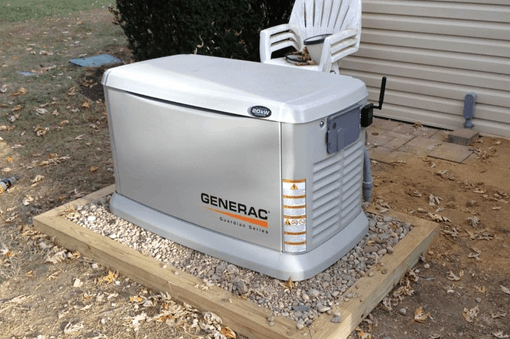
A Generac Guardian Series standby generator, expertly installed by a residential electrician Suffolk County, sits on a gravel platform beside a beige building, with a white plastic chair and scattered leaves nearby.

Home Standby Generator Installation Process

Here's How a Generator Installation Actually Works

First, we come out for a free estimate. We’ll look at your electrical panel, check your home’s power requirements, and figure out what size generator you actually need. A 22kW Generac whole house generator handles most homes in North Amityville, but if you’ve got a larger property or specific equipment needs, we’ll size it accordingly.

Once you approve the estimate, we handle the permits and schedule the installation. We’ll set the generator on a concrete pad outside your home, run the fuel line (natural gas or propane, depending on what you’ve got), and wire it into your electrical system through an automatic transfer switch. That switch is what makes the whole thing seamless—it monitors your utility power and switches to generator power the second an outage hits.

The installation typically takes one to two days depending on your setup. We test everything before we leave, walk you through the controls, and make sure you know how to monitor the system. Most Generac units run a self-test every week to confirm they’re ready when you need them.

You’re not learning how to operate a portable generator in the rain. You’re not running extension cords or rationing power. The system handles it automatically, and you stay comfortable.

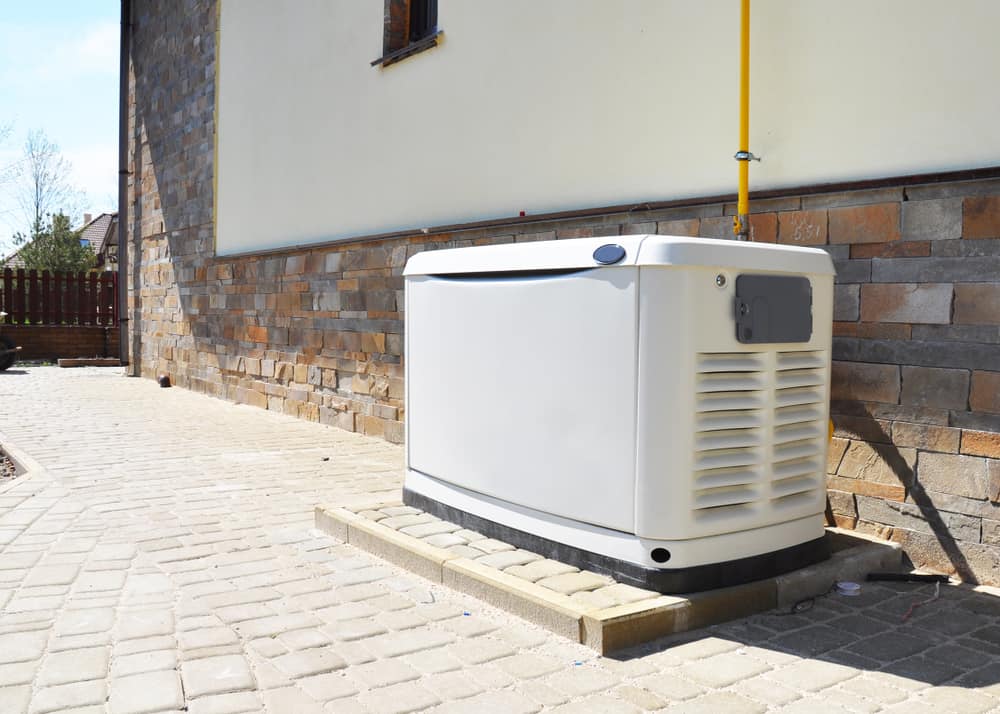
A standby generator is installed on a paved area next to a house with a brick and stone exterior wall; a yellow gas line connects to the unit, professionally set up by a residential electrician Suffolk County, NY.

Explore More Services

About Marra Electric

Whole House Generator Cost North Amityville

What's Included in Your Generator Installation

A complete house generator installation in North Amityville includes the generator unit itself, the automatic transfer switch, all necessary wiring and electrical connections, the concrete pad or mounting platform, fuel line installation, permits, and final inspection. You’re getting a turnkey system that’s ready to run.

Most whole house generator installations in Suffolk County run between $8,000 and $14,000 depending on the size of the unit and complexity of the install. A Generac whole house generator for a typical North Amityville home—22kW running on natural gas—usually lands in the $10,000 to $12,000 range installed. That includes everything.

Here’s what that investment gets you: you’ll recoup 60% to 85% of the cost when you sell your home, according to real estate data. Some insurance companies offer premium discounts for homes with backup power. And you’re avoiding the actual costs of an outage—spoiled food, hotel stays, property damage from failed sump pumps or frozen pipes.

PSEG Long Island serves North Amityville, and while they work to restore power quickly, you’re still looking at hours or days without electricity during major storms. Weather-related outages have doubled over the past decade. A backup generator installation removes you from that equation entirely.

A standby generator sits on a concrete pad next to the exterior wall of a white NY house, near some shrubs and a grassy, partly bare yard with trees in the background.

How long does a whole house generator installation take in North Amityville?

Most home standby generator installations take one to two days from start to finish. Day one usually covers the concrete pad, generator placement, and fuel line connection. Day two handles the electrical work—wiring the automatic transfer switch, connecting to your panel, and running all the tests.

The timeline can stretch if we’re dealing with complicated electrical panel upgrades or if your property requires additional trenching for gas lines. We’ll give you an exact schedule during the estimate so you know what to expect.

Once it’s installed, the generator runs a weekly self-test that takes about 12 minutes. You’ll hear it fire up, run through its cycle, and shut down. That’s it. No maintenance required from you between professional service intervals.

Most homes in North Amityville run well on a 22kW generator. That covers your essentials—refrigerator, freezer, furnace or AC, sump pump, lights, and several outlets. If you’ve got a larger home, central air, or specific equipment like well pumps or medical devices, you might need a 24kW or larger unit.

We calculate the load based on your electrical panel and what you actually want to keep running during an outage. Some people want whole-home coverage. Others prioritize critical systems and a few convenience items. Both approaches work—it just depends on your budget and your priorities.

Undersizing a generator means you’ll be managing loads manually during an outage, which defeats the purpose of an automatic system. Oversizing wastes money upfront and costs more to run. We size it right the first time based on your actual usage, not guesswork.

Yes. Any permanent generator installation in North Amityville requires an electrical permit and often a building permit depending on the scope of work. We handle all the permitting as part of the installation—you don’t need to visit Town Hall or deal with inspectors.

The permit process ensures your installation meets New York electrical code and local requirements. The town inspector will verify proper clearances from windows and property lines, correct fuel line installation, and compliant electrical connections. It’s not red tape—it’s making sure your system is safe and legal.

Skipping permits might save a few hundred dollars upfront, but it creates problems when you sell your home or file an insurance claim. Unpermitted work can also void your generator warranty. We pull permits on every job because that’s how you do it right.

A 22kW Generac generator running on natural gas burns about 200 to 250 cubic feet of gas per hour under a typical load. At current natural gas rates in Suffolk County, that’s roughly $2 to $3 per hour of runtime. A 24-hour outage would cost around $50 to $75 in fuel.

Propane costs more—figure about $4 to $6 per hour depending on current prices and your tank size. But propane gives you fuel independence if you don’t have natural gas service at your property.

Compare that to the alternative: a hotel room in Suffolk County during a widespread outage runs $150+ per night if you can even find availability. Add in meals out, spoiled groceries, and potential property damage, and the generator pays for itself in one serious outage. You’re not running it for fun—you’re running it because the power’s out and you need your home to function.

Real estate data shows that home standby generator installations return 60% to 85% of the installation cost in added home value. A $12,000 generator typically adds $7,000 to $10,000 to your sale price. In areas with frequent outages like Suffolk County, that number can climb higher.

Buyers pay attention to backup power, especially after they’ve lived through a multi-day outage. It’s a selling point that separates your home from comparable properties without generators. Real estate agents will list it prominently, and it often becomes a decision factor for buyers choosing between similar homes.

Beyond resale value, you’re also improving your quality of life while you own the home. The return on investment isn’t just financial—it’s every outage you don’t have to deal with, every night you sleep comfortably while the neighborhood goes dark, and every time your family stays safe and powered during severe weather.

Generac recommends professional maintenance once a year or every 200 hours of runtime, whichever comes first. For most homeowners in North Amityville, that means an annual service visit. The generator runs self-tests weekly, but those don’t count toward your maintenance interval—they’re just system checks.

Annual maintenance includes an oil and filter change, air filter replacement, spark plug inspection, battery check, and a full system test under load. It takes about an hour and costs $200 to $300 depending on what needs attention. Skipping maintenance voids your warranty and increases the chance your generator won’t start when you actually need it.

Think of it like your car—regular oil changes keep it reliable. Your generator sits outside in all weather, fires up automatically during outages, and needs to run flawlessly when called on. A yearly service visit ensures that happens. We offer maintenance plans that put it on autopilot so you don’t have to remember to schedule it.

Other Services we provide in North Amityville