Home Generator Installation in North Patchogue, NY

Your Power Stays On When Everyone Else's Goes Out

Whole house generator installation in North Patchogue, NY that starts automatically during outages and keeps running until power returns.
[Add Trustindex Button Here]
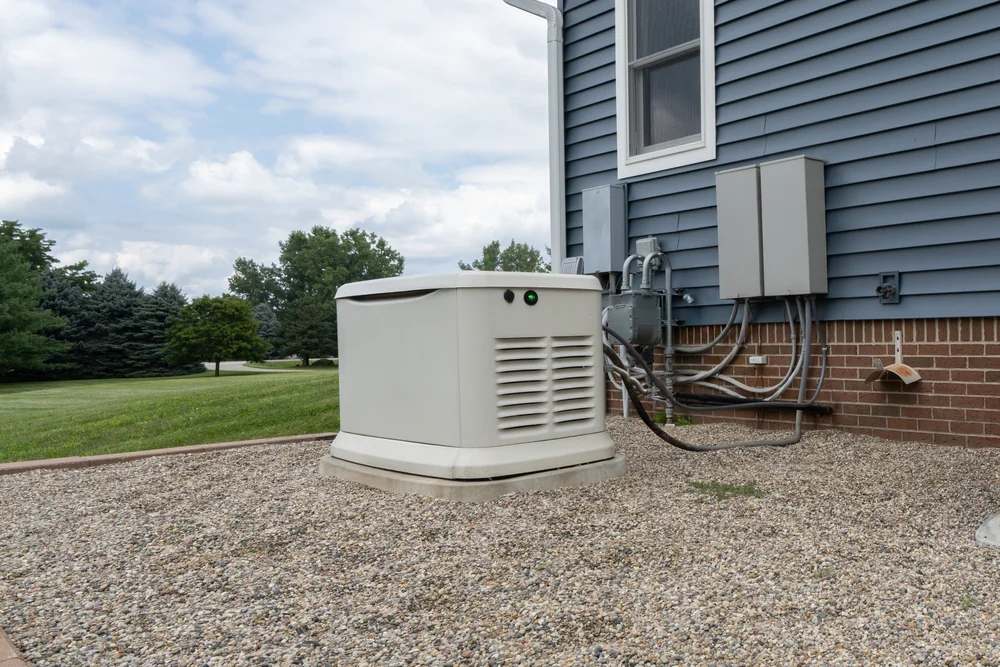
A standby generator sits on a gravel bed beside a blue house with siding in NY. Nearby, a residential electrician Suffolk County has mounted electrical boxes and conduit. Trees and lawn appear in the background under a cloudy sky.
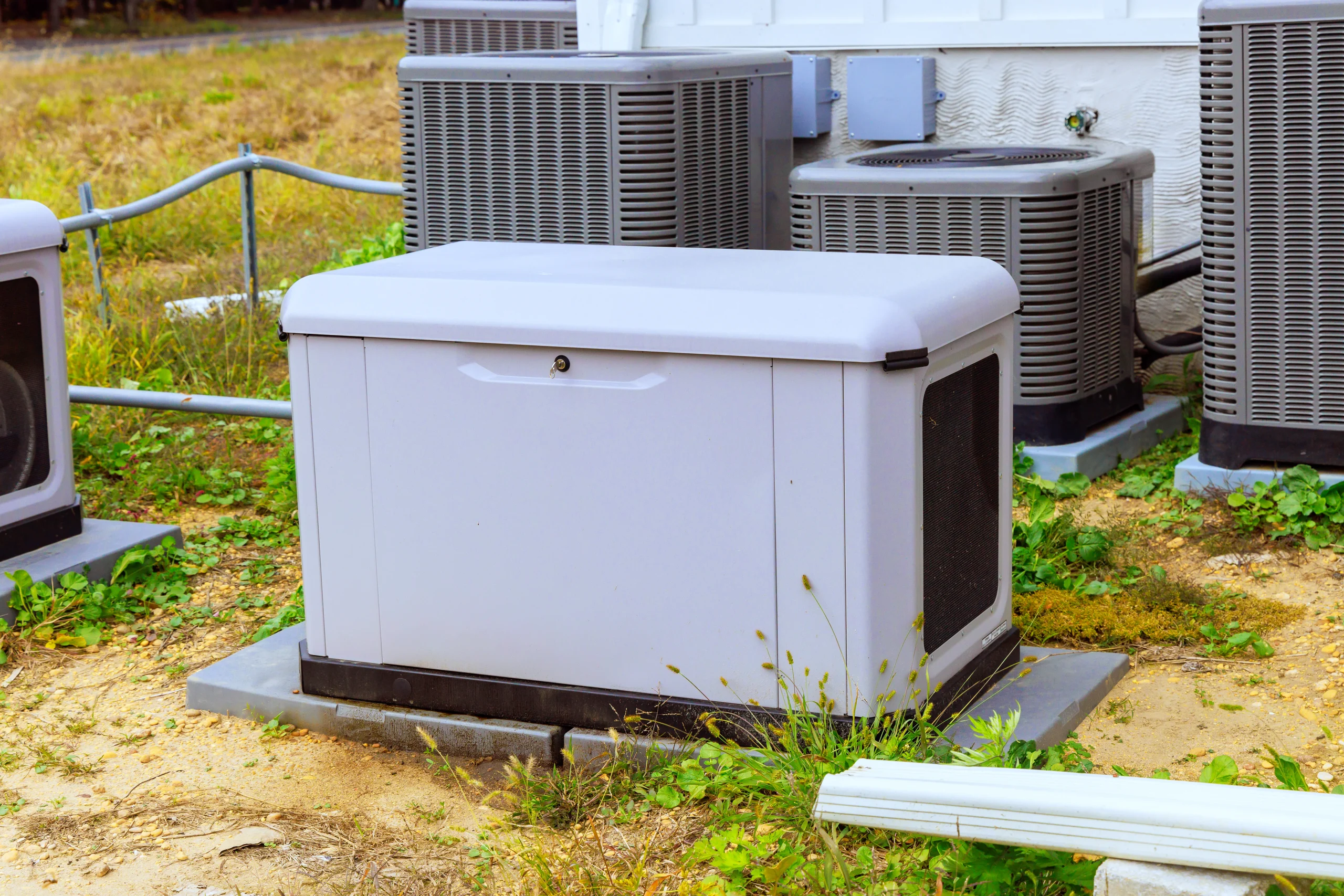
A standby generator sits on a concrete pad near several outdoor air conditioning units, with grass and weeds growing around the area. For installation or service, contact a residential electrician Suffolk County, NY, near this white building.

Whole House Generator Installation North Patchogue

What Actually Happens When the Power Goes Out

You’re not sitting in the dark wondering when PSEG will get around to your street. Your refrigerator keeps running, your sump pump keeps working, and your heating or AC stays on. Within seconds of an outage, your backup generator installation in North Patchogue kicks in automatically.

No extension cords. No running outside in a storm. No deciding which appliances matter most because you can only power a few things.

Long Island sees this regularly. Hurricane Sandy left over 200,000 residents without power for more than a week. Tropical Storm Isaias knocked out power for over 400,000 customers in 2020. Suffolk County currently ranks 7th in New York for total power outages. If you live here, you know the grid isn’t reliable.

A home standby generator installation in North Patchogue, NY means your house operates normally while your neighbors are dealing with spoiled food, no heat, and dead phones. Your security system stays active. Your medical equipment keeps running. Your family stays comfortable and safe.

Licensed Generator Installers North Patchogue

We've Been Doing This Since 2004

We’ve installed whole home generators across Suffolk County for over 20 years. We’re fully licensed and insured, and we’ve earned the Angie’s List Super Service Award seven years running.

That matters because generator installation isn’t simple electrical work. It involves gas lines, transfer switches, permit requirements, and code compliance. You need someone who knows what they’re doing and won’t cut corners.

We serve North Patchogue and the surrounding Suffolk County area because we understand how the power grid works here and what causes outages in your neighborhood. Our trucks are clearly marked, our team wears uniforms, and we show up when we say we will. You get upfront pricing before any work starts, and we guarantee the job gets done right.

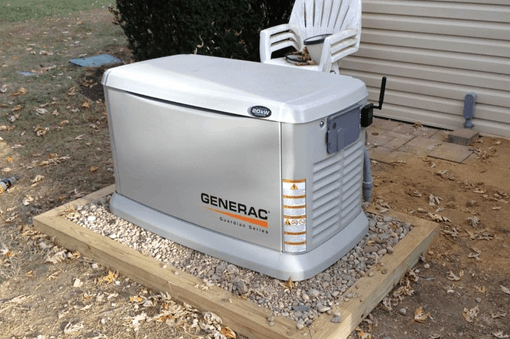
A Generac Guardian Series standby generator, expertly installed by a residential electrician Suffolk County, sits on a gravel platform beside a beige building, with a white plastic chair and scattered leaves nearby.

Generator Installation Process North Patchogue

Here's What Happens from Start to Finish

First, we come out to assess your property and electrical panel. We’ll look at what you want to power during an outage and determine the right size Generac whole house generator for North Patchogue homes like yours. Most installations need a generator between 14kW and 26kW depending on square footage and electrical load.

Next, we handle the permits and coordinate with your gas company if you’re running on natural gas. We install the generator pad, run the fuel line, install the automatic transfer switch, and connect everything to your electrical panel. The transfer switch is what makes the system automatic—it detects when utility power drops and signals the generator to start.

Once everything’s installed and tested, we walk you through how the system works. You’ll see how to check the status, what the indicator lights mean, and how to monitor it remotely if you choose that option. Then we file for final inspection and make sure everything passes code.

The whole process typically takes one to two days for house generator installation in North Patchogue, depending on your setup. After that, your generator runs a self-test weekly to make sure it’s ready when you need it.

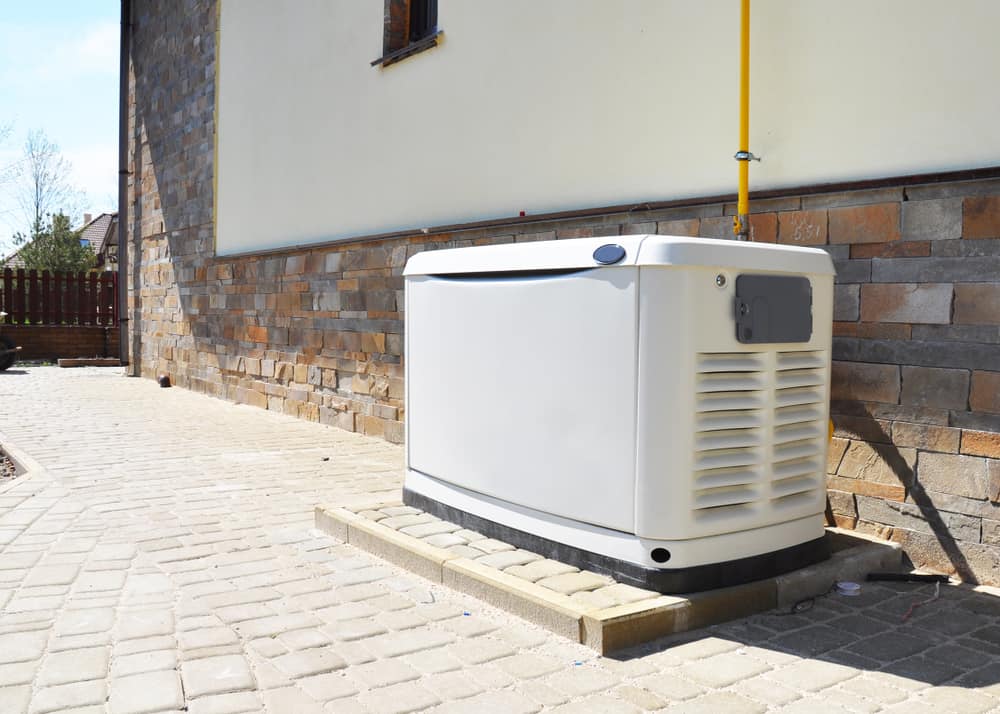
A standby generator is installed on a paved area next to a house with a brick and stone exterior wall; a yellow gas line connects to the unit, professionally set up by a residential electrician Suffolk County, NY.

Explore More Services

About Marra Electric

Whole House Generator Cost North Patchogue

What You're Actually Paying For

A complete home standby generator installation in North Patchogue, NY typically runs between $6,000 and $11,000 depending on the size of the unit and your home’s electrical setup. That includes the generator, automatic transfer switch, installation labor, permits, and startup.

You’re getting equipment that lasts 30 to 50 years with regular maintenance. These aren’t portable units you drag out of the garage—they’re permanent installations built to withstand Long Island weather. The RhinoCoat finish protects against corrosion from salt air and humidity.

Most North Patchogue homeowners choose natural gas generators because they tie into your existing gas line and never need refueling. The generator sits outside on a concrete pad, usually on the side or back of your house. It’s quieter than you’d think—about as loud as a central AC unit.

You also get remote monitoring capability with newer Generac models. Check your generator status from your phone, get maintenance alerts, and see runtime history. That’s helpful if you’re away from home when an outage hits.

The installation includes a full electrical inspection, proper grounding, weatherproof connections, and code-compliant placement. We don’t skip steps, and we don’t leave until everything works correctly.

A standby generator sits on a concrete pad next to the exterior wall of a white NY house, near some shrubs and a grassy, partly bare yard with trees in the background.

How long does a whole house generator run during an outage?

A natural gas generator connected to your home’s gas line runs indefinitely as long as gas service continues. There’s no tank to refill and no runtime limit.

If you’re using propane, runtime depends on tank size and electrical load. A 500-gallon propane tank powering a 20kW generator under moderate load typically lasts 5-7 days of continuous operation. Most North Patchogue residents choose natural gas because PSEG gas service rarely goes down during storms, even when electrical service does.

Your generator will keep running until utility power is restored and the automatic transfer switch detects stable voltage from the grid. Then it switches you back over and shuts down automatically. You don’t have to do anything.

Most homes in North Patchogue need a generator between 14kW and 26kW. The right size depends on your home’s square footage, what appliances you want to run, and whether you have central air conditioning.

A 2,000 square foot home with standard appliances, heating, and one AC unit typically needs an 18-22kW generator. If you have a larger home, multiple AC zones, or high-demand appliances like electric water heaters or well pumps, you’ll need more capacity.

We calculate your actual electrical load during the site visit. We look at your main panel, add up the circuits you want backed up, and factor in starting surge for motors and compressors. That gives us the real number—not a guess. Oversizing wastes money on equipment and fuel. Undersizing means some things won’t run during an outage.

Yes. Suffolk County requires electrical and building permits for standby generator installations. If you’re running a gas line, you’ll also need a plumbing or gas permit.

We handle all permit applications and inspections as part of the installation. That includes submitting plans, coordinating with the building department, and scheduling the final inspection. You don’t have to deal with any of it.

Permits exist for good reason—they ensure your generator is installed safely, meets code requirements, and won’t create hazards. Inspectors check proper clearances from windows and property lines, correct fuel line sizing, appropriate transfer switch installation, and proper grounding. Skipping permits might save money upfront, but it creates liability issues and problems when you sell your home.

A 20kW natural gas generator running at 50% load uses about 200-250 cubic feet of gas per hour. At current PSEG gas rates, that’s roughly $2-3 per hour of operation, or $50-75 per day during an extended outage.

Actual cost depends on how much electrical load you’re running. If you’re powering your whole house with AC running constantly, costs are higher. If you’re just running essentials like the refrigerator, furnace, and some lights, costs are lower.

Compare that to the cost of not having power. A refrigerator and freezer full of spoiled food easily hits $300-500. A burst pipe from frozen plumbing can cost thousands in repairs. Hotels during widespread outages charge premium rates if you can even find availability. Most North Patchogue homeowners find the operating cost during outages is minor compared to the protection they’re getting.

Most residential Generac generators operate at 60-70 decibels from about 20 feet away. That’s similar to a normal conversation or a running air conditioner—noticeable but not disruptive.

The sound level depends on generator size and load. A larger unit working harder makes more noise than a smaller unit running at partial capacity. Newer models have better sound insulation and run quieter than older designs.

Placement matters too. We position generators to minimize noise impact on your house and your neighbors. Code requires specific clearances from windows, property lines, and structures, but within those limits we can usually find a spot that works well. During an outage when the whole neighborhood is quiet, you’ll hear it. But it’s not the loud, rough sound of a portable construction generator—these are designed for residential use.

Your generator needs an annual service that includes oil and filter changes, air filter replacement, spark plug inspection, battery check, and a full system test. Think of it like maintaining your car—regular service keeps it reliable.

The generator runs a self-test every week for about 10-15 minutes. That keeps the engine components lubricated and the battery charged. You’ll hear it run briefly, then shut down. This happens automatically—you don’t need to do anything.

Most manufacturers recommend professional service every year or every 200 hours of operation, whichever comes first. We offer maintenance plans that cover annual service, priority emergency response, and parts discounts. Keeping up with maintenance means your generator starts when you need it. Skipping it means you might find out it doesn’t work during the next storm.

Other Services we provide in North Patchogue