You’re not losing hundreds of dollars in spoiled food when the next storm hits. Your sump pump keeps running, your HVAC system maintains temperature, and your family stays comfortable while your neighbors are dealing with flashlights and cold showers.
A whole house generator installation in North Sea, NY means your home operates normally during power outages. Within 10 to 15 seconds of losing grid power, your backup generator detects the outage and restores electricity automatically.
No manual intervention required. No extension cords running through doorways. No rationing which appliances you can use. Your refrigerator, medical equipment, security system, and every other essential device continues functioning exactly as it should.
We’ve been installing home standby generators across Suffolk County since 2004. We’re fully licensed and insured, and we’ve earned the Angie’s List Super Service Award seven years running—not by accident, but by showing up on time, pricing upfront, and doing the work right.
North Sea homeowners know what Hurricane Sandy did to Long Island. Ninety percent without power, some for months. That’s not a theoretical problem here—it’s recent history. When you’re evaluating backup generator installation in North Sea, NY, you want someone who understands the local weather patterns, the soil conditions for installation, and the permit requirements specific to Suffolk County.
We handle generator installations the same way every time: clear communication, no surprise bills, and a 100% satisfaction guarantee on the work.
First, we assess your home’s electrical load to determine what size generator you actually need. That means calculating which systems and appliances you want running during an outage—not guessing, not overselling you on capacity you don’t need.
Next, we handle the permit process with local authorities in North Sea, NY. We coordinate fuel source connection, whether you’re using natural gas or propane. If you’re on natural gas, you get continuous fuel supply without ever refueling. Propane works just as reliably with proper tank sizing.
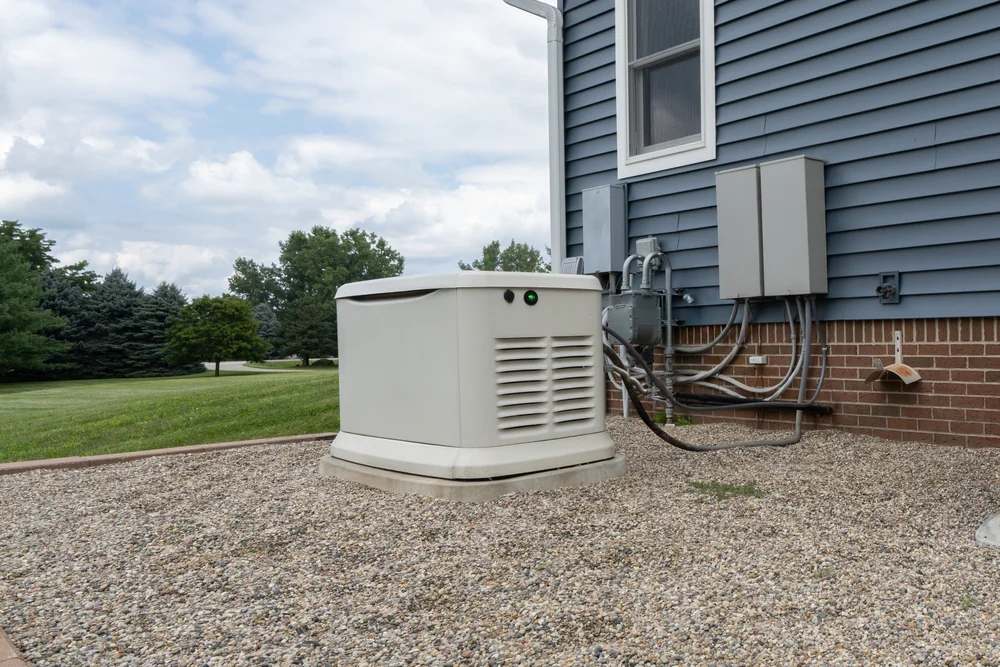
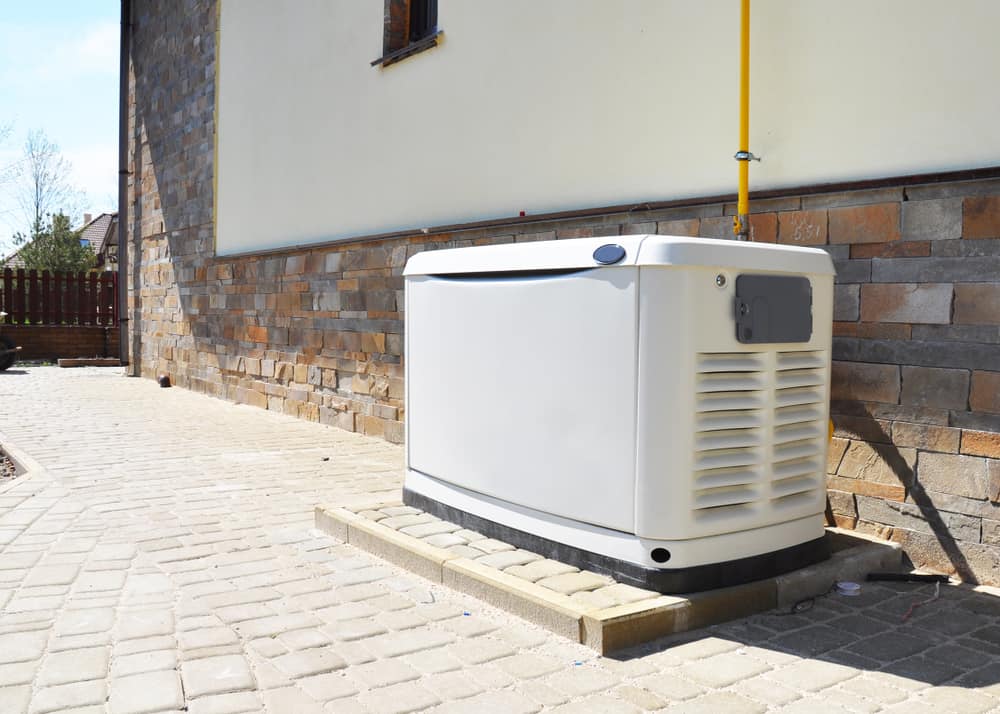
Installation includes setting the generator pad, running electrical connections to your main panel, installing the automatic transfer switch, and connecting to your fuel source. The transfer switch is what makes the system automatic—it monitors your utility power and switches to generator power the moment an outage occurs.
After installation, we test the entire system under load to confirm everything transfers correctly. You’ll see exactly how it operates, and we’ll walk you through the basic monitoring features so you know your generator is ready when you need it.
Ready to get started?
Your whole house generator installation in North Sea, NY includes the generator unit, automatic transfer switch, all necessary electrical connections, fuel line hookup, concrete pad or mounting platform, permit acquisition, and full system testing.
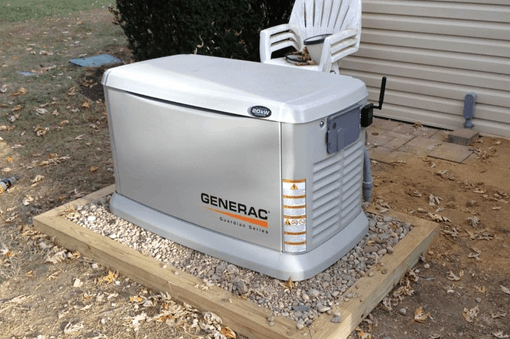
We install Generac whole house generators because they’re built for the weather conditions you face on Long Island. Coastal wind, salt air, temperature swings—these units are designed to handle it. You’re looking at equipment rated for the same conditions that brought 70 mph wind gusts during recent blizzards.
Most installations in North Sea run between $8,000 and $16,000 depending on generator size and site-specific requirements. That’s the total cost—equipment, materials, labor, permits. Financing options start around $109 per month if you’d rather spread the investment.
The system comes with Wi-Fi monitoring on newer models, so you can check generator status from your phone. You’ll get alerts for maintenance needs, and you can see runtime history after outages. It’s not complicated technology—it just keeps you informed without requiring you to walk outside and check the unit manually.
Most whole house generator installations take one to two days from start to finish. Day one typically involves setting the pad, positioning the generator, and running the fuel line. Day two covers electrical connections, transfer switch installation, and system testing.
Weather can extend the timeline if we’re pouring a concrete pad and need proper cure time. Permit approval adds a few days on the front end, but we handle that process before scheduling your installation.
If you’re adding a propane tank because you don’t have natural gas service, that’s a separate coordination with your propane supplier. We work with them to ensure the tank is set and filled before we complete the generator hookup. The actual generator installation timeline doesn’t change—you’re just coordinating one additional service.
Generator sizing depends on your home’s electrical load and which systems you want running during outages. A 22kW unit handles most essential systems in a typical home—HVAC, refrigerator, sump pump, some lighting, and a few outlets. If you want true whole-house coverage including multiple AC units, electric range, and EV charger, you’re looking at 26kW or larger.
We calculate your actual load during the estimate. That means reviewing your electrical panel, discussing which circuits matter most to you, and accounting for startup surge when motors kick on. Air conditioners and well pumps draw significantly more power at startup than during normal operation.
Oversizing costs you more upfront and burns more fuel during operation. Undersizing means choosing which systems to run during an outage. Proper sizing gives you the coverage you need without paying for capacity you’ll never use. Most North Sea homes fall into the 20kW to 26kW range for comprehensive coverage.
Total investment for backup generator installation in North Sea, NY typically runs $8,000 to $16,000. That includes the generator unit, automatic transfer switch, installation labor, electrical connections, fuel line hookup, concrete pad, permits, and system testing.
Smaller units around 18kW to 22kW fall toward the lower end of that range. Larger systems with 26kW or higher capacity, or installations requiring extensive electrical work or challenging site conditions, run higher. If you need a propane tank installed, add $1,500 to $3,000 depending on tank size.
Natural gas connection is usually more straightforward if you already have gas service to your home. We tap into your existing line and run it to the generator location. Propane requires tank installation and involves coordinating delivery service, but it’s equally reliable once set up.
Financing options are available starting around $109 per month. Given that the average power outage in the U.S. lasted over seven hours in 2023, and Long Island has seen multiple multi-day outages in recent years, most homeowners view this as essential infrastructure rather than optional upgrade.
Yes, you need permits for home standby generator installation in North Sea, NY. This falls under Suffolk County building and electrical permit requirements. The permit process covers the electrical work, fuel connections, and generator placement to ensure everything meets local codes.
We handle permit applications as part of your installation. That includes submitting plans, coordinating inspections, and ensuring the installation passes all required reviews. You don’t need to visit the building department or navigate the paperwork yourself.
Permit requirements exist for good reason—they ensure your generator is installed safely, with proper clearances from windows and property lines, correct electrical connections that won’t backfeed into utility lines, and fuel connections that meet fire safety codes. Skipping permits creates liability issues and can cause problems when you sell your home. Insurance companies may also deny claims related to unpermitted electrical work.
Your generator needs professional maintenance once a year under normal conditions. That service includes oil change, filter replacement, battery check, and system testing to confirm the automatic transfer switch operates correctly.
Generac whole house generators run a self-test cycle weekly—usually for 12 minutes. This keeps the engine components lubricated and confirms the system is ready. You’ll hear it running briefly, which is normal operation, not a problem.
Annual maintenance runs $200 to $300 typically. Some homeowners skip it, but you’re risking failure when you actually need the unit. Generators that sit unused except for weekly tests can develop fuel system issues, battery problems, or transfer switch failures that only show up when you lose power.
If your generator runs for extended periods during outages, you may need more frequent oil changes. Units running continuously for days during major storms accumulate hours quickly. We recommend maintenance after any outage lasting more than 24 hours of continuous operation, just to ensure everything’s still in good condition for the next event.
A properly sized whole house generator installation in North Sea, NY will run all your essential systems and most of your regular electrical load. Whether it runs literally everything depends on your home’s total electrical demand and the generator capacity you choose.
Most homeowners prioritize HVAC, refrigeration, sump pump, well pump if applicable, security system, lighting, and enough outlets for daily living. That’s achievable with a 22kW to 26kW generator in most homes. If you want every circuit covered including multiple air conditioning zones, electric dryer, electric range, and EV charger all running simultaneously, you need a larger unit.
The automatic transfer switch can be configured to manage load if needed. Some installations use load-shedding transfer switches that prioritize critical circuits and temporarily disconnect less important ones if you approach the generator’s capacity. This lets you install a smaller generator while still protecting your most important systems.
We walk through your actual usage during the estimate. You’ll know exactly what runs automatically and whether you need to make any compromises during outages. Most North Sea homeowners find that a properly sized system covers everything they care about without requiring any thought or adjustment when the power goes out.
Other Services we provide in North Sea