Home Generator Installation in Orient, NY

Your Power Stays On When Everyone Else Goes Dark

Automatic backup power for your Orient home that kicks in seconds after an outage—no fuel runs, no manual startup, no waiting in the dark.
[Add Trustindex Button Here]
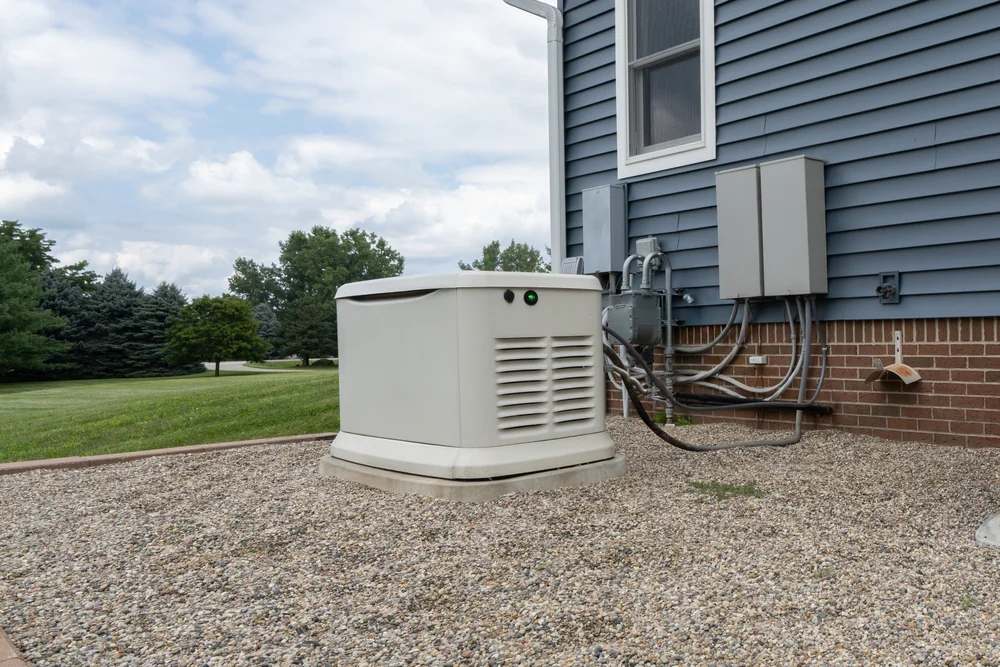
A standby generator sits on a gravel bed beside a blue house with siding in NY. Nearby, a residential electrician Suffolk County has mounted electrical boxes and conduit. Trees and lawn appear in the background under a cloudy sky.
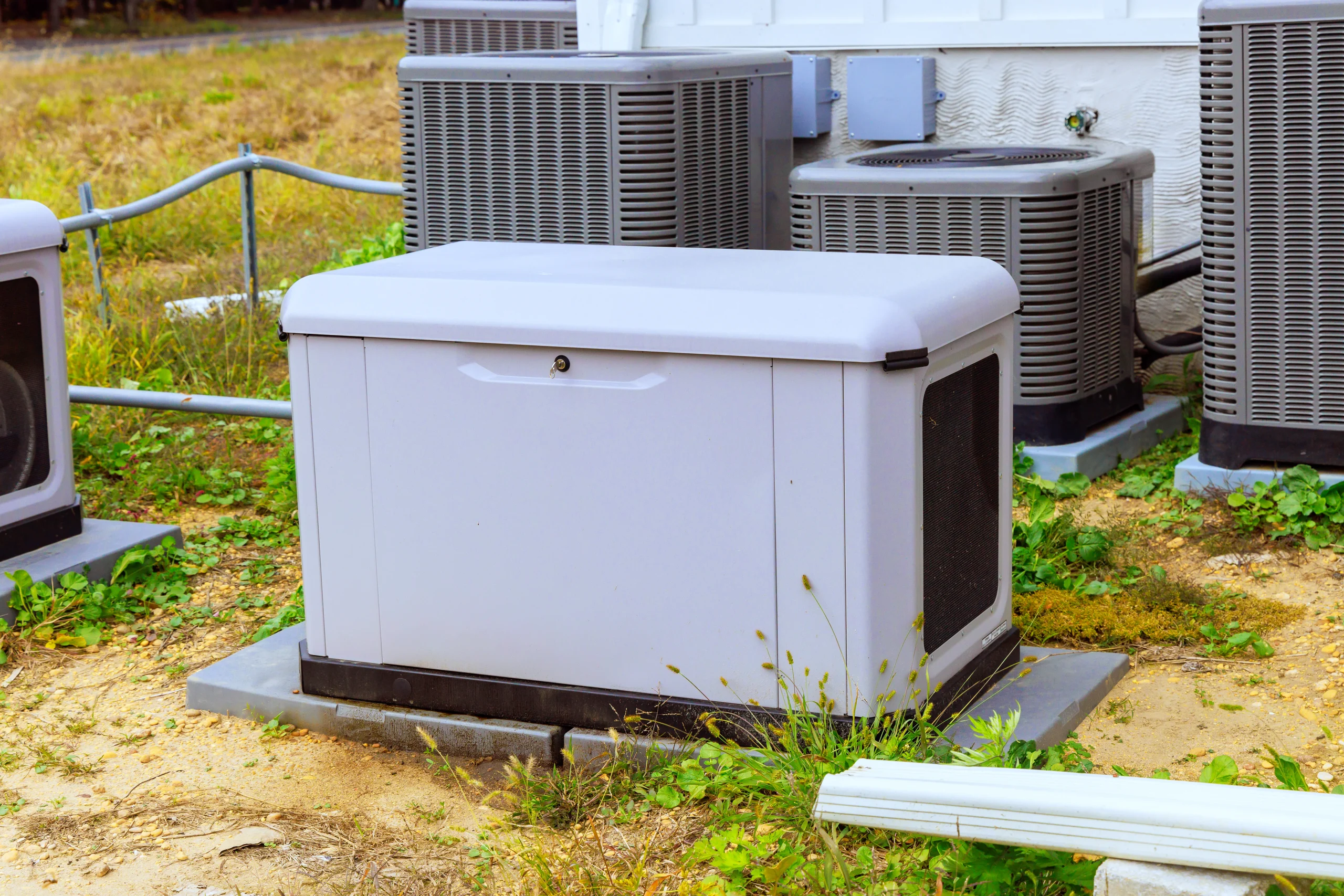
A standby generator sits on a concrete pad near several outdoor air conditioning units, with grass and weeds growing around the area. For installation or service, contact a residential electrician Suffolk County, NY, near this white building.

Whole House Generator Installation Orient NY

What Actually Happens When Your Generator's Installed Right

You’re not sitting in the dark wondering if your sump pump’s running. You’re not throwing out a fridge full of food after a three-day outage. Your heat stays on in winter, your AC runs in summer, and your family doesn’t have to leave the house because it’s unlivable.

That’s what a properly installed home standby generator in Orient, NY does. It detects the outage within seconds, starts automatically, and keeps your essential circuits—or your entire home—running until power’s restored. No extension cords. No rationing outlets. No stress.

Suffolk County sees major storms that knock out power for days. Hurricane Sandy left over 632,000 Long Islanders without electricity, some for two weeks. Nor’easters routinely hit the North Fork hard. If you own property in Orient—where homes range from $800,000 to over $4 million—you’re not risking that investment on candles and hope.

Licensed Generator Installer Suffolk County NY

We've Been Doing This Since 2004

We’ve been handling whole home generator installation in Suffolk County for over 20 years. We’re fully licensed and insured, which matters more than you’d think when you’re dealing with electrical systems, fuel lines, and permits.

Orient’s building codes aren’t negotiable. Your installation has to meet Suffolk County requirements, pass inspection, and connect safely to your home’s electrical panel and fuel source. We handle that process from start to finish—permits, inspections, connections, testing.

We’re not the cheapest option, and that’s intentional. You’re paying for an installation that works the first time, passes inspection without delays, and doesn’t create problems down the road. Our trucks are branded, our electricians are professional, and we’ve earned the Angie’s List Super Service Award seven years running because we show up on time and do what we say we’ll do.

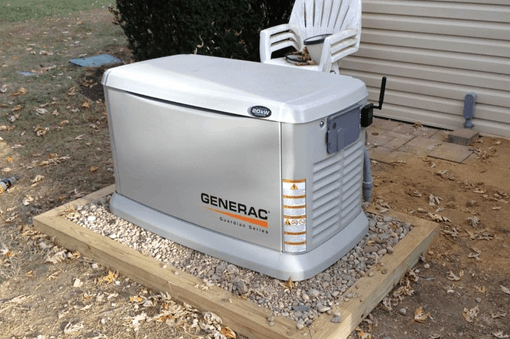
A Generac Guardian Series standby generator, expertly installed by a residential electrician Suffolk County, sits on a gravel platform beside a beige building, with a white plastic chair and scattered leaves nearby.

Home Standby Generator Installation Process Orient

Here's How Your Installation Actually Happens

First, we assess your home’s power needs. That means looking at what you want running during an outage—just essentials like your fridge, heat, and a few outlets, or your whole house including central air. A 7,500-watt unit covers basics. A 20,000-watt system handles most full homes. Larger properties might need 26,000 watts or more.

Then we figure out placement and fuel source. Your generator needs to sit on a concrete pad outside, away from windows and doors, with proper clearance. It’ll run on natural gas or propane—whichever your Orient property already has or makes more sense to add. We handle the fuel line connection as part of the installation.

Next comes permits and electrical work. We pull the necessary Suffolk County permits, install a transfer switch that safely disconnects your home from the grid during an outage, and wire everything to code. Once installed, we test the system to make sure it starts automatically, runs smoothly, and switches back when utility power returns.

You’ll get a walkthrough of how everything works, but honestly, you shouldn’t have to do much. The whole point of a standby generator is that it handles itself.

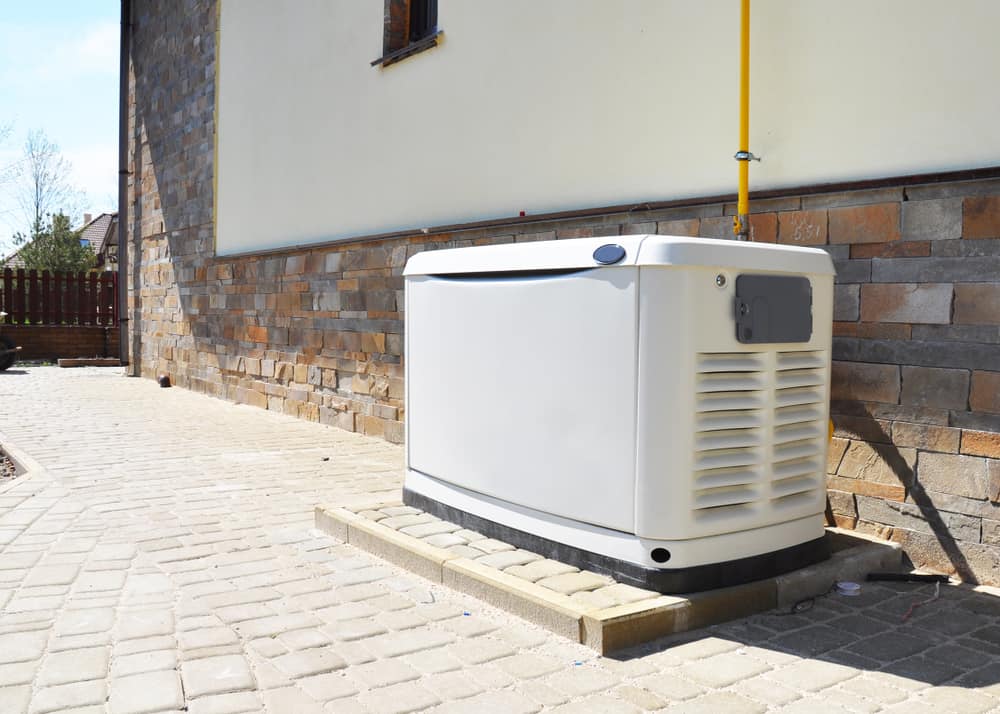
A standby generator is installed on a paved area next to a house with a brick and stone exterior wall; a yellow gas line connects to the unit, professionally set up by a residential electrician Suffolk County, NY.

Explore More Services

About Marra Electric

Backup Generator Installation Orient NY Includes

What's Actually Included in Your Installation

Your backup generator installation in Orient, NY includes the generator unit itself, a concrete pad for placement, the transfer switch that manages power switching, all electrical connections to your panel, fuel line hookup to your natural gas or propane source, and Suffolk County permits and inspections.

We size the system based on your actual needs. If you’re running a whole house generator in Orient with central air, well pump, multiple appliances, and full lighting, you’ll need more capacity than someone just covering a few critical circuits. Startup loads matter too—your AC might only draw 3,500 watts while running, but it can need over 10,000 watts to start. We account for that.

Orient’s coastal location makes you vulnerable to the same storm patterns that hit the rest of the North Fork and eastern Suffolk County. Severe weather routinely knocks out power for days across PSEG Long Island’s service area. Your home’s value and your family’s comfort are worth protecting with a system that works automatically, every time.

Installation costs vary based on your home’s layout, distance from the fuel source, and how much electrical work is needed. That’s why we do free estimates—so you know exactly what you’re paying before we start. No surprises, no hidden fees, just upfront pricing on a system that’ll last 20-30 years with basic maintenance.

A standby generator sits on a concrete pad next to the exterior wall of a white NY house, near some shrubs and a grassy, partly bare yard with trees in the background.

How much does whole house generator installation cost in Orient, NY?

You’re looking at $3,000 to $15,000 for the generator unit depending on size and features, plus $2,000 to $4,000 for installation depending on your home’s setup. That’s a wide range because every property is different.

A smaller 7,500-watt unit that covers your essentials—fridge, furnace, some lights and outlets—sits at the lower end. A 20,000 to 26,000-watt system that runs your whole house including central air, well pump, and all circuits costs more. Installation complexity matters too. If your electrical panel is outdated or far from where the generator needs to sit, or if we’re running a new propane line, that adds to the labor.

We give you a free estimate that breaks down equipment and installation costs specific to your Orient property. You’ll know the total before we start, and that price includes permits, the transfer switch, all electrical and fuel connections, and Suffolk County inspections. No surprise bills after the fact.

It depends on what you want running during an outage. Most Orient homes do well with a 20,000 to 22,000-watt generator if you’re covering the whole house including central air. If you only need essentials, a 10,000 to 14,000-watt unit works.

Here’s why size matters: your central AC might run on 3,500 watts, but it needs 10,000+ watts to start up. Same with well pumps, sump pumps, and other motor-driven appliances. If your generator can’t handle those startup surges, it’ll overload and shut down—which defeats the whole purpose.

We calculate your total load by looking at what’s actually in your home and what you can’t live without during a multi-day outage. Fridge, freezer, heating system, some lighting, and a few outlets are non-negotiable for most people. Add AC, a well pump, garage door openers, and full lighting, and you’re into whole-house territory. We size it right the first time so you’re not underpowered when you actually need it.

Most home generator installations in Orient take one to two days once permits are approved. Permit processing through Suffolk County typically adds a week or two to the timeline, depending on their current workload.

Day one usually involves setting the concrete pad, placing the generator, running the fuel line, and installing the transfer switch. Day two covers final electrical connections, testing, and inspection. If your home needs panel upgrades or extensive electrical work, it might take longer.

Weather can delay outdoor work, and if you’re adding a new propane tank or running gas lines a long distance, that extends the schedule. We’ll give you a realistic timeline during your estimate. The actual installation work moves quickly—it’s the permit approval that takes the most time, and that’s out of everyone’s control. We handle all the paperwork and coordinate inspections so you don’t have to chase down the town or county.

Yes. Suffolk County requires permits for home standby generator installation because you’re doing electrical work, adding a fuel connection, and installing equipment that ties into your home’s power system. It’s not optional.

The permit process involves submitting plans that show where the generator will sit, how it connects to your electrical panel, and how the fuel line runs. An inspector has to approve the installation before you can legally use the system. If you skip permits and something goes wrong—fire, carbon monoxide issue, insurance claim—you’re in a bad spot.

We pull the permits as part of your installation. We know what Suffolk County inspectors look for, we submit the right paperwork, and we schedule inspections at the right points in the process. You don’t have to deal with the town or county directly. It’s built into our service because unpermitted work creates liability for you and problems for us, and neither of us wants that.

It can, if it’s sized correctly. A whole house generator installation in Orient means you’re powering everything—AC, heat, appliances, outlets, lighting—just like normal. But you need enough capacity to handle the load.

Most full-home systems in Orient run 20,000 to 26,000 watts. That covers central air conditioning, heating, refrigerators, well pumps, sump pumps, lighting, and outlets throughout the house. If you have a larger property, multiple AC units, or high-demand appliances, you might need more capacity.

The alternative is a partial-home setup where you pick critical circuits—heat, fridge, some outlets and lights—and leave things like central air and non-essential outlets off the generator. That works fine and costs less, but you won’t have full comfort during a summer outage. We help you decide what makes sense based on your budget and how you actually use your home. Either way, the system runs automatically, so you’re not out there in the rain flipping switches.

You should have your generator serviced once a year. That’s an oil change, filter replacement, battery check, and a test run to make sure everything’s working before you actually need it.

Standby generators sit outside and run automatically during outages, but they don’t get used constantly like your car. That means oil breaks down, batteries lose charge, and small issues can go unnoticed until a storm hits and the system doesn’t start. Annual maintenance catches those problems early.

Most manufacturers recommend service every 12 months or after a certain number of runtime hours, whichever comes first. If you go through a major outage where your generator runs for days straight, it’s smart to get it checked afterward. We offer maintenance services for generators we install, and we can service units installed by other companies too. It’s a small cost compared to finding out your $10,000 backup system doesn’t work when you’re three days into a blackout.

Other Services we provide in Orient