You’re not home when the power cuts out during a winter storm. Your generator kicks on within seconds. Your heat stays running. Your sump pump keeps your basement dry. Your refrigerator protects hundreds of dollars in food. Your security system never blinks.
That’s the difference between hoping the power comes back soon and knowing your home is covered no matter what. Suffolk County sees regular outages from coastal storms, hurricanes, and winter weather that stress Long Island’s power grid. PSEG has invested heavily in storm-hardening, but extended outages still happen—and when they do, you either have backup power or you don’t.
A whole home generator installation in Port Jefferson means you’re not scrambling for extension cords, camping out at a hotel, or worrying about frozen pipes. You’re living normally while your neighbors are in the dark. Everything you depend on—HVAC, appliances, lights, outlets, even your EV charger—keeps running like nothing happened.
We’ve served Suffolk County for over 20 years. We’re fully licensed and insured, and we’ve earned Angie’s List Super Service Awards seven years running. That doesn’t happen by accident.
You’ll work with electricians who show up in company vehicles, wear uniforms, and treat your property like it’s their own. We give you a free estimate with upfront pricing—no surprises, no hidden fees. If something needs a permit, we pull it. If your installation requires inspections, we handle them. You get a job done right, backed by a 100% satisfaction guarantee.
Port Jefferson homeowners call us because we do what we say we’re going to do, when we say we’re going to do it. And if you ever need emergency service, we’re available 24/7.
First, we come out for a free consultation. We look at your home’s square footage, your electrical panel, what you want to keep running during an outage, and whether you’ll use natural gas or propane. Most 2,000 square foot homes need a 16-20kW generator for whole-house coverage including central AC. We’ll size it correctly so you’re not underpowered when it matters most.
Next, we give you an upfront price. You’ll know exactly what the installation costs before we start—including the generator, transfer switch, permits, labor, and any electrical work your panel needs. No guessing. No “we’ll see when we get in there” pricing.
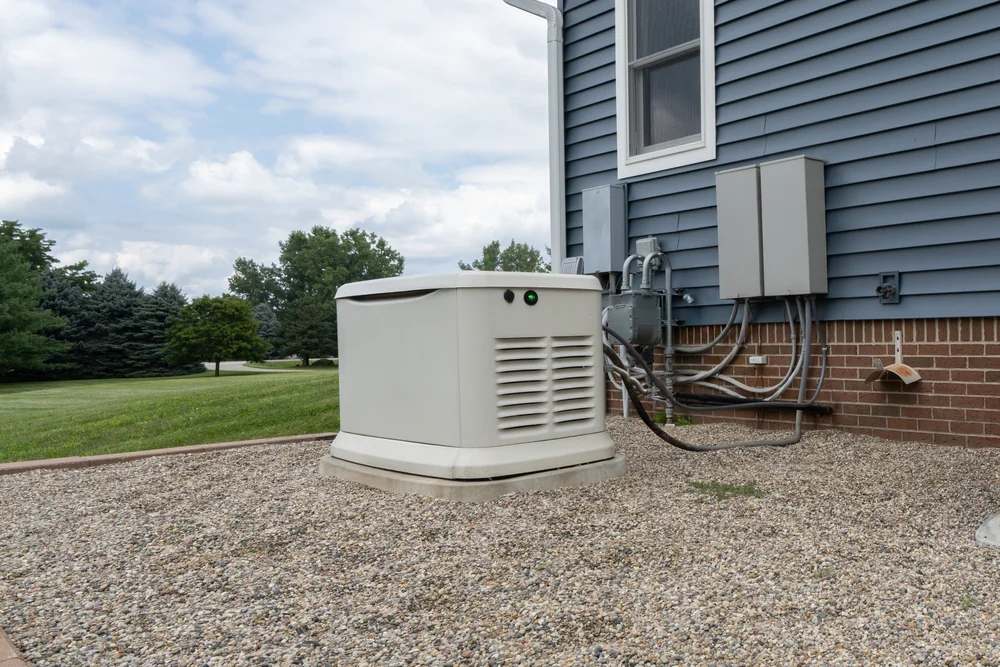
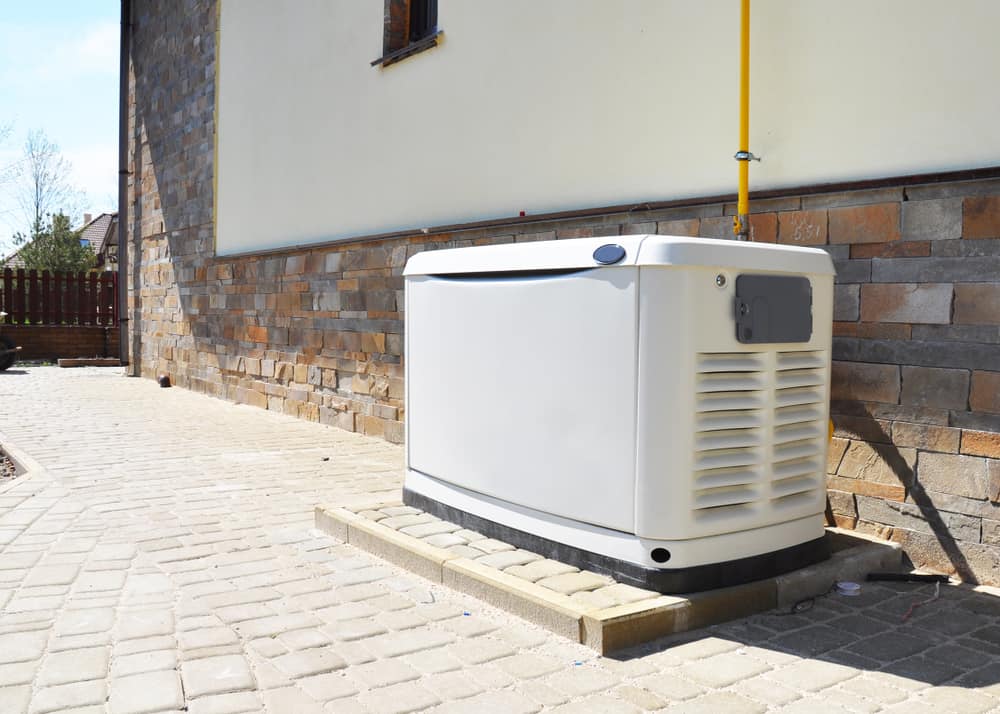
Once you approve, we schedule the install. We pull permits, coordinate inspections, and handle the utility connections. The generator gets mounted on a concrete pad outside your home, wired into your electrical system through an automatic transfer switch, and connected to your fuel source. When we’re done, we test it to make sure it starts, runs, and switches over properly.
The whole process typically takes a few weeks from estimate to completion, depending on permitting and equipment availability. That’s why we recommend starting in late winter or early spring—well before hurricane season hits Long Island in June.
Ready to get started?
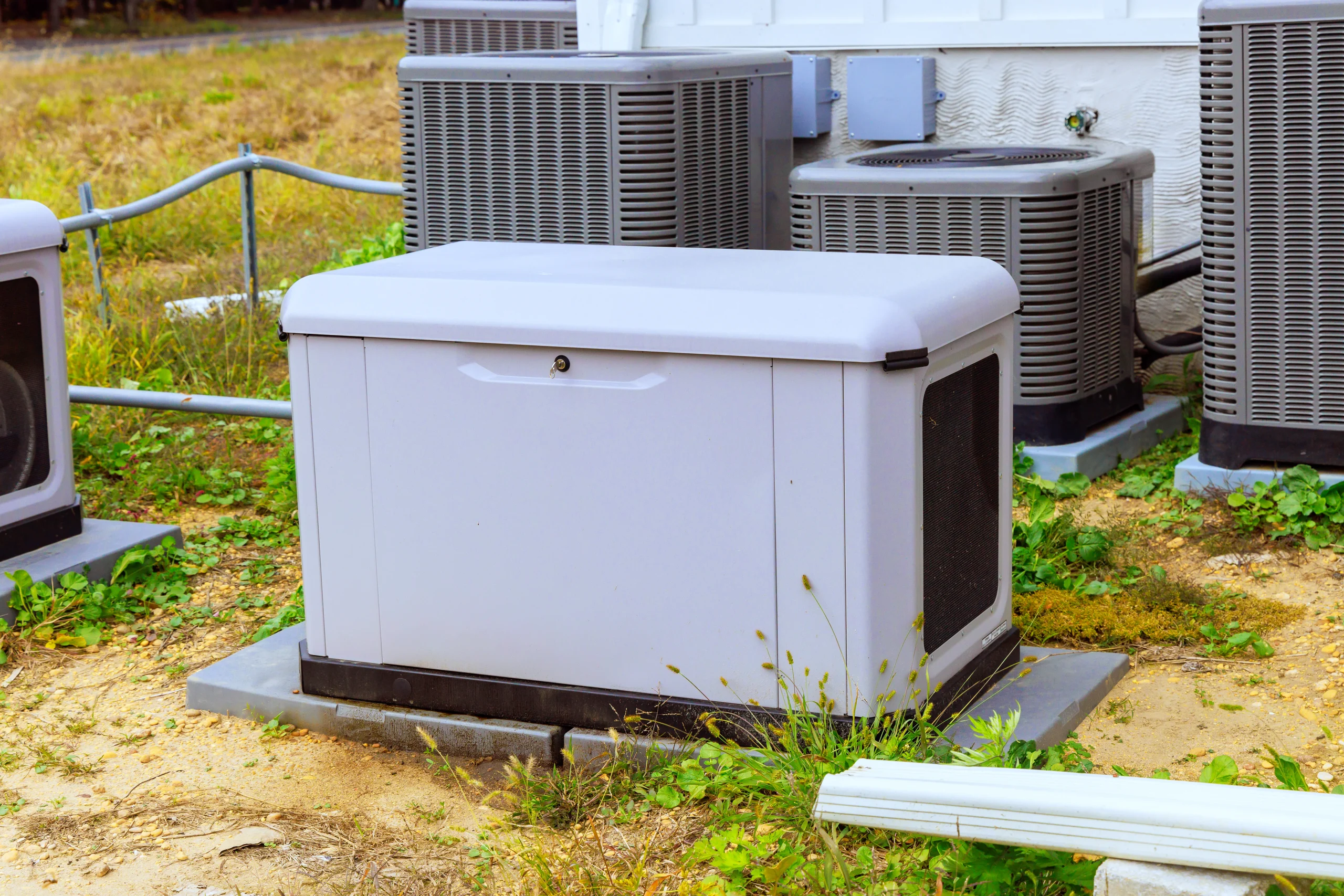
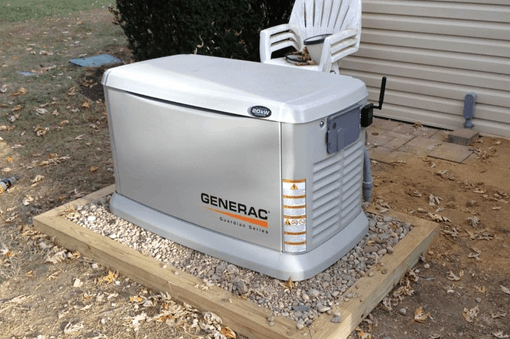
Your home standby generator installation in Port Jefferson includes everything needed for a complete, code-compliant system. You get the generator unit itself—most of our customers choose Generac, the most trusted name in residential backup power. You get the automatic transfer switch that detects outages and switches your home to generator power in under 10 seconds. You get all the electrical work, wiring, and panel upgrades if your system needs them.
We handle the concrete pad installation, gas line connections (or propane tank setup), and all required permits and inspections. Suffolk County has specific codes for generator installations, and we know them inside and out. Your warranty stays intact because the work is done by licensed professionals who follow manufacturer specs exactly.
You also get startup, testing, and a walkthrough so you understand how your system works. We don’t just install it and leave. You’ll know how to monitor it, what the indicator lights mean, and when to schedule maintenance. Most whole house generators last 15-30 years with proper care, and reputable brands offer 5-10 year warranties.
Here’s what matters for Port Jefferson specifically: coastal humidity and salt air can affect outdoor equipment. We install generators with weather-resistant enclosures rated for Long Island conditions. Your unit is built to handle what gets thrown at it here—nor’easters, tropical storms, temperature swings, and everything in between.
Most complete installations run between $8,000 and $16,000 depending on generator size, fuel type, and how much electrical work your home needs. A 16kW unit that covers essential circuits costs less than a 24kW system that powers your entire home including central air. Natural gas installations are usually less expensive than propane because there’s no tank to install.
Here’s what drives the price: the generator itself, the automatic transfer switch, labor, permits, concrete pad, gas connections, and any panel upgrades. Some homes need a service upgrade to handle the load. Others are ready to go as-is.
We give you a free estimate that breaks down every cost. You’ll see exactly where your money goes before you commit. And yes, financing is available—many homeowners finance for around $109 a month, which is less than one hotel stay during an extended outage.
Most homes between 1,500 and 2,500 square feet need a 16-20kW generator for whole-house coverage. If you want to run central air conditioning during summer outages, you’re looking at the higher end of that range. Larger homes over 3,000 square feet often need 22-24kW units.
But size isn’t just about square footage. It’s about what you’re running. If you have electric heat, a well pump, multiple HVAC zones, or high-draw appliances, your load calculation changes. We do a proper assessment during your free consultation—we look at your panel, count circuits, ask what you can’t live without, and size the generator so it handles your actual needs.
Undersizing is one of the most common mistakes we see from quick-turnaround installers. You don’t want a generator that works fine until your AC kicks on, then overloads. We size it right the first time so you get the coverage you’re paying for.
From your initial estimate to final startup, expect about 4-8 weeks. That includes permitting, scheduling, installation, and inspections. The actual installation work usually takes 1-2 days depending on your home’s setup and whether we need to upgrade your electrical panel.
Permitting timelines vary based on Suffolk County’s current workload. We submit everything and coordinate inspections so you don’t have to chase anyone down. Equipment availability also affects timing—if you’re ordering during peak season (spring and early summer), lead times can stretch.
That’s why we tell Port Jefferson homeowners to start the process in January or February if possible. Hurricane season officially runs June through December. If you wait until May to start thinking about backup power, you might not have it installed before the first major storm. Plan ahead and you’re covered when it matters.
If you already have natural gas service to your home, that’s usually your best option. It’s convenient, you never run out, and there’s no tank to refill or maintain. Most Port Jefferson homes with gas heat can add a generator to the existing line with minimal additional work.
Propane makes sense if you don’t have natural gas available or if you want complete fuel independence. You’ll need a propane tank installed—either above ground or buried—and you’ll need to monitor fuel levels and schedule refills. A 500-gallon tank gives you plenty of runtime for extended outages, but it’s an added upfront cost and ongoing maintenance consideration.
Both fuels work reliably. Natural gas is cleaner-burning and requires less maintenance. Propane has slightly better energy density and works anywhere. We’ll walk through the pros and cons based on your property and what’s already in place. There’s no wrong choice—just the right choice for your situation.
Yes. Any permanent electrical installation in Suffolk County requires permits and inspections. That includes the generator itself, the transfer switch, electrical connections, and gas line work. This isn’t optional red tape—it’s how you protect your warranty, your insurance coverage, and your home’s resale value.
We handle all permitting as part of your installation. We pull the permits, schedule inspections, and make sure everything meets New York State electrical code and local requirements. You don’t lift a finger.
Here’s why this matters: if your generator isn’t permitted and inspected, your manufacturer warranty can be voided. If you ever file an insurance claim for fire or electrical damage, unpermitted work gives your insurer grounds to deny coverage. And when you sell your home, unpermitted installations show up during inspections and create complications you don’t want. Do it right from the start and none of that becomes your problem.
Plan on annual maintenance at minimum. Your generator needs an oil change, filter replacement, battery check, and full system inspection once a year. If you run it frequently during outage season, you might need service twice a year.
Most manufacturers require documented maintenance to keep your warranty valid. Miss your service intervals and you could void coverage on a $10,000+ investment. We offer maintenance plans that keep you on schedule and your generator in peak condition.
Between service visits, your generator runs a self-test every week—usually for 10-15 minutes. You’ll hear it kick on, run through its cycle, and shut down. That’s normal. It’s exercising the engine and checking that everything works. If something’s wrong, you’ll get an alert before you actually need the generator. Regular maintenance and those weekly tests mean your system is ready when the power goes out, not discovering problems in the middle of a storm.
Other Services we provide in Port Jefferson