Home Generator Installation in Port Jefferson Station, NY

Keep Your Power On When Everyone Else Goes Dark

Automatic backup power that starts in seconds, runs your whole house, and gives you control when Long Island’s grid fails.
[Add Trustindex Button Here]
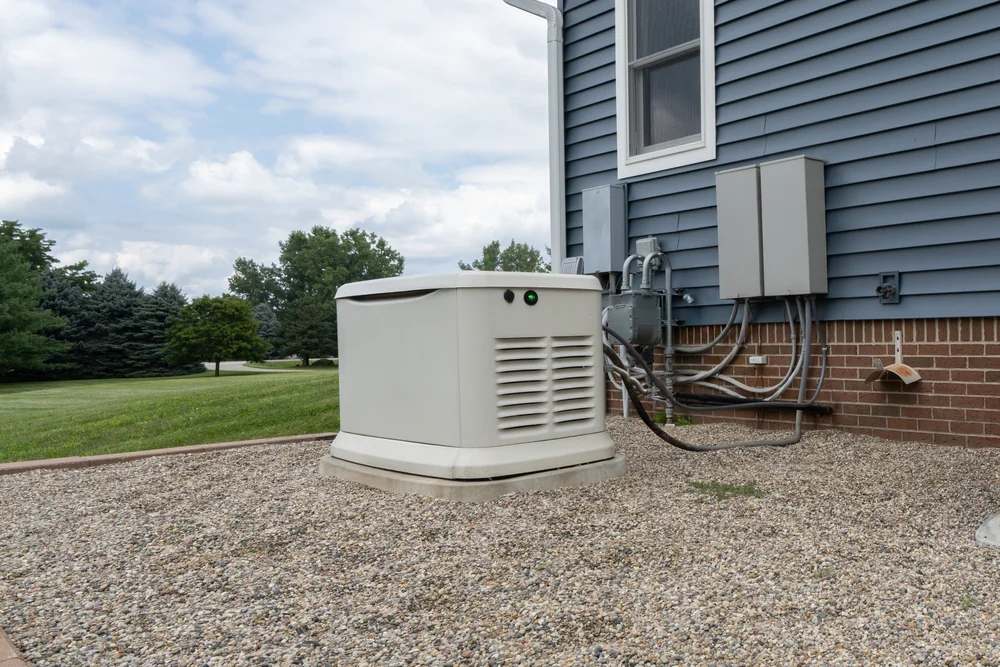
A standby generator sits on a gravel bed beside a blue house with siding in NY. Nearby, a residential electrician Suffolk County has mounted electrical boxes and conduit. Trees and lawn appear in the background under a cloudy sky.
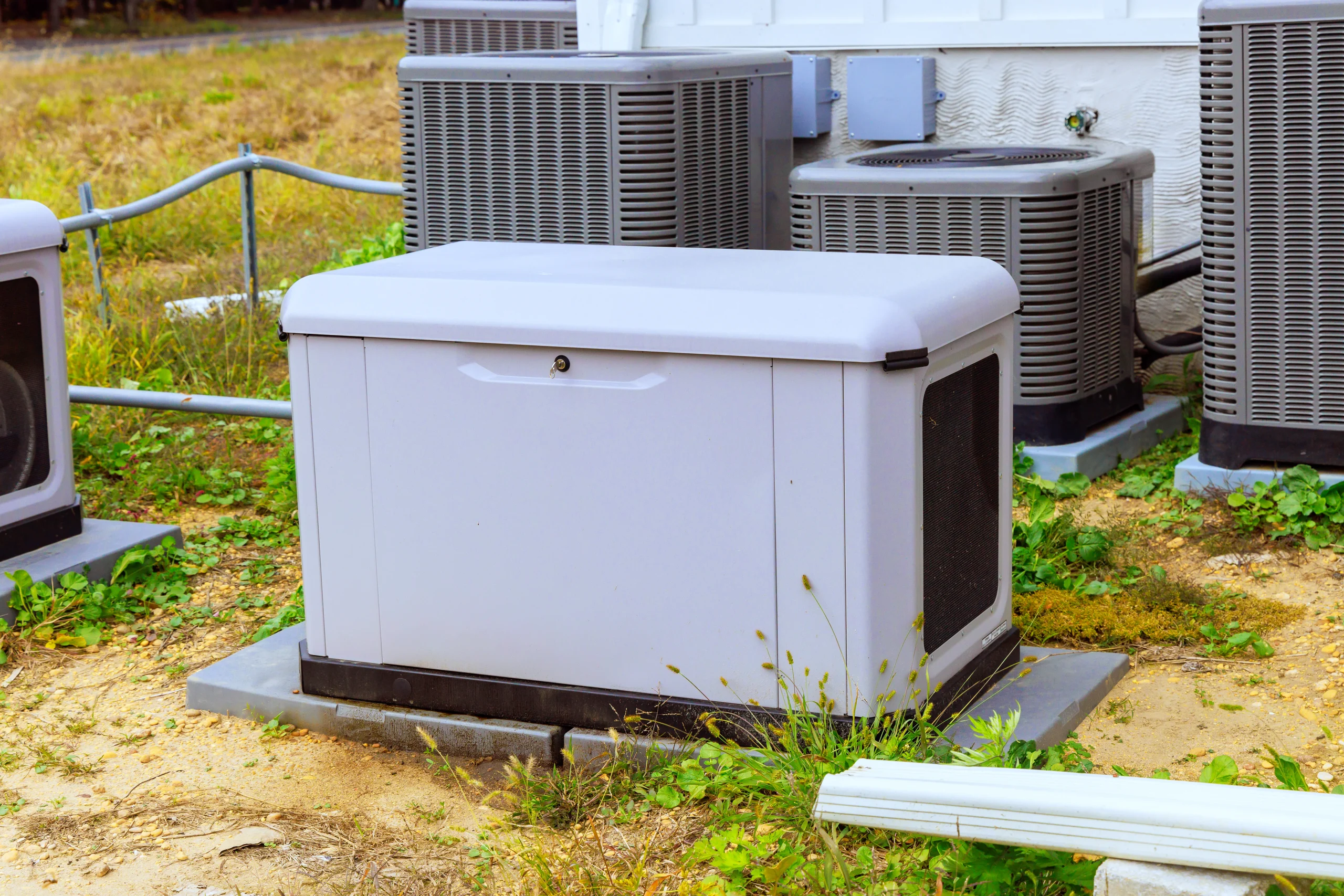
A standby generator sits on a concrete pad near several outdoor air conditioning units, with grass and weeds growing around the area. For installation or service, contact a residential electrician Suffolk County, NY, near this white building.

Whole House Generator Installation Port Jefferson Station

Your Life Doesn't Stop During an Outage

Long Island loses power regularly. Storms roll through, trees come down, and suddenly you’re sitting in the dark wondering how long it’ll be this time. Your fridge is warming up, your sump pump isn’t running, and if you’ve got medical equipment or a home office, you’re scrambling.

A whole house generator installation in Port Jefferson Station, NY changes that. The power goes out, your generator kicks on automatically within seconds, and everything keeps running. Your heat stays on in winter. Your AC works in summer. Your food stays cold, your devices stay charged, and your family stays comfortable.

You’re not dealing with extension cords or rationing power to a few outlets. Your whole home runs like nothing happened. That’s what a home standby generator installation does—it removes the stress and the guesswork when the grid goes down.

Licensed Generator Installer Port Jefferson Station NY

We've Been Doing This Since 2004

We’ve been handling electrical work across Suffolk County for over 20 years. We’re fully licensed and insured, and we’ve installed backup generator systems in Port Jefferson Station, NY and throughout the area long enough to know what works and what doesn’t.

You’re not getting a sales pitch from someone who just started doing this last year. You’re working with electricians who understand Long Island’s power grid, the local permit requirements, and how to size and install a system that actually protects your home. We show up in marked vehicles, give you a price before we start, and guarantee the work when we’re done.

We’ve earned the Angie’s List Super Service Award seven years running because we do what we say we’re going to do. No surprises, no runarounds, no inflated bills at the end.

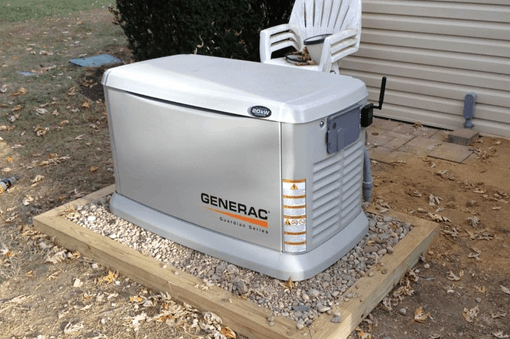
A Generac Guardian Series standby generator, expertly installed by a residential electrician Suffolk County, sits on a gravel platform beside a beige building, with a white plastic chair and scattered leaves nearby.

How Home Standby Generator Installation Works

Here's Exactly What Happens Start to Finish

First, we come out and assess your home. We look at your electrical panel, figure out what you need to keep running during an outage, and determine the right generator size. A whole house generator installation in Port Jefferson Station, NY isn’t one-size-fits-all—your home’s square footage, appliances, and power needs dictate what equipment you need.

Once we’ve sized the system, we give you an upfront price. You’ll know exactly what it costs before any work starts. If you move forward, we handle the permits, coordinate inspections, and schedule the installation around your life.

On install day, we set the generator on a concrete pad outside your home, run the fuel line (natural gas or propane), and connect it to your electrical panel through a transfer switch. That switch is what tells your home to pull power from the generator when the grid goes down. We test everything, walk you through how it works, and make sure you’re comfortable with the system before we leave. The whole process typically takes one to two days depending on your setup.

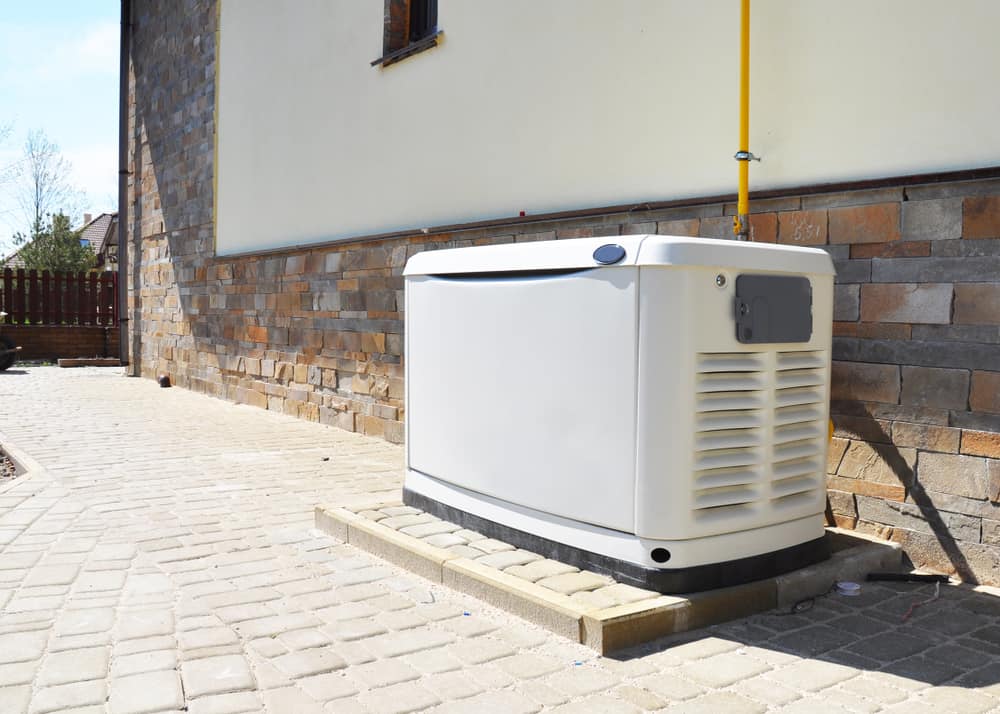
A standby generator is installed on a paved area next to a house with a brick and stone exterior wall; a yellow gas line connects to the unit, professionally set up by a residential electrician Suffolk County, NY.

Explore More Services

About Marra Electric

Backup Generator Installation Port Jefferson Station

What You Actually Get With This Installation

When you hire us for a house generator installation in Port Jefferson Station, NY, you’re getting a complete system—not just a generator dropped in your yard. We install the standby unit itself (usually a Generac whole house generator or similar brand), pour or prep the concrete pad it sits on, and run the fuel supply line from your gas meter or propane tank.

We also install the automatic transfer switch inside your electrical panel. This is the brain of the system—it monitors your utility power and switches to generator power the moment an outage is detected. You don’t flip a switch or go outside in the rain. It just happens.

Port Jefferson Station, NY sees its share of nor’easters and summer storms. PSEG’s infrastructure in Suffolk County is aging, and outages that last hours or even days aren’t unusual. A backup generator installation means you’re not one of the families sitting in the dark waiting for the power company to get to your street. You’ve got automatic, reliable power the second the grid fails, and your home keeps running until it’s restored.

A standby generator sits on a concrete pad next to the exterior wall of a white NY house, near some shrubs and a grassy, partly bare yard with trees in the background.

How much does a whole house generator cost in Port Jefferson Station, NY?

Whole house generator cost in Port Jefferson Station, NY typically starts around $8,000 and can go up to $15,000 or more depending on the size of your home and what you need to power. That includes the generator unit, installation labor, the transfer switch, concrete pad, fuel line hookup, permits, and inspections.

The price depends on a few factors. If you’ve got a larger home or want to run central air conditioning during an outage, you’ll need a bigger unit, which costs more. If your electrical panel is outdated or needs upgrades to handle the transfer switch, that adds to the scope. Homes running on propane may need a larger tank installed if the existing one isn’t sufficient.

We give you a free estimate upfront so you know exactly what it’ll cost before we do anything. No surprises, no hidden fees. You’ll get a breakdown of equipment and labor, and we’ll explain why we’re recommending a specific generator size for your home.

Most home standby generator installations in Port Jefferson Station, NY take one to two days once permits are approved and equipment arrives. Day one usually involves setting the generator, pouring or prepping the concrete pad, running the fuel line, and doing the rough electrical work. Day two is when we wire the transfer switch into your panel, connect everything, test the system, and make sure it’s running correctly.

Permitting can add time to the overall timeline. Suffolk County requires permits for generator installations, and depending on how busy the building department is, that approval process can take a week or two. We handle all the permit paperwork and coordinate inspections, so you don’t have to deal with that yourself.

If your home needs any prep work—like a panel upgrade or a new propane tank—that can extend the timeline. We’ll let you know during the estimate if anything like that applies to your situation. Once we start the actual installation, though, it’s typically wrapped up in a couple of days.

Yes, if it’s sized correctly. A properly installed whole home generator installation in Port Jefferson Station, NY can run your entire house—heating and cooling, refrigerator, lights, outlets, sump pump, well pump if you have one, and even things like your garage door opener and security system.

The key is sizing the generator to match your home’s electrical load. We calculate what your home pulls during normal use and recommend a unit that can handle that demand. Most homes need anywhere from a 16kW to 24kW generator to cover everything. Larger homes or homes with electric heat, multiple AC units, or high-draw appliances may need more capacity.

You can also choose to install a smaller generator and use a load-shedding transfer switch, which prioritizes essential circuits and sheds non-essential ones if the load gets too high. That’s a more budget-friendly option, but it means you might not be able to run everything at once. We’ll walk you through both options during your estimate so you can decide what makes sense for your home and your budget.

No. That’s the whole point of a home standby generator installation. The system is fully automatic. When the utility power drops, the transfer switch detects it within seconds and signals the generator to start. The generator fires up, stabilizes, and the transfer switch shifts your home’s power source from the grid to the generator. The entire process takes about 10 to 30 seconds.

You don’t go outside, you don’t press any buttons, and you don’t need to be home for it to work. If you’re away and a storm knocks out power in Port Jefferson Station, NY, your generator will still kick on and keep your house running. That’s especially important if you’ve got a sump pump, a security system, or temperature-sensitive equipment that can’t afford to lose power.

When utility power is restored, the transfer switch senses that too. It shifts your home back to grid power and shuts the generator down. The generator will then run a brief cool-down cycle before turning off completely. It’s all handled automatically, so you can go about your day without thinking about it.

Backup generators need annual maintenance to stay reliable. Most manufacturers, including Generac, recommend a service visit once a year. During that visit, a technician will change the oil and oil filter, replace the air filter, check the battery, inspect the fuel lines and connections, and run the unit to make sure everything’s operating correctly.

Generators also self-test automatically. Most models run a brief test cycle once a week—usually for about 10 to 15 minutes—to make sure the engine turns over and the system is ready to go if you need it. You’ll hear it run, but it won’t switch your house over to generator power during these tests. It’s just exercising the engine to keep everything in good shape.

If you skip maintenance, you risk the generator failing when you actually need it. Batteries die, oil breaks down, and small issues turn into big ones. We offer maintenance plans for backup generator installations in Port Jefferson Station, NY, so you don’t have to remember to schedule it yourself. We’ll come out annually, handle everything, and make sure your system is ready for the next outage.

You need a licensed electrician. Home generator installation in Port Jefferson Station, NY involves working with your home’s electrical panel, installing a transfer switch, running high-voltage wiring, and connecting to a fuel source. That’s not DIY territory—it’s dangerous if you don’t know what you’re doing, and it’s illegal in most cases without the proper licenses.

Suffolk County requires permits for generator installations, and those permits require a licensed electrician to pull them and sign off on the work. Inspectors will check the installation to make sure it meets code. If it’s not done right, you’ll fail inspection, and you’ll have to pay someone to come fix it anyway.

There’s also liability. If something goes wrong—a fire, a gas leak, or an electrical fault—and the installation wasn’t done by a licensed professional, your homeowner’s insurance may not cover the damage. You’re also voiding any manufacturer warranty on the generator itself if it’s not installed according to their specifications. It’s not worth the risk. Hire someone who’s licensed, insured, and knows how to do it right the first time.

Other Services we provide in Port Jefferson Station