Home Generator Installation in Riverhead, NY

Keep Your Power On When the Grid Goes Down

Automatic backup power that starts in seconds, protects your home, and runs as long as you need it—installed right the first time.
[Add Trustindex Button Here]
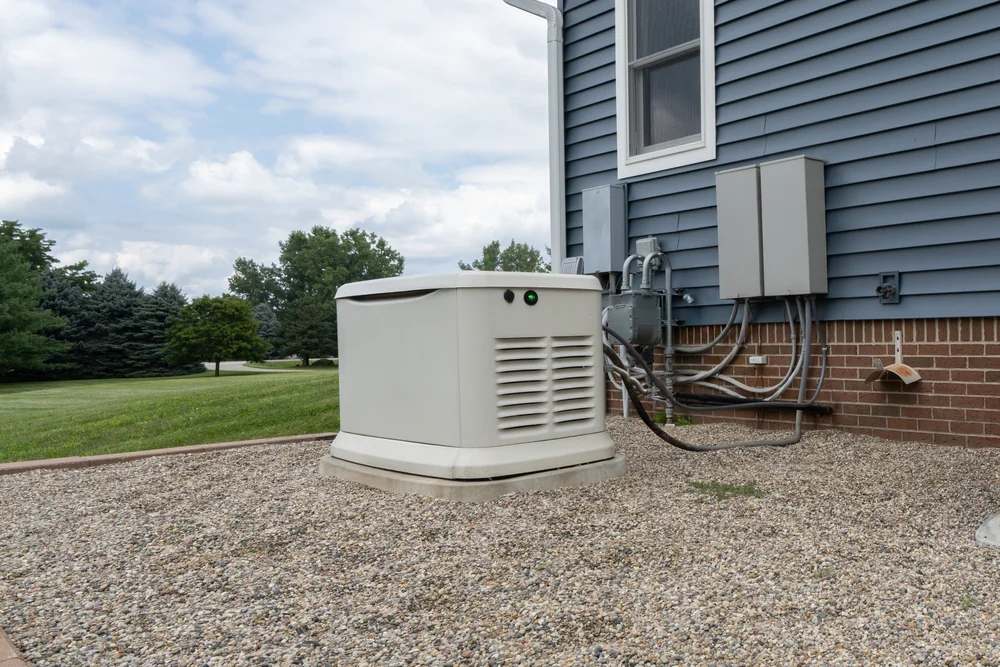
A standby generator sits on a gravel bed beside a blue house with siding in NY. Nearby, a residential electrician Suffolk County has mounted electrical boxes and conduit. Trees and lawn appear in the background under a cloudy sky.
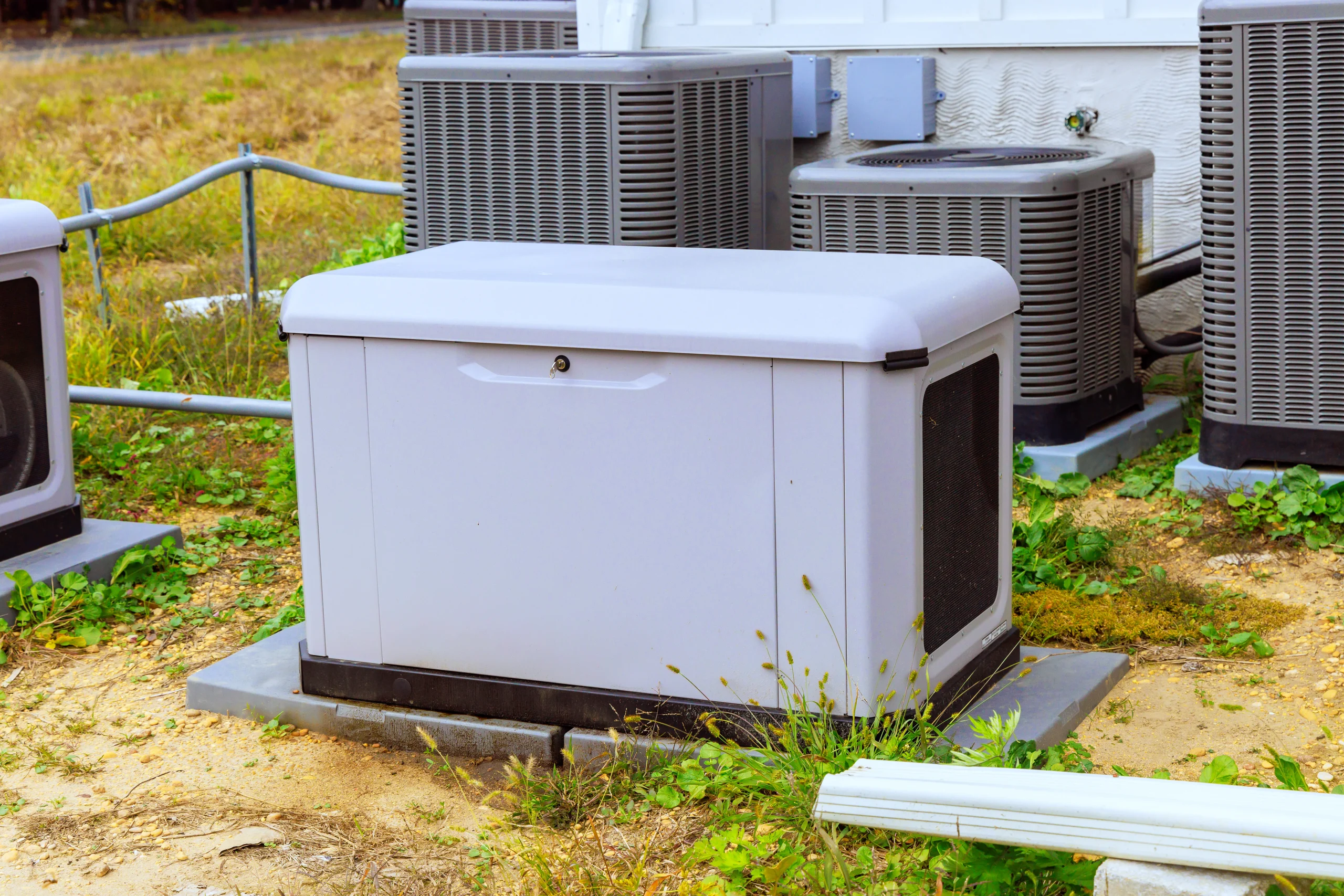
A standby generator sits on a concrete pad near several outdoor air conditioning units, with grass and weeds growing around the area. For installation or service, contact a residential electrician Suffolk County, NY, near this white building.

Whole House Generator Installation Riverhead

What You Get With a Home Standby Generator

Your lights stay on. Your heat keeps running. Your food doesn’t spoil, your sump pump keeps working, and your security system stays active—even when everyone else on your street is sitting in the dark.

That’s what a whole house generator installation in Riverhead, NY gives you. Not just convenience. Real protection for your home and the people in it.

Suffolk County sees more outages than most places in New York—storms roll through, trees come down, and the power company gives you a vague timeline that could mean hours or days. A home standby generator doesn’t wait for updates. It kicks on automatically within seconds of an outage, runs on your existing fuel line, and keeps your home functioning like nothing happened.

You’re not scrambling for flashlights or wondering if your pipes are going to freeze. You’re not losing a fridge full of groceries or dealing with a flooded basement because the sump pump quit. You’re covered.

Licensed Generator Installer Riverhead, NY

We've Been Doing This for Over 20 Years

Marra Electric has been serving Suffolk County since 2004. We’re fully licensed, insured, and we’ve installed backup generator systems in Riverhead, NY for homeowners who need reliable power when it matters most.

We don’t subcontract the work. Our electricians show up in company vehicles, do the job right, and make sure your system is tested and ready before we leave. You get upfront pricing, no surprise charges, and a team that’s been recognized with the Angie’s List Super Service Award for seven years running.

Riverhead homeowners deal with outages from nor’easters, summer storms, and everything in between. We know what it takes to install a generator that can handle Long Island weather and keep your home protected year after year.

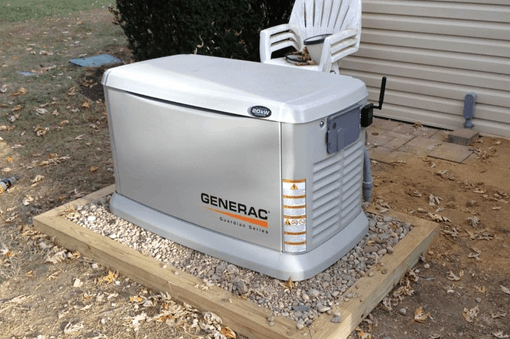
A Generac Guardian Series standby generator, expertly installed by a residential electrician Suffolk County, sits on a gravel platform beside a beige building, with a white plastic chair and scattered leaves nearby.

Generator Installation Process Riverhead, NY

Here's How a Whole Home Generator Installation Works

First, we come out and assess your home. We look at your electrical panel, your fuel source—whether that’s natural gas or propane—and figure out what size generator you actually need based on what you want to keep running during an outage.

Once we size the system, we give you a clear estimate. No hidden fees, no upselling you on capacity you don’t need. Just honest numbers based on the work involved.

Installation starts with setting the generator on a concrete pad outside your home, usually near your gas meter or propane tank. We run the fuel line, connect it to your electrical system through a transfer switch, and wire everything to code. The transfer switch is what makes the whole thing automatic—it detects when the grid goes down and signals the generator to start. You don’t flip a switch or go outside in the rain. It just happens.

After everything’s connected, we test the system. We simulate an outage, make sure the generator fires up, and confirm that your selected circuits are getting power. Then we walk you through how it works, what to expect during a real outage, and what basic maintenance looks like. The whole process typically takes one to two days depending on the complexity of your setup.

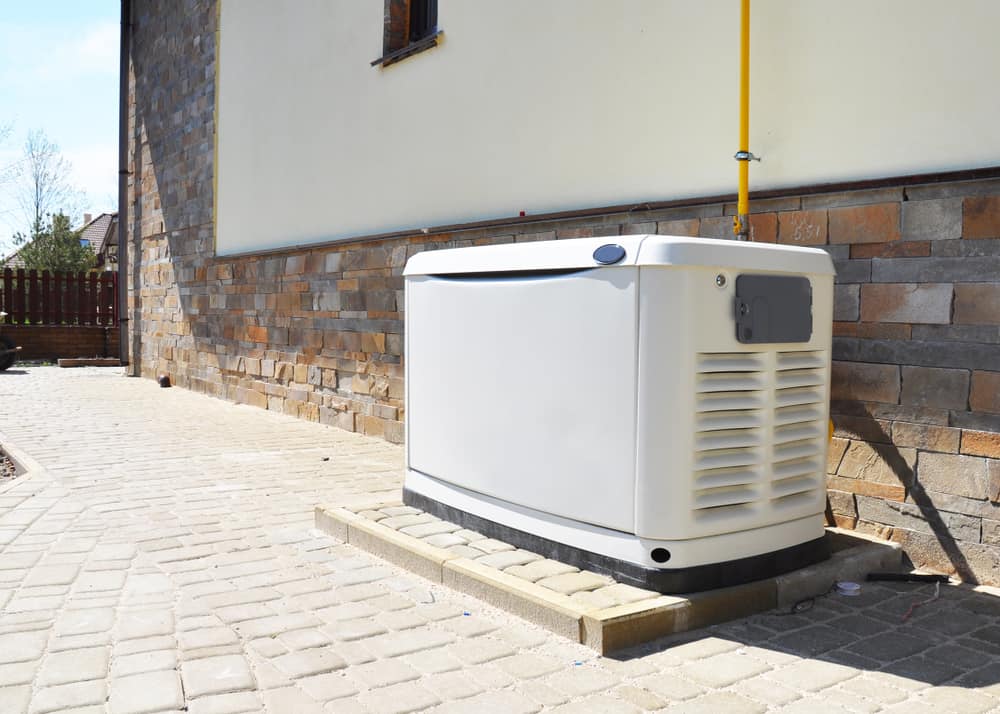
A standby generator is installed on a paved area next to a house with a brick and stone exterior wall; a yellow gas line connects to the unit, professionally set up by a residential electrician Suffolk County, NY.

Explore More Services

About Marra Electric

Backup Generator Installation Riverhead, NY

What's Included in Your Backup Generator Installation

You’re getting a complete system—not just a generator dropped in your yard. That means the unit itself, a weather-resistant concrete pad, a properly sized transfer switch, all the electrical connections, fuel line hookup, and full system testing before we consider the job done.

We install Generac whole house generators because they’re the most reliable units on the market and they’re built to handle the kind of weather Riverhead, NY throws at you. Generac systems come with Mobile Link remote monitoring, so you can check your generator’s status from your phone. You’ll get alerts if there’s a maintenance issue, and you’ll know the system is ready before the next storm hits.

Most whole house generator installations in Riverhead run between $6,000 and $11,000 depending on the size of the unit and how much of your home you want to back up. You can cover just the essentials—heat, fridge, a few lights—or you can power everything. We help you figure out what makes sense for your home and your budget.

The generator connects to your existing natural gas or propane line, so you’re not dealing with refueling or storing gasoline. As long as you have fuel, the system runs. And with proper maintenance, these units last 15 to 30 years. You’re making a one-time investment that protects your home for decades.

A standby generator sits on a concrete pad next to the exterior wall of a white NY house, near some shrubs and a grassy, partly bare yard with trees in the background.

How long does a home generator installation take in Riverhead, NY?

Most whole house generator installations in Riverhead, NY take one to two days from start to finish. That includes setting the concrete pad, running the fuel and electrical connections, installing the transfer switch, and testing the entire system.

The timeline can stretch a bit if we’re dealing with a more complex electrical panel, a longer distance between your gas line and the generator location, or if we need to coordinate with your propane supplier. But in most cases, you’re looking at a straightforward two-day job.

We don’t rush it. The system has to be wired correctly, the transfer switch has to be calibrated, and everything has to pass a full operational test before we leave. You’ll know your generator works because we’ll show you.

It depends on what you want to keep running during an outage. If you just need the essentials—furnace, refrigerator, a few lights, and maybe your sump pump—you’re probably looking at a 10 to 14 kW unit. If you want to run your whole home like normal, including central air, multiple appliances, and all your outlets, you’ll need something in the 20 to 24 kW range.

We don’t guess. We calculate your actual load based on your home’s electrical panel and the circuits you want backed up. That way you’re not overpaying for a generator that’s too big, and you’re not stuck with one that can’t handle your needs when the power goes out.

Riverhead homes vary—some are smaller ranch-style houses, others are larger two-story builds with higher electrical demands. We size the system to your home, not to a generic recommendation.

Yes. Any permanent home standby generator installation in Riverhead, NY requires an electrical permit from the Town of Riverhead. We handle that for you as part of the installation process.

The permit ensures the work is done to code and that your system is safe and compliant. After the installation is complete, the town will schedule an inspection to verify everything meets local electrical and building standards. We coordinate that inspection and make sure the system passes.

You don’t have to deal with the paperwork or the back-and-forth with the building department. We’ve been doing this in Suffolk County for over 20 years, and we know exactly what Riverhead requires. It’s built into the process.

Yes. A professionally installed whole home generator is a selling point, especially in areas like Riverhead where power outages are common. Buyers know what it’s like to lose power during a storm, and a home that already has backup power is more appealing than one that doesn’t.

You’re not just adding a piece of equipment—you’re adding peace of mind. That matters to people looking at homes on Long Island’s East End, where outages aren’t rare events. They’re predictable.

Some insurance companies also offer discounts for homes with standby generators because the system reduces the risk of damage from frozen pipes, flooded basements, and spoiled food. It’s not a huge discount, but it’s something. And over the life of the generator, those savings add up.

Not much, but it’s not zero. Your generator will run a self-test once a week for about 10 to 15 minutes. That keeps the engine lubricated and makes sure the system is ready when you need it. You don’t have to do anything—it happens automatically.

Beyond that, you’ll want to have the unit serviced once a year. That means changing the oil, replacing the air filter, checking the battery, and inspecting the fuel and electrical connections. It’s similar to maintaining a lawn mower or any other small engine. Most homeowners hire an electrician or a generator service company to handle it.

Generac generators are built to last, but they need basic upkeep to stay reliable. If you skip maintenance, you risk the system failing during an outage—which defeats the whole purpose. We can set you up with a maintenance plan, or you can handle it on your own. Either way, it’s straightforward.

It can, but it depends on the size of the generator you install. A whole house generator installation in Riverhead, NY can be configured to power everything in your home—HVAC, kitchen appliances, outlets, lighting, everything. Or it can be set up to cover just the critical circuits.

The difference comes down to cost and what you actually need. Running your entire home requires a larger generator, which means a higher upfront cost and more fuel consumption during an outage. Running just the essentials keeps the price lower and the system more efficient.

We help you figure out what makes sense. If you want the comfort of running everything, we’ll size the system for that. If you’d rather keep costs down and focus on the must-haves, we can do that too. It’s your call.

Other Services we provide in Riverhead