You’re not sitting in the dark wondering when PSEG will get around to your street. You’re not throwing out a fridge full of groceries or worrying about your sump pump flooding the basement.
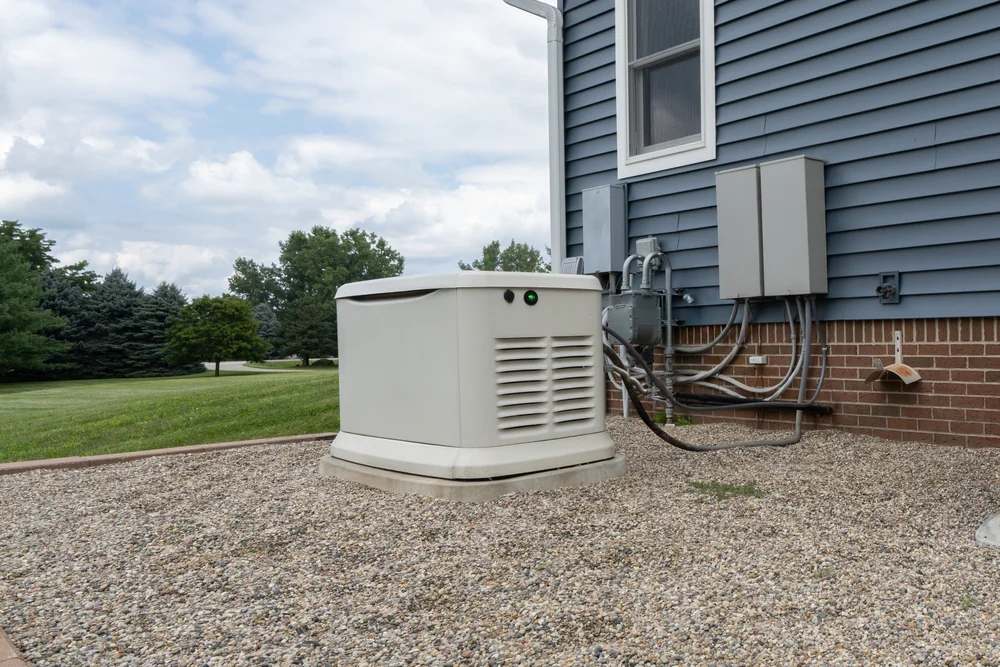
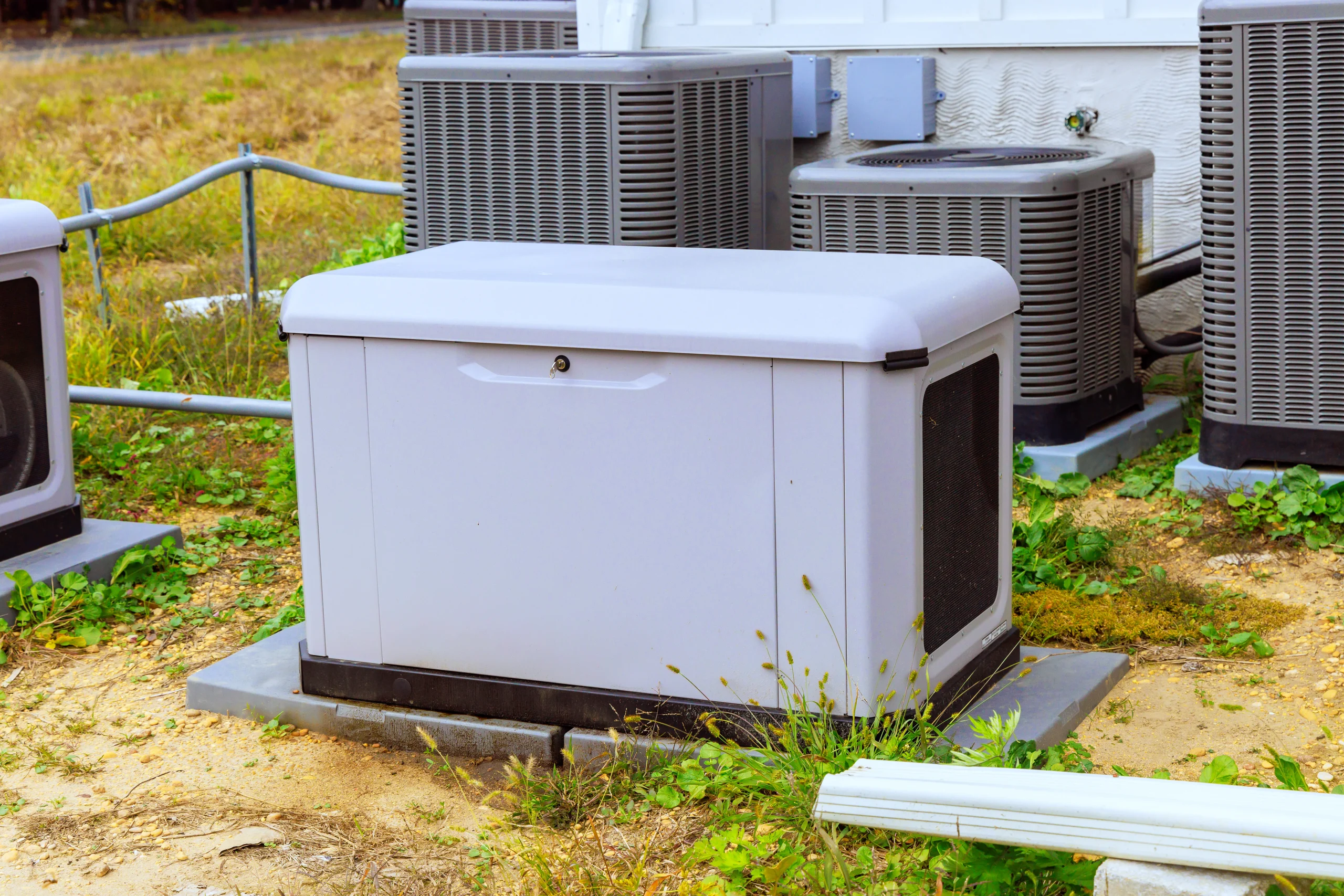
A properly installed home standby generator in Stony Brook, NY means your house keeps running. Automatically. The second the grid fails, your generator kicks on—no extension cords, no manual startup, no scrambling in the dark.
Your heating or AC stays on. Your internet keeps working if you’re running a business from home. Your medical equipment doesn’t skip a beat. You’re not one of the 9,000 customers sitting without power during the next wind event—you’re the house on the block with the lights still on.
That’s what a whole house generator installation in Stony Brook, NY actually does. It removes the panic and the guesswork from every storm.
We’ve been handling electrical work across Suffolk County for over 20 years. We’re not new to this, and we’re not experimenting with your electrical system.
Every home standby generator installation in Stony Brook, NY that we complete is done by licensed electricians who know local codes, permitting requirements, and how to size a system correctly. We don’t cut corners, and we don’t leave you with a generator that can’t handle your actual load.
You’ll get upfront pricing before we start. You’ll get a crew that shows up on time in company vehicles. And you’ll get a system that works when you need it—backed by our 100% satisfaction guarantee and seven consecutive Angie’s List Super Service Awards.
First, we come out and do a load calculation. That means figuring out what you actually need to power—not guessing, not overselling you on a bigger unit than necessary.
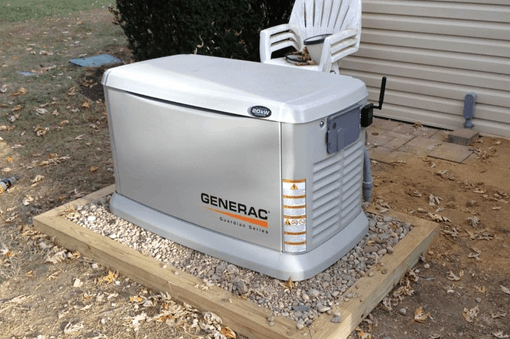
Once we know your load, we’ll recommend the right size Generac whole house generator for your home in Stony Brook, NY. Most homes between 1,500 and 2,500 square feet need a 14 kW to 22 kW unit, but your situation might be different depending on what you’re running.
Then we handle the permitting. Suffolk County has specific requirements, and we make sure everything is filed and approved before we dig or wire anything.
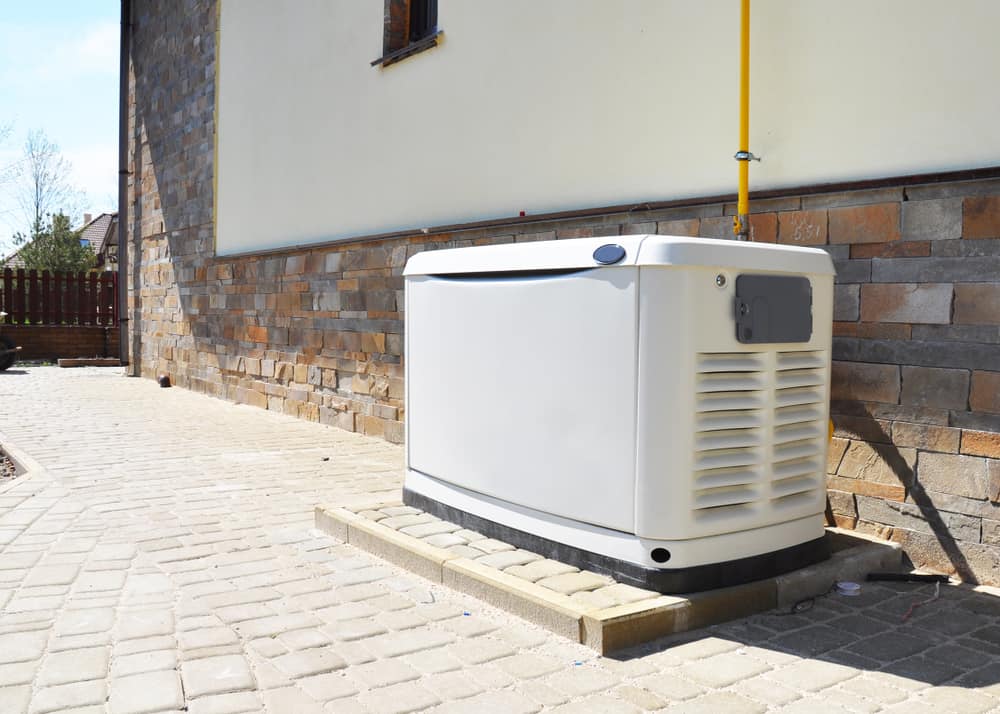
Installation day involves setting the generator pad, running gas or propane lines, wiring it into your electrical panel with a transfer switch, and testing the whole system under load. We don’t leave until it’s running correctly and you understand how it works.
The whole process typically takes four to six weeks from estimate to final startup, depending on permits and equipment availability. We’ll keep you updated the entire way.
Ready to get started?
You’re getting a complete whole home generator installation in Stony Brook, NY—not a partial setup that leaves you hunting for someone else to finish the job.
That includes the generator itself, a concrete pad or mounting platform, all electrical connections to your main panel, a transfer switch that manages the switchover, and gas or propane line installation if needed. We pull permits, coordinate inspections, and make sure everything passes the first time.
Stony Brook sits right on the North Shore, which means you’re dealing with coastal wind events that regularly knock out power. The National Weather Service has issued multiple high wind warnings for Suffolk County in recent years, with gusts hitting 55 to 60 mph. Those conditions drop trees on lines and leave thousands of homes dark for hours or days.
A backup generator installation in Stony Brook, NY isn’t just convenient—it’s a response to a pattern. If you’ve lost power more than once in the last two years, you already know what we’re talking about.
Most whole house generator installations in Stony Brook, NY run between $7,000 and $12,000, depending on the size of the unit and how complex the installation is. That includes the generator, transfer switch, installation labor, permits, and startup.
A 14 kW Generac unit typically costs $4,000 to $5,500 for the equipment alone. A 22 kW unit runs closer to $5,500 to $7,000. Installation adds another $3,000 to $5,000 depending on how far the generator sits from your panel, whether we need to trench for gas lines, and what your local permitting requirements look like.
If your home is larger or you want to power everything—central AC, well pump, multiple appliances—you’ll likely need a bigger unit, which pushes the price higher. But you’re not paying for unnecessary capacity if you don’t need it. We size the system based on your actual load, not a sales quota.
Plan on four to six weeks from the day you approve the estimate to the day your generator is up and running. That timeline includes permitting, equipment delivery, and scheduling the actual installation.
Suffolk County requires permits for generator installations, and those can take one to three weeks depending on the town and how backed up the building department is. Once permits clear and your generator arrives, the physical installation usually takes one to two days.
Weather can slow things down, especially if we’re pouring a concrete pad in the middle of winter. Equipment availability also plays a role—if there’s been a major storm and everyone’s suddenly ordering generators, lead times stretch out.
We’ll give you a realistic timeline upfront and keep you updated if anything changes. You’re not going to be left wondering where we are in the process.
Most homes in Stony Brook, NY need a 14 kW to 22 kW generator to cover essential systems and a few comfort items. But the right size depends on what you’re actually trying to power during an outage.
If you want to run your refrigerator, a few lights, your furnace or boiler, and maybe a TV and internet router, a 14 kW unit will handle that. If you’re adding central air conditioning, a well pump, or multiple large appliances, you’re looking at 18 kW to 22 kW.
We don’t guess. We do a load calculation that adds up the wattage of everything you want to keep running, factors in startup surge for motors and compressors, and recommends a generator that can handle that load without maxing out.
Oversizing costs you more upfront and burns more fuel. Undersizing means your generator shuts down when you need it most. We size it right the first time.
Generac whole house generators in Stony Brook, NY can run on either natural gas or liquid propane, depending on what’s available at your property. If you’ve got a natural gas line running to your house, that’s usually the easiest and most cost-effective option.
Natural gas is convenient because you never have to worry about refilling a tank—it’s supplied continuously through your utility line. Propane requires a tank, but it gives you fuel independence, which some people prefer if they don’t trust the gas supply during a major emergency.
If you’re using propane, you’ll need a tank large enough to run your generator for an extended outage. A 500-gallon propane tank can typically run a 22 kW generator for about three to four days of continuous use, depending on your load.
We’ll connect your generator to whichever fuel source makes sense for your property. Both options work—it just depends on what you’ve got and what you’re comfortable with.
It can, but that depends on the size of your home and the size of the generator you install. A properly sized whole home generator installation in Stony Brook, NY will power everything you choose to put on the system—but you have to be realistic about load.
If you’ve got a 2,000-square-foot house and you install a 22 kW generator, you can run your central AC, your fridge, your lights, your well pump, and most of your outlets without any issue. If you’ve got a 4,000-square-foot house with two AC units and you try to run everything on a 14 kW generator, it’s going to overload.
That’s why we do a load calculation before recommending a unit. We figure out what you actually need, what you want, and what size generator can handle that without tripping.
Some people choose to power the whole house. Others choose to power the essentials and skip things like the pool pump or the electric dryer. Both approaches work—it just changes the size and cost of the system.
Your generator should be serviced once a year, usually in the fall before storm season. That service includes changing the oil and air filter, checking the battery, inspecting the fuel lines, and running the unit under load to make sure everything works.
Generac generators are designed to self-test once a week. They’ll start up, run for about 10 to 15 minutes, and shut back down automatically. That keeps the engine lubricated and the battery charged, but it doesn’t replace actual maintenance.
Skipping annual service is how you end up with a generator that won’t start when the power goes out. Batteries die, oil breaks down, and small issues turn into expensive repairs if they’re ignored.
We offer maintenance plans that take care of the yearly service for you. You don’t have to remember to schedule it or figure out what needs to be checked—we handle it, and your generator stays ready.
Other Services we provide in Stony Brook