Your refrigerator stays cold. Your sump pump keeps running. Your security system doesn’t go dark. And you’re not sitting in the heat or cold wondering when PSEG will get the lights back on.
That’s what a whole house generator installation in West Sayville, NY does for you. It kicks on automatically within seconds of losing power—no extension cords, no manual switching, no scrambling in the dark.
You already remember what happened during Sandy. Two weeks without power for over 632,000 Long Islanders. Spoiled food. No heat. No way to charge phones or keep medical equipment running. Then Isaias hit in 2020 and left another 400,000 customers in the dark for days.
A home standby generator installation means you don’t live through that again. Your home keeps running while your neighbors are looking for ice and charging stations. Your family stays comfortable. Your property stays protected.
We’ve been installing backup generators across Suffolk County for over 20 years. We’re not a franchise or a national chain—we’re local electricians who know West Sayville homes, Long Island weather, and what it takes to keep your power on when storms roll through.
We’re fully licensed and insured. We’ve earned the Angie’s List Super Service Award seven years running. And we give you upfront pricing before we start—no surprise bills after the job’s done.
We were here during Sandy and Isaias. We’ve seen what happens when homes don’t have backup power, and we’ve installed hundreds of systems that kept families safe and comfortable during every outage since.
First, we come to your home in West Sayville and assess your electrical panel, your power needs, and where the generator will sit. We’ll measure what you actually need to keep running—not just sell you the biggest unit. Most homes need between 14kW and 24kW depending on square footage, appliances, and whether you have central air.
Next, we give you a free estimate with transparent pricing. You’ll know exactly what the whole house generator installation costs before we touch anything. We’ll explain fuel options—natural gas if you’re already connected, or propane if you’re not—and walk through Generac models that fit your home and budget.
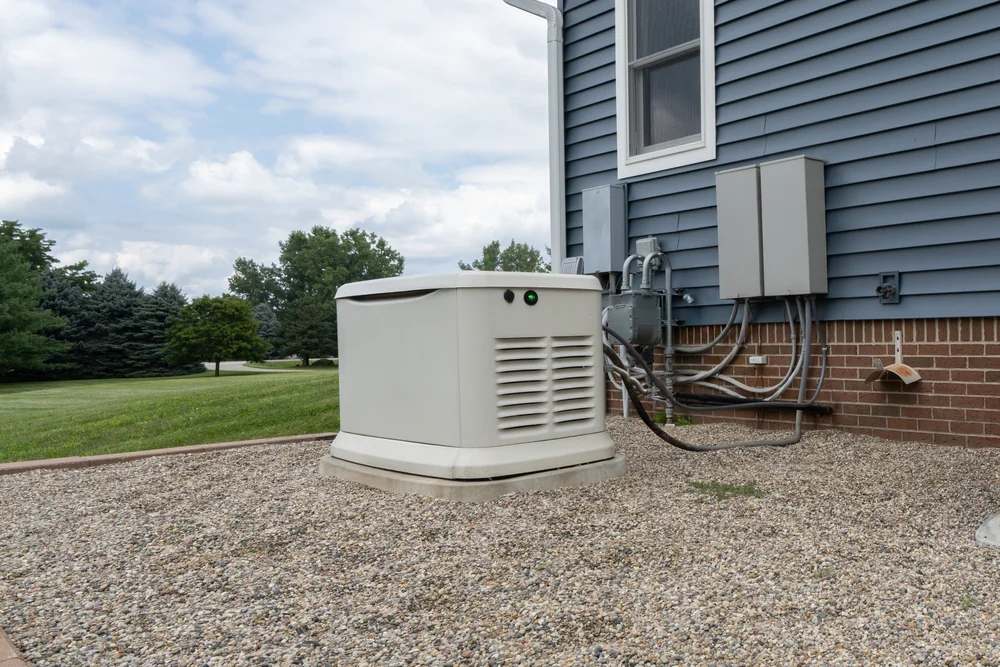
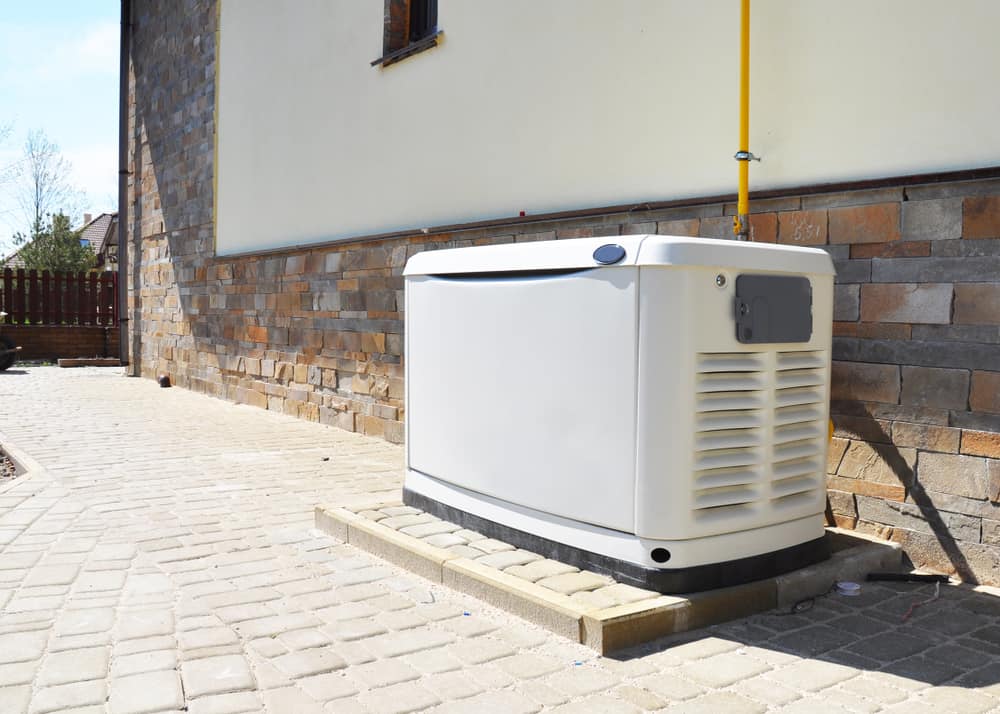
Once you approve, we handle the permits, schedule the installation, and coordinate everything. We install the generator on a concrete pad, connect it to your electrical panel with a transfer switch, hook up the fuel line, and test the system. The generator monitors your power 24/7 and kicks on automatically when the grid drops.
After installation, we show you how it works, answer your questions, and make sure you’re comfortable with the system. Then we’re available anytime you need us—including 24/7 emergency service if something ever goes wrong.
Ready to get started?
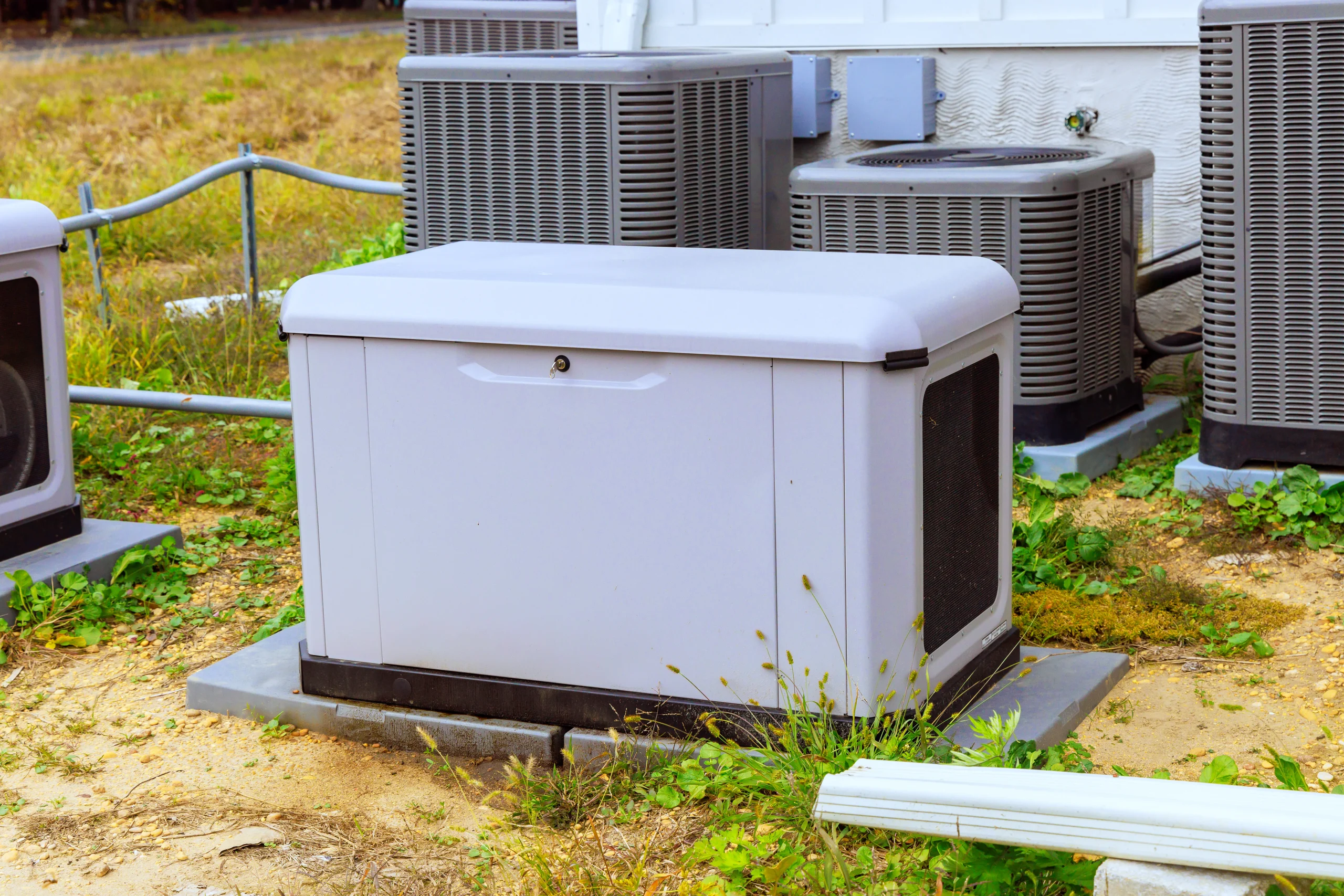
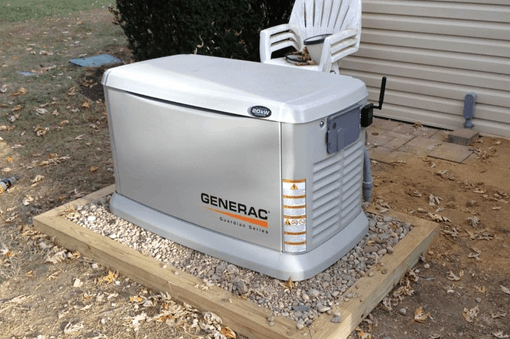
You get a properly sized Generac home standby generator—the brand with 75% of the residential market and the most reliable track record. We don’t cut corners on equipment because you’re depending on this system during emergencies.
The installation includes the transfer switch that connects your generator to your home’s electrical panel, all necessary wiring and conduit, the concrete pad or mounting platform, fuel line connection (natural gas or propane), and full permit handling. We take care of inspections and make sure everything meets Suffolk County codes.
In West Sayville, most whole house generator installations run between $8,000 and $15,000 depending on generator size and site conditions. If you need a gas line run or significant electrical upgrades, that affects cost—but we tell you that upfront, not after we’ve started digging.
You also get a system that increases your property value. Homes in West Sayville have a median value over $562,000, and a professionally installed backup generator is a selling point that protects your investment and appeals to buyers who remember being without power for weeks.
When maintained properly, your Generac whole house generator can last 20 years. That’s decades of protection from outages that seem to be happening more often—the U.S. hit nearly 1.5 billion hours of power outages in 2024, the highest since tracking began.
Most whole house generator installations in West Sayville, NY take one to two days once permits are approved and equipment arrives. The actual installation day involves setting the concrete pad, mounting the generator, running electrical and fuel lines, installing the transfer switch, and testing everything.
Permitting adds time before we start. Suffolk County requires electrical permits and sometimes gas permits depending on your setup. We handle all of that, but it typically adds one to three weeks to the timeline depending on how busy the building department is.
If you need a new gas line run to the generator location or if your electrical panel needs upgrading to handle the transfer switch, that can add another day or two. We’ll tell you exactly what your home needs during the estimate so there are no surprises on timeline or cost.
Most homes in West Sayville need a generator between 14kW and 24kW. The right size depends on your home’s square footage, what appliances you want to run during an outage, and whether you have central air conditioning or electric heat.
A 14kW to 16kW generator typically handles essential circuits—refrigerator, freezer, some lights, sump pump, garage door, and a few outlets. If you want to run your whole home including central air, you’re usually looking at 20kW to 24kW. Larger homes or homes with multiple AC units sometimes need even bigger systems.
We don’t guess at this. During your free estimate, we calculate your actual power needs based on your electrical panel and what you tell us you want to keep running. Undersizing means you can’t run everything you need. Oversizing means you spent money on capacity you’ll never use. We size it right so you get exactly what your home requires without paying for more than you need.
A complete home standby generator installation in West Sayville, NY typically costs between $8,000 and $15,000. That includes the generator unit, transfer switch, installation labor, concrete pad, electrical and fuel connections, permits, and startup testing.
Smaller generators in the 14kW to 16kW range usually fall on the lower end of that range. Larger 20kW to 24kW systems cost more because the equipment itself is more expensive and the installation is more involved. If your home needs electrical panel upgrades or a new gas line run from the street, those are additional costs we’ll include in your upfront estimate.
Generac offers financing options if you don’t want to pay the full amount up front. And when you consider that you’re protecting a home worth over $500,000 in West Sayville’s market, plus avoiding thousands in spoiled food, hotel costs, and potential damage from frozen pipes or failed sump pumps during extended outages, the investment makes sense. You’re buying peace of mind and real protection against the kind of two-week outages Long Island has already experienced.
You can use either natural gas or propane for your home generator installation in West Sayville—it depends on what’s already available at your property. If you have natural gas service to your home, that’s usually the easiest and most cost-effective fuel source. The generator connects to your existing gas line and you never have to worry about refilling anything.
If you don’t have natural gas, propane works just as well. You’ll need a propane tank installed on your property—usually a 250-gallon to 500-gallon tank depending on generator size and how long you want to run during extended outages. Propane tanks require refilling, but a properly sized tank gives you days of runtime before you need a delivery.
Natural gas costs less per hour of runtime and requires zero maintenance on your part. Propane gives you fuel independence—you’re not relying on the gas utility staying operational during major storms. We’ll recommend the best option based on your property, your preferences, and what makes the most sense for your situation. Both fuels are reliable and both work with Generac whole house generators.
Yes. A properly installed home standby generator monitors your electrical service 24/7 and starts automatically within 10 to 20 seconds of detecting an outage. You don’t flip a switch, you don’t go outside, you don’t do anything. The system handles everything.
Here’s what happens: the transfer switch senses that utility power is gone, signals the generator to start, and switches your home’s electrical load from the grid to the generator. Your lights might flicker for a few seconds during the transfer, then everything comes back on. When utility power is restored, the system switches back to grid power and the generator shuts down automatically.
This is different from a portable generator that you have to drag out of the garage, fill with gas, start manually, and connect with extension cords. A whole house generator installation in West Sayville means you’re protected whether you’re home or away, awake or asleep, and you never have to scramble during a storm. The system just works—which is exactly what you need when the next Isaias or Sandy rolls through Long Island.
Your Generac home standby generator needs professional maintenance once a year. That service includes changing the oil and filter, replacing the air filter, checking the battery, inspecting electrical connections, testing the transfer switch, and running the system under load to make sure everything works correctly.
Most generators also self-test once a week automatically. You’ll hear it run for about 10 to 15 minutes—that’s normal and actually important because it keeps the engine components lubricated and the battery charged. Those weekly tests don’t require anything from you, but they do help catch small issues before they become big problems.
Annual maintenance usually costs between $200 and $300 depending on the service provider and generator size. Skipping maintenance voids your warranty and increases the chance your generator won’t start when you actually need it during an outage. We offer maintenance plans that handle scheduling and reminders so you don’t have to think about it—you just get a call when it’s time for service, and we take care of everything to keep your backup power system ready.
Other Services we provide in West Sayville