Home Generator Installation in Wheatley Heights, NY

Your Power Stays On When Everyone Else Goes Dark

Automatic backup power that protects your food, your basement, and your family the second Suffolk County’s grid fails.
[Add Trustindex Button Here]
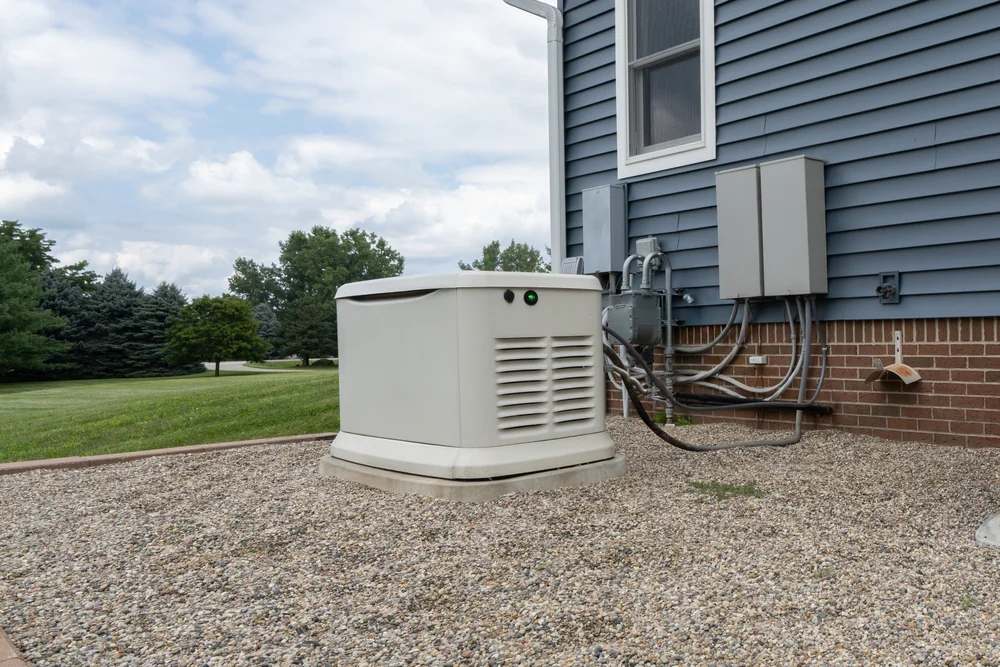
A standby generator sits on a gravel bed beside a blue house with siding in NY. Nearby, a residential electrician Suffolk County has mounted electrical boxes and conduit. Trees and lawn appear in the background under a cloudy sky.
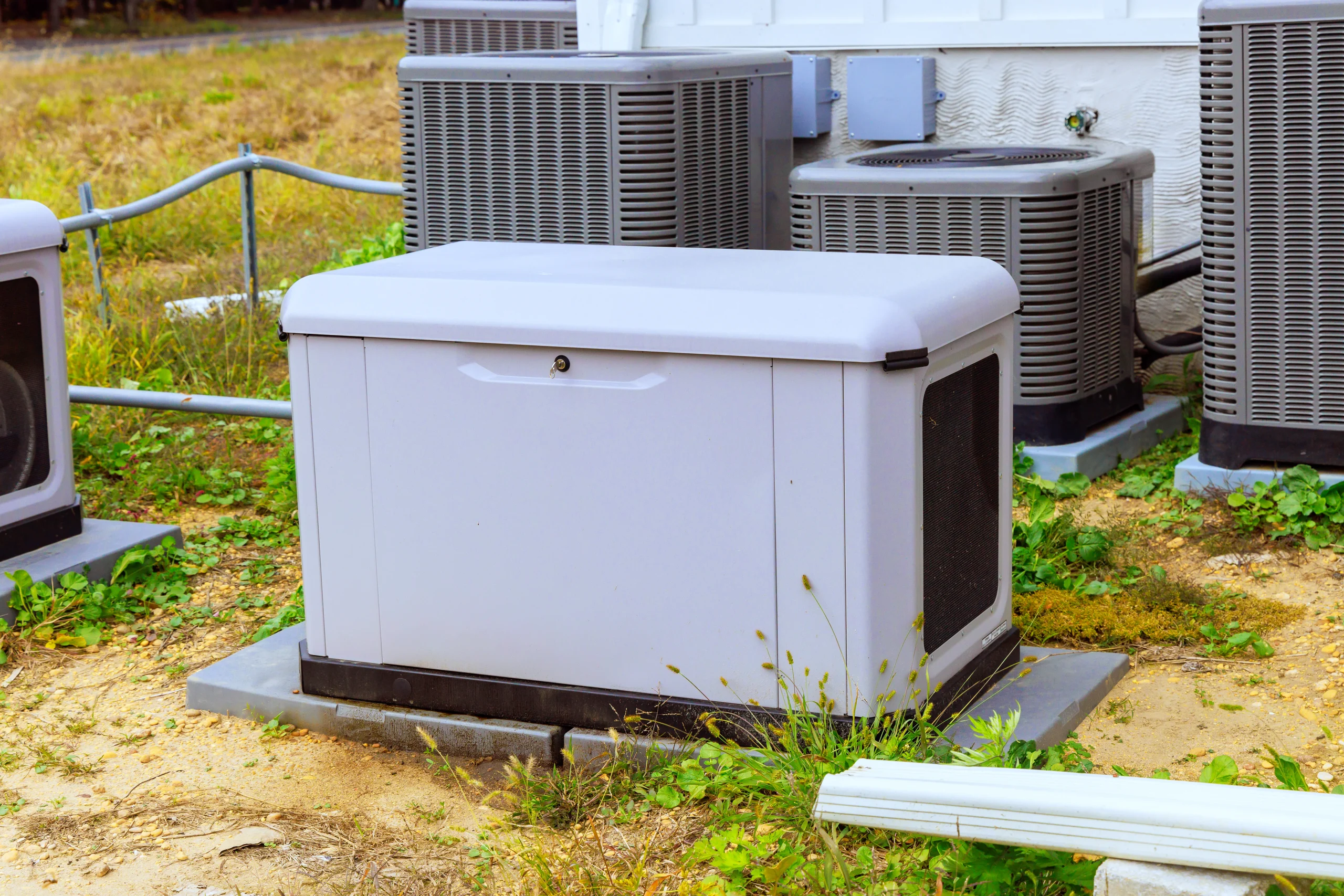
A standby generator sits on a concrete pad near several outdoor air conditioning units, with grass and weeds growing around the area. For installation or service, contact a residential electrician Suffolk County, NY, near this white building.

Whole House Generator Installation Wheatley Heights

What Actually Happens When You Install a Generator

You stop losing $500 worth of food every time a storm rolls through. Your sump pump keeps running even when the power’s out, so your basement doesn’t flood. Your family isn’t stumbling around in the dark with candles, and you’re not scrambling to find a hotel when the outage drags into day two.

A whole house generator installation in Wheatley Heights means your home switches to backup power within seconds of losing grid electricity. Automatically. No running outside in the rain to pull a cord or flip a switch. The system detects the outage, fires up, and keeps your refrigerator, heating, cooling, and critical appliances running like nothing happened.

Suffolk County saw nearly 350,000 homes lose power during recent storms. Trees came down, lines snapped, and families went days without electricity. If you’ve lived through even one of those outages, you already know what it costs in spoiled groceries, missed work, and stress. A home standby generator in Wheatley Heights removes that entire problem from your life.

Licensed Electricians Serving Wheatley Heights Since 2004

We've Been Installing Generators for 20 Years

We’ve been working in Suffolk County since 2004. We’re fully licensed, fully insured, and we’ve installed backup generator systems in Wheatley Heights, Bohemia, and across Long Island for two decades.

You’re not hiring a crew that just started doing this last year. Our electricians know how to size a system correctly, pull the permits, install transfer switches to code, and make sure your Generac whole house generator runs the way it’s supposed to the first time the power drops.

We’ve earned the Angie’s List Super Service Award seven years running because we show up on time, quote the job upfront, and don’t leave until it works. Wheatley Heights homeowners call us because they want the installation done right and they don’t want surprises on the bill.

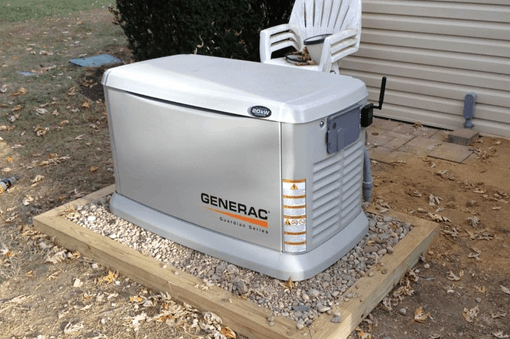
A Generac Guardian Series standby generator, expertly installed by a residential electrician Suffolk County, sits on a gravel platform beside a beige building, with a white plastic chair and scattered leaves nearby.

How We Install Your Standby Generator

Here's What Happens from Estimate to Power-On

First, we come out and give you a free estimate. We look at your electrical panel, figure out what you need to keep running during an outage, and recommend the right size generator. Most whole house generator installations in Wheatley Heights run between 10kW and 20kW depending on your home’s square footage and what you want powered.

Next, we handle the permits and coordinate with your utility company if needed. We install the generator pad, run the gas or propane line, wire the transfer switch into your panel, and connect everything according to New York electrical code. The transfer switch is what makes the system automatic—it senses when grid power drops and tells the generator to kick on.

Once it’s installed, we test the system to make sure it fires up correctly and powers the circuits you selected. Then we walk you through how it works and what basic maintenance looks like. The whole process usually takes one to two days depending on your setup. After that, you’ve got a backup generator installation that runs itself every time the lights go out.

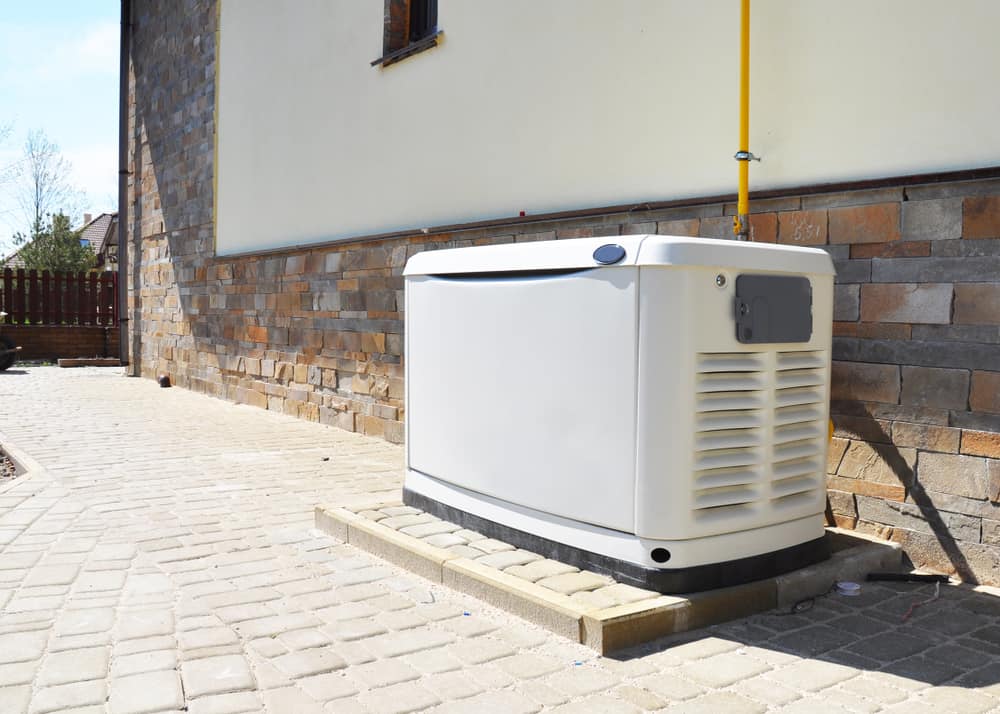
A standby generator is installed on a paved area next to a house with a brick and stone exterior wall; a yellow gas line connects to the unit, professionally set up by a residential electrician Suffolk County, NY.

Explore More Services

About Marra Electric

What's Included in Your Generator Installation

You Get a Complete System, Not Just Equipment

A home standby generator installation in Wheatley Heights includes the generator unit itself, the automatic transfer switch, a concrete or composite pad for the unit to sit on, all electrical wiring and connections, gas or propane line hookup, and permit filing. We don’t hand you a box and wish you luck.

Suffolk County gets hit hard during nor’easters and summer storms. The 2021 flash flood event dumped nearly 10 inches of rain in parts of the county and knocked out power for days. If your sump pump stops working during a storm like that, you’re looking at thousands in water damage. A properly installed whole home generator keeps that pump running and your basement dry.

We also make sure your system qualifies you for homeowner’s insurance discounts. Many insurers in New York recognize backup generators as loss prevention and will lower your premium. That’s not something every installer mentions, but it’s worth asking your agent about once the system’s in.

The equipment itself usually comes with a manufacturer warranty. Generac offers some of the best coverage in the industry, and we’re familiar with their systems because we install them regularly. You’re not experimenting with an off-brand unit that breaks down in year two.

A standby generator sits on a concrete pad next to the exterior wall of a white NY house, near some shrubs and a grassy, partly bare yard with trees in the background.

How much does a whole house generator cost in Wheatley Heights?

Most whole house generator installations in Wheatley Heights run between $8,000 and $15,000 depending on the size of the unit and how complex your electrical setup is. A smaller 10kW system that covers essentials like your fridge, heating, and a few outlets will cost less than a 20kW system that powers your entire home including central air.

Labor typically accounts for $3,000 to $5,000 of that total. The rest is equipment, permits, and materials like the transfer switch and generator pad. If you need a longer propane or gas line run, that can add to the cost.

We give you a free estimate upfront so you know exactly what you’re paying before we start. No surprises, no upselling once we’re halfway through the job. Some companies offer financing starting around $109 a month if you’d rather spread the cost out instead of paying it all at once.

Most installations take one to two days. Day one is usually running the gas line, pouring or setting the pad, and doing the rough electrical work. Day two is mounting the generator, wiring the transfer switch into your panel, and testing the system to make sure everything fires up correctly.

If your home needs a panel upgrade or if we’re waiting on the utility company to approve a gas line connection, it can take a bit longer. We’ll tell you the timeline during the estimate so you’re not left guessing.

Once the system’s installed, it’s ready to go. The generator will run a self-test every week to make sure it’s in working order, but you don’t have to do anything. It just sits there until the power goes out, then it kicks on automatically within 10 to 20 seconds.

It depends on the size of the generator and what you want running. A 10kW to 14kW unit will cover your essentials—refrigerator, freezer, furnace or boiler, sump pump, some lights, and a few outlets. That’s enough to keep your food fresh, your house warm, and your basement dry.

If you want to run central air conditioning, an electric stove, or multiple high-draw appliances at the same time, you’ll need a bigger unit, usually 18kW to 22kW. We size the system based on your actual electrical load, not guesswork.

A whole home generator installation means you pick what gets powered during an outage. We wire the transfer switch to the circuits you care about most. Some people want everything running. Others just want the basics covered. Either way, the system’s designed around what you need, not what the generator can theoretically handle.

Yes. Any permanent electrical installation in New York requires a permit, and a standby generator installation is no exception. The Town of Babylon, which covers Wheatley Heights, requires both an electrical permit and sometimes a building permit depending on the scope of work.

We handle all the permit paperwork as part of the installation. You don’t have to go down to the town office or figure out what forms to fill out. We pull the permits, schedule the inspections, and make sure everything passes code before we consider the job done.

Skipping the permit process might save a few bucks upfront, but it’ll cost you later when you try to sell your home or file an insurance claim. Inspectors look for unpermitted work, and insurers can deny claims if the system wasn’t installed legally. We do it right the first time so you don’t have problems down the road.

Not much. Most Generac whole house generators run a self-test once a week for about 10 minutes. That keeps the engine lubricated and makes sure the system’s ready to go when you actually need it. You’ll hear it kick on, run for a bit, then shut off. That’s normal.

You’ll need to change the oil and air filter once a year or every 200 hours of run time, whichever comes first. If you’re handy, you can do that yourself. If not, we offer maintenance service and can come out annually to handle it.

The other thing to watch is the area around the generator. Keep it clear of leaves, snow, and debris so air can flow through the unit. If a storm’s coming and you know the power might go out, just make sure nothing’s blocking the vents. That’s about it. These systems are built to sit outside and run when needed without constant attention.

Usually within 10 to 20 seconds. The transfer switch senses the loss of grid power, signals the generator to start, and switches your home over to backup power. It’s not instant, but it’s fast enough that your fridge doesn’t warm up and your sump pump doesn’t miss a beat.

You’ll notice the lights flicker when the power drops, then come back on a few seconds later once the generator takes over. Some people don’t even realize the grid went down until they look outside and see their neighbors’ houses are dark.

Once utility power comes back, the transfer switch waits a few minutes to make sure the grid is stable, then switches you back over and shuts the generator down. The whole process is automatic. You don’t flip any switches or go outside in the rain. The system handles it, which is the entire point of a home standby generator installation in Wheatley Heights.

Other Services we provide in Wheatley Heights