Summary:
Flickering Lights That Signal Dangerous Voltage Problems
When your lights flicker every time you start the dishwasher or microwave, your electrical system is telling you it’s struggling. This isn’t the charming ambiance of an old house—it’s a warning sign that demands attention.
Most homeowners dismiss flickering as normal, especially in older homes. But what you’re actually seeing is voltage instability that indicates your circuits are operating beyond their safe capacity. This is particularly common in Suffolk County homes built before 1980, where electrical systems were designed for half of today’s power demands.
The danger extends beyond inconvenience. Voltage fluctuations can damage expensive electronics, reduce appliance lifespan, and create conditions that lead to electrical fires.
When Lights Dim During Appliance Startup
The most telling sign occurs when lights dim every time you run major appliances. Your electrical system is working harder than it should, and this voltage drop exceeding 3% indicates circuits operating beyond safe capacity.
This problem is especially prevalent in Suffolk County homes where modern electrical demands strain systems designed for 1960s-1970s usage levels. When your air conditioner kicks on and the lights dim throughout the house, you’re witnessing your electrical system’s inability to maintain stable power distribution.
Professional electrical testing measures voltage at outlets under various load conditions, identifying circuits that cannot maintain stable 120V supply when appliances operate simultaneously. This testing reveals which circuits require load redistribution or upgrading to prevent equipment damage and electrical failures.
The solution isn’t always a complete electrical overhaul. Sometimes redistributing loads across different circuits can solve the problem. However, many Suffolk County homes need panel upgrades from original 60-100 amp service to modern 150-200 amp capacity to safely handle today’s electrical demands.
Don’t ignore dimming lights as a quirk of an older home. This voltage instability can damage sensitive electronics, reduce the lifespan of appliances by 20-30%, and create dangerous conditions that lead to electrical failures. A professional load calculation can determine whether you need circuit adjustments or a full system upgrade, addressing the issue before frequent dimming turns into a more serious electrical problem.
Loose Connections Behind Flickering Light Patterns
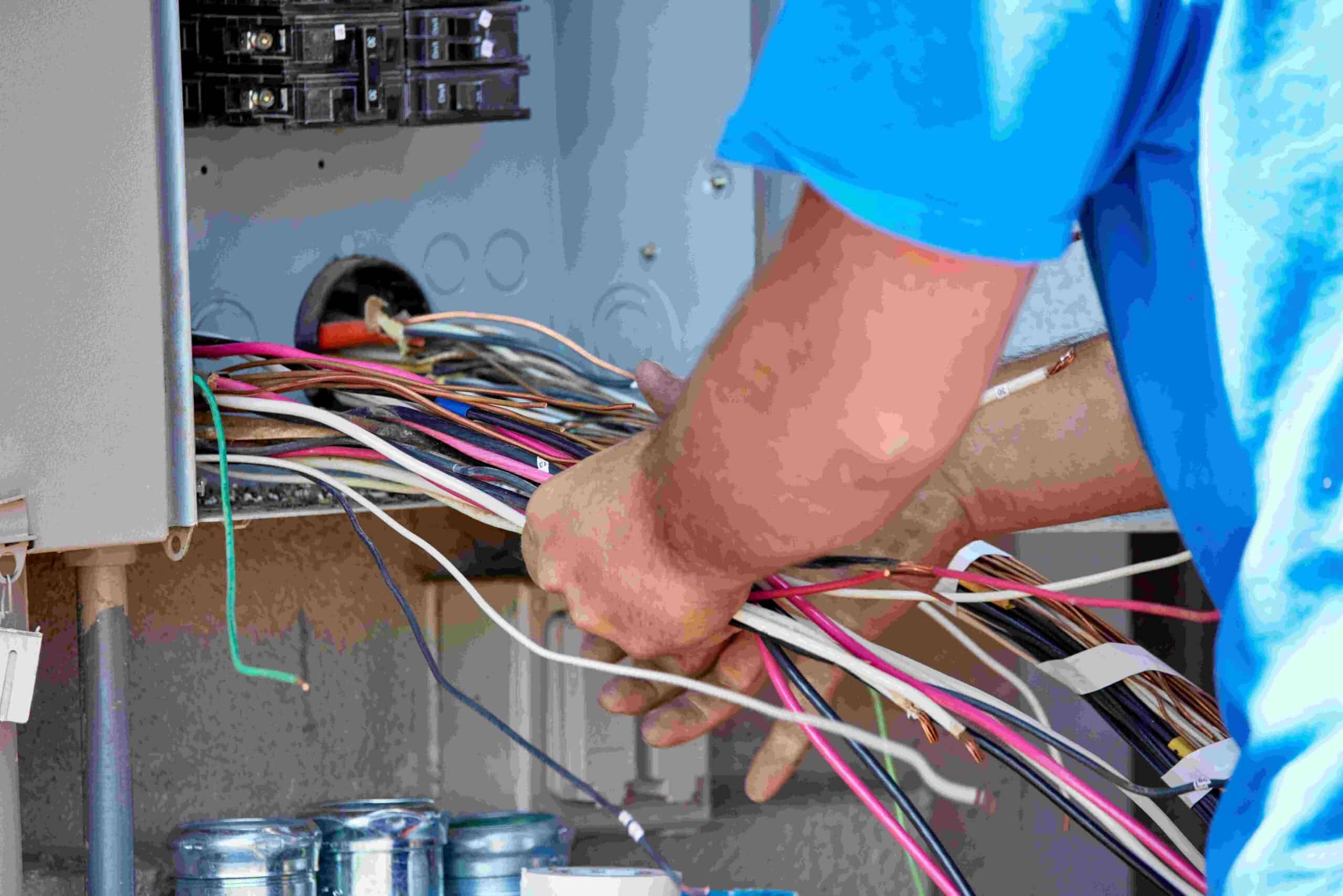
Random flickering throughout your home suggests loose connections in your electrical panel—a dangerous condition that generates heat and can ignite surrounding materials within the panel enclosure. This is different from the voltage drops we discussed earlier and requires immediate professional attention.
Lights that flicker only in specific rooms typically indicate loose wire connections at switches, outlets, or junction boxes. These problems create electrical arcs capable of starting fires within wall cavities where you can’t see the damage until it spreads.
Suffolk County’s coastal environment makes loose connections even more critical because salt air accelerates corrosion on electrical connections. What starts as occasional flickering can escalate into scorched outlets, damaged appliances, or house fires.
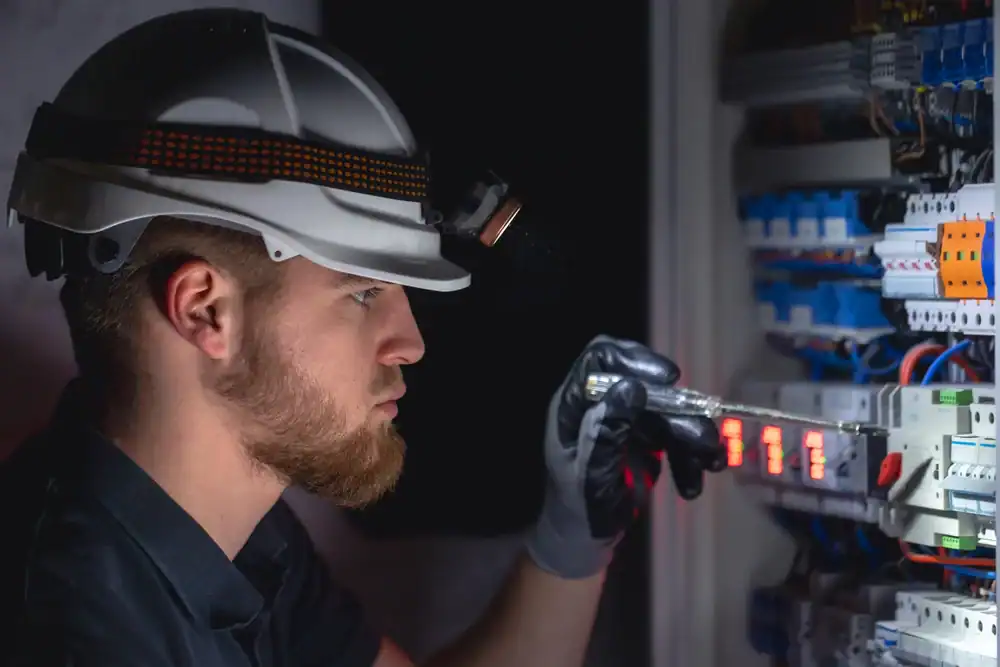
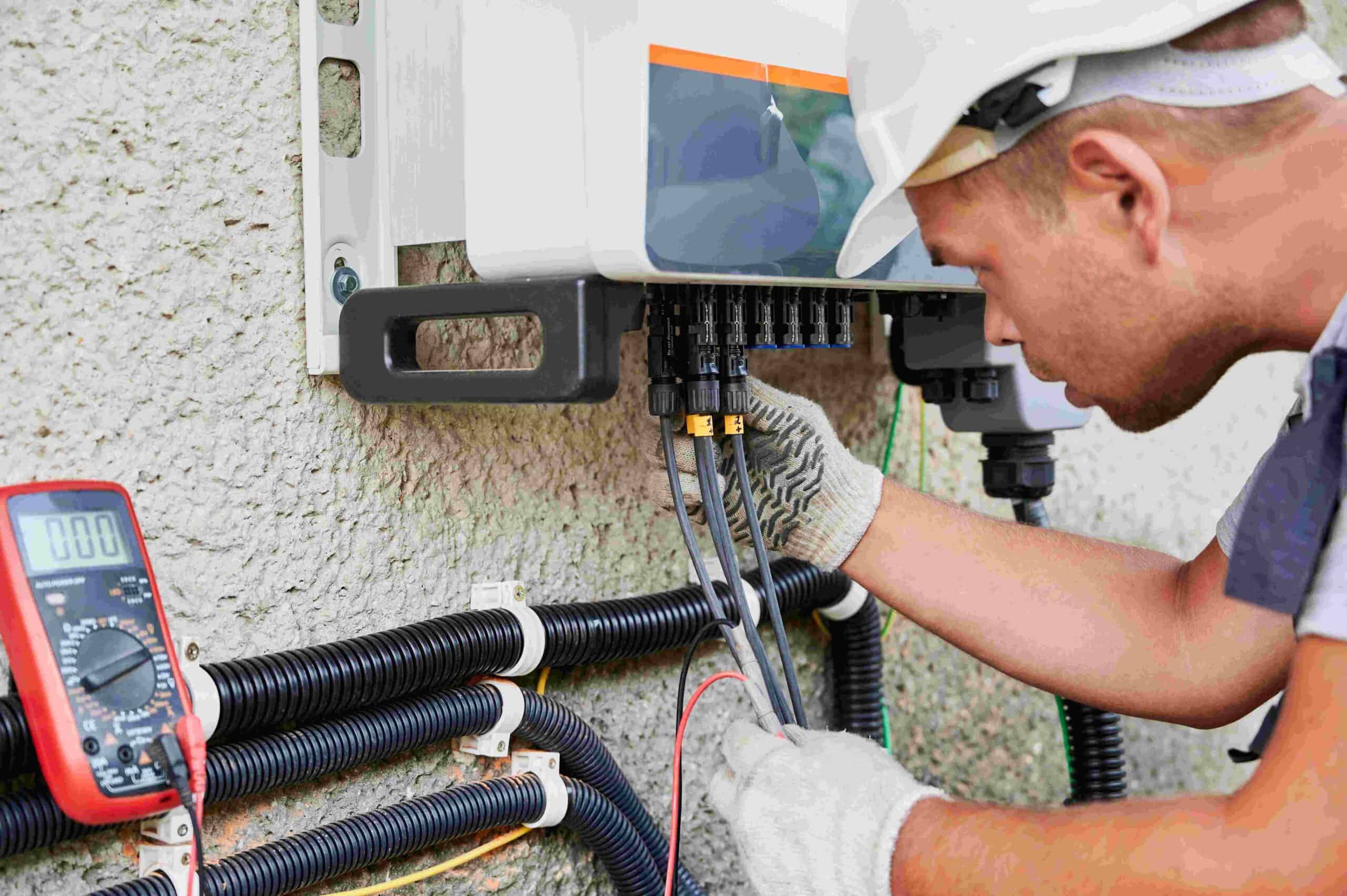
Professional electrical diagnosis uses voltage meters and thermal imaging to identify exact problem locations, measuring voltage stability under load conditions that reveal connection quality invisible to visual inspection alone. This testing can pinpoint whether flickering stems from loose panel connections, degraded branch circuit wiring, or failing electrical devices.
The thermal expansion and contraction cycles common in our climate cause connections to loosen over time. Aluminum wiring, found in many 1960s-1970s Suffolk County homes, expands and contracts differently than copper, creating loose connections that overheat and pose fire risks.
Never ignore consistent flickering, especially when combined with warm outlets or burning smells. These symptoms often indicate serious wiring problems that pose significant safety risks if left unattended. We can safely diagnose and repair loose connections before they become fire hazards.
Warm Outlets and Buzzing Sounds That Warn of Fire Hazards
An outlet that feels warm to the touch isn’t just concerning—it’s your electrical system’s way of screaming for help. Heat generation in electrical components almost always indicates dangerous conditions that can lead to fires.
When electrical current flows through loose connections, it creates resistance. Resistance generates heat, and that heat can melt insulation, damage outlets, or ignite nearby materials. This is especially dangerous because the heat builds up inside your walls where you can’t see the damage.
Buzzing or humming sounds from outlets, switches, or walls indicate electrical arcing or loose connections that vibrate under electrical load. These sounds should never be ignored, as they often precede electrical fires.

Understanding Why Outlets Feel Warm to Touch
Most of the time, an electrical outlet that feels warm indicates loose wires somewhere inside the outlet. This is especially common in homes with old, outdated wiring where connections have loosened over decades of thermal expansion and contraction.
When wires aren’t securely connected, they create electrical resistance. Every time electricity flows through a loose connection, it generates heat. This heat can melt wire insulation, damage outlets, scorch surrounding materials, or ignite nearby combustible materials within your walls.
Some devices with transformers, like laptop chargers, can cause outlets to feel slightly warm during use. However, if an outlet remains warm after unplugging devices, or if it feels hot to the touch, you’re dealing with a dangerous wiring problem that requires immediate professional attention.
Suffolk County’s coastal environment accelerates this problem because salt air causes corrosion on electrical connections, making them more likely to loosen and overheat. The high humidity can also affect electrical components, creating additional resistance and heat generation.
Outlets installed incorrectly pose another serious risk. Reversed polarity, where hot and neutral wires are flipped, can create dangerous conditions that result in warm outlets, electrical shock risks, and fire hazards. This is a serious problem that can result in electrocution or house fires.
We use thermal imaging cameras to detect hot spots in electrical systems before they become visible problems. This technology can identify overheating connections, overloaded circuits, and failing electrical components that pose fire risks, allowing for repairs before dangerous conditions develop.
Decoding Electrical Buzzing Sounds in Your Walls
A buzzing sound coming from your walls, outlets, or electrical panel is never normal and always indicates a problem that needs professional attention. These sounds typically point to loose wiring, overloaded circuits, or faulty electrical devices—all conditions that can escalate quickly if left untreated.
Loose wiring at outlets or switches ranks among the most common reasons for buzzing noises in walls. Over time, electrical connections can become loose due to thermal expansion, vibration, or simple aging. When electricity flows through these loose connections, the wires vibrate, creating the buzzing sound you hear.
The danger lies in what happens next. Loose connections create resistance, which generates heat. This heat can melt wire insulation, damage electrical components, or ignite surrounding materials. In worst-case scenarios, loose connections allow electricity to arc between gaps, producing sparks that can easily ignite drywall, wood framing, or insulation behind your walls.
Buzzing from your electrical panel often indicates more serious problems. Panel connections that have loosened over time can create dangerous arcing conditions. Federal Pacific and Zinsco panels, commonly installed in Suffolk County homes during the 1960s-1980s, are particularly prone to connection problems that create buzzing sounds and fire hazards.
Circuit overloads can also cause buzzing sounds as electrical systems strain to handle more power than they were designed for. This is particularly common in Suffolk County homes where modern electrical demands exceed the capacity of aging electrical systems.
We have specialized tools to safely diagnose buzzing sounds without creating additional hazards. We can determine whether the problem stems from loose connections, overloaded circuits, failing electrical devices, or panel problems that require immediate attention to prevent electrical fires.
Protecting Your Suffolk County Home from Electrical System Failures
Your home’s electrical system communicates through warning signs long before catastrophic failures occur. Flickering lights, warm outlets, and buzzing sounds aren’t minor inconveniences—they’re urgent messages that your electrical system needs professional attention.
In Suffolk County, where coastal conditions and aging infrastructure create unique challenges, these warning signs demand immediate response. The difference between a $150 diagnostic visit and an $800 emergency repair often comes down to recognizing problems early and taking action before they escalate.
Don’t wait for electrical problems to disrupt your family’s safety and comfort. When you notice these warning signs in your Suffolk County home, contact us for professional diagnosis and reliable solutions that protect your investment and your family’s well-being.