Summary:
Why Homeowners Are Upgrading Their Electrical Systems
The average Suffolk County home wasn’t built for how we live today. Most electrical panels installed before 2000 run on 100 to 150 amps. That was enough when households had a refrigerator, a TV, and maybe a window AC unit. Now you’re charging phones, running multiple computers, powering smart home devices, and keeping the HVAC system running year-round.
Add an electric vehicle to the mix, and you’re asking your electrical system to do something it was never designed to handle. That’s why panel upgrades, surge protection, and dedicated circuits have become some of the most requested services in residential electrical work. Homeowners aren’t just reacting to problems anymore. They’re planning ahead, protecting their investments, and making sure their homes can support the technology they already own and the upgrades they’re considering down the road.
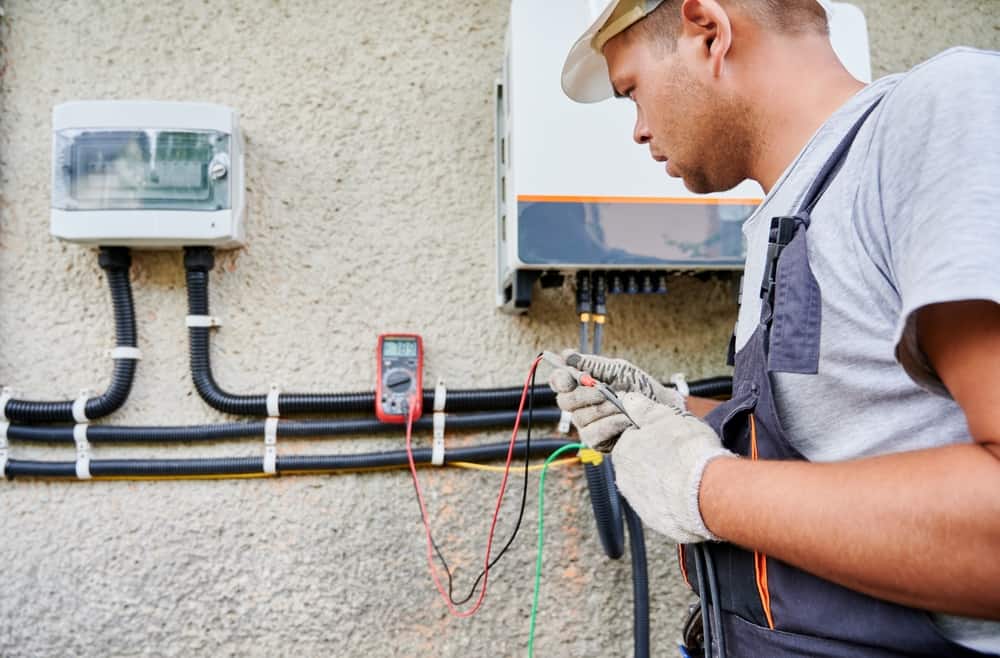
Electrical Panel Upgrades for Modern Power Demands
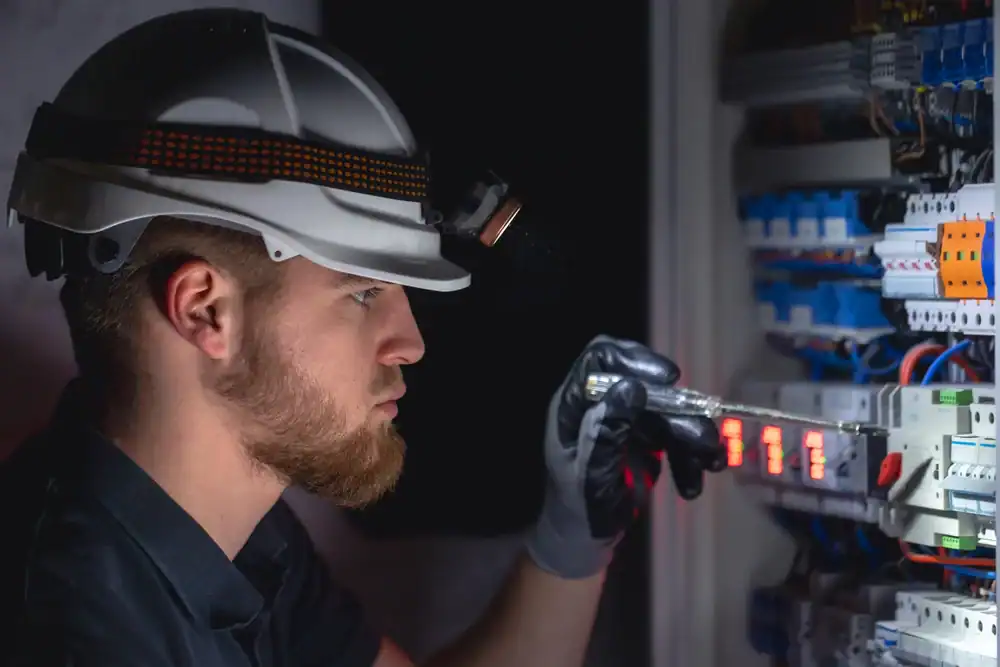
If your home still has a 100-amp or 150-amp panel, you’re working with a system that’s maxed out or close to it. Modern homes typically need 200 amps to comfortably handle everyday electrical loads without constantly tripping breakers or risking overheating. An electrical panel upgrade doesn’t just give you more capacity. It gives you room to grow.
When you upgrade your panel, you’re replacing outdated circuit breakers with modern ones that respond faster and more reliably. You’re adding circuits so you’re not overloading the ones you have. And you’re bringing your home up to current electrical safety codes, which matters if you ever plan to sell or refinance. Older panels, especially certain brands known for safety issues, can be a red flag during home inspections and may even affect your homeowner’s insurance rates.
The cost typically falls between one and three thousand dollars depending on the scope of work, but the return is immediate. No more flickering lights when someone turns on the microwave. No more choosing between running the dryer or charging your laptop. And if you’re planning to install an EV charger, a heat pump, or a home generator, a panel upgrade is often the first step that makes everything else possible.
Beyond convenience, there’s the safety factor. Faulty or overloaded electrical systems are responsible for thousands of residential fires every year. Upgrading your panel reduces that risk significantly by ensuring your circuits can handle the load and your breakers actually trip when they’re supposed to. It’s not the most exciting home improvement project, but it’s one of the most important.
Whole-Home Surge Protection to Safeguard Electronics
Power surges don’t just happen during lightning storms. They happen when your HVAC system cycles on and off. When the utility company switches grids. When a transformer down the street fails. Most surges are small and go unnoticed, but they add up over time, slowly degrading the circuits inside your electronics and appliances. Eventually, your smart fridge stops being so smart, your TV won’t turn on, or your home office equipment just dies without warning.
Whole-home surge protection is installed directly at your electrical panel and acts as a gatekeeper for your entire electrical system. When a surge comes through the line, the device diverts that excess voltage safely to the ground before it ever reaches your outlets. It’s a layer of protection that power strips can’t match, especially for hardwired appliances like your HVAC system, dishwasher, and garage door opener.
The cost to install whole-home surge protection typically ranges from three hundred to eight hundred dollars, which is a fraction of what you’d pay to replace a fried refrigerator, computer, or home entertainment system. And with more homes relying on expensive smart devices, the value of surge protection has never been higher. Some insurance companies even offer discounts for homes with whole-home surge protectors installed, recognizing the reduced risk of claims.
Suffolk County homeowners are adding surge protection during panel upgrades or as a standalone improvement. Either way, it’s one of those upgrades you hope you never need but are incredibly glad to have when a storm rolls through or the grid hiccups. It’s not flashy, but it protects everything you’ve invested in, from your kitchen appliances to your home office setup.
Smart Home Electrical Upgrades Homeowners Are Choosing
Smart home technology isn’t a luxury anymore. It’s become standard in how people manage their homes. From smart thermostats that learn your schedule to lighting systems you can control from your phone, these upgrades offer real convenience and energy savings. But they also require an electrical system that can support them properly.
Installing smart lighting, outlets, and switches isn’t just about convenience. It’s about control. You can schedule lights to turn off when you leave, monitor energy usage in real time, and automate routines that make your home more efficient. The challenge is making sure your wiring and circuits can handle these devices without overloading or creating safety issues. That’s where working with a licensed electrician makes the difference between a smooth installation and a frustrating one.
Smart Lighting Systems and Automated Controls
Smart lighting has come a long way from simple timers. Modern systems let you adjust brightness, change color temperature, and create lighting scenes for different times of day or activities. You can turn off every light in your house from your phone, set schedules so lights turn on before you get home, or integrate with voice assistants for hands-free control.
The electrical work behind smart lighting varies depending on what you’re installing. Some systems work with existing wiring and just require replacing switches or bulbs. Others need dedicated circuits or updated wiring to handle the load and ensure reliable performance. If you’re upgrading multiple rooms or integrating a whole-home system, having an electrician assess your current setup first saves headaches later.
Energy savings are another reason homeowners are making the switch. Smart lighting uses LED technology, which is already more efficient than traditional bulbs, and adds the ability to dim lights or turn them off automatically when rooms aren’t in use. Over time, that adds up to lower energy bills and fewer bulbs to replace. It’s a practical upgrade that also happens to make your home feel more modern and responsive.
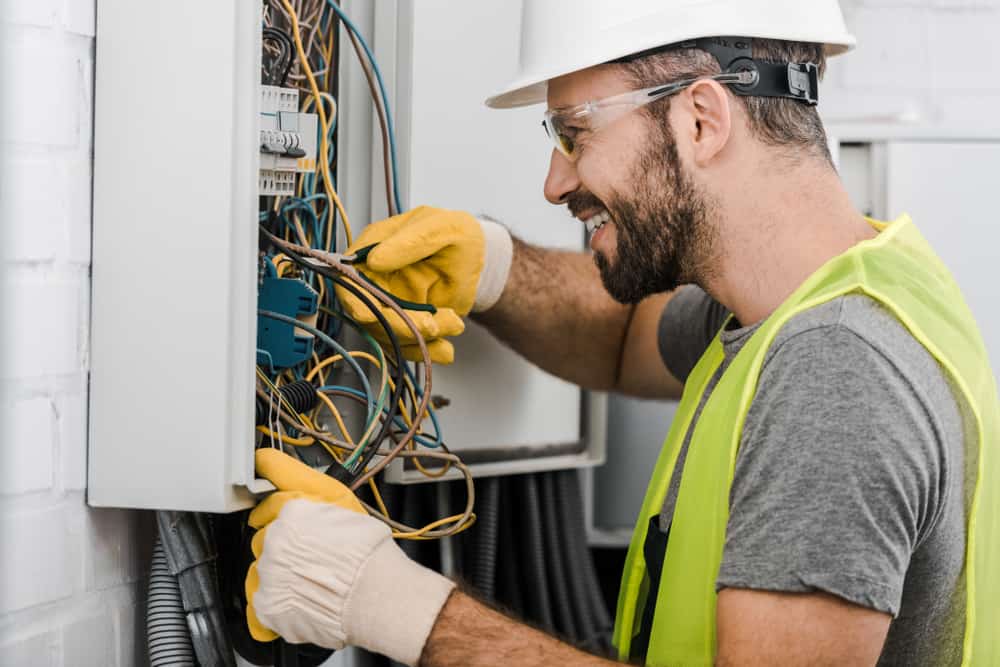
Installation typically involves replacing existing switches with smart switches, adding compatible outlets where needed, and making sure everything connects properly to your home network. A licensed electrician ensures the wiring is up to code, the load is balanced across circuits, and the system works reliably from day one. It’s not a DIY project if you want it done safely and correctly.
EV Charger Installation for Electric Vehicle Owners
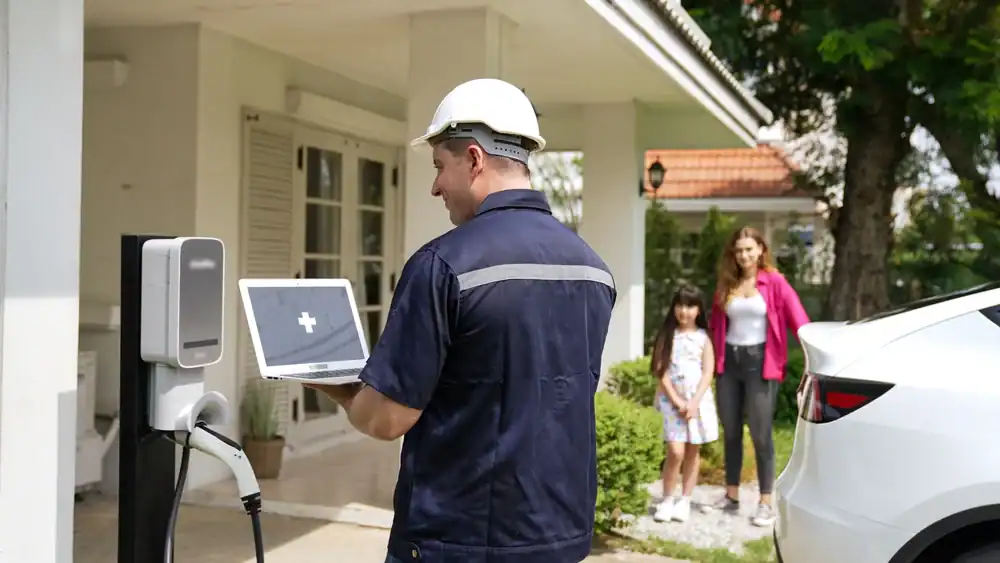
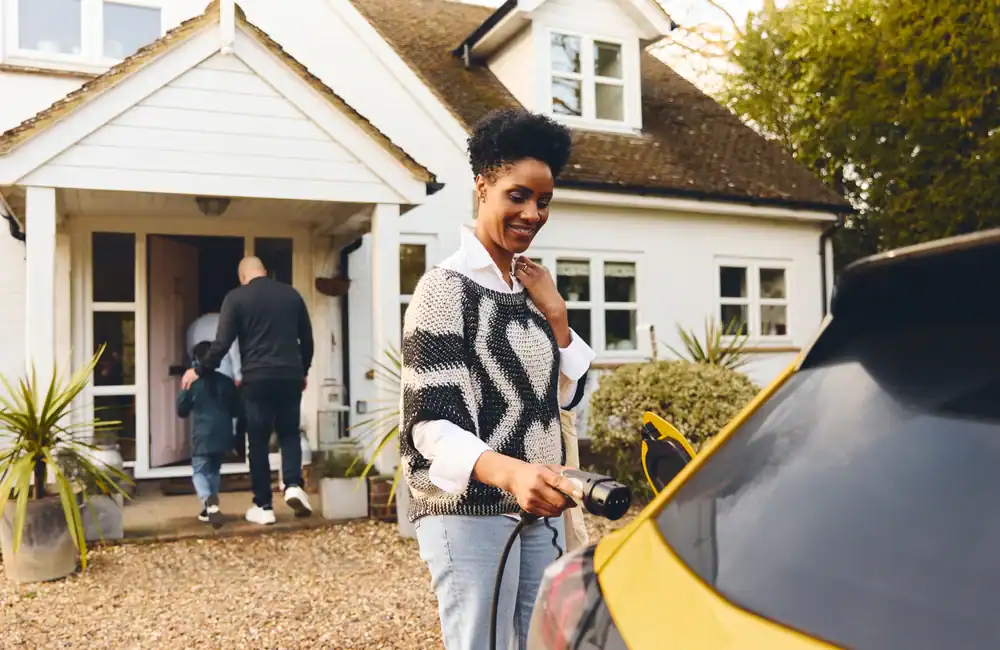
Electric vehicles are becoming more common across Suffolk County, and homeowners are installing Level 2 chargers to make charging at home faster and more convenient. A standard 120-volt outlet can take over twenty hours to fully charge an EV. A Level 2 charger, which runs on 240 volts, can do it in four to eight hours depending on your vehicle and charger capacity.
Installing an EV charger isn’t as simple as plugging it into an existing outlet. It requires a dedicated 240-volt circuit, proper wiring, and in many cases, a panel upgrade to handle the additional load. Most Level 2 chargers draw between thirty and fifty amps continuously, which is a significant draw on your electrical system. If your panel is already near capacity, adding an EV charger without upgrading first can lead to tripped breakers and potential safety issues.
The installation process starts with a load calculation to determine if your current panel can support the charger. If not, a panel upgrade is usually the first step. From there, we run the necessary wiring from your panel to the charger location, typically in your garage or driveway, install the charging unit, and ensure everything meets local electrical codes. The whole process usually takes a day, depending on the complexity of the installation.
Homeowners are also thinking ahead. Even if you don’t own an EV yet, installing the wiring and circuit during a renovation or panel upgrade is easier and less expensive than adding it later. It’s a way to future-proof your home and potentially increase its value, especially as more buyers look for homes with EV charging capability already in place. It’s practical, forward-thinking, and increasingly common in residential electrical work.
Choosing the Right Electrical Upgrades for Your Home
Electrical upgrades aren’t one-size-fits-all. What makes sense for your home depends on how old your system is, what you’re using it for, and what you’re planning down the road. Panel upgrades give you the capacity to handle modern demands. Surge protection keeps your electronics safe. Smart lighting and EV chargers add convenience and functionality. The common thread is that all of these upgrades make your home safer, more efficient, and better equipped for how you actually live.
If you’re in Suffolk County and your electrical system isn’t keeping up, you’re not stuck with constant breaker trips and outdated wiring. You have options, and working with a professional electrical contractor who understands residential electrical services means you get upgrades done right the first time. We’ve been helping homeowners across Suffolk County with panel upgrades, surge protection, smart home installations, and EV charger setups since 2004, with transparent pricing and a commitment to quality work you can count on.