Summary:
Step 1: Electrical Load Calculation and Panel Assessment
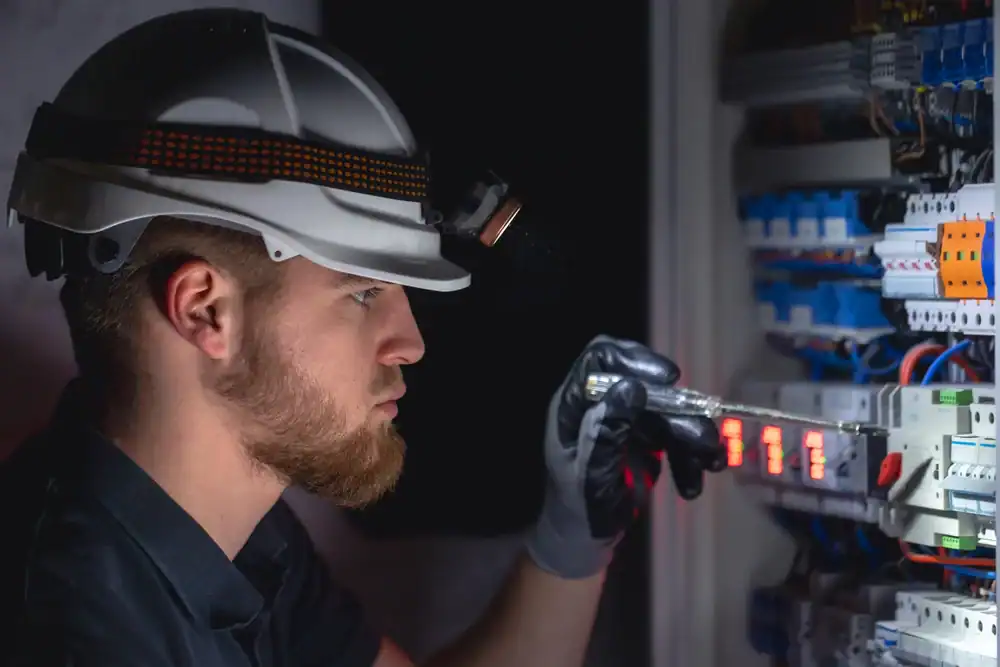
Before any installation begins, we inspect your electrical panel and calculate the current electrical load in your home. Your electric vehicle will require additional power, and ensuring your current setup can handle it is critical for safety.
Level 2 chargers typically draw 30-50 amps continuously, which is substantial compared to most household circuits that use 15-20 amps intermittently. We calculate your home’s total electrical load to ensure safe operation. This isn’t guesswork—it’s a precise calculation following National Electric Code requirements.
Your electrical panel’s capacity and available space determine everything that follows. If you have a modern 200-amp panel with room for additional circuits, you’re in good shape. Older 100-amp panels that are already loaded with circuits can mean higher costs ahead.

When Your Electrical Panel Needs an Upgrade
Many Suffolk County homes have older electrical systems that struggle with modern demands. Add central air conditioning, electric water heating, modern appliances, and an EV charger, and you’re pushing that 100-amp service to its limits. Panel upgrades to 200-amp service typically cost $2,000 to $3,500 in Suffolk County, including permits and utility coordination.
While this adds significantly to your EV charging project cost, it’s actually valuable home infrastructure that supports all your electrical needs, not just vehicle charging. The upgrade process requires coordination with PSEG Long Island for temporary power disconnection, usually lasting 4-6 hours. We handle all utility scheduling and ensure minimal disruption to your daily routine.
Don’t view a panel upgrade as an unwelcome expense. It’s often necessary infrastructure improvement that increases your home’s electrical capacity and safety. Modern panels also provide space for future electrical additions, making your home more adaptable and valuable.
The load calculation process takes into account your home’s square footage, existing appliances, HVAC systems, and planned EV charger requirements. A residential Level 2 charging station usually increases a home’s load by around 7,200 watts (7.2 kilowatts) or 30 amps. The actual load will vary depending on the EV model, charging equipment, and hours in use.
Understanding Circuit Requirements for Level 2 Chargers
Once the ideal location has been determined, we run an independent 40-60 amp circuit to the charger, sufficient to power 240-volt EV chargers. This dedicated circuit ensures your charger operates safely without affecting other household electrical systems.
The circuit sizing follows specific electrical code requirements. A 40-amp charger requires a 50-amp circuit breaker following the 80 percent rule. The National Electric Code requires that continuous loads like EV charging shall not exceed 80 percent of the rating of a circuit breaker. This safety margin prevents overheating and potential fire hazards.
Distance matters more than most people realize. Installing your charging station in an attached garage near your electrical panel keeps costs reasonable. Longer wire runs to detached garages or distant locations increase both material and labor costs significantly.
The wire gauge and conduit requirements depend on the amperage and distance of the installation. We calculate these requirements precisely, ensuring code compliance and optimal performance. Estimating your electrical load requires experience and knowledge, and hiring us as licensed electricians with the necessary training and skills to do the calculations accurately and efficiently and safely install your Level 2 EV charger is the best way to protect your family.
Steps 2-3: PSEG Long Island Rebate Application and Permit Process
Qualified PSEG Long Island customers can receive a $200 rebate off a qualified ENERGY STAR® Certified Level 2 EV charger. Customers located in Disadvantaged Communities (DAC) and on the Household Assistance Program can receive an additional $100 – totaling $300 in rebates.
If you’re installing a Level 2 home EV charger, you’ll almost always need an electrical permit. This applies to most towns and villages in Nassau and Suffolk County. The permitting process ensures your installation meets local electrical codes and safety standards.

Maximizing PSEG Long Island Rebates and Incentives
The easiest way to apply is to purchase a Level 2 charger from the PSEG Long Island Online Marketplace and receive an instant rebate. No documents are required for this method. Alternatively, you can purchase from other retailers and submit documentation for reimbursement.
Only ENERGY STAR Level 2 chargers are eligible for this rebate. For a full list, visit the ENERGY STAR website’s certified EVSE section. This requirement ensures you’re installing efficient, high-quality equipment that meets strict performance standards.
Beyond the equipment rebate, PSEG Long Island’s Time-of-Day Rate can help EV owners save when charging during off-peak periods. Rate 195 provides a 40% discount compared to the traditional Flat Rate. This means significant ongoing savings on your electricity bill when you charge overnight or during off-peak hours.
You can also receive a federal tax credit of 30% of the cost of purchasing and installing an EV charging station, up to $1,000 for residential installations. Combined with PSEG rebates, these incentives can substantially reduce your total project cost.
Suffolk County Permit Requirements and Timeline
For nearly any Level 2 charger installation, an electrical permit is required. This is not red tape; it’s a crucial safety validation. A project in Suffolk County will go through the local town’s building department. Each municipality has specific requirements and processing times.
Permits and inspections in Suffolk County add roughly $150 to $300 to your project cost. While this seems like an additional expense, permits ensure your installation meets all safety codes and protects your home insurance coverage.
Most towns on Long Island do not allow homeowners to perform electrical work unless they are licensed electricians. Your installer must be properly licensed and registered with the local municipality. This requirement protects homeowners from unsafe installations and ensures code compliance.
The permit process typically takes 1-2 weeks for approval, depending on the municipality and time of year. We often have established relationships with local building departments, which can streamline the approval process. Working with your local permitting office can actually streamline your installation process. Municipalities often have established relationships with certified electricians, inspectors, and utility providers, which can help improve project timelines and overall efficiency.
We handle all permit applications, ensuring proper documentation and code compliance. This removes the burden from homeowners and reduces the risk of delays or rejections due to incomplete paperwork.
Steps 4-5: Professional Installation and Final Inspection
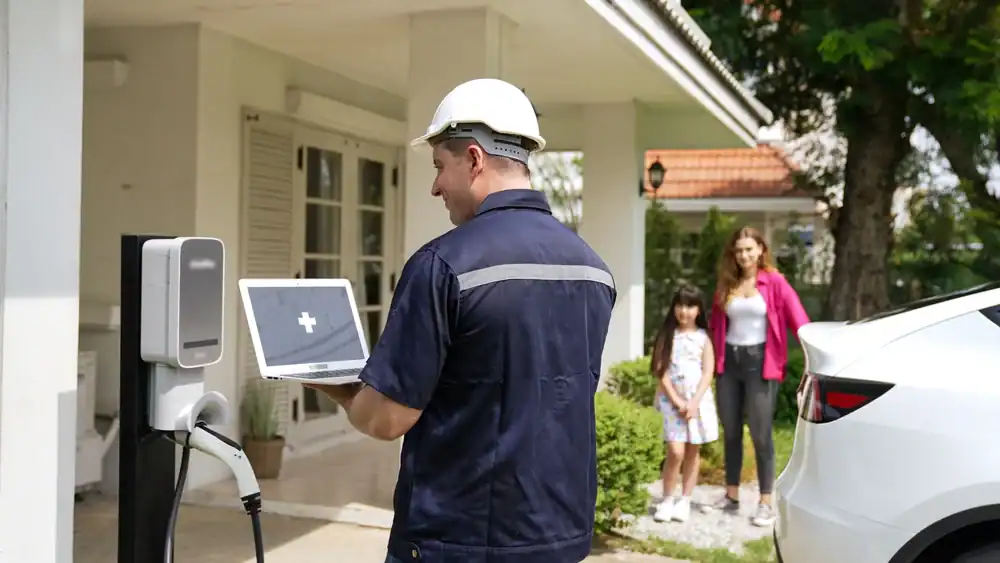
We install your EV charger with precision and care, ensuring it meets all safety standards and local codes. The installation typically takes 3-4 hours for straightforward setups, though complex installations may require a full day.
Our professional installation includes permit handling and adherence to local codes, ensuring a safe and compliant installation. Full testing and setup guarantee your charger is ready for use before the job is finished. The final step involves municipal inspection to verify code compliance and safety.
We inform you about the project cost before it begins, ensuring there are never any surprises. This transparency reflects our honest company approach that has earned customer trust over time. When you choose us for your Suffolk County EV charger installation, you’re working with professionals who understand both the technical requirements and local regulations that ensure your charging station operates safely and efficiently for years to come.