Summary:
What Are New York's Right to Charge Laws for Condos and Apartments?
New York’s Right to Charge legislation prevents condo associations and HOAs from outright prohibiting EV charger installations. The amendment prohibits boards from outright prohibiting, or imposing unreasonable restrictions on, the installation or use of EV charging stations on a unit owner’s own property or deeded parking space, or in a space in a common element that is specifically assigned to or designated for a particular owner.
This doesn’t mean you have to pay for installations. The amendment stipulates that the owner, including any successive owner, is responsible for all installation costs, fees, insurance, maintenance, and costs of utilities for the charging station. But it does mean you can’t simply say no without reasonable justification.
The law also includes penalties for non-compliance. New York legislation features a civil penalty for condominium associations that do not comply with the right-to-charge laws. In actions to enforce compliance, New York will cover the attorney fees and costs of the prevailing party for home and condominium owners.

How Do Right to Charge Laws Apply to Shared Parking Areas?
Shared parking areas present unique challenges under Right to Charge laws. The legislation primarily covers assigned parking spaces, but many Suffolk County apartment buildings and condos have shared garage spaces without assigned spots.
An association may install an EV charger in the common area for the use of all condominium owners. If a parking space does not exist, a condominium association may create a parking space to facilitate the installation of an electric vehicle charging station. This gives you flexibility in how you approach the requirement.
For shared spaces, you have several options. You can install community charging stations that multiple residents can use on a first-come, first-served basis. You can also designate certain spaces specifically for EV charging and assign them to residents who request charging access.
The legislation provides that if an application to install a charger for a home or condominium owner is not denied in writing within 60 days of the receipt, the application will automatically be deemed approved. This means you need to respond promptly to any resident requests and document your decision-making process.
The key is having a clear policy in place before requests come in. This policy should outline your process for evaluating requests, determining locations for charging infrastructure, and managing costs. Without a clear framework, you risk inconsistent decisions that could lead to legal challenges.
What About Buildings That Don't Have Assigned Parking Spaces?
Many older Suffolk County apartment buildings and condos have shared parking without assigned spaces. This creates complications under Right to Charge laws, but it doesn’t exempt you from providing solutions.
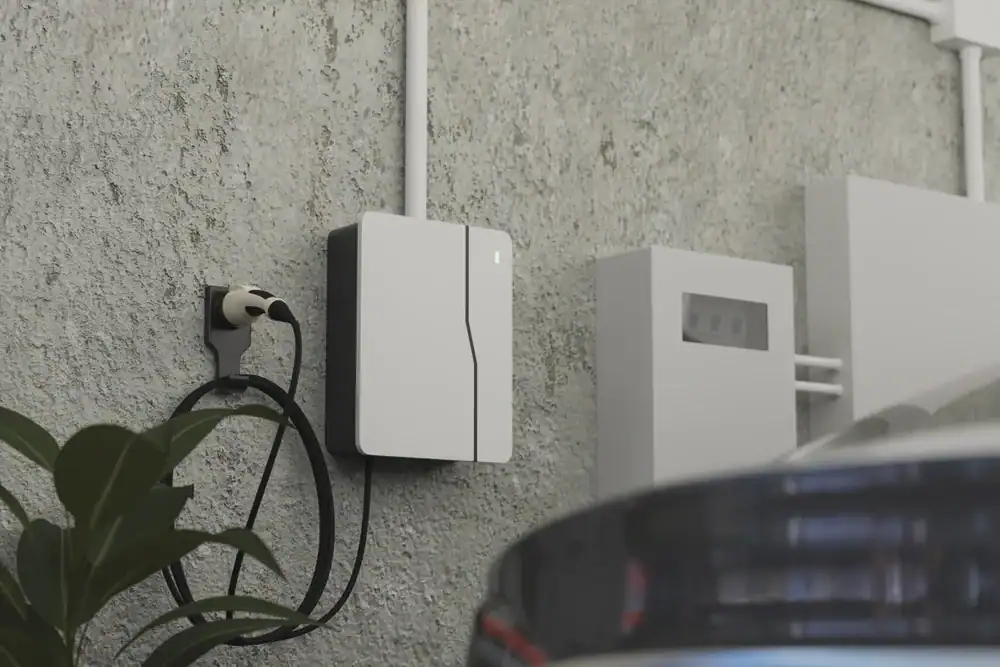
Secure relevant common space for charging if unit-designated parking is unavailable. You’ll need to identify areas where charging stations can be installed for resident use. This might mean converting some general parking spaces to EV-only spaces or finding other suitable locations.
The good news is that while construction and installation costs for EV chargers can be quite high, NYSERDA and Con Edison offer incentive programs for multifamily residential buildings in New York City to help offset the initial investment. In some cases, the incentives will cover 100% of project costs.
Community charging solutions often work well for buildings without assigned parking. You can install a bank of chargers in a central location and manage access through a reservation system or time limits. This approach spreads costs across multiple users and maximizes utilization.
Consider working with residents to gauge demand before making installations. Make sure to survey other residents in your building and see their standpoint regarding EV chargers. It is easier to get your HOA to approve an EV charging spot when several families show interest. This helps justify the investment and ensures you’re installing the right number of charging points.
Load management systems can help prevent electrical overload when multiple vehicles charge simultaneously. These systems automatically adjust charging speeds based on available electrical capacity, preventing main service overload while still providing adequate charging for all users.
How Can You Avoid Overloading Your Building's Main Electrical Service?
The biggest concern most property managers have about EV charging is overloading their building’s electrical system. This is a legitimate worry—EV chargers can draw significant power, especially when multiple vehicles charge simultaneously.
Load management is the key to preventing electrical overload. Modern EV charging systems can automatically adjust power delivery based on your building’s available electrical capacity. When demand is high, the system reduces charging speed to prevent overload. When demand is low, vehicles charge at full speed.
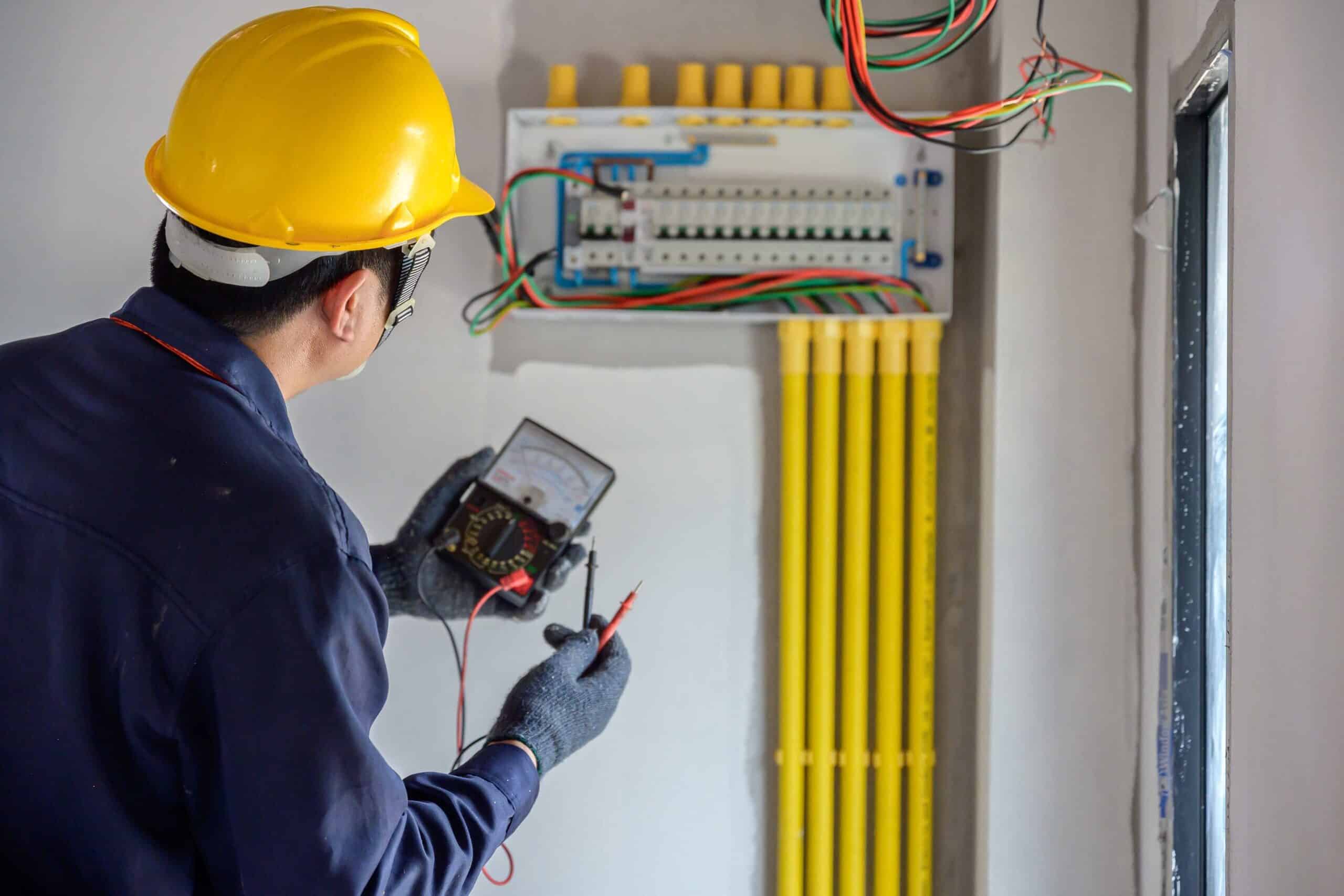
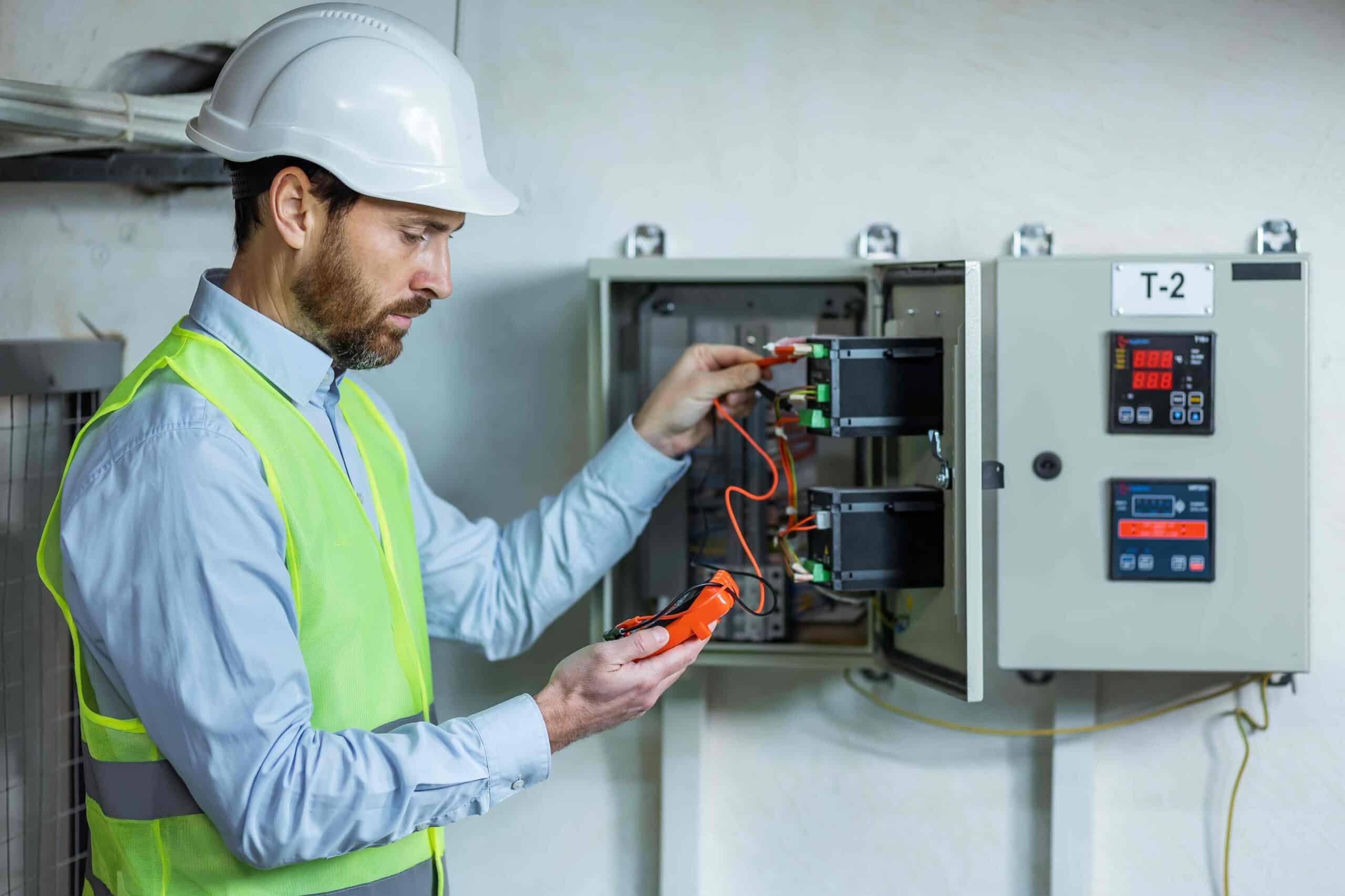
Professional electrical assessment is crucial before any installation. A qualified electrician needs to evaluate your current electrical load, panel capacity, and distribution system to determine how much additional capacity you have for EV charging.

What Is Load Management and How Does It Work?
Load management systems monitor your building’s electrical usage in real-time and automatically adjust EV charging to prevent overload. Think of it as a smart traffic controller for electricity—it ensures everyone gets power without causing problems.
These systems work by continuously monitoring the electrical load on your main service. When usage approaches capacity limits, the system automatically reduces power to EV chargers. This happens seamlessly without interrupting charging completely. Vehicles just charge more slowly during peak usage periods.
The beauty of load management is that it allows you to install more charging stations than your electrical capacity would normally allow. Instead of limiting yourself to just a few chargers, you can install enough to meet resident demand while the system manages power distribution automatically.
Most load management systems also include scheduling features. Residents can set preferences for when they want their vehicles charged, and the system optimizes charging times to avoid peak electrical usage periods. This reduces stress on your electrical system and can lower electricity costs.
Smart load management can also integrate with utility demand response programs. Charging your vehicle at off-peak times reduces stress on the energy grid, which helps ensure more reliable service to everyone. Some utility programs even provide incentives for participating in demand response, creating additional cost savings for your building.
Installation of load management systems requires professional electrical work to ensure proper integration with your building’s electrical infrastructure. The system needs to monitor your main electrical feed and communicate with all connected EV chargers to coordinate power distribution effectively.
When Do You Need Electrical Panel Upgrades for EV Charging?
Not every building needs electrical panel upgrades for EV charging, but many older Suffolk County properties do. The decision depends on your current electrical capacity, the number of charging stations you want to install, and how you plan to manage electrical load.
Buildings constructed before the 1990s often have electrical systems designed for lower power demands. Modern appliances, electronics, and now EV chargers require more electrical capacity than these older systems were designed to handle. A professional electrical assessment can determine whether your system can support additional load.
Panel upgrades might be necessary if your building’s electrical service is already operating near capacity. Signs of an overloaded electrical system include frequent circuit breaker trips, dimming lights when large appliances start, and electrical panels that feel warm to the touch. These indicate your system is already stressed and can’t handle additional load from EV chargers.
If we discover that your panel cannot handle the additional load that charging an EV would add, we will upgrade your electric panel up to the required capacity. The good news is that panel upgrades often improve your building’s overall electrical reliability and safety, not just EV charging capability.
The cost of electrical upgrades varies significantly based on your building’s current infrastructure and the scope of work required. Simple panel upgrades might cost a few thousand dollars, while completeelectrical service upgrades can cost much more. However, utility incentive programs often help offset these costs for multifamily properties.
Consider the long-term benefits when evaluating upgrade costs. Owners of buildings with 10 or more parking spots will be required to provide EV chargers for tenants by 2035 at the latest. Upgrading your electrical infrastructure now positions your building for future requirements and resident expectations.
Working with experienced electrical contractors ensures upgrades are done correctly and efficiently. We can help you understand your options, navigate permit requirements, and coordinate with utility companies for any necessary service changes. Proper planning and professional installation prevent costly mistakes and ensure your electrical system can support both current needs and future expansion.
Making EV Charging Work for Your Suffolk County Property
EV charging for multi-unit buildings doesn’t have to be overwhelming. The key is understanding your legal obligations under New York’s Right to Charge laws, assessing your electrical capacity honestly, and planning installations that can grow with demand.
Start with a professional electrical assessment to understand your building’s capacity and upgrade needs. Survey residents to gauge current and future EV charging demand. Research available incentive programs that can help offset installation costs.
Most importantly, work with experienced electrical contractors who understand both the technical requirements and legal obligations for multi-unit EV charging. When you’re ready to move forward with EV charging solutions for your Suffolk County property, we at Marra Electric have the expertise and local knowledge to help you implement systems that work for your building and your budget.