
Summary:
When You Need a 200 Amp Service Upgrade in Suffolk County
Most all-electric homes need a 200-amp electrical panel. The question isn’t whether you’ll eventually upgrade, but when. Many Suffolk County homes built before 2000 have 100-amp electrical services that seemed adequate when installed but struggle with modern electrical demands like central air conditioning, electric water heating, modern appliances, and EV chargers.
Signs you need an upgrade include a warm electrical panel (indicating overloading), frequent tripping, flickering lights, and having to use multiple power strips to avoid tripped breakers. Level 2 EV chargers draw 30-50 amps continuously, which is substantial compared to most household circuits that use 15-20 amps intermittently.
Calculating Your Home's Electrical Load Requirements
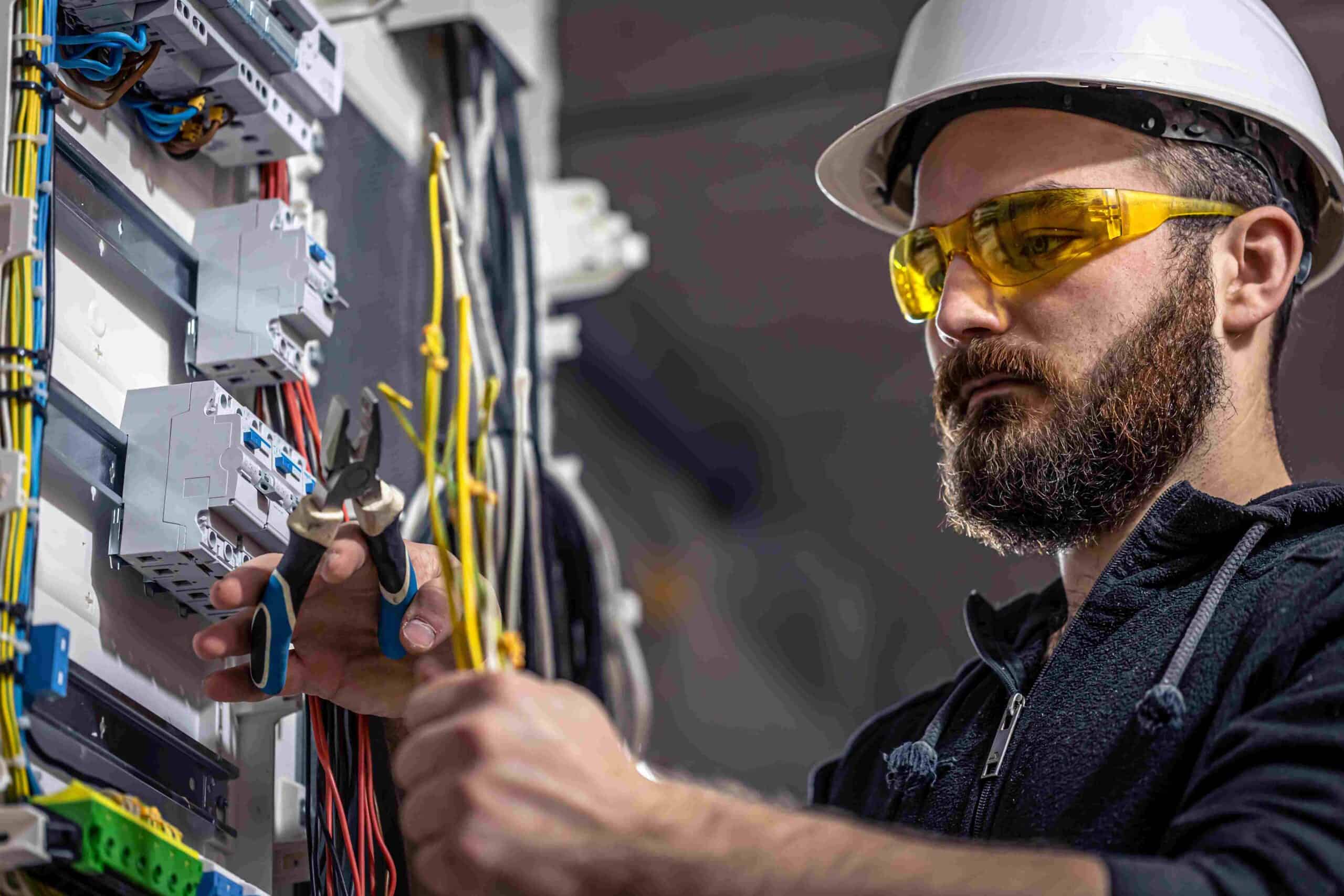
Before we can recommend a panel upgrade, we need to calculate your home’s total electrical load. This isn’t guesswork—it’s precise engineering that determines whether your current service can safely handle your electrical demands.
The process starts with evaluating your electrical panel, existing circuits, and total electrical load before recommending the best approach. We inventory every major appliance, lighting circuit, and planned additions like EV chargers or heat pumps.
The total amp draw shouldn’t exceed 120 amps for a 150-amp panel based on the NEC 80% safety guideline. If you have a small house with only a few major appliances, 100 amps may be enough. But most Suffolk County homeowners find that modern living pushes them well beyond these limits.
The load calculation includes continuous loads (like EV chargers that run for hours) and intermittent loads (like kitchen appliances used briefly). Add central air conditioning, electric water heating, modern appliances, and an EV charger, and you’re pushing that 100-amp service to its limits. This calculation determines not just whether you need an upgrade, but what size service will serve you for the next 20-30 years.
Understanding Suffolk County Electrical Code Requirements
Suffolk County follows New York State electrical codes with some local modifications. As licensed electrical contractors, we pull appropriate permits and work with your local power supplier, ensuring knowledge of current code and safety requirements. This isn’t bureaucratic red tape—it’s protection for your family and your investment.
Some contractors do 100-200 amp service upgrades without contacting the utility or getting proper permits, but this creates serious problems. Unpermitted work can void your homeowner’s insurance, create safety hazards, and cause issues when you sell your home.
The permit process in Suffolk County is streamlined for electrical panel upgrades. Suffolk County has a fast permitting system using online applications and digital documents, usually approving projects in 20-30 business days. We handle the paperwork, but you’ll need to coordinate utility disconnection and reconnection.
Code requirements cover everything from panel location and clearances to grounding and bonding specifications. Service wire lugs connect power from the utility through the electric meter to the electrical panel and are highly dangerous points that should never be touched by anyone except licensed professionals. Modern code also requires AFCI and GFCI protection in specific areas, which adds safety but increases material costs.
The Complete Electrical Panel Upgrade Process
Upgrading the amp service and load center requires plenty of work. You’ll need to work with an electrician to obtain permits, and the electrician must coordinate with the utility provider to install the underground service and meter base. Here’s how the process unfolds from start to finish.
The entire project typically takes 1-2 days, but planning and permitting add several weeks to the timeline. The upgrade process requires coordination with PSEG Long Island for temporary power disconnection, usually lasting 4-6 hours. We handle all utility scheduling and ensure minimal disruption to your daily routine.
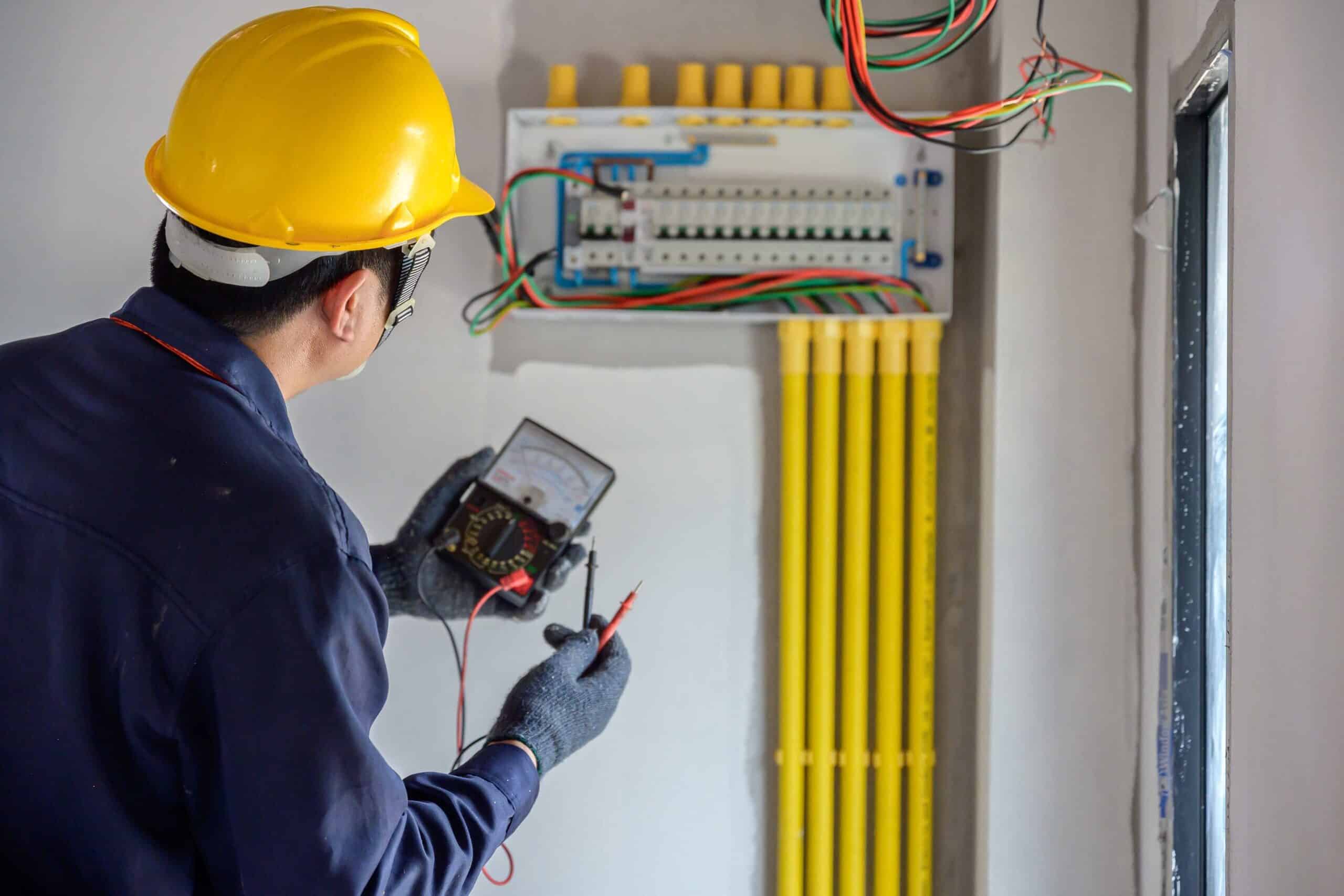
Pre-Installation Planning and Utility Coordination
The upgrade process begins weeks before any physical work starts. We submit permit applications, order materials, and schedule utility coordination. PSEG Long Island requires advance notice for service disconnection, and scheduling depends on their availability and weather conditions.
Material procurement is critical because electrical panels, meters, and disconnect switches must meet specific utility requirements. We specify equipment that matches PSEG Long Island standards and local code requirements. This isn’t the time to cut corners with discount materials—electrical panels are 20-30 year investments.
Site preparation includes identifying the new panel location, planning wire routing, and ensuring adequate clearances. Modern electrical panels require specific clearances and must include proper grounding and bonding. If your current panel location doesn’t meet current code, the entire installation may need to move.
We also plan the temporary power setup during the switchover. Most homes can’t go without power for extended periods, so the work is carefully choreographed to minimize downtime. Critical circuits like refrigeration and medical equipment get priority during reconnection.
Installation Day: What Happens During Your Panel Upgrade
Installation day starts early because utility disconnection is typically scheduled for morning hours. The power disconnection usually lasts 4-6 hours, during which we replace the meter base, install the new panel, and connect all circuits.
The physical installation follows a precise sequence. First, PSEG Long Island disconnects power at the meter and removes the old meter. We then install the new meter base and main disconnect if required. The new 200-amp panel gets mounted and all existing circuits get transferred to appropriately sized breakers.
Electrical panel replacement typically takes 8 to 10 hours which includes 200-amp capability, a new panel with main breaker and ten circuit breakers, labor, and all required materials. This includes testing every circuit, labeling all breakers clearly, and ensuring proper grounding throughout the system.
The final step involves utility reconnection and system testing. PSEG Long Island installs the new meter and restores power. We then test every circuit, verify proper operation, and schedule the required inspection. Most Suffolk County towns require electrical inspection within a few days of completion.
Suffolk County Panel Upgrade Costs and Financing Options
Panel upgrades to 200-amp service typically cost $2,000 to $3,500 in Suffolk County, including permits and utility coordination. The national average for 200-amp upgrades is $1,600, but full service panel replacements cost $1,800 to $2,500. Suffolk County costs run higher due to local permit fees, utility coordination requirements, and higher labor costs.
Don’t view a panel upgrade as an unwelcome expense—it’s necessary infrastructure improvement that increases your home’s electrical capacity and safety. The IRS offers a 30% tax credit (up to $600) for upgrading to a 200-amp panel if it meets National Electric Code standards and supports energy-efficient improvements. This federal incentive helps offset the investment while improving your home’s electrical infrastructure.
Upgrading won’t necessarily increase your home’s value immediately, but it makes selling easier by improving safety, efficiency, and appeal to potential buyers who want modern electrical systems. When you’re ready to upgrade your electrical panel from 100 to 200 amps in Suffolk County, contact Marra Electric for a free consultation and upfront pricing on your electrical panel upgrade project.