Summary:
How Smart Home Automation Systems Work in Your Home
Smart home automation connects your devices through a central network, usually via Wi-Fi, Bluetooth, or protocols like Z-Wave. Think of it as giving your home a nervous system where everything communicates.
Your smart thermostat talks to your smart blinds. Your lighting system coordinates with your security cameras. Your voice assistant controls them all from one interface.
The backbone of this system is your home’s electrical infrastructure. Every smart device draws power, and many need to run 24/7 to function properly. That’s where things get interesting for Suffolk County homeowners, especially those in older homes.

What Your Electrical System Needs to Support Smart Technology
Here’s the reality most Suffolk County homeowners face: your home’s electrical system was probably designed decades ago. Many residences still run on 60-100 amp service panels that were perfectly adequate in 1975 but struggle with today’s demands.
Smart home devices might seem small, but they add up fast. Your Wi-Fi router runs constantly. Smart speakers stay powered. Security cameras record around the clock. Motion sensors monitor continuously. Each device pulls a small amount of power individually, but together they represent a significant cumulative load on your electrical system.
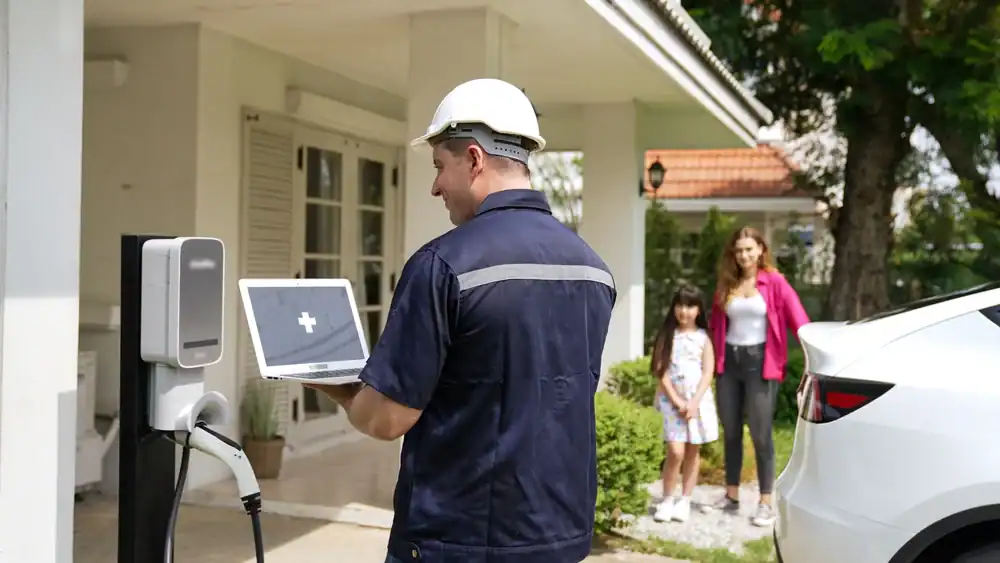
Modern smart homes typically need 150-200 amp service to safely handle everything from central air conditioning to home offices, smart devices, and increasingly, EV chargers in the garage. If you’re adding multiple smart devices to an older system, you’re asking an infrastructure built for a different era to support technology it was never designed to handle.
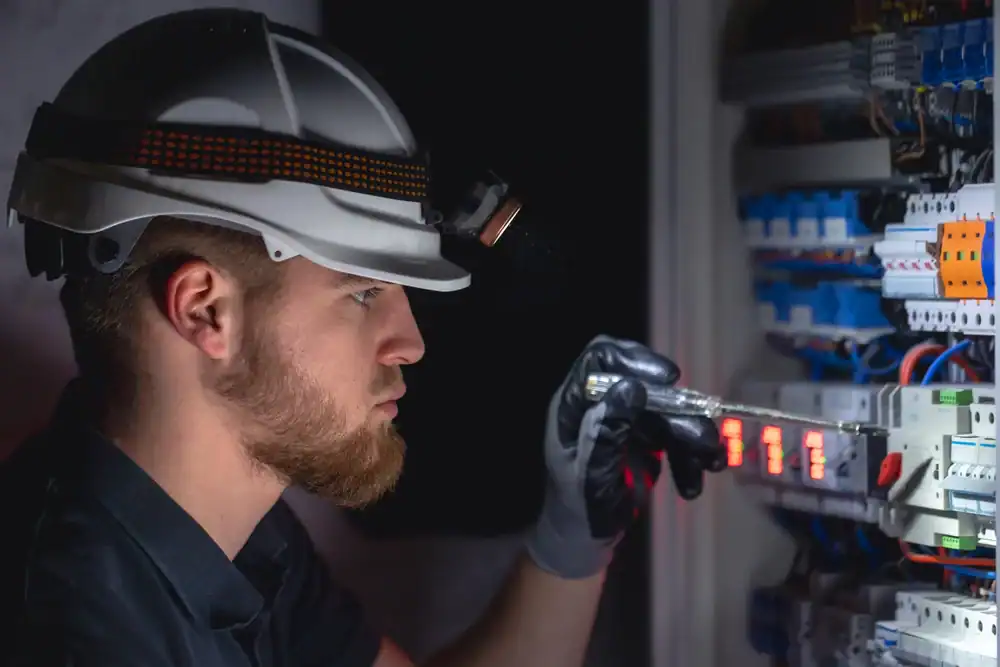
That’s not just an inconvenience issue—it’s a safety concern. Overloaded circuits can trip breakers, damage sensitive electronics, and in worst-case scenarios, create fire hazards. A professional electrician can run a load calculation to determine exactly what your system can support and whether upgrades are necessary before you start installing smart devices.
The good news? Panel upgrades in Suffolk County typically run $2,000 to $3,500, and you’re not just paying for smart home capability. You’re upgrading your entire electrical infrastructure, which adds value to your home and makes everything run more safely and efficiently. Think of it as the foundation that makes all your other smart home investments actually work the way they’re supposed to.
Professional Installation vs DIY Smart Home Setup
The marketing makes it look simple. Buy a smart device, plug it in, download an app, and you’re done. For a single smart bulb, that might work fine.
But comprehensive smart home systems are different. About 75% of homeowners planning smart technology installations seek professional help, and there are solid reasons why.
Licensed electricians bring more than installation skills—they ensure your smart home setup meets National Electrical Code standards, which protects both your investment and your safety. They understand load calculations, proper circuit sizing, and how to integrate new technology with existing electrical systems without creating hazards. When devices require hardwiring, like some smart switches or integrated security systems, professional installation isn’t optional—it’s necessary.
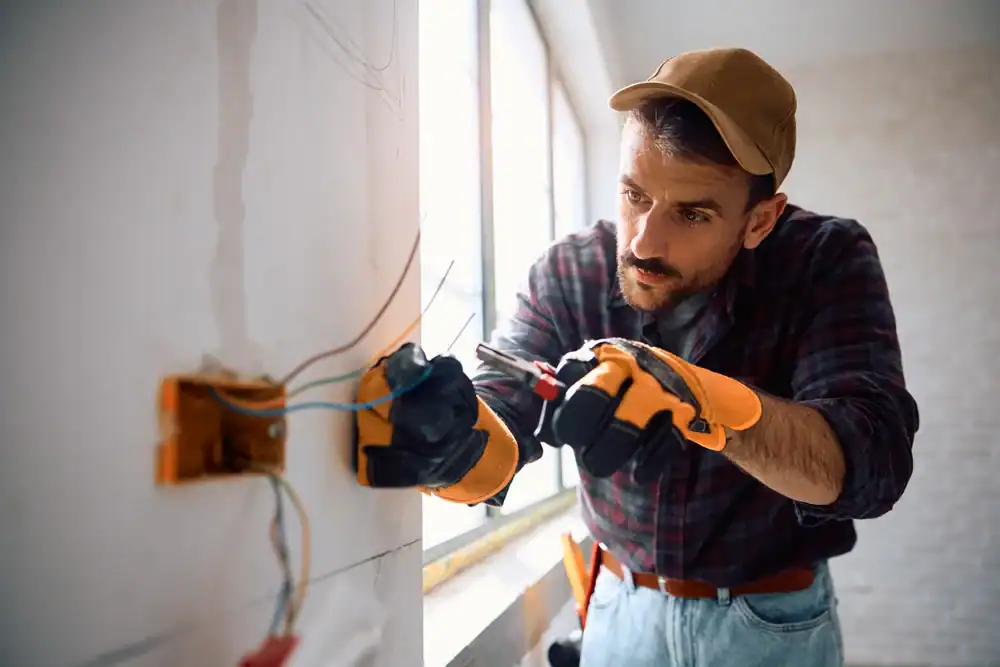
Here’s what happens with DIY installations that go wrong: reversed polarity creates shock risks, improper wire connections generate heat and fire hazards, overloaded circuits damage expensive equipment, and code violations can void your homeowner’s insurance. Buyers can tell the difference too. Professionally installed systems command higher premiums during home sales because potential buyers trust they’ll actually work. Nobody wants to inherit someone’s weekend project that’s been causing intermittent problems.
Smart electrical panels, which can automatically balance loads and provide real-time energy monitoring, require expertise to install correctly. Same with Power over Ethernet (PoE) setups that deliver both power and data through single cables for devices like security cameras. These aren’t plug-and-play scenarios.
The cost difference between DIY and professional installation might seem significant upfront, but it’s minimal compared to the cost of fixing problems later—or worse, dealing with electrical fires, damaged equipment, or failed inspections when you try to sell your home. Professional installation also typically comes with warranties and guarantees that DIY simply can’t match.
For Suffolk County homeowners, working with a licensed, insured electrician familiar with local codes and common issues in older homes makes the difference between a smart home that enhances your life and one that creates ongoing headaches.
Energy Efficient Lighting and Smart Home Benefits
Lighting accounts for about 15% of your home’s electricity use. That’s roughly $225 annually for the average household just to keep the lights on.
LED lighting changes that math dramatically. These bulbs use 75-90% less energy than traditional incandescent bulbs and last up to 25 times longer. But when you combine LED technology with smart controls, the savings multiply.
Smart lighting systems let you schedule lights to turn off automatically when rooms are empty, dim based on natural light availability, and adjust based on time of day. You’re not just using efficient bulbs—you’re using light only when and where you actually need it.

How Smart Thermostats Reduce Energy Costs
Smart thermostats represent one of the highest-return smart home investments you can make. The numbers back this up: these devices can reduce heating costs by 10-12% and cooling costs by about 15% annually, according to Energy Star data.
The technology works by learning your schedule and temperature preferences over time. If you typically leave for work at 8 AM, the system adjusts heating or cooling before you leave. When you’re away for the weekend, it doesn’t waste energy maintaining comfortable temperatures for an empty house. Many models use occupancy sensors, weather forecasts, and usage patterns to automatically optimize energy consumption.
For Suffolk County residents dealing with humid summers and unpredictable winter conditions, this adaptability matters. Your system responds to actual conditions rather than following rigid schedules that might have made sense when you programmed them but don’t match today’s weather.
The remote control capability adds another layer of savings. Forgot to adjust the temperature before leaving for vacation? Handle it from your phone. Want to pre-heat or pre-cool your home before you arrive? Done. These aren’t just convenience features—they’re opportunities to avoid wasting energy when you’re not home.
Installation requires proper wiring and compatibility with your HVAC system, which is why we typically handle smart thermostat setups. We ensure the device connects correctly, calibrates properly, and integrates with your home’s electrical system without issues. Some older HVAC systems need additional wiring or compatibility bridges to work with smart thermostats, something we can identify and address during installation.
The payback period for smart thermostats typically runs 1-2 years based on energy savings alone. After that, you’re saving money every month while enjoying better comfort and control. When you eventually sell your home, the smart thermostat becomes a selling point that buyers actively look for.
Smart Home Upgrades That Increase Property Value
Smart home features can boost your property value by 3-5%, according to research from Consumer Reports and the National Association of Realtors. For a $400,000 home in Suffolk County, that translates to $12,000-$20,000 in added value.
But not all smart upgrades deliver equal returns. The features that matter most to buyers focus on security, energy efficiency, and convenience. Smart security systems—including cameras, video doorbells, and smart locks—rank at the top. These systems make homes three times less likely to be burglarized and can reduce insurance premiums by up to 20%, creating both immediate and long-term value.
Smart lighting and automated climate control come next. Buyers appreciate move-in-ready automation that starts saving money from day one. Voice control integration through systems like Amazon Alexa or Google Home adds appeal, especially for younger buyers. About 43% of Gen Z homebuyers prioritize smart home capabilities, compared to just 15% of Baby Boomers, showing a clear generational shift in what buyers expect.
The installation quality matters as much as the devices themselves. Professionally installed systems command higher premiums because buyers trust they work correctly and meet code requirements. Mismatched or poorly integrated DIY setups can actually devalue a property because they signal potential problems.
Smart homes also sell faster—about 15% quicker than comparable homes without smart features, according to market data. In competitive real estate markets, that time advantage can be just as valuable as the price premium. Buyers want homes that feel modern, efficient, and ready for the future. Smart technology delivers that perception while providing real functional benefits.
The key is focusing on practical upgrades that offer genuine benefits rather than novelty features. Energy monitoring systems that provide real-time feedback on power consumption appeal to cost-conscious buyers. Automated lighting that improves both security and convenience makes sense to nearly everyone. Smart irrigation systems that optimize water usage resonate with environmentally aware buyers.
For Suffolk County homeowners considering selling within the next few years, strategic smart home upgrades represent one of the better return-on-investment improvements available. The cost to automate a home typically ranges from $2,000-$6,000, but buyers are willing to pay 3-5% more for properly equipped properties. That math works in your favor, especially when you factor in the energy savings and quality-of-life improvements you enjoy while still living there.
Getting Started with Smart Home Electrical Upgrades
Smart home technology delivers real benefits: lower energy bills, increased property values, better security, and genuine convenience. But the foundation matters just as much as the devices.
Your electrical system needs adequate capacity to support smart technology safely. Professional installation ensures everything works correctly, meets code requirements, and integrates properly. The upfront investment in doing things right pays off through reliable performance, energy savings, and higher home values.
Suffolk County homeowners looking to modernize their homes with smart technology can start with a professional electrical assessment. Understanding your current system’s capacity and what upgrades might be necessary gives you a clear path forward. From there, strategic additions—starting with high-return investments like smart thermostats and security systems—build a smart home that actually makes your life easier while protecting your investment. We specialize in smart home electrical installations throughout Suffolk County, NY, ensuring your upgrades are installed safely and correctly.