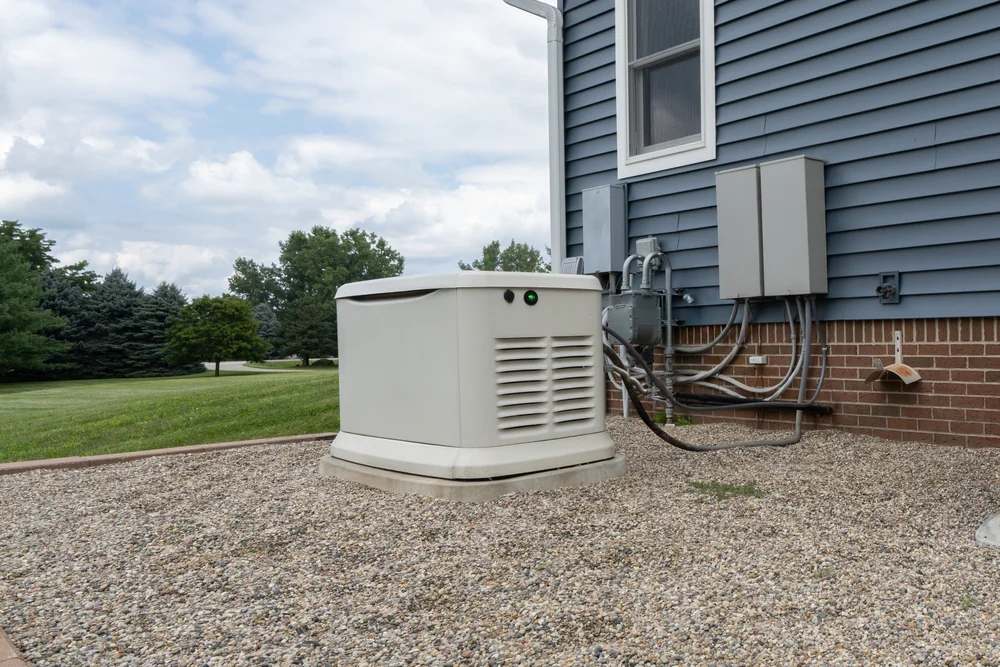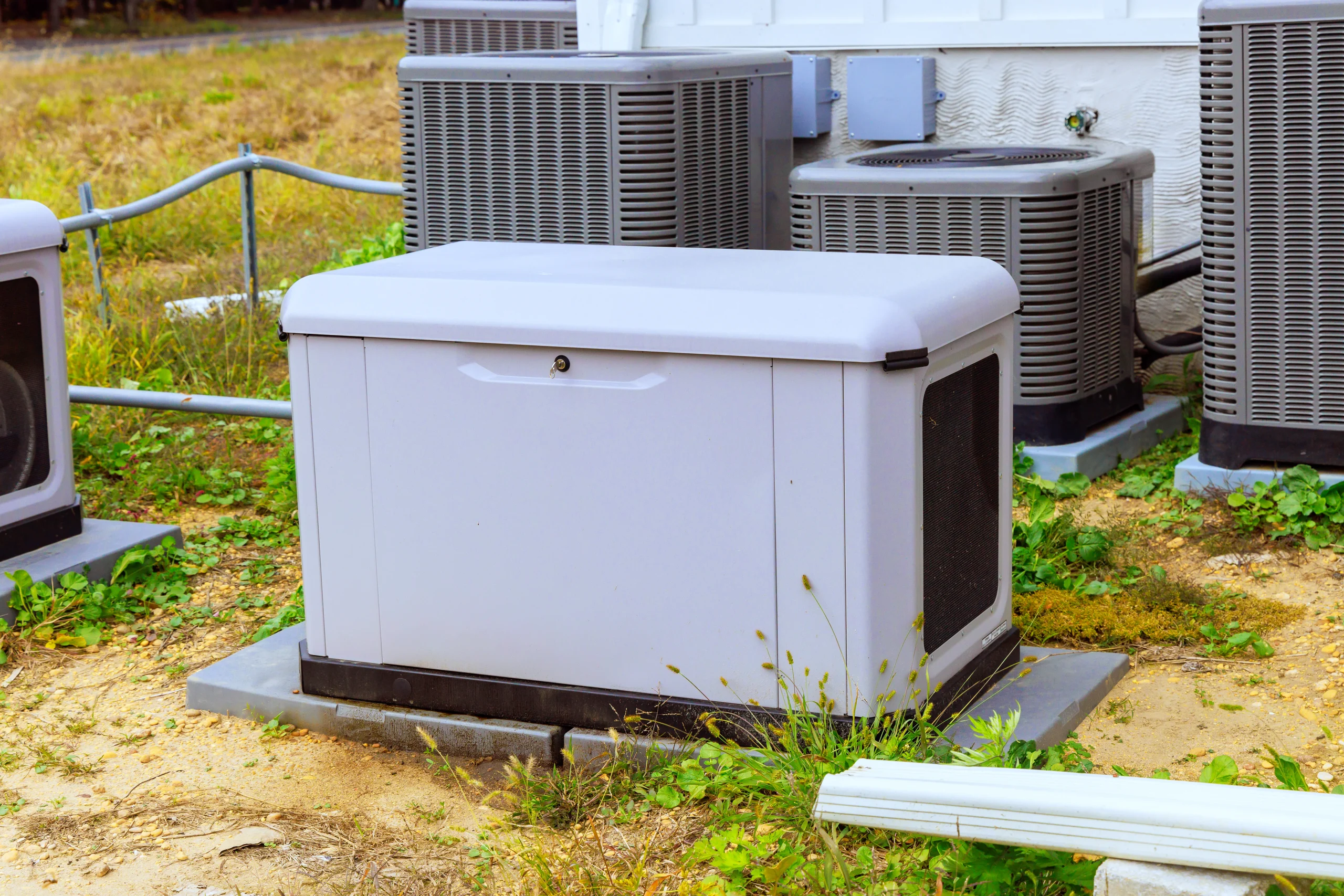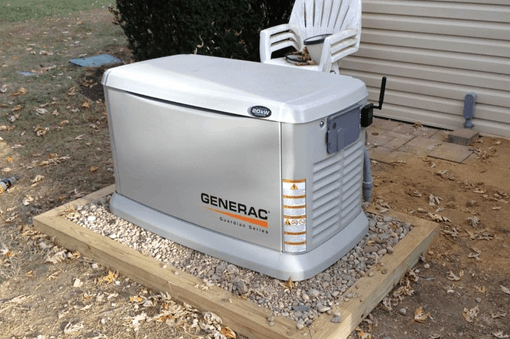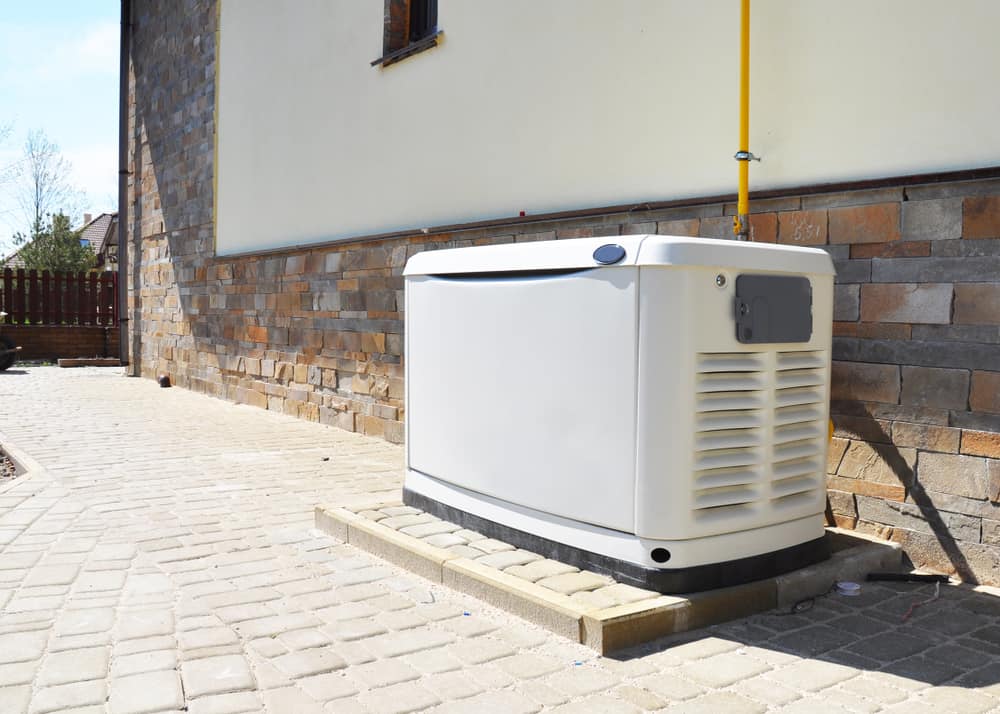
Your lights stay on. Your refrigerator keeps running. Your sump pump doesn’t quit when you need it most.
That’s what a professionally installed home standby generator does. It detects the outage within seconds, switches your home to backup power automatically, and keeps everything running until the grid comes back online. No scrambling for flashlights. No wondering if your pipes are about to freeze. No hauling a portable generator out of the garage in the rain.
In Sag Harbor, where power outages happen and can stretch for hours or even days during major storms, a whole house generator installation means you’re not packing up and heading to a hotel. You’re not throwing out hundreds of dollars in spoiled food. You’re not dealing with a flooded basement because your sump pump stopped working.
You’re home. Comfortable. Safe. While your neighbors are in the dark.
We’ve been handling electrical work across Suffolk County since 2004. We’re fully licensed and insured, and we’ve installed backup generators in homes throughout Sag Harbor and the surrounding areas for over two decades.
We know the local codes. We know the permit process. We know what it takes to install a Generac whole house generator correctly the first time—from sizing the system properly to running gas lines safely to making sure everything meets Suffolk County requirements.
You’ll get upfront pricing before we start. No surprise bills when the job’s done. Just clear communication, professional work, and a 100% satisfaction guarantee on everything we install.
First, we come out and assess your home’s electrical setup and your power needs. How big is your house? What do you need to keep running during an outage? Central air, well pump, entire electrical panel? We’ll size the generator correctly based on your actual requirements—not guesswork.
Once you approve the estimate, we handle the permits. Then we install the generator pad, run the gas line (natural gas or propane, depending on what you have), connect it to your electrical panel with a transfer switch, and test the whole system to make sure it kicks on automatically when the power drops.
The entire home generator installation in Sag Harbor typically takes one to two days, depending on your home’s setup. We clean up when we’re done, walk you through how the system works, and make sure you’re comfortable with everything before we leave.
After that, your generator runs a self-test every week to make sure it’s ready. When the power goes out, it starts automatically within seconds. You don’t lift a finger.
Ready to get started?
Every whole house generator installation in Sag Harbor, NY includes proper sizing for your home, permit handling, installation of the generator and transfer switch, gas line connection, electrical hookup to your main panel, and full system testing.
We install Generac generators—the brand seven out of ten homeowners choose nationwide. They’re reliable, they’re built to handle Long Island weather, and parts and service are readily available when you need them down the road.
Sag Harbor homes, especially older ones built before 1980, often need careful electrical work to integrate a backup generator safely. Many properties here weren’t designed for the power loads modern families use. We account for that. We make sure your electrical panel can handle the transfer switch, that your gas line is sized correctly, and that everything is installed to code.
You’ll also get a walkthrough of your new system. We’ll show you where the generator is, how to check fuel levels if you’re on propane, and what the control panel indicators mean. Most of the time, you won’t need to do anything—it just works. But it helps to know what you’re looking at.
Most whole house generator installations in Sag Harbor run between $6,000 and $15,000, depending on the size of the system and your home’s specific setup. A smaller unit that powers essential circuits—like your refrigerator, furnace, and a few lights—will cost less than a larger system that runs your entire home including central air conditioning.
The price includes the generator itself, the transfer switch, installation labor, gas line work, permits, and testing. Homes that need longer gas line runs or significant electrical panel upgrades will be on the higher end. Homes with straightforward setups and existing natural gas service tend to be more affordable.
We give you an upfront price after we assess your home. No guessing, no “it depends” answers after the work is done. You’ll know exactly what it costs before we start.
Most home standby generator installations in Sag Harbor, NY take one to two days once permits are approved. The timeline depends on your home’s electrical setup, how far we need to run the gas line, and whether your electrical panel needs any upgrades to handle the transfer switch.
We handle the permit process with the Town of Southampton, which typically takes a week or two depending on their workload. Once permits are in hand, we schedule the installation at a time that works for you.
On installation day, we set the generator pad, run and connect the gas line, install the transfer switch, wire everything to your electrical panel, and test the system. If your home needs panel work or a longer gas line run, it might stretch into a second day. We’ll let you know the expected timeline during your estimate so there are no surprises.
It depends on the size of the generator and your home’s power requirements. A 20-22 kilowatt Generac can typically power most of a standard Sag Harbor home, including heating and cooling, refrigerator, lights, outlets, and well pump if you have one. Larger homes or homes with higher electrical demands may need a 24-26 kilowatt unit to run everything at once.
During your estimate, we calculate your home’s power load. We look at what you want to keep running during an outage and size the generator accordingly. Some homeowners choose to power everything. Others prioritize essentials and save money with a smaller unit.
Either way, we’ll walk through your options and explain what each size generator will and won’t power in your specific home. You decide what makes sense based on your needs and budget.
Yes. Any home generator installation in Sag Harbor, NY requires permits from the Town of Southampton. You’ll need an electrical permit for the transfer switch and panel work, and a building permit for the generator installation itself. If we’re running a new gas line, that requires a separate gas permit.
We handle all the permit applications and inspections as part of your installation. You don’t need to visit Town Hall or deal with paperwork. We pull the permits, schedule the inspections, and make sure everything passes.
Skipping permits is a bad idea. It can cause problems when you sell your home, void your generator warranty, and create liability issues if something goes wrong. We do it right from the start so you don’t have headaches later.
Your generator will run a self-test once a week for about 10-15 minutes to make sure it’s ready when you need it. You don’t need to do anything for that—it happens automatically.
Beyond that, you’ll want annual maintenance. That includes changing the oil and oil filter, replacing the air filter, checking the battery, and inspecting the system for any issues. It’s similar to maintaining a car. Generac recommends service every year or every 200 hours of operation, whichever comes first.
You can hire a service company to handle maintenance, or if you’re comfortable with basic mechanical work, you can do some of it yourself. Either way, keeping up with maintenance means your generator will be ready to run when the power goes out. Neglecting it means you might have a generator that doesn’t start when you actually need it.
Most Generac home standby generators run at about 60-70 decibels from 20 feet away. That’s roughly the volume of a normal conversation or background music. It’s noticeable, but it’s not the loud roar of a portable construction generator.
The sound level depends on the size of the unit and where it’s installed. We position generators to minimize noise impact when possible—away from bedroom windows and outdoor living areas. The generator sits on a concrete pad, which helps reduce vibration noise.
During the weekly self-test, it runs for 10-15 minutes. During an actual outage, it runs continuously until power is restored. Most homeowners get used to the sound quickly, especially when they’re enjoying lights, heat, and refrigeration while the rest of the neighborhood is in the dark.
Other Services we provide in Sag Harbor