You’re not home when the storm hits. Wind gusts are pushing 60 mph across Long Island, and trees are coming down on power lines throughout Saint James. Your neighbors are scrambling to find hotel rooms, throwing out spoiled food, and dealing with flooded basements because their sump pumps stopped working.
Your house? Lights are on. Refrigerator’s running. Security system never went offline. Your standby generator kicked on automatically within 10 seconds of the outage, and everything kept running like nothing happened.
That’s what a whole house generator installation in Saint James, NY does. It removes the panic, the financial loss, and the safety risks that come with power outages. Your HVAC system keeps running so pipes don’t freeze. Your medical equipment stays powered. You don’t lose $500 worth of food or spend $200 a night on hotels because your home is unlivable.
The system monitors your power 24/7. When it detects an outage, it starts itself, switches your home to generator power, and keeps everything running until utility power returns. You might not even know the power went out.
We’ve been installing home standby generators across Suffolk County since 2004. We’re fully licensed and insured, with electricians who understand Long Island’s building codes, permit requirements, and the specific challenges Saint James homeowners face during outages.
We’ve earned the Angie’s List Super Service Award seven years running because we show up on time, give you upfront pricing before any work starts, and guarantee our installations 100%. No surprise bills. No cutting corners. You know exactly what you’re paying before we begin.
When you call, you get a real estimate based on your home’s power needs, fuel source options, and the generator size that actually makes sense for your property. We’re not here to oversell you on capacity you don’t need or undersell you on a system that won’t cover your essentials.
We start with a free estimate at your Saint James home. We’ll assess your electrical panel, determine what you need to keep running during an outage, and calculate the generator size in kilowatts. Most homes between 1,800 and 2,500 square feet need a 14-22 kW unit to cover essentials or whole-home power.
You’ll choose between natural gas or propane. If you’re already on natural gas, that’s usually the simplest fuel source. If not, we’ll coordinate propane tank installation. We handle all permits and inspections required by the Town of Smithtown, so you’re fully compliant from day one.
Installation includes pouring a concrete pad, running fuel lines, installing the transfer switch that manages power switching, and connecting everything to your electrical system. The transfer switch is what makes the system automatic—it detects the outage and signals the generator to start without you lifting a finger.
Once installed, we test the system under load to confirm it’s powering what it should. We walk you through basic operation and maintenance expectations. Then we file final permits and leave you with a system that’s ready to go the next time the power drops.
Most installations take one to two days depending on complexity. You’ll have a permanently installed backup power system that can run for up to 500 hours continuously or about three weeks straight if needed.
Ready to get started?
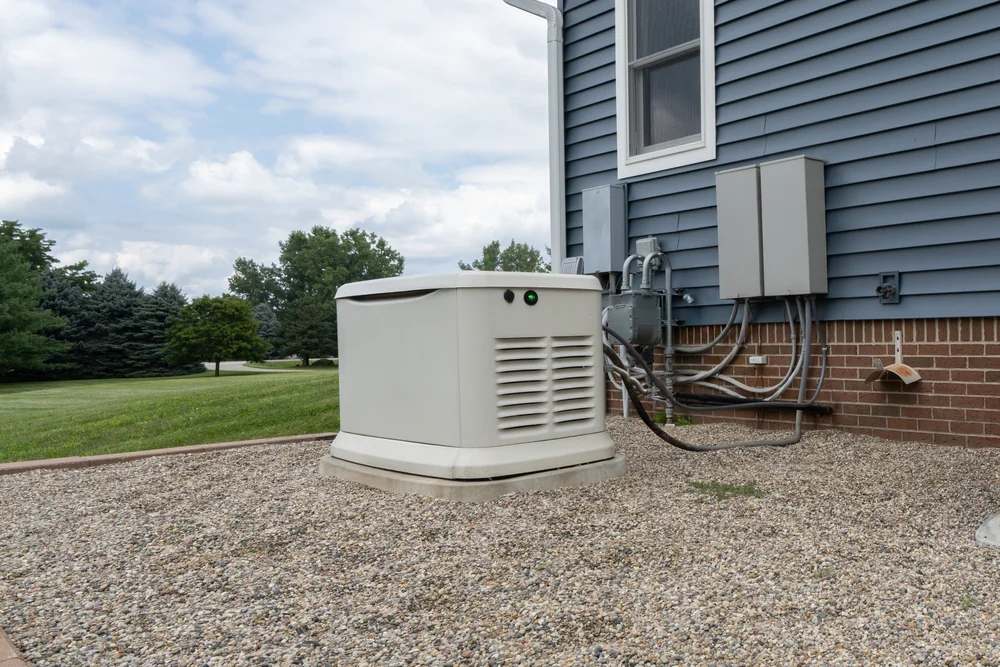
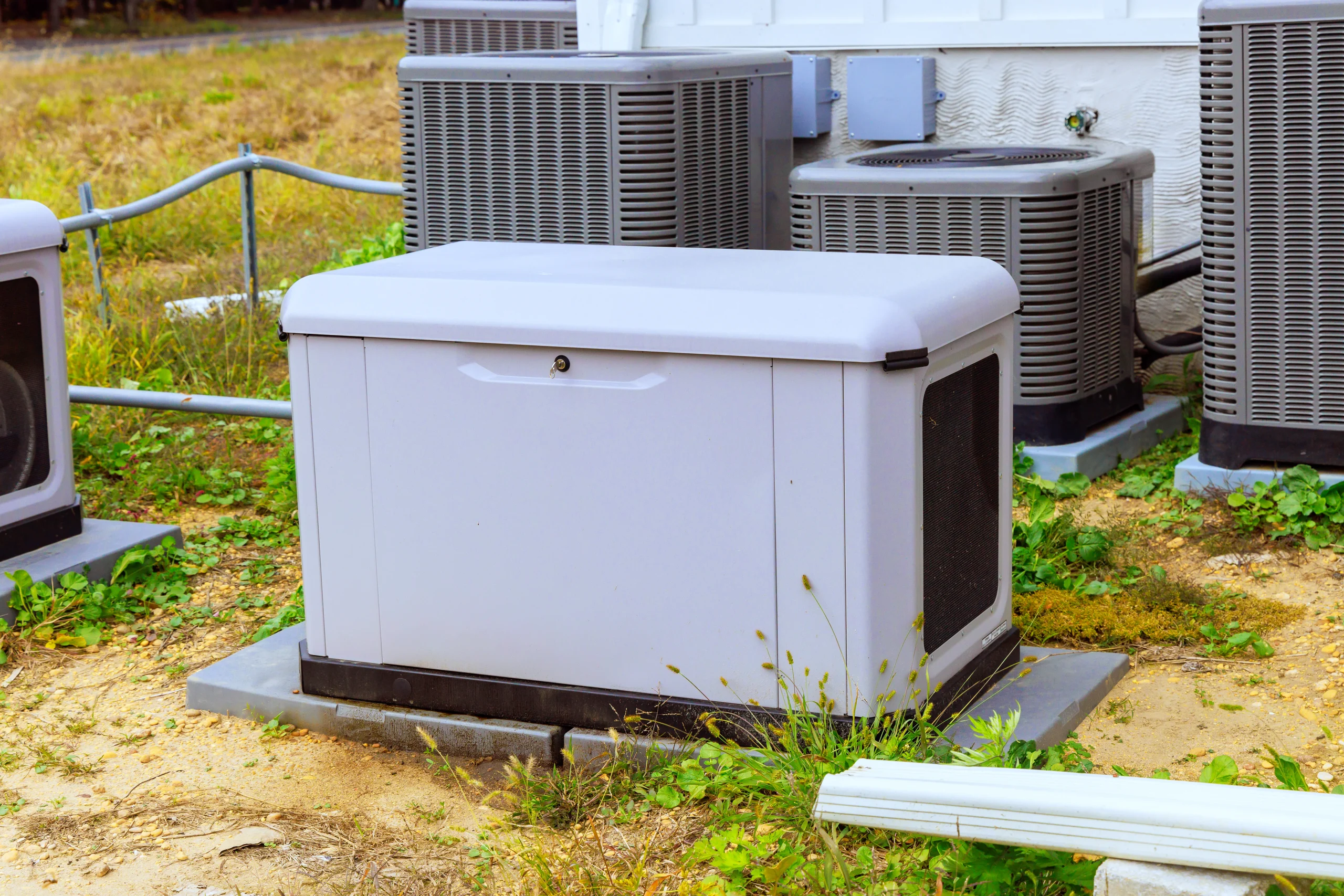
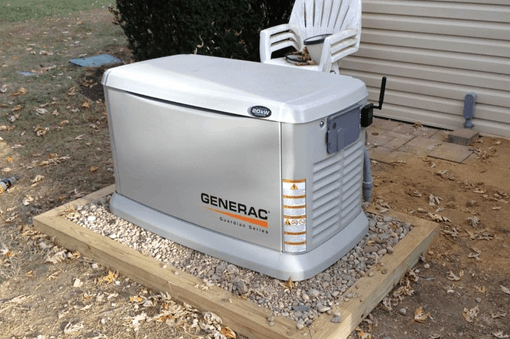
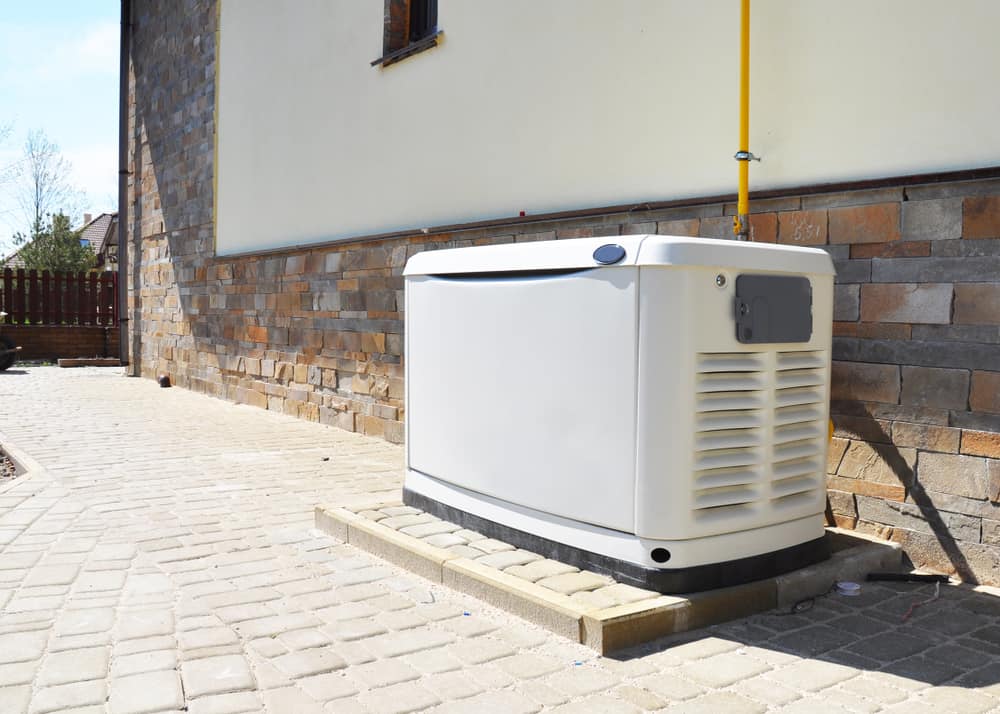
Your whole house generator installation in Saint James, NY includes the generator unit itself—typically a Generac or Kohler standby system sized specifically for your home. We install the concrete pad that supports the unit and keeps it level and stable. The transfer switch gets mounted near your electrical panel and wired to manage the automatic switchover between utility and generator power.
We run the fuel line from your natural gas meter or propane tank to the generator, following all safety codes and distance requirements. The generator sits at least five feet from windows and openings to prevent exhaust from entering your home. All electrical connections are made to code, inspected, and permitted through local authorities.
Saint James sits in a coastal area where storms regularly knock out power to thousands of homes. Recent wind events have left 98% of customers without electricity, some for days. A professionally installed standby generator means you’re not sitting in the dark, you’re not hauling a portable generator out of the garage in the rain, and you’re not risking carbon monoxide poisoning from improper generator use.
The system includes a digital controller that monitors performance, tracks maintenance intervals, and can alert you to issues before they become problems. You get a warranty on both the equipment and our installation work. And because this is considered a capital improvement in New York State, you won’t pay sales tax on the installation.
Whole house generator installation in Saint James, NY typically costs between $6,000 and $11,000 depending on the size of the generator and complexity of the installation. The industry average is $800 to $1,000 per kilowatt of power. A 14 kW generator for a smaller home runs less than a 22 kW unit that powers a larger house with more circuits.
The price includes the generator unit, transfer switch, concrete pad, fuel line installation, electrical connections, permits, and labor. If you need a propane tank installed, that’s an additional cost. Natural gas connections are usually simpler if you already have gas service to your home.
We give you upfront pricing during the estimate so you know the total cost before any work begins. No surprises, no hidden fees. The investment pays for itself quickly when you consider that a single 24-hour outage can cost you $500 in spoiled food alone, plus potential hotel stays and damage from frozen pipes or flooded basements.
Most home standby generator installations in Saint James take one to two days from start to finish. Day one typically involves pouring the concrete pad, which needs time to cure. Once the pad is set, we install the generator, run fuel lines, wire the transfer switch, and make all electrical connections.
The timeline can extend if we’re waiting on permits, coordinating propane tank delivery, or dealing with complex electrical panel upgrades. We’ll give you a clear schedule during your estimate so you know what to expect.
After installation, there’s a brief testing period where we run the generator under load and confirm everything switches over correctly. We also schedule the required inspections with local authorities. You can’t use the system until it passes inspection, but we handle all of that coordination so you don’t have to chase down inspectors or paperwork.
Most homes in Saint James between 1,800 and 2,500 square feet need a 14 kW to 22 kW generator to power essential systems or the whole home. The right size depends on what you want running during an outage. If you only need the refrigerator, a few lights, and the furnace, a smaller unit works. If you want central air, all appliances, and every room powered like normal, you need more capacity.
We calculate your needs based on your electrical panel size, the circuits you want covered, and startup loads for motors in appliances like air conditioners and well pumps. Air conditioning units draw significant power when the compressor kicks on, so that factors into sizing.
During your free estimate, we’ll assess your actual power requirements and recommend a generator that covers what matters to you without paying for excess capacity you won’t use. Undersizing leaves you without critical systems during an outage. Oversizing wastes money on equipment and fuel you don’t need.
Yes, you need permits for home generator installation in Saint James, NY. The Town of Smithtown requires electrical permits and inspections to ensure the installation meets safety codes. This includes proper placement distances from windows and property lines, correct fuel line installation, and transfer switch wiring that won’t backfeed into utility lines.
We handle all permit applications and coordinate inspections as part of your installation. You don’t need to visit town offices or deal with paperwork. We submit everything, schedule the inspectors, and make sure the installation passes on the first visit.
Operating without permits puts you at risk if there’s ever an insurance claim related to the generator. It also creates problems if you sell your home, because unpermitted work shows up during home inspections and can kill deals or force price reductions. Professional installation with proper permits protects your investment and keeps you compliant with local regulations.
Yes, a professionally installed standby generator typically increases home values by 3% to 5% in areas like Saint James where power outages are common. Some installations provide up to 150% return on investment when you sell. Buyers in Suffolk County understand the value of backup power because they’ve lived through outages themselves.
A generator makes your home more attractive to buyers who have medical equipment needs, home offices that can’t afford downtime, or families who want the security of knowing their house stays protected when they travel. It’s a tangible upgrade that solves a real problem every homeowner on Long Island faces.
The system also qualifies as a capital improvement in New York State, which means you don’t pay sales tax on the installation. Some insurance companies offer discounts on homeowner policies when you have a permanently installed generator, though you’ll need to check with your specific insurer. The financial benefits stack up quickly when you factor in avoided losses from outages, potential insurance savings, and increased property value.
A portable generator requires you to haul it outside, run extension cords through your house, manually start it, and refuel it every few hours. You’re also risking carbon monoxide poisoning if it’s too close to your home, and you can’t power hardwired systems like your furnace, central air, or well pump without a transfer switch.
A standby generator is permanently installed outside your home, starts automatically within 10 seconds of an outage, and powers your home through your existing electrical panel. It runs on natural gas or propane, so there’s no refueling. The system monitors your power 24/7 and switches everything over without you doing anything.
Portable generators cause dozens of hospitalizations on Long Island every year from improper use. Standby generators are safer, more convenient, and actually protect your home when you’re not there. If you’re traveling and a storm knocks out power, a portable generator does nothing. A standby system keeps your sump pump running, your pipes from freezing, and your security system online until you get home.
Other Services we provide in Saint James