Home Generator Installation in Sayville, NY

Power That Stays On When Everything Else Goes Dark

Automatic whole house generator installation in Sayville, NY that kicks on in seconds—so you never lose refrigeration, heat, medical equipment, or peace of mind during the next storm.
[Add Trustindex Button Here]
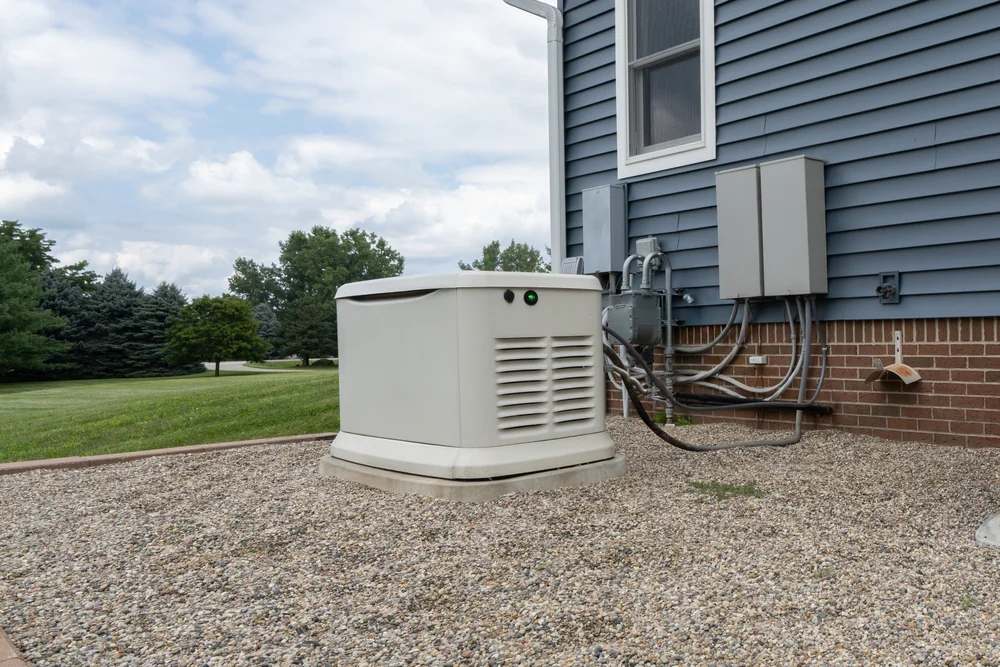
A standby generator sits on a gravel bed beside a blue house with siding in NY. Nearby, a residential electrician Suffolk County has mounted electrical boxes and conduit. Trees and lawn appear in the background under a cloudy sky.
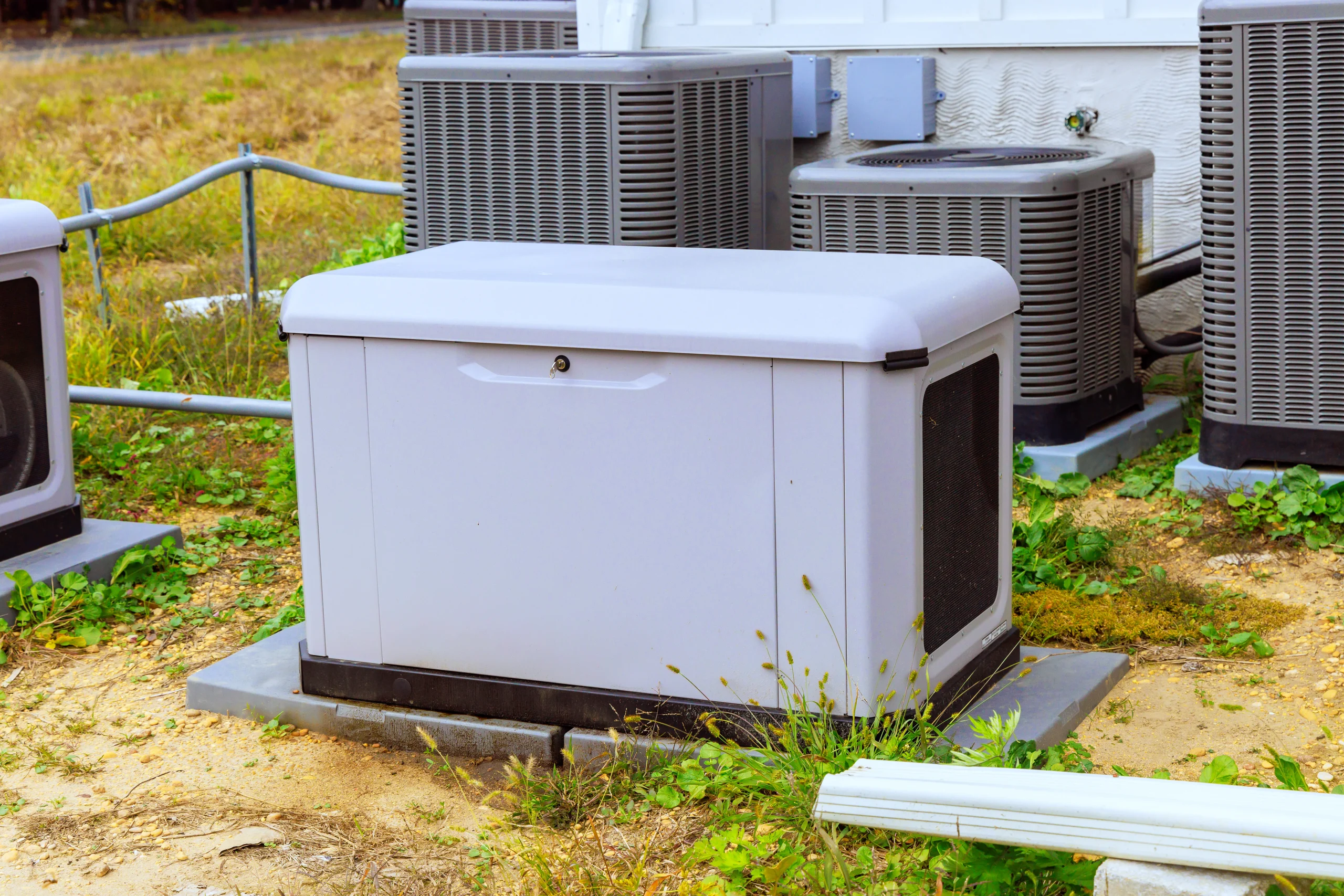
A standby generator sits on a concrete pad near several outdoor air conditioning units, with grass and weeds growing around the area. For installation or service, contact a residential electrician Suffolk County, NY, near this white building.

Whole House Generator Installation Sayville NY

What You Get With a Home Standby Generator

You’re not running extension cords in the rain. You’re not rationing fuel or manually starting anything in your driveway at 2 a.m.

When the power cuts out, your home standby generator detects it within seconds and starts itself. Automatically. The lights stay on, the fridge keeps running, your sump pump works, and if someone in your house relies on medical equipment, that doesn’t skip a beat either.

This isn’t about convenience. It’s about avoiding the chaos that comes with extended outages—the kind Suffolk County sees regularly. After Hurricane Sandy, over 632,000 Long Islanders lost power for two weeks. That’s not a once-in-a-lifetime event anymore. It’s a planning problem you can solve now.

A whole house generator installation in Sayville, NY means your home runs on natural gas or propane. No refueling. No noise in the garage. No carbon monoxide risk. Just uninterrupted power until the grid comes back online.

Generator Installation Company Sayville NY

We've Been Doing This Since 2004

We’ve been installing backup generators across Suffolk County for over 20 years. We’re fully licensed, insured, and we’ve seen what happens when storms roll through Sayville and the surrounding towns.

You’re not getting a national franchise or a crew that’s never worked in your zip code. You’re working with electricians who know Suffolk County’s codes, PSEG’s infrastructure, and what it takes to get a generator permitted and installed correctly the first time.

We don’t surprise you with bills. You get upfront pricing, a free estimate, and a timeline you can count on. Most installations wrap in one to three days depending on your setup. And if something goes wrong after hours, we’re available 24/7—not just for generator emergencies, but for any electrical issue that can’t wait.

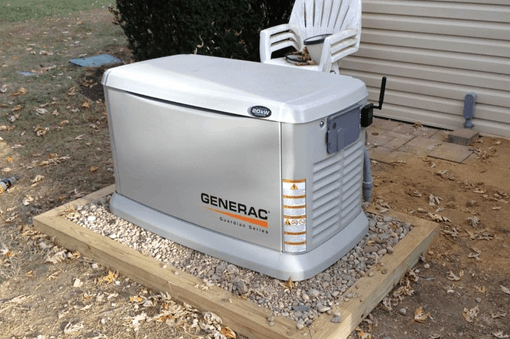
A Generac Guardian Series standby generator, expertly installed by a residential electrician Suffolk County, sits on a gravel platform beside a beige building, with a white plastic chair and scattered leaves nearby.

Home Standby Generator Installation Process Sayville

Here's How a Generator Install Actually Happens

First, we come out and assess your home. That means looking at your electrical panel, your fuel source, and where the generator will sit. Most Sayville homes need between 7,500 and 20,000 watts for essentials—whole-house coverage usually requires 20,000 to 26,000 watts.

Once you approve the estimate, we pull permits and coordinate inspections. This isn’t optional. It’s required, and it protects you.

Then we install the generator, connect it to your natural gas or propane line, and wire in the automatic transfer switch. That’s the piece that detects an outage and tells the generator to fire up. We test everything to make sure it works exactly how it should.

After the install, we walk you through how it operates—though honestly, you won’t need to do much. It’s automatic. When power goes out, the system handles it. When power comes back, it shuts itself off. You can monitor it, but you don’t have to manage it.

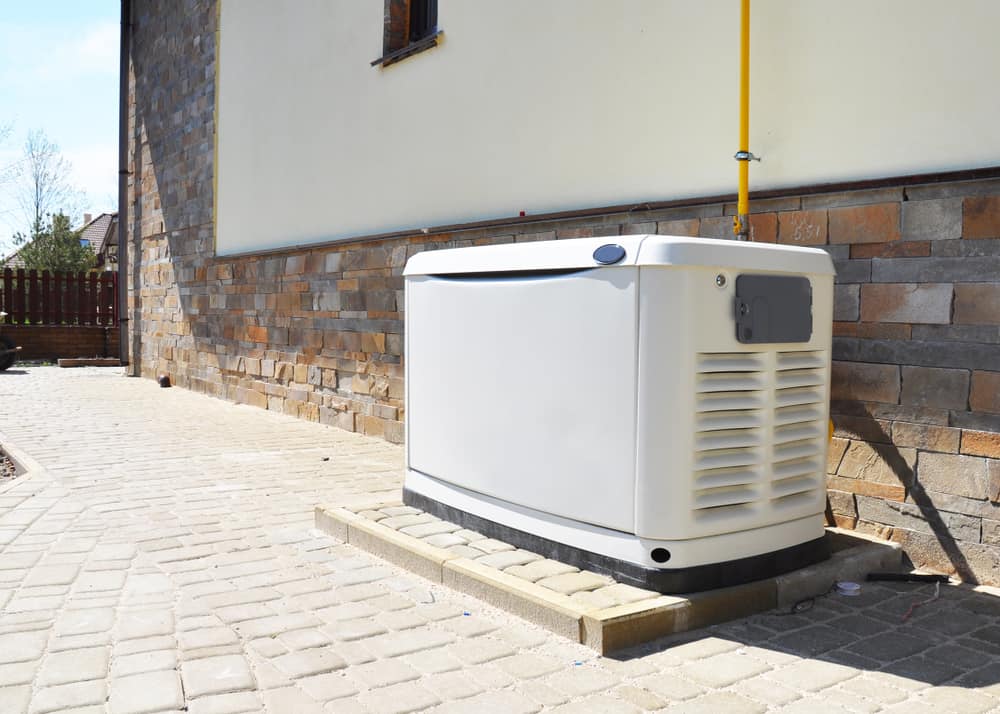
A standby generator is installed on a paved area next to a house with a brick and stone exterior wall; a yellow gas line connects to the unit, professionally set up by a residential electrician Suffolk County, NY.

Explore More Services

About Marra Electric

Backup Generator Installation Sayville NY

What's Included in Your Whole House Generator Installation

You’re getting a complete system. That includes the generator itself—most of our Sayville clients go with Generac whole house generators because they’re reliable and well-supported—but it also includes the transfer switch, all electrical connections, fuel line hookups, and concrete pad or mounting platform.

We handle permitting, inspections, and coordination with your utility if needed. Everything is done to code. You’re not cutting corners or hoping it passes later.

In Sayville, most homes run on natural gas, which gives you unlimited runtime as long as the gas line stays active. If you’re on propane, we’ll help you size the tank correctly so you’re not running out mid-outage. Either way, you’re covered for days or weeks if necessary.

Whole house generator cost in Sayville typically runs between $7,000 and $20,000 installed, depending on size and complexity. Smaller units for essential circuits start around $7,000 to $12,000. Larger systems that cover your entire home run $12,000 to $20,000 or more. That includes labor, materials, and everything listed above. No surprises.

A standby generator sits on a concrete pad next to the exterior wall of a white NY house, near some shrubs and a grassy, partly bare yard with trees in the background.

How long does a home generator installation take in Sayville, NY?

Most home standby generator installations in Sayville take one to three days from start to finish. The actual install work—setting the unit, running electrical and fuel lines, wiring the transfer switch—usually wraps in a day.

What adds time is permitting. Suffolk County requires permits for generator installs, and inspections have to happen before and after the work. We handle all of that, but it does mean the timeline stretches beyond the physical installation.

If your electrical panel needs an upgrade or if there’s any prep work on the fuel line, that can add a day. We’ll tell you upfront during the estimate if that’s the case. Once everything’s approved and installed, you’re live.

It depends on what you want to keep running. If you’re covering essentials—refrigerator, a few lights, sump pump, heating system—you’re looking at 7,500 to 15,000 watts.

If you want whole-house coverage, including central air, all appliances, and every outlet, you’ll need 20,000 to 26,000 watts or more. Larger homes with multiple HVAC zones or heavy electrical loads can push that higher.

We size it during the estimate. We’ll look at your panel, ask what matters most to you during an outage, and recommend a unit that fits. You’re not paying for capacity you don’t need, but you’re also not undersizing and losing critical systems when the power drops.

No. That’s the whole point of a home standby generator installation. The system is fully automatic.

When utility power fails, the transfer switch detects it within seconds and signals the generator to start. It takes about 10 to 30 seconds for the generator to come online and restore power to your home. You might notice a brief flicker, then everything’s back.

When grid power returns, the system transfers you back automatically and shuts the generator off. You don’t flip switches, you don’t go outside, you don’t monitor fuel. It just works. The only thing you’ll need to do is schedule annual maintenance to keep it in good shape.

For a complete installation, you’re typically looking at $7,000 to $20,000. Smaller systems that cover essential circuits—fridge, heat, lights, sump pump—start around $7,000 to $12,000 installed.

Whole-house systems that power everything, including air conditioning and all major appliances, run $12,000 to $20,000 or more. Larger homes or properties that need extensive electrical work or fuel line upgrades can push costs higher.

That price includes the generator, transfer switch, all wiring and connections, concrete pad, permits, and labor. We give you a full breakdown upfront so there’s no confusion. And because these systems can increase your home’s value by 3% to 5%, you’re not just spending—you’re investing in your property and your family’s safety.

A portable generator requires you to haul it out, fill it with gas, start it manually, and run extension cords to whatever you’re trying to power. It’s loud, limited in capacity, and it’s a carbon monoxide hazard if you’re not careful. You also have to refuel it every few hours, which means going out in the middle of a storm.

A home standby generator is permanently installed outside your home. It runs on natural gas or propane, starts automatically when the power goes out, and powers your whole house through your existing electrical panel. No cords. No refueling. No manual startup.

Portable units are cheaper upfront, but they’re not a real solution for extended outages or whole-home coverage. If you want actual backup power that works without you lifting a finger, a standby generator is the only option that makes sense.

Yes. According to Consumer Reports, a whole house generator can increase your home’s value by 3% to 5%. In Sayville, where the median home value is well above $500,000, that’s a meaningful return.

But the bigger value isn’t just resale. It’s avoiding the costs that come with extended outages—hundreds of dollars in spoiled food, hotel stays if your house becomes unlivable, potential damage from frozen pipes or failed sump pumps.

After Hurricane Sandy, half a million people across Long Island lost power for more than a week. Sayville wasn’t spared. Buyers in this area know what that’s like, and they’re willing to pay more for a home that’s already equipped with backup power. It’s a selling point that matters here in a way it doesn’t in other markets.

Other Services we provide in Sayville