20 Oct Backup Power Solutions: Generator Installation Services in Suffolk County
Summary:
How Generator Installation Works in Suffolk County
Generator installation isn’t just about buying a unit and plugging it in. You’re dealing with electrical systems, fuel lines, and local permits that require professional expertise.
The process starts with a power assessment of your home or business. You need to know exactly what you want to keep running during an outage – is it just the essentials like refrigerator and lights, or do you want whole-house coverage including air conditioning and hot water?
Once that’s determined, the real work begins with permits, electrical connections, and fuel line installation that meets Suffolk County codes.
Standby vs Portable Generators: What Works Best for Suffolk County
You’ve probably seen your neighbors dragging out portable generators during outages, running extension cords through windows and dealing with the noise and fumes. It’s better than nothing, but it’s not a real solution.
Portable generators require manual startup, constant refueling, and can only power a few essential items at a time. During extended outages – which Suffolk County sees regularly – you’re stuck maintaining the unit, buying gas, and dealing with carbon monoxide risks if not properly ventilated.
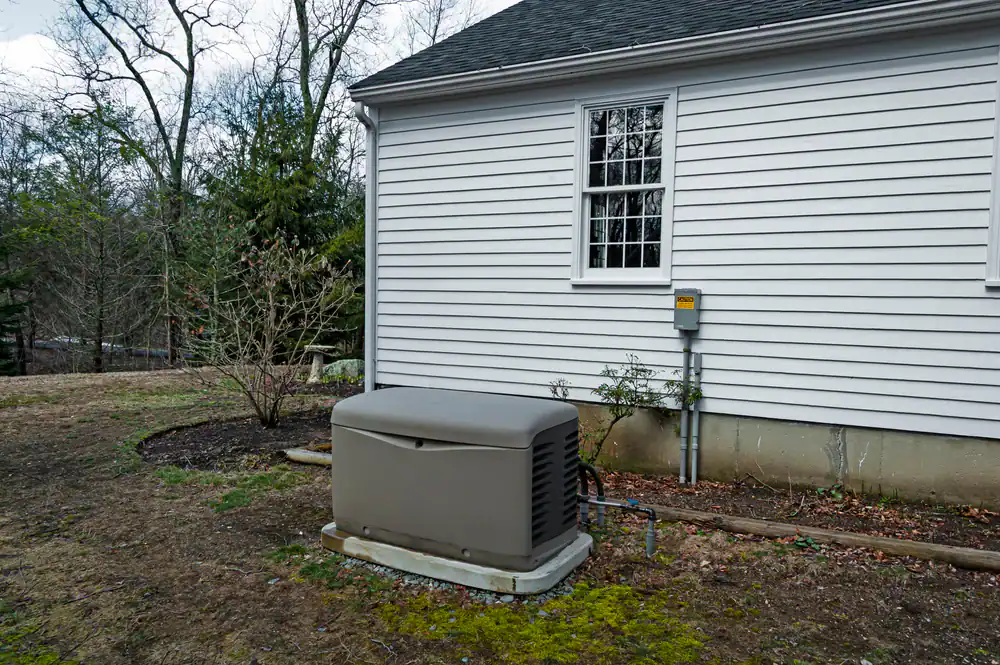
Standby generators are permanently installed outside your home and connected directly to your electrical panel through an automatic transfer switch. When power goes out, they detect the outage within seconds and automatically start up. No manual intervention needed. They run on natural gas or propane, so you don’t need to worry about fuel runs during storms.
The upfront cost is higher – typically $3,000 to $15,000 depending on size and features. But when you factor in the convenience, safety, and ability to power your entire home, standby generators make sense for most Suffolk County properties. Plus, they can increase your home value by 3-5% according to Consumer Reports.
For businesses, standby generators aren’t just convenient – they’re essential. A restaurant can lose thousands in spoiled inventory during a single outage. Medical offices need power for equipment. Even retail stores lose sales when they can’t process transactions or provide adequate lighting for customers.
Generator Sizing and Power Requirements
Getting the size wrong is expensive. Too small, and your generator can’t handle the load during startup surges. Too large, and you’re paying for capacity you’ll never use.
Most Suffolk County homes need between 7,500 and 20,000 watts for essential coverage. That includes refrigerator, some lights, heating system, and basic outlets. For whole-house coverage including central air, electric water heater, and all circuits, you’re looking at 20,000 to 26,000 watts.
The tricky part is understanding startup requirements. Your central air might run on 3,500 watts, but it needs 10,000+ watts to start up. We calculate these surge requirements to ensure your generator can handle real-world demand, not just running loads.
Commercial sizing gets more complex. You need to consider peak demand times, essential vs non-essential systems, and whether you want backup for entire operations or just critical functions. A medical office might prioritize exam room power and refrigeration for medications. A restaurant might focus on refrigeration, basic lighting, and point-of-sale systems.
Suffolk County’s climate adds another consideration. Summer cooling loads are significant, and winter heating requirements vary depending on whether you have electric, gas, or oil heat. A properly sized system accounts for seasonal variations in power demand.
Fuel Options and Installation Requirements
Your fuel choice affects everything from operating costs to installation complexity. Natural gas, propane, and diesel each have advantages depending on your property and needs.
Natural gas is convenient if you already have service to your home. It provides unlimited runtime during outages and requires minimal maintenance. The downside? Gas lines can be damaged during the same storms that cause power outages.
Propane offers more reliability since your supply isn’t dependent on utility infrastructure. Tank sizes range from 100 to 1,000 gallons depending on your generator size and desired runtime.
Natural Gas vs Propane for Suffolk County Homes
Natural gas makes sense if you’re already connected and want the simplest installation. Your generator connects to your existing gas line (assuming adequate capacity), and you never worry about refueling. Operating costs are typically lower than propane, and maintenance is minimal since natural gas burns cleaner.
The risk is infrastructure damage. During major storms that knock out power, gas lines can also be compromised. It’s rare, but it happens. Some Suffolk County residents remember losing both power and gas during Hurricane Sandy, leaving them without backup power when they needed it most.
Propane gives you independence from utility infrastructure. Your fuel supply is on your property in a dedicated tank, so storm damage to utility lines doesn’t affect your generator’s ability to run. Propane also provides better cold-weather performance than natural gas, which matters during winter storms.
Tank sizing depends on your generator’s consumption and how long you want to run during extended outages. A 20kW generator consumes roughly 2-3 gallons per hour, so a 500-gallon tank provides 7-10 days of continuous runtime. Most Suffolk County residents find 250-500 gallon tanks provide adequate capacity for typical outage durations.
Installation requires proper tank placement, usually at least 10 feet from your home and 5 feet from property lines. Suffolk County has specific regulations about propane tank installations, including setback requirements and inspection procedures that we handle for you.
Permits and Professional Installation Requirements
Suffolk County requires permits for generator installations, and there’s good reason for that. You’re dealing with electrical connections that can kill you if done wrong, fuel lines that can create fire hazards, and equipment that needs to operate safely during emergencies.
The permit process covers electrical connections, fuel line installation, and placement requirements. Your generator needs adequate clearance from windows, doors, and air intakes. It also needs proper grounding and electrical connections that won’t create hazards during operation.
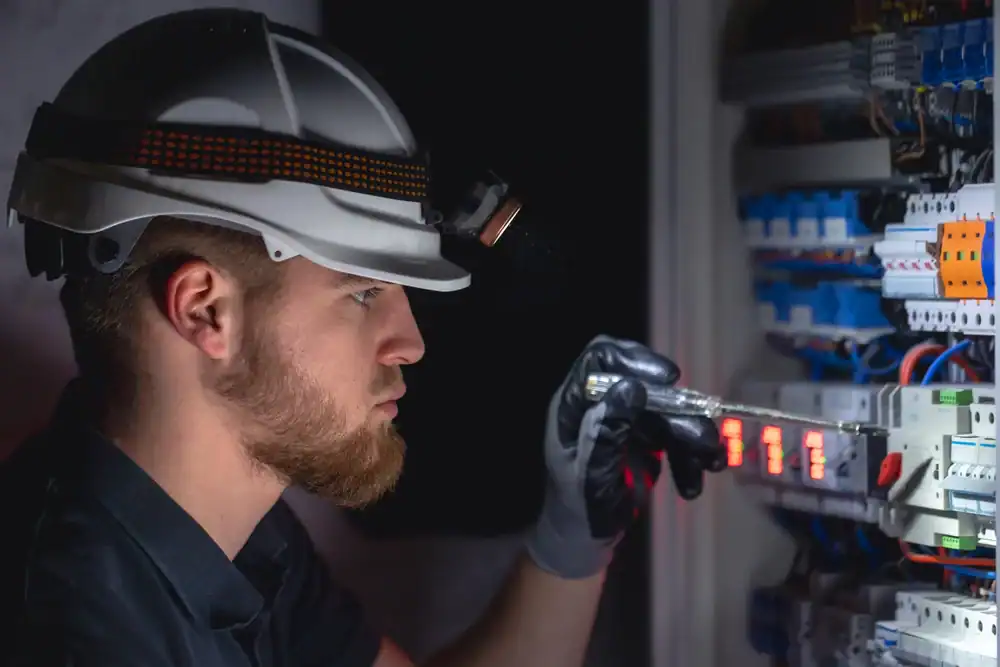
Professional installation ensures code compliance and safety. We handle the electrical connections, transfer switch installation, and system testing. We also coordinate with gas or propane suppliers for fuel line connections and work with local inspectors to ensure everything meets Suffolk County requirements.
DIY installation might save money upfront, but it creates liability issues and potential safety hazards. Insurance companies may not cover damage from improperly installed equipment. More importantly, incorrect installation can result in carbon monoxide poisoning, electrical fires, or equipment failure when you need backup power most.
The installation process typically takes 1-2 days for residential systems. Day one covers site preparation, electrical connections, and transfer switch installation. Day two handles fuel connections, system testing, and final inspections. Commercial installations take longer depending on system complexity and electrical requirements.
Choosing the Right Generator Installation Service
Generator installation is an investment in your family’s safety and comfort. You need equipment that works when storms hit and professional installation that meets safety codes.
Look for licensed electricians with generator installation experience, not general contractors who dabble in electrical work. Ask about permits, inspection procedures, and warranty coverage. Make sure they handle both electrical and fuel connections rather than subcontracting parts of the job.
The right installation gives you peace of mind knowing your backup power will work when Suffolk County’s next storm knocks out the grid. For professional generator installation with upfront pricing and guaranteed satisfaction, contact Marra Electric today.

Sorry, the comment form is closed at this time.