Summary:
Understanding Your Home's Electrical Load Capacity
Your electrical panel is like your home’s heart, pumping power to everything that needs it. But just like a heart, it has limits.
Most Suffolk County homes built before 2000 have 100-amp electrical services. When they were installed, that seemed like plenty. But add central air, modern appliances, and now an EV charger, and you’re pushing that 100-amp service to its breaking point.
Here’s the reality: Level 2 chargers draw 30-50 amps continuously. That’s massive compared to most household circuits that use 15-20 amps intermittently. Your dryer might pull 30 amps, but only when it’s running. Your EV charger? It’s pulling that power for hours every night.

How to Check If Your Panel Can Handle Level 2 Charging
You can get a rough idea of your home’s capacity by looking at your main electrical panel. Find the largest switch at the top—that’s your main breaker, and the number tells you your total capacity.
If you see “200” on that main breaker and have a couple empty slots for new breakers, you’re probably in good shape. Your 200-amp service can likely handle a Level 2 charger without breaking a sweat.
But if you see “100” or “125,” and your panel is packed with breakers, you’re looking at a different conversation. That doesn’t mean you can’t have an EV charger—it just means you’ll need some upgrades first.
The real answer comes from a load calculation. This isn’t guesswork—it’s actual math that determines how much power your home uses during peak times and whether adding a 40-amp EV charger will overload your system. A qualified electrician can run this calculation and tell you exactly where you stand.
Don’t try to wing this part. Overloading your electrical system isn’t just inconvenient—it’s dangerous. We’re talking about fire risk, damaged equipment, and insurance headaches you don’t want to deal with.
What Electrical Panel Upgrades Actually Cost in Suffolk County
Let’s talk numbers, because this is probably what you really want to know. Panel upgrades to 200-amp service typically run $2,000 to $3,500 in Suffolk County, including permits and utility coordination.
Yes, that’s a chunk of change on top of your EV charger installation. But here’s the thing—this isn’t just an “EV expense.” You’re upgrading your home’s entire electrical infrastructure. That 200-amp service supports everything: your air conditioning, your kitchen appliances, your home office setup, and yes, your EV charger.
The process requires coordination with PSEG Long Island for temporary power disconnection, usually lasting 4-6 hours. Most homeowners are surprised how smoothly it goes when handled by experienced contractors who know the utility’s requirements and scheduling process.
Think of it this way: you’re not just buying the ability to charge your car at home. You’re buying electrical capacity that your home will use for decades. Many Suffolk County homeowners find that the upgrade actually improves their overall electrical reliability, ending those annoying situations where running the dryer and microwave at the same time trips a breaker.
Plus, if you’re planning any other major electrical work—like adding central air or a hot tub—you’ll need that extra capacity anyway. Better to do it once and do it right.
Level 1 vs Level 2 Charging: What's the Real Difference?
Level 1 charging is what you get when you plug your EV into a regular household outlet using the charging cord that came with your car. It’s simple, it’s cheap, and it’s painfully slow.
We’re talking about 4-5 miles of range per hour of charging. For a typical EV with a 250-mile range, you’re looking at 50+ hours for a full charge. That works if you drive 30 miles a day and can plug in every night, but it doesn’t leave much room for longer trips or busy weeks.
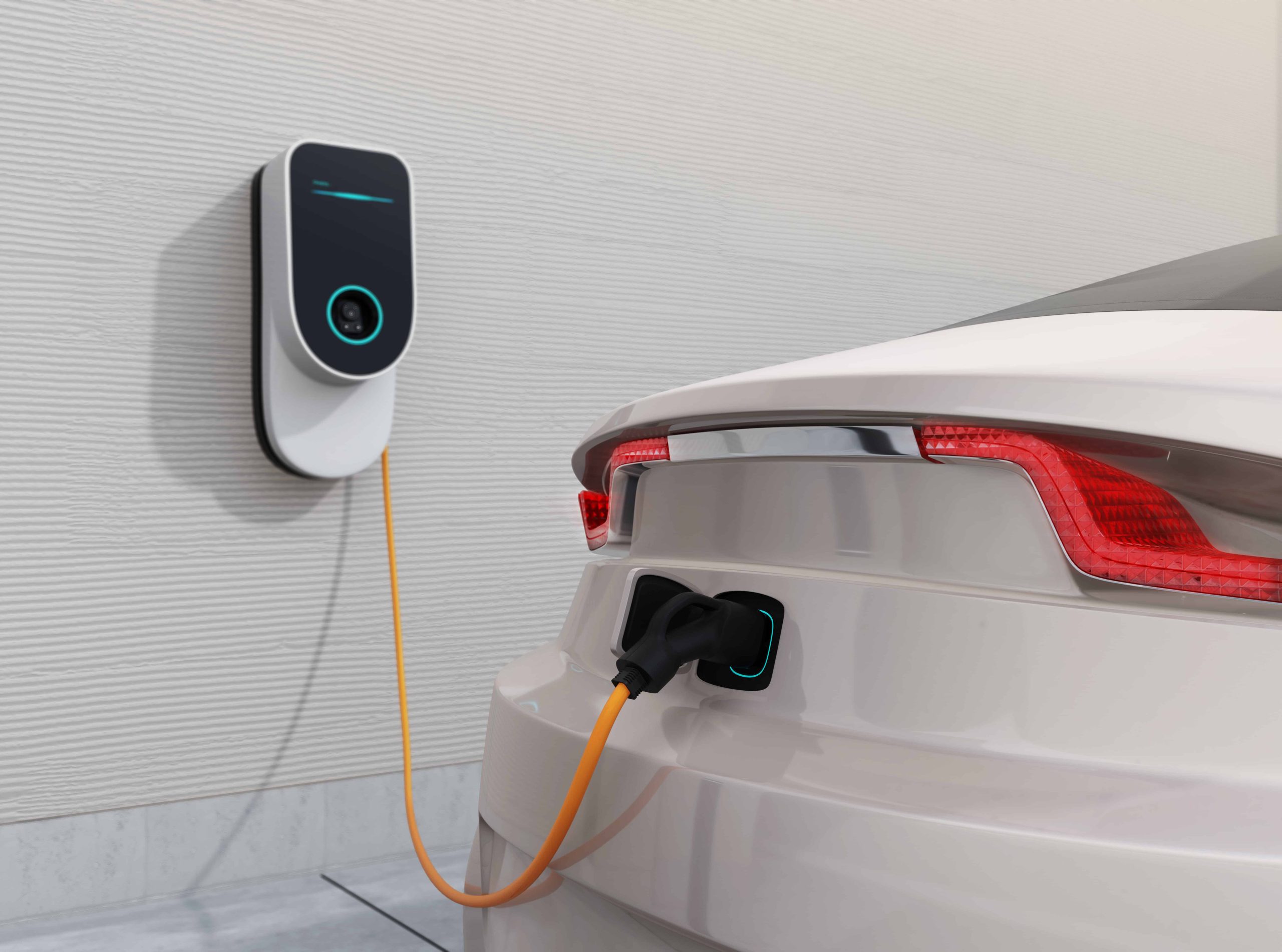
Level 2 charging is a different animal entirely. It uses 240-volt power—the same voltage as your dryer or electric water heater—and can add 25-40 miles of range per hour depending on your charger and vehicle combination.
Why Most Suffolk County Homeowners Choose Level 2 Chargers
The math is pretty straightforward. With Level 2 charging, you can fully charge most EVs in 4-8 hours. Plug in when you get home from work, and you’re ready for tomorrow’s commute plus any evening errands.
But it’s not just about speed—it’s about flexibility. Level 2 charging means you don’t have to plan your life around your car’s charging schedule. Forgot to plug in last night? No problem. A few hours of Level 2 charging gets you back on the road.
For Suffolk County residents, this flexibility matters. Whether you’re commuting to Manhattan, driving out to the Hamptons for the weekend, or just running around town, Level 2 charging keeps you covered without the range anxiety that comes with slower charging methods.
The convenience factor is huge too. Over 95% of electric car charging happens at home. With Level 2 charging, your driveway becomes your personal gas station—one that never closes, never has lines, and never smells like petroleum fumes.
Most homeowners find that the installation cost pays for itself pretty quickly. You’re saving on gas, avoiding public charging fees, and charging during off-peak hours when electricity rates are lowest. The typical Suffolk County homeowner saves $1,200-$1,800 per year on fuel costs alone.
Installation Requirements You Need to Know
Level 2 chargers need their own dedicated 240-volt circuit. This isn’t optional—it’s required by electrical code and necessary for safe operation. That means new wiring from your electrical panel to wherever you want the charger installed.
The installation involves several steps that require professional expertise. First, running appropriately-sized copper wire through walls, attics, or conduit. We’re talking about thick, heavy-gauge wire that can handle continuous high-amperage loads without overheating.
Next comes installing a properly-sized circuit breaker in your panel. This isn’t just about matching numbers—the breaker needs to be sized at 125% of the charger’s rating. So a 40-amp charger needs a 50-amp breaker. Get this wrong, and you’re looking at tripped breakers, overheated wires, or worse.
The charger itself gets either hardwired directly into the circuit or connected through a specialized 240-volt outlet like a NEMA 14-50. The choice depends on your specific charger model and local code requirements.
Finally, everything gets inspected by local authorities to ensure it meets safety standards. This isn’t bureaucratic busy work—it’s verification that your installation won’t burn down your house or void your insurance coverage.
Why DIY EV Charger Installation Is Dangerous for Older Homes
We get it—saving money on installation costs is tempting, especially when you’re already spending money on the charger and possibly a panel upgrade. But DIY EV charger installation isn’t like hanging a ceiling fan or installing a new outlet.
Older Suffolk County homes present unique challenges that even experienced DIYers underestimate. We’re talking about homes with outdated wiring, panels that are already near capacity, and electrical systems that weren’t designed for continuous high-amperage loads. One mistake can create serious fire hazards, void your homeowner’s insurance, and put your family at risk.
The statistics are sobering: electrical issues cause over 51,000 home fires annually. Many of these stem from improper installations where the wiring isn’t correctly sized, connections aren’t properly torqued, or circuit breakers aren’t matched to the load. When you’re dealing with the continuous 40-50 amp draw of an EV charger, there’s no margin for error.
Professional installation ensures your charger meets all local codes, passes required inspections, and operates safely for years to come. We understand both the electrical requirements and the unique challenges that older Suffolk County homes present.