You’re not sitting in the dark wondering when the lights come back. You’re not throwing out a freezer full of food or worrying whether your sump pump is working. Your generator kicks on within seconds—whether you’re home or not.
That’s what a home standby generator installation in Setauket actually does. It removes the scramble. No extension cords. No gas cans. No manual startup in the rain. Just automatic backup power that covers your whole house, or at least everything that matters most.
Suffolk County ranks 7th in New York for total power outages. Tropical Storm Isaias left over 400,000 Long Islanders without power in 2020, some for more than a week. Hurricane Sandy was worse. If you lived through either, you already know what happens when the power stays off for days. If you didn’t, talk to someone who did—they’ll tell you why they installed a generator.
We’ve been handling electrical work across Suffolk County for over 20 years. We’re fully licensed and insured, and we’ve earned the Angie’s List Super Service Award seven years running—not because we asked for it, but because customers kept rating us that way.
We don’t surprise you with bills. You get upfront pricing, a free estimate, and a team that shows up in branded vehicles with the tools and permits to do the job right. If something goes wrong after hours, we’re available 24/7.
Setauket homeowners call us because we know the local codes, the weather patterns, and what size system actually makes sense for a Long Island home. We’re not selling you more generator than you need. We’re making sure you have enough power when it counts.
First, we come out and assess your home. That means looking at your electrical panel, figuring out what you want to keep running during an outage, and determining whether you’re using natural gas or propane. Most Setauket homes need between 7,500 and 20,000 watts for essentials like your fridge, heating system, lights, and a few outlets. Whole-house coverage—including central air and electric water heater—usually requires 20,000 to 26,000 watts.
Once we size the system, we handle the permits. Suffolk County requires them, and we pull them as part of the process. Then we schedule the installation, which typically takes one to three days depending on complexity and whether we need utility coordination.
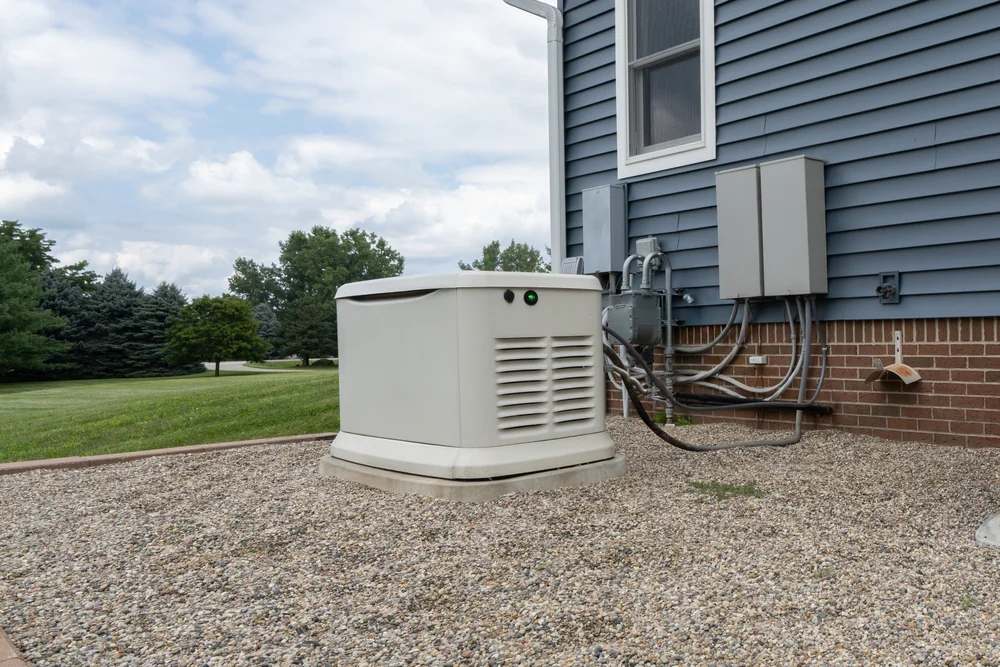
We install the generator on a concrete pad outside your home, connect it to your fuel source, tie it into your electrical panel with a transfer switch, and test the system. When we’re done, your generator monitors the power coming from PSEG. The second it detects an outage, it starts automatically and begins powering your home within seconds. When grid power returns, it switches back and shuts down. You don’t touch anything.
Ready to get started?
A whole house generator installation in Setauket typically runs between $7,000 and $20,000 installed, depending on the size of the unit and your home’s setup. Smaller systems—10 to 16 kilowatts—start around $7,000 to $12,000. Larger whole-home systems that can handle central air and every circuit in your house run closer to $12,000 to $20,000 or more.
That price includes the generator itself, the transfer switch, permits, fuel line installation, electrical connections, and labor. We give you the full number upfront. No surprises.
Natural gas generators connect to your existing gas line and run as long as the utility keeps supplying gas—which is almost always. Propane systems use a tank on your property, which means you control the fuel supply and aren’t dependent on the grid or utility infrastructure. Both options work. It depends on what’s already at your house and what makes you feel more comfortable.
You might also qualify for a discount on your homeowners insurance—usually 5% to 10%—once you prove a licensed professional installed a standby generator. Some carriers require documentation, so we provide everything you need. And according to Consumer Reports, installing a standby generator can increase your home’s value by 3% to 5%, which matters if you ever plan to sell.
Most installations take one to three days once permits are approved and equipment is on-site. The timeline depends on a few things: whether we need to run a new gas line, how far the generator sits from your electrical panel, and how quickly the town processes permits.
Suffolk County requires permits for generator installations, and we handle that paperwork. Permit approval usually takes a week or two, but it varies. Once we’re cleared to start, the physical installation is typically done in a day for straightforward setups. More complex jobs—like homes that need a propane tank installed or significant electrical panel upgrades—can take longer.
We don’t rush it. We make sure the fuel connections are solid, the transfer switch is wired correctly, and the system runs through a full test cycle before we leave. You’ll know exactly what to expect during your free estimate.
It depends on what you want to keep running during an outage. If you only care about essentials—refrigerator, some lights, heating system, a few outlets—you’re probably looking at 7,500 to 12,000 watts. That covers the basics and keeps your family safe and comfortable.
If you want true whole-house coverage, including central air conditioning, an electric water heater, and every circuit in your home, you’ll need 20,000 to 26,000 watts or more. Larger homes with multiple HVAC zones or heavy electrical loads might need even bigger systems.
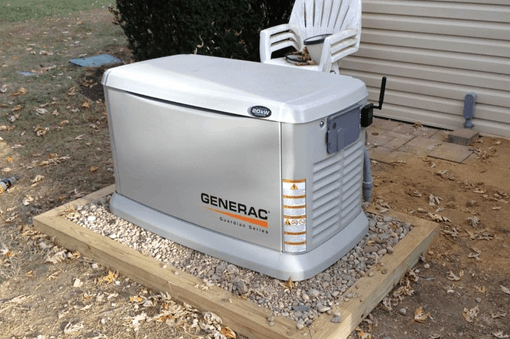
We don’t guess. During the estimate, we calculate your actual load based on what’s in your electrical panel and what you tell us matters most. Then we recommend a generator that fits. Generac makes reliable units across the range, and we’ll walk you through the options without overselling you on capacity you don’t need.
Yes. Suffolk County requires permits for standby generator installations, and that’s a good thing. Permits ensure the work meets local electrical and building codes, which protects you and your home.
We pull the permits as part of our service. That includes submitting plans, coordinating inspections, and making sure everything passes. You don’t have to deal with the town or chase down paperwork.
Some homeowners try to skip permits or hire unlicensed contractors who don’t bother. That’s a problem if you ever file an insurance claim, sell your home, or need service down the line. Inspectors and insurance adjusters check for permitted work. If it’s not documented, you’re stuck. We do it right the first time so you never have that issue.
Expect to pay between $7,000 and $20,000 for a complete installation, depending on the size of the generator and the complexity of your home’s setup. Smaller units in the 10 to 16 kilowatt range typically cost $7,000 to $12,000 installed. Larger systems that power your entire home, including air conditioning, run $12,000 to $20,000 or more.
That price covers the generator, transfer switch, permits, fuel line work, electrical connections, and labor. If you need a propane tank installed or a significant panel upgrade, that adds to the cost. We give you the full breakdown upfront during your free estimate, so there’s no confusion about what you’re paying for.
Financing is available if you’d rather spread out the cost. And remember, many insurance companies offer discounts of 5% to 10% on homeowners premiums once you install a standby generator. Over time, that helps offset the investment.
Yes. According to Consumer Reports, installing a standby generator can increase your home’s value by 3% to 5%. That’s a real number that appraisers and buyers recognize, especially in areas like Suffolk County where power outages are common and expected.
Buyers on Long Island know what it’s like to lose power for days. They’ve lived through hurricanes, tropical storms, and winter outages. When they see a home with a permanently installed generator, they see one less thing to worry about. That makes your property more attractive and easier to sell.
Beyond resale value, you also get insurance discounts—usually 5% to 10%—which add up over the years. So even if you’re not planning to move anytime soon, the generator pays you back in lower premiums and eliminates the financial and emotional cost of dealing with extended outages.
A portable generator requires you to be home, haul it outside, fill it with gas, start it manually, and run extension cords to whatever you want to power. It’s loud, limited, and requires constant refueling. You can usually only run a few essentials at a time, and if you’re not home when the power goes out, nothing happens.
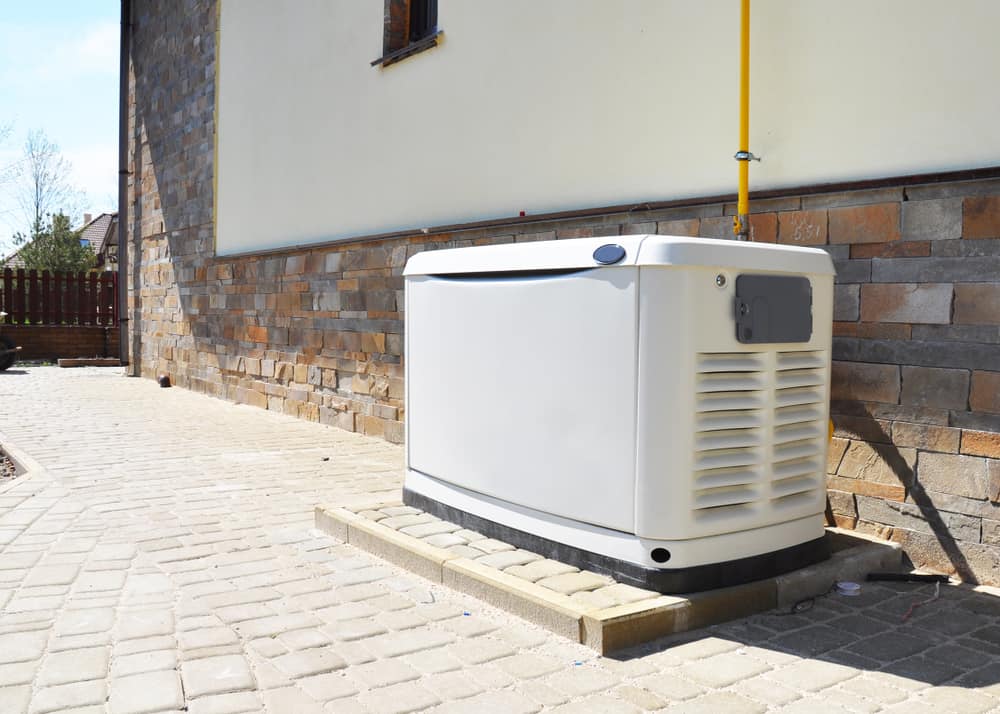
A home standby generator installation in Setauket means the system is permanently installed outside your home, connected to your fuel source, and wired directly into your electrical panel. It starts automatically within seconds of detecting an outage—whether you’re home or away. It powers your whole house, or at least all the circuits you’ve prioritized, and it runs as long as needed without you lifting a finger.
Portable generators also come with serious safety risks. If they’re not properly ventilated, carbon monoxide builds up fast. People die every year from running portable generators in garages or too close to windows. Standby generators sit outside, vent safely, and eliminate that risk entirely. If you’re serious about backup power, a standby system is the only real solution.
Other Services we provide in Setauket